
Babies are full of mysteries, and one of the most enchanting behaviors they exhibit is smiling while asleep. Many new parents find themselves wondering: Is this adorable expression a sign of sweet dreams? Could it be caused by something as simple as passing gas? Or might it indicate discomfort? Understanding what lies behind these spontaneous nighttime smiles requires a blend of developmental science, pediatric insight, and a touch of parental intuition.
While the exact reasons can vary depending on the baby’s age and stage of development, research suggests that both physiological reflexes and early brain activity contribute to these expressions. This article explores the science behind infant sleep smiles, separates myth from fact, and offers actionable guidance for parents seeking reassurance and deeper understanding.
The Science Behind Sleep Smiles: Reflexes vs. Dreams
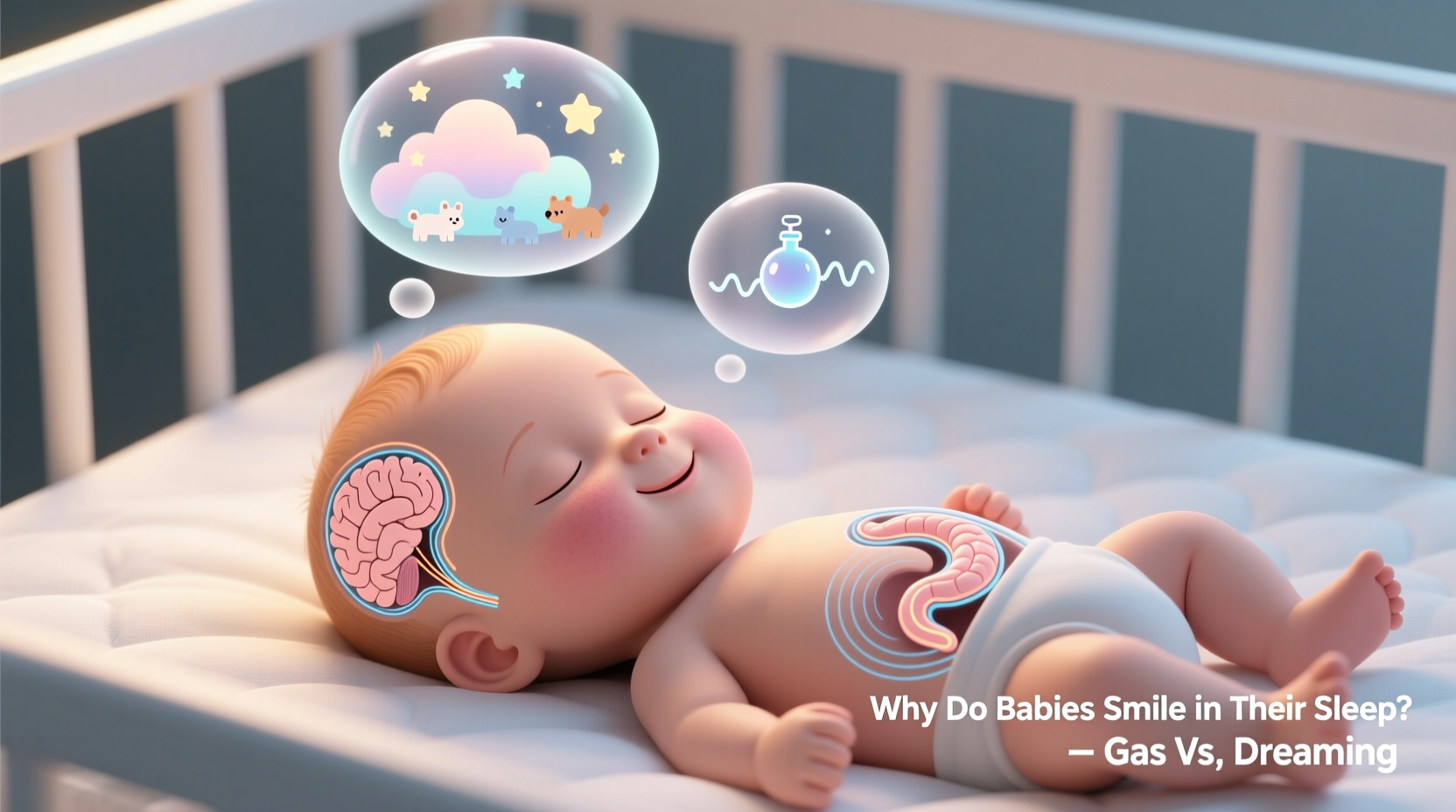
During the first few months of life, much of a newborn’s behavior is governed by involuntary reflexes rather than conscious thought. One such reflex is the \"social smile,\" which typically emerges around six to eight weeks when awake—but sleep-related smiles appear far earlier, sometimes within days of birth.
These early sleep smiles are not necessarily linked to emotion or cognition. Instead, they are often classified as subcortical smiles, meaning they originate in the lower regions of the brain, particularly the brainstem, which controls automatic functions like breathing and digestion. Unlike social smiles, which require higher brain function and interaction with caregivers, subcortical smiles occur spontaneously during active (REM) sleep.
Dr. Harvey Karp, renowned pediatrician and author of *The Happiest Baby on the Block*, explains:
“Newborns experience dream-like states during REM sleep long before they have memories or emotions to dream about. Their twitching, grimacing, and smiling are part of the brain ‘practicing’ neural pathways.”
This neurological rehearsal helps build connections necessary for future motor skills, facial expressions, and emotional regulation. So while your baby may look joyful, they’re not yet experiencing joy in the way older children or adults do.
Is It Gas? Separating Myth from Reality
A common belief among caregivers is that a sleeping baby’s smile indicates trapped gas or digestive relief. While gas can cause grunting, squirming, or even brief grimaces during sleep, there’s little scientific evidence linking flatulence directly to smiling.
In fact, gastrointestinal activity doesn’t trigger facial muscle contractions associated with smiling. The muscles used in a genuine smile—the zygomaticus major and orbicularis oculi—are neurologically distinct from those involved in abdominal pressure or bowel movements.
That said, some infants may briefly relax their facial muscles after releasing gas, which could coincidentally resemble a smile. But this is more about post-tension release than a direct physical response to gas expulsion.
When Smiles Coincide with Digestive Activity
Parents often notice smiles during or just after feeding, especially when burping or changing diapers. In these cases, the timing may create an illusion of causation. A relaxed, well-fed baby is more likely to enter deep, restful sleep where random muscle twitches—including smiles—occur frequently.
However, true gas pain usually presents with other symptoms:
- Legs drawn up to the chest
- Frequent waking with sharp cries
- Reddened face without sustained smiling
- Difficulty settling despite comfort efforts
If your baby consistently shows signs of distress alongside occasional sleep smiles, consider tracking patterns using a feeding and sleep log before concluding gas is the culprit.
Dreaming in Infancy: What Do Babies Dream About?
The question of whether babies dream remains partially unanswered due to the limitations of studying consciousness in preverbal infants. However, we know that newborns spend up to 50% of their sleep in REM (rapid eye movement) phase—the stage most closely associated with vivid dreaming in adults.
Neuroscientists believe that infant REM sleep plays a critical role in brain maturation. During this time, the brain processes sensory input, strengthens neural circuits, and consolidates learning—even from the womb. Yet, because memory formation is still rudimentary, any “dreams” are unlikely to involve narrative content or recognizable imagery.
Rather than dreaming about people or events, babies are probably experiencing bursts of sensory replay: the sound of a parent’s voice, the sensation of being held, or visual flashes of light and contrast. These fragments may manifest physically through facial movements like smiling, blinking, or lip-smacking.
| Age | REM Sleep Percentage | Likely Sleep Smiles? | Potential Triggers |
|---|---|---|---|
| Newborn (0–1 month) | ~50% | Yes – frequent, reflexive | Brainstem activity, sensory processing |
| 2–3 months | ~40% | Yes – increasing awareness | Mix of reflex and early emotional memory |
| 4–6 months | ~30% | Yes – possibly dream-influenced | Familiar faces, recent interactions |
| 7+ months | ~25% | Rare during deep sleep | More likely during light sleep transitions |
As babies grow, their sleep architecture changes. By six months, REM decreases, and non-REM stages dominate. Sleep smiles become less frequent and more likely tied to actual emotional experiences upon waking.
Developmental Milestones and Emotional Growth
Between six and ten weeks, babies begin developing what researchers call \"true social smiles\"—intentional expressions made in response to stimuli like a caregiver’s voice or face. These differ significantly from sleep smiles in context, duration, and consistency.
Here’s how to distinguish between types of infant smiles:
- Sleep Smile: Brief, asymmetric, occurs during REM, no response to external interaction.
- Reflexive Smile (awake): Occurs randomly when alert but unfocused; disappears quickly.
- Social Smile: Symmetrical, sustained, triggered by eye contact or vocal play, often reciprocated.
Once social smiling emerges, parents may start to wonder if sleep smiles reflect subconscious emotional processing. While unprovable, it’s plausible that positive daytime interactions subtly influence nighttime expressions. For example, a baby who spent the day receiving affectionate attention may be more prone to peaceful sleep with occasional smiles.
“Smiling during sleep is a healthy sign of neurological activity. It shows the brain is cycling through stages properly and practicing communication tools.” — Dr. Laura Jana, Pediatric Neurodevelopment Specialist
Mini Case Study: The Twin Comparison
Sarah, a first-time mother of twins, noticed a striking difference in her sons’ sleep behaviors at five weeks old. Ethan would often smile, coo softly, and move his arms gently during naps. Liam, however, rarely smiled and tended to frown or scrunch his face.
Concerned that Liam was uncomfortable or unhappy, Sarah consulted her pediatrician. After observing both babies during clinic visits, the doctor reassured her that both were developing normally. She explained that individual temperament and neurological wiring affect how much motor activity babies display during sleep.
Over the next two months, Liam began showing more expressive movements during sleep, including brief smiles. Meanwhile, Ethan’s sleep became calmer. The shift highlighted how transient and variable these behaviors are—even between siblings raised in identical environments.
Practical Tips for Parents: What You Can Do
Understanding the origins of sleep smiles can ease anxiety and help parents focus on meaningful indicators of well-being. Below is a checklist to guide observation and care:
- ✅ Observe frequency and context of smiles—do they occur only during REM phases?
- ✅ Note accompanying behaviors: Are limbs relaxed or tense? Is breathing steady?
- ✅ Track feeding and diaper patterns to rule out digestive issues.
- ✅ Avoid waking your baby to capture or respond to sleep smiles—they need uninterrupted rest.
- ✅ Celebrate them quietly! These moments are fleeting and part of early bonding, even if not emotionally intentional.
When to Be Concerned
In rare cases, excessive or unusual facial movements during sleep may signal underlying conditions such as seizures or neurological disorders. Signs that warrant medical evaluation include:
- Repetitive, rhythmic jerking beyond typical twitches
- Episodes lasting longer than 30 seconds
- Blue tint around lips or difficulty breathing
- Stiffening of the body during episodes
- Failure to develop awake social smiles by 12 weeks
If you observe any of these red flags, consult your pediatrician promptly. Most sleep-related movements, however, are benign and resolve naturally as the nervous system matures.
FAQ: Common Questions About Baby Sleep Smiles
Do premature babies smile in their sleep too?
Yes, though preterm infants may show fewer sleep smiles initially due to immature brain development. As they reach full-term gestational age (around 40 weeks), these expressions typically increase in frequency and complexity.
Can I encourage my baby to smile more during sleep?
No, and it’s unnecessary. Sleep smiles are involuntary and cannot be influenced directly. However, providing consistent daytime stimulation—talking, singing, gentle touch—supports overall brain health, which indirectly affects sleep patterns.
Should I record my baby’s sleep smiles?
If it brings you joy, yes—but prioritize safety and privacy. Avoid placing devices in the crib or using bright lights that disrupt sleep cycles. Remember, these moments are natural and will pass quickly as your child grows.
Conclusion: Embrace the Mystery with Confidence
Babies smile in their sleep for a combination of biological, neurological, and developmental reasons—not because of gas or complex dreams, but as part of the remarkable process of growing a human brain. Whether driven by reflexes, sensory echoes, or early emotional imprints, these tiny expressions offer a window into the invisible work happening beneath the surface.
As a parent, your role isn’t to interpret every twitch or grin, but to provide a safe, loving environment where your baby can thrive. Trust the science, trust your instincts, and above all, allow yourself to marvel at the quiet magic of infancy.




 浙公网安备
33010002000092号
浙公网安备
33010002000092号 浙B2-20120091-4
Comments
No comments yet. Why don't you start the discussion?