
Swarming is one of the most fascinating natural phenomena in the life of a honeybee colony. It’s not a random event but a carefully orchestrated process driven by biological necessity and environmental cues. For beekeepers and nature enthusiasts alike, understanding why bees swarm offers insight into the complex social structure of these vital pollinators. Swarming ensures genetic diversity, colony propagation, and long-term survival—but it can also pose challenges for managed hives. This article explores the triggers, stages, and implications of swarming, offering practical knowledge for anyone interested in bee biology or apiculture.
The Biological Purpose of Swarming
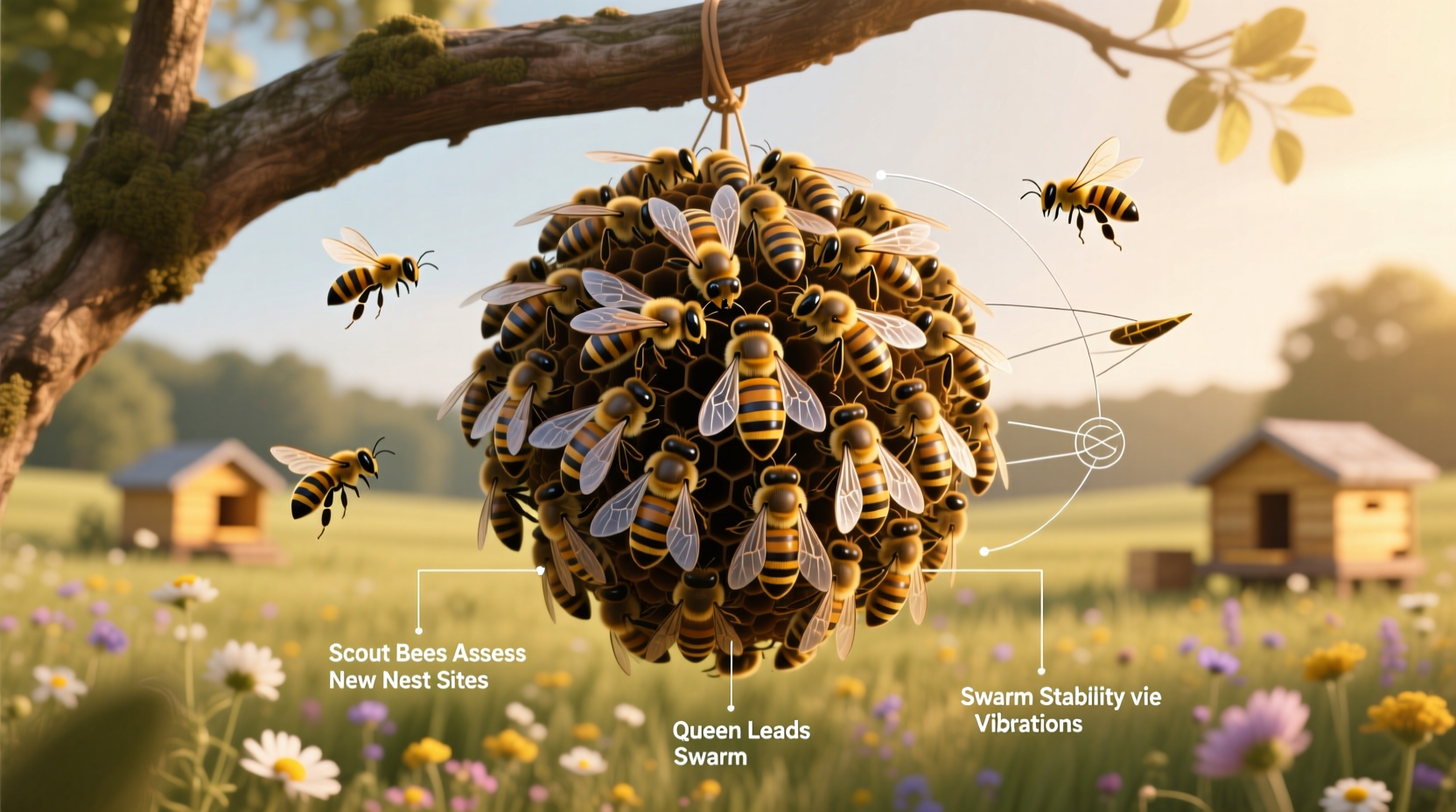
At its core, swarming is the reproductive method of a honeybee colony. Unlike individual organisms that reproduce through mating, a bee colony reproduces by splitting into two or more groups. This process allows the species to expand into new territories and maintain healthy population levels. When a hive becomes overcrowded or resources are abundant, the colony prepares to divide. The original queen leaves with about half of the worker bees to establish a new colony elsewhere, while a daughter queen remains to take over the original hive.
This natural instinct has evolved over millions of years as a survival strategy. By dispersing offspring colonies across different locations, honeybees reduce the risk of total loss due to disease, predation, or environmental changes. Swarming typically occurs in spring and early summer when nectar flows are high and weather conditions are favorable—ensuring the highest chance of success for both the parent and daughter colonies.
Triggers That Lead to Swarming
Several interrelated factors prompt a colony to initiate the swarming process. These include:
- Overcrowding: When the hive becomes too full, bees have less space to store honey and rear brood, increasing congestion.
- Queen Age and Pheromone Levels: Older queens produce fewer pheromones, weakening their influence over the colony and signaling workers to prepare for replacement.
- Brood Nest Congestion: A high ratio of eggs and larvae to available cells limits the queen’s ability to lay more eggs, prompting workers to build queen cups.
- Abundant Resources: Strong nectar and pollen flows provide the energy surplus needed to support multiple colonies.
- Genetic Tendency: Some bee strains, like Italian or Carniolan bees, are more prone to swarming than others.
When these conditions align, worker bees begin constructing special queen cells—larger, peanut-shaped structures where future queens will develop. Once these cells are capped, the existing queen stops laying eggs and reduces her weight by eating less, preparing for flight. Within days, she departs with thousands of workers in what’s known as the primary swarm.
The Swarming Process: A Step-by-Step Timeline
Swarming unfolds in a precise sequence that maximizes the chances of successful colony establishment:
- Preparation (Weeks Before): Workers build queen cups and may start feeding royal jelly to selected larvae if conditions favor swarming.
- Queen Cell Construction (7–10 Days Prior): Multiple queen cells are built, indicating swarming is imminent.
- Swarm Departure (Day 0): The old queen leaves with 50–70% of the worker bees. They form a temporary cluster nearby—often on a tree limb or fence—while scout bees search for a suitable cavity.
- Scouting and Decision-Making (1–3 Days): Scout bees evaluate potential nesting sites based on size, height, entrance orientation, and dryness. Through a consensus mechanism called the “waggle dance,” they communicate findings until a majority agrees on a location.
- Colony Relocation (Final Day): Once a site is chosen, the entire swarm takes flight and moves permanently to its new home.
- New Queen Emergence (After 7–8 Days): Back in the original hive, the first virgin queen emerges, eliminates rival queens, and begins mating flights within days.
“Swarming is not a failure of management—it’s a sign of a strong, healthy colony expressing its natural instincts.” — Dr. Thomas Seeley, Honeybee Behavior Researcher, Cornell University
Managing Swarms: A Beekeeper’s Checklist
For beekeepers, preventing or managing swarms is essential to maintaining hive productivity and preventing colony loss. Use this checklist to stay ahead of swarming tendencies:
- Inspect hives weekly during peak season (April–June)
- Look for queen cells along the bottom and edges of frames
- Ensure adequate upper space by adding supers before congestion occurs
- Split strong colonies proactively to mimic natural swarming
- Replace queens every 1–2 years to maintain strong pheromone output
- Monitor brood patterns for signs of reduced egg-laying
- Use swarm traps or bait hives to capture stray swarms
| Do’s | Don’ts |
|---|---|
| Add supers early in the season | Wait until you see queen cells to act |
| Perform regular hive inspections | Overlook drone congestion in the brood nest |
| Use splits to control population | Destroy all queen cells without addressing root causes |
| Install swarm traps in wooded areas | Assume swarms are aggressive—they rarely sting during clustering |
Real Example: Capturing a Wild Swarm in Suburban Ohio
In May 2023, a homeowner in Columbus, Ohio, noticed a large cluster of bees hanging from an oak tree after a weekend storm. Concerned but curious, she contacted a local beekeeping association. Within hours, volunteer beekeeper Maria Lopez arrived with protective gear and a box hive. She gently shook the cluster into the box, ensuring the queen was inside. The swarm had been resting for only two days—scout bees were still active in the area.
Maria explained that the bees likely came from a nearby feral colony in a hollow tree. By capturing them, she not only prevented a potential nuisance but also added a productive, genetically diverse colony to her apiary. The bees adapted quickly, began drawing comb within 48 hours, and produced surplus honey by August. This case illustrates how understanding swarming behavior turns a common concern into an opportunity for conservation and beekeeping success.
Frequently Asked Questions
Are swarming bees dangerous?
No, swarming bees are generally docile. They carry little venom and no hive to defend. Most stings occur when people disturb or mishandle the cluster. Observe from a distance and contact a beekeeper for removal if necessary.
Can I prevent swarming completely?
While you can reduce the likelihood through good management, you cannot eliminate swarming entirely—it’s a natural impulse. Instead of viewing it as a problem, consider controlled splitting as a way to harness this behavior for expanding your apiary.
What happens to a hive after the swarm leaves?
The remaining bees raise a new queen from existing larvae. If successful, the hive continues normally. However, if queen rearing fails or the new queen doesn’t return from mating, the colony may weaken or die out. Regular post-swarm checks are crucial.
Conclusion: Embracing Nature’s Design
Understanding why bees swarm transforms fear into fascination and frustration into informed action. Swarming is not a flaw in bee behavior—it’s a testament to the resilience and intelligence of honeybee societies. Whether you're a seasoned beekeeper or a curious observer, recognizing the signs and significance of swarming empowers you to support these essential pollinators. By respecting their natural rhythms and responding wisely, we help ensure healthier hives, more robust ecosystems, and a deeper connection to the intricate world of bees.




 浙公网安备
33010002000092号
浙公网安备
33010002000092号 浙B2-20120091-4
Comments
No comments yet. Why don't you start the discussion?