
Relationships involving a partner with bipolar disorder face unique challenges that, if unmanaged, can lead to emotional strain, misunderstandings, and eventual breakdown. While love and connection are possible—and many couples thrive—understanding why these relationships sometimes fail is essential for prevention and healing. More importantly, knowing how to cope when difficulties arise can transform struggles into opportunities for growth, empathy, and deeper intimacy.
The Emotional Rollercoaster: Mood Episodes and Relationship Strain
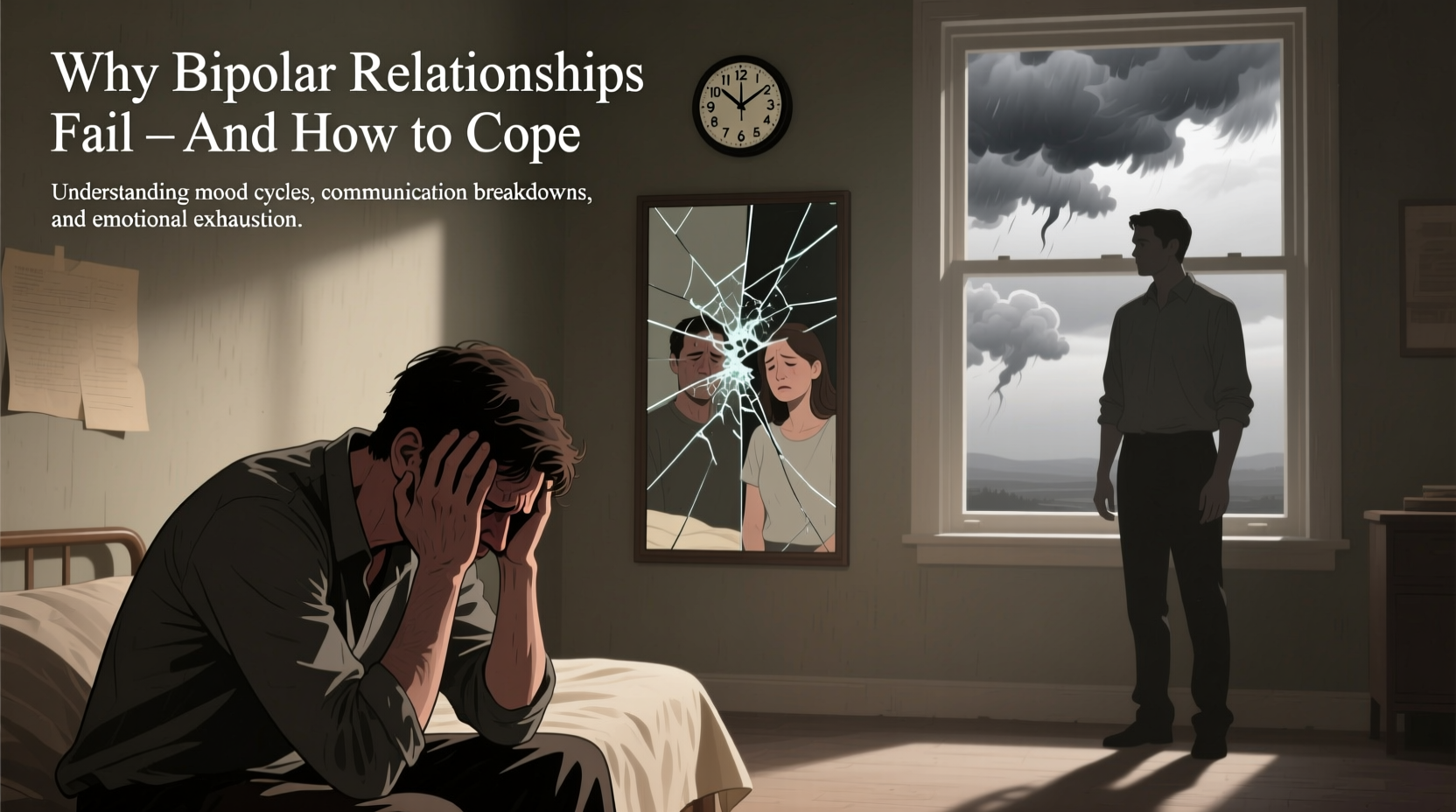
Bipolar disorder is characterized by extreme mood shifts between mania (or hypomania) and depression. These episodes don’t just affect the individual—they ripple through the relationship, often creating instability.
- Manic phases may bring impulsivity, irritability, poor judgment, or even infidelity.
- Depressive episodes can result in withdrawal, lack of communication, or emotional distance.
Partners without bipolar may feel confused or rejected during depressive lows, while manic highs might seem exciting at first but later become overwhelming or destructive. Over time, this unpredictability wears down trust and emotional safety.
Common Reasons Why Bipolar Relationships Fail
While every relationship is different, certain recurring issues increase the risk of failure in partnerships where one or both partners have bipolar disorder.
- Lack of diagnosis or treatment: Untreated bipolar disorder makes mood regulation nearly impossible. Without medication or therapy, cycles repeat, eroding relationship stability.
- Communication breakdown: During mood episodes, rational dialogue becomes difficult. Partners may stop sharing feelings out of fear or frustration.
- Uneven emotional burden: The non-bipolar partner often becomes a caregiver, leading to resentment if support isn’t mutual.
- Impulsive decisions: Mania can drive reckless spending, risky behaviors, or sudden life changes that destabilize the relationship.
- Social stigma and isolation: Shame about the condition may prevent couples from seeking help or discussing struggles openly.
“Bipolar disorder doesn’t end a relationship—but how partners manage it together often determines its longevity.” — Dr. Lena Reyes, Clinical Psychologist specializing in mood disorders
Coping Strategies for Healthier Relationships
Success isn't guaranteed by love alone—it requires intention, education, and consistent effort. Here are proven ways to strengthen a relationship affected by bipolar disorder.
1. Prioritize Treatment and Stability
Medication adherence and regular therapy are foundational. Encourage your partner to maintain treatment, but avoid being overly controlling. Offer support—not pressure.
2. Build Emotional Literacy Together
Learn the language of emotions and triggers. Use “I feel” statements instead of blame. For example: “I feel anxious when plans change suddenly” works better than “You’re so unpredictable.”
3. Establish Predictable Routines
Stability helps regulate mood. Shared routines around sleep, meals, and relaxation create a grounding effect for both partners.
4. Set Healthy Boundaries
Boundaries protect both individuals. It’s okay to say no to harmful behavior—even during a mood episode. Calmly state limits: “I care about you, but I can’t stay in the room if you’re yelling.”
5. Practice Self-Care as a Partner
You cannot pour from an empty cup. Make space for your own mental health—therapy, hobbies, friendships. A resilient relationship needs two emotionally available people.
Do’s and Don’ts in Bipolar Relationships
| Do | Don’t |
|---|---|
| Encourage professional treatment | Force or shame someone into therapy |
| Communicate calmly during stable periods | Argue during a manic or depressive episode |
| Attend therapy sessions together if invited | Assume you know what they need without asking |
| Educate yourself about bipolar disorder | Label all behavior as “just part of the illness” |
| Take warning signs seriously | Ignore suicidal comments or self-harm risks |
Real Example: A Relationship Tested and Transformed
Mark and Elena had been together for five years when Mark was diagnosed with bipolar II. Before the diagnosis, their relationship suffered from inexplicable conflicts—Elena felt abandoned during Mark’s low moods and overwhelmed during his energetic, impulsive weekends.
After diagnosis, they began couples counseling. They created a “mood tracker” shared via a simple app, allowing them to anticipate shifts. They agreed on a code word (“red zone”) to signal when one needed space or support. Elena joined a support group for partners of people with bipolar disorder, which helped her process guilt and set boundaries.
Two years later, their relationship isn’t perfect—but it’s stronger. “We still have tough days,” Elena says, “but now we face them as a team, not as enemies.”
Step-by-Step Guide to Building Resilience
If you're in a relationship affected by bipolar disorder, follow this timeline to foster long-term stability:
- Month 1: Educate & Assess
Both partners read reputable resources on bipolar disorder. Discuss current stressors and identify patterns linked to mood episodes. - Month 2: Seek Professional Help
Individual therapy for the person with bipolar; consider couples counseling. Explore medication options with a psychiatrist. - Months 3–4: Create a Crisis Plan
Outline steps for manic or depressive episodes: emergency contacts, safe spaces, communication protocols, and when to seek hospitalization. - Months 5–6: Strengthen Daily Habits
Establish joint routines for sleep, exercise, and check-ins. Schedule monthly “relationship reviews” to discuss progress and adjustments. - Ongoing: Maintain & Adapt
Revisit goals every six months. Celebrate small wins. Normalize setbacks as part of the journey, not failure.
Frequently Asked Questions
Can a person with bipolar disorder have a healthy relationship?
Absolutely. With proper treatment, open communication, and mutual commitment, many people with bipolar disorder maintain loving, stable relationships. Success depends more on management and support than the diagnosis itself.
Should I leave my partner if they have bipolar disorder?
Not necessarily. Consider whether your partner is willing to engage in treatment, respects your boundaries, and contributes emotionally. Leaving may be necessary if there’s abuse, neglect, or refusal to get help—but separation should be a thoughtful decision, not a reaction to a single episode.
How do I support my partner without losing myself?
Balance is key. Support includes encouraging treatment and offering empathy, but it must coexist with self-care. Set personal goals, maintain outside relationships, and seek therapy for yourself. You’re not responsible for “fixing” your partner.
Conclusion: Love, Awareness, and Action
Relationships involving bipolar disorder don’t fail because of the illness itself—they falter when awareness, treatment, and mutual effort are missing. Understanding the impact of mood cycles, communicating with empathy, and building structure together can turn volatility into resilience.
If you’re struggling, remember: reaching out for help isn’t a sign of weakness—it’s the foundation of strength. Whether you’re the partner with bipolar or supporting someone who has it, your willingness to learn, adapt, and grow makes all the difference.




 浙公网安备
33010002000092号
浙公网安备
33010002000092号 浙B2-20120091-4
Comments
No comments yet. Why don't you start the discussion?