
Birds attacking windows is a surprisingly common phenomenon, especially during spring and early summer. At first glance, it may seem comical or even harmless—a robin pecking at glass, a cardinal darting toward its own reflection. But repeated collisions and aggressive behaviors can injure birds, stress homeowners, and damage window surfaces over time. The root cause isn’t random aggression; it’s territorial instinct triggered by something invisible to most humans: reflection. Understanding the psychology behind this behavior—and applying practical, non-lethal solutions—can protect both birds and your peace of mind.
The Science Behind Bird Attacks on Window Reflections
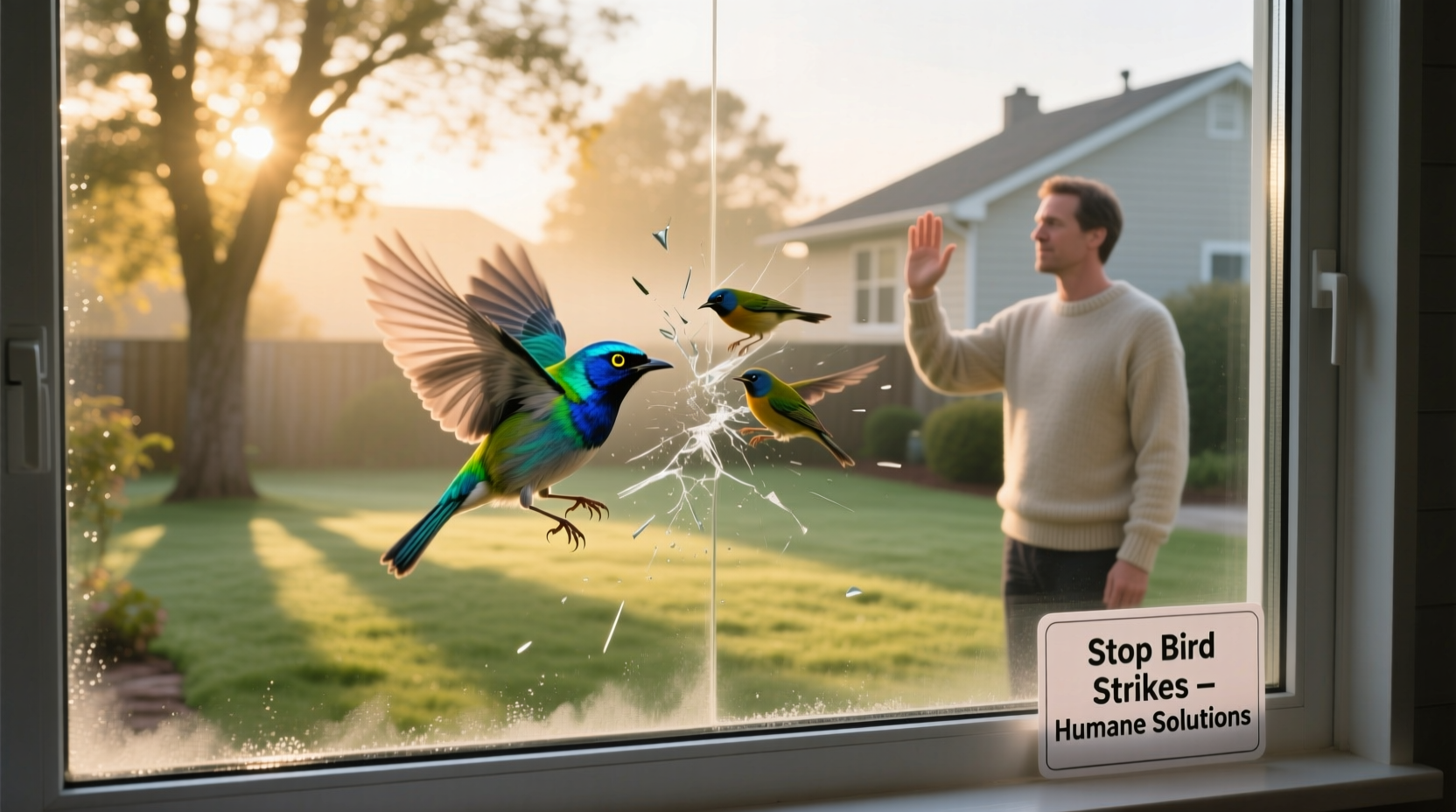
Birds, particularly males of species like northern cardinals, American robins, and song sparrows, are highly territorial during breeding season. Their survival depends on defending nesting areas from rivals. When a bird sees its reflection in a window, it perceives an intruder—an identical bird encroaching on its space. This triggers an instinctive defensive response: charge, chase, and drive off the \"invader.\"
Unlike humans, birds don’t recognize reflections as illusions. To them, the image is another bird, often appearing bold and unyielding because it doesn’t retreat. This perceived defiance only escalates the real bird’s aggression. The cycle continues daily, sometimes for weeks, until nesting duties shift or hormonal activity decreases.
Interestingly, not all birds exhibit this behavior. It’s most common in species with strong site fidelity and visual dominance displays. Juveniles and inexperienced males are less likely to engage, while dominant adults with established territories react more intensely.
“Birds don’t have the cognitive ability to understand mirrors or reflections. What they see is a direct threat—one that must be eliminated.” — Dr. Laura Bies, Senior Wildlife Biologist, National Audubon Society
Why This Behavior Is Harmful (Even If It Seems Minor)
While occasional tapping might appear inconsequential, sustained attacks pose real risks:
- Physical injury: Birds can suffer concussions, broken beaks, or eye damage from repeated impacts.
- Energy depletion: Aggressive defense consumes calories needed for feeding and caring for young.
- Nesting neglect: Excessive focus on \"defending\" territory may lead to abandoned eggs or vulnerable chicks.
- Window damage: Persistent pecking can scratch glass coatings or loosen seals on double-pane units.
In urban and suburban areas where large glass surfaces are common, reflective windows create artificial conflict zones. A single pane can provoke multiple birds across seasons, turning your home into an unwitting battleground.
Humane Solutions to Stop Reflection Attacks
Killing or trapping birds is neither legal nor ethical. Instead, focus on eliminating the trigger: the reflection. The goal is to break the mirror effect without obstructing your view or resorting to harmful deterrents.
1. Break the Reflection with Visual Barriers
The most effective strategy is to make the glass non-reflective. This can be achieved through several methods:
- Apply temporary window films: Use translucent or frosted vinyl decals that obscure reflections while allowing light through. Look for UV-blocking options designed for bird safety.
- Hang external tape strips: Apply matte-finish tape in vertical lines spaced 4–6 inches apart on the outside of the glass. The pattern disrupts reflection and signals \"solid surface\" to birds.
- Use soap or tempera paint: In emergencies, drawing broad streaks with bar soap or water-soluble paint on the outside pane eliminates shine. Rinse off when no longer needed.
2. Install Physical Deterrents Outside the Glass
Placing objects just beyond the window creates depth perception, helping birds realize there’s no open space behind the glass.
- Hang wind chimes or ribbons: Fluttering materials catch light and movement, deterring approach.
- Attach rope or cords: Hang vertical cords 3–4 inches apart, extending 4–6 inches from the window. These act as soft barriers birds won’t attempt to fly through.
- Use netting or mesh: Install bird-safe mesh (¼-inch gaps) about 3 inches from the glass. It stops birds gently before impact and removes reflection.
3. Modify Indoor Lighting and Outdoor Landscaping
Reflections intensify under certain lighting conditions. Adjusting environment reduces visibility of the \"intruder.\"
- Close blinds or curtains on the affected side during peak daylight hours.
- Avoid placing bird feeders or baths directly in front of reflective windows—they attract birds toward danger zones.
- Trim shrubs or trees near windows that enhance reflection or provide launching perches for attackers.
Step-by-Step Guide to Resolving Window Attacks
Follow this timeline to humanely end reflection-based bird attacks:
- Day 1: Confirm the cause. Watch the bird’s behavior. If it’s repeatedly striking or pecking at its own reflection, territorial defense is likely.
- Day 2: Eliminate indoor reflectivity. Close curtains, turn off lights inside, or move shiny furniture away from the window.
- Day 3: Apply external treatments. Use soap streaks, tape strips, or temporary decals on the outside surface.
- Day 4–5: Install motion-based deterrents. Hang ribbons, cords, or windsocks within 6 inches of the glass.
- Day 6–7: Monitor and adjust. If attacks continue, combine two methods (e.g., tape + netting). Most birds stop within 3–5 days once the reflection disappears.
- Ongoing: Maintain seasonal awareness. Be prepared to reapply solutions each spring, especially if the same bird returns.
This phased approach minimizes stress for both bird and homeowner while ensuring long-term effectiveness.
Do’s and Don’ts: A Quick Reference Table
| Do’s | Don’ts |
|---|---|
| Apply solutions to the outside of the window | Use stickers only on the inside pane (less effective) |
| Space visual markers every 4–6 inches | Place isolated decals (birds may try to fly between them) |
| Use matte or frosted materials to diffuse reflection | Rely on hawk silhouettes alone (they rarely work on reflection issues) |
| Act quickly to prevent injury or habit formation | Yell, throw objects, or scare the bird—it won’t solve the root cause |
| Reapply seasonal solutions during breeding months | Assume the problem will resolve itself without intervention |
Real Example: A Homeowner’s Success Story
In suburban Maryland, Sarah Thompson noticed a male northern cardinal attacking her kitchen window every morning for nearly two weeks. “It started in late April,” she recalled. “He’d bang into the glass, then sit on the deck railing like he was waiting for a fight.” Concerned about the bird’s well-being—and worried he’d break the seal on her energy-efficient window—she researched humane solutions.
Sarah first tried placing a hawk decal on the inside glass. No change. Then she closed the blinds, but the attacks resumed when she opened them for light. Finally, she applied a set of removable frosted window clings in a dense grid pattern on the outside. Within 24 hours, the cardinal stopped returning.
“I thought it wouldn’t work,” she said. “But once the reflection was gone, he realized there was no rival. He started singing from a tree instead—much more peacefully.”
Sarah now keeps a roll of matte tape on hand each spring, ready to deploy if new birds target other windows.
FAQ: Common Questions About Bird-Window Conflicts
Will covering my window hurt my view permanently?
No. Most effective solutions are temporary or semi-transparent. Options like UV-filtering films, micro-perforated screens, or spaced tapes reduce glare without blocking sunlight. Many are designed specifically to preserve aesthetics while protecting birds.
Is it illegal to interfere with a bird that’s attacking my window?
No—but it is illegal under the Migratory Bird Treaty Act to harm, trap, or kill native birds without a permit. Humane deterrence is not only ethical, it’s required by law. Always use non-injurious methods focused on altering the environment, not the animal.
What if the bird keeps coming back next year?
Some birds return to the same territory annually. If you’ve resolved the issue once, document what worked. Reapply the same solution preemptively in early spring before aggression begins. Proactive treatment often prevents the behavior from restarting.
Final Checklist: How to Humanely Stop Window Attacks
- Observe and confirm the bird is reacting to its reflection.
- Remove indoor light sources that enhance reflectivity.
- Apply external visual disruptors (tape, film, decals) in a dense pattern.
- Install physical barriers like cords or netting slightly away from the glass.
- Modify landscaping to eliminate perching spots near reflective areas.
- Monitor results for 3–5 days and adjust as needed.
- Prepare to repeat measures seasonally, especially in spring.
Conclusion: Protect Birds, Preserve Peace
Birds attacking windows is a natural behavior misdirected by modern architecture. With empathy and informed action, homeowners can resolve these conflicts humanely and effectively. The key lies not in repelling the bird, but in removing the illusion that provokes it. Simple, low-cost interventions—applied thoughtfully and consistently—can end weeks of distress for both bird and resident.
By understanding avian instincts and choosing compassionate solutions, you contribute to safer environments for wildlife. These small acts of coexistence matter, especially as urban development expands into natural habitats. The next time you see a bird confronting its reflection, remember: it’s not being stubborn—it’s being a dedicated parent and protector. Help it realize the coast is clear.




 浙公网安备
33010002000092号
浙公网安备
33010002000092号 浙B2-20120091-4
Comments
No comments yet. Why don't you start the discussion?