
When the temperature drops, few things feel as comforting as wrapping yourself in a warm blanket. But have you ever wondered what makes a blanket effective at keeping you warm? It’s not magic—it’s science. Blankets don’t generate heat; instead, they act as thermal barriers that preserve your body’s natural warmth. Understanding how blankets work can help you choose the right type for different conditions and maximize comfort during cold nights.
The human body constantly produces heat through metabolic processes, maintaining an internal temperature of about 98.6°F (37°C). In cold environments, this heat escapes into the surrounding air, leading to discomfort or even hypothermia if not managed. Blankets intervene in this process by reducing heat loss through conduction, convection, radiation, and evaporation. By mastering these principles, manufacturers design textiles that enhance insulation while remaining breathable and comfortable.
The Science of Heat Retention
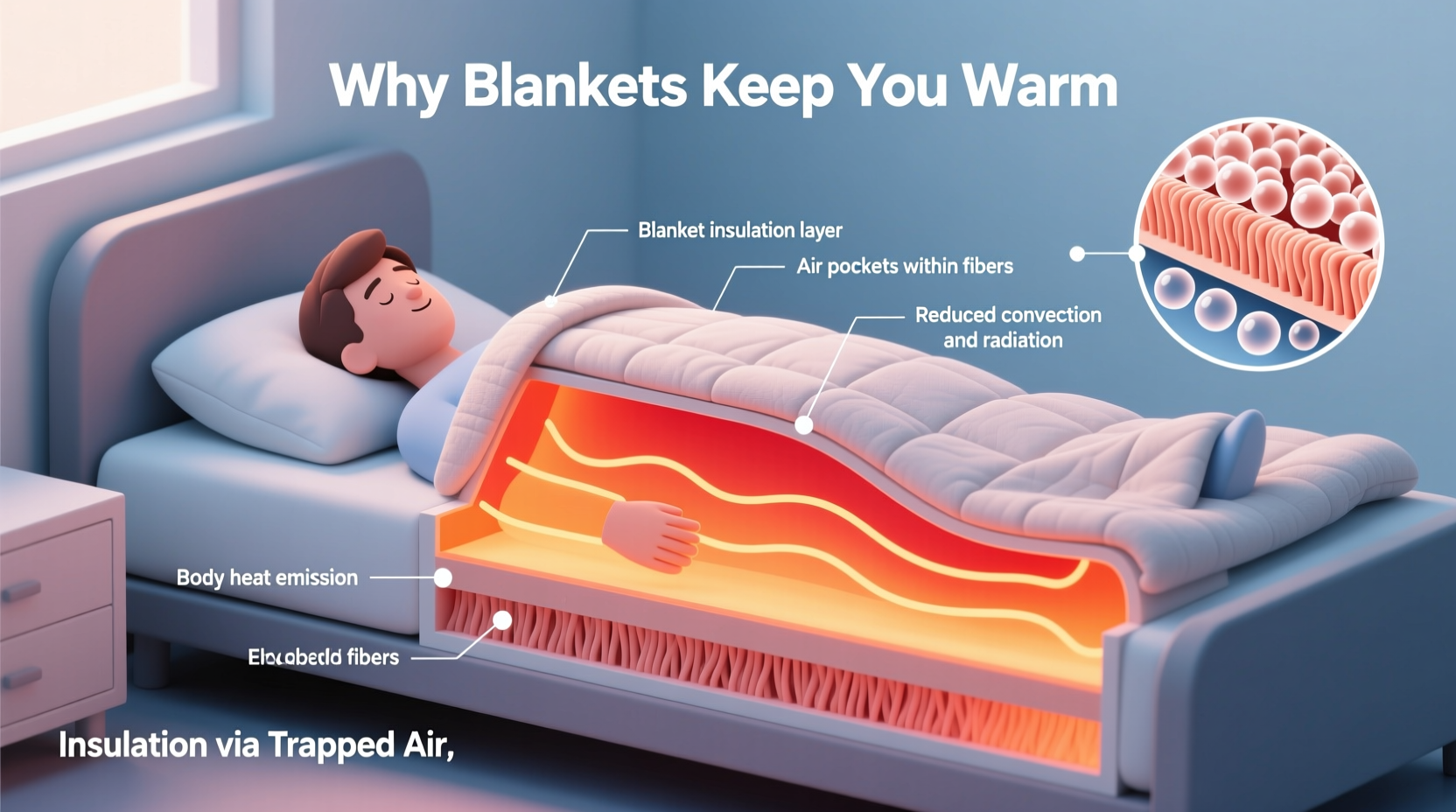
Heat transfer occurs in four primary ways: conduction, convection, radiation, and evaporation. A well-designed blanket targets each of these mechanisms to minimize heat loss from the body.
- Conduction: This is direct heat transfer through contact. When your skin touches a cold surface, heat flows from your body into it. Blankets reduce conductive loss by creating a layer of trapped air between your body and the colder environment.
- Convection: Air movement carries heat away. Drafts or wind increase convective cooling. Blankets block airflow, especially those with tightly woven fibers or wind-resistant outer layers.
- Radiation: Your body emits infrared radiation, which dissipates into cooler surroundings. Materials like wool or specially coated fabrics reflect some of this radiant heat back toward the body.
- Evaporation: Moisture on the skin—such as sweat—cools the body when it evaporates. Breathable blankets allow moisture to escape without sacrificing warmth, preventing clamminess.
Air is one of the best natural insulators because its molecules are spaced far apart, limiting energy transfer. Blankets work by trapping pockets of air within their fibers. The more air a material can hold without compressing, the better its insulating properties. This is why fluffy down comforters or thick fleece blankets often feel warmer than flat cotton sheets—even if made from similar base materials.
Material Matters: How Fabric Affects Warmth
Different materials provide varying levels of insulation based on structure, density, and moisture management. Here's how common blanket fabrics compare:
| Material | Insulation Level | Breathability | Best For |
|---|---|---|---|
| Wool | High | High | Cold, damp climates; retains warmth when wet |
| Down/Feathers | Very High | Moderate | Extreme cold; lightweight but bulky |
| Fleece | High | Moderate | Indoor use; quick-drying synthetic option |
| Cotton | Low-Moderate | High | Mild temperatures; hypoallergenic and soft |
| Polyester | Moderate | Low | Budget-friendly; durable but less breathable |
Wool stands out due to its natural crimp and lanolin content, which create tiny air pockets and resist moisture absorption. Down excels in warmth-to-weight ratio, making it ideal for camping or winter bedding. Fleece offers fast-warming performance but can retain odors over time. Cotton is breathable and washable but lacks high insulation, making it better suited for layering.
“Effective thermal regulation isn’t just about thickness—it’s about how well a fabric manages air, moisture, and radiant heat.” — Dr. Lena Patel, Textile Physicist, University of Colorado
Layering Strategies for Maximum Warmth
One blanket may not be enough in very cold conditions. Layering enhances insulation by creating multiple air gaps, each acting as an additional thermal barrier.
- Start with a fitted sheet or light blanket: Prevents direct contact between skin and heavier covers, reducing conductive heat loss.
- Add a mid-weight blanket (e.g., cotton or flannel): Begins building insulated airspace.
- Top with a heavy insulator (e.g., down comforter or wool throw): Seals in warmth and blocks drafts.
- Optional: Use a vapor barrier liner (in extreme cold): Helps retain body moisture as heat, though caution is needed to avoid overheating.
The key is balance. Too many layers can compress the insulating air pockets, reducing effectiveness. Also, excessive coverage may lead to overheating, causing sweating and subsequent chilling once moisture evaporates.
Real Example: Winter Camping in the Rockies
During a backcountry ski trip in January, Sarah found her sleeping bag insufficient at 15°F (-9°C). She improvised by placing a reflective emergency blanket beneath her sleeping pad and wrapping a wool blanket around her torso before zipping up. The combination worked: the wool trapped body heat efficiently, while the reflective layer reduced radiative loss into the snowpack below. She stayed warm throughout the night despite freezing winds. This real-world case illustrates how understanding insulation principles can make the difference between discomfort and survival.
Common Misconceptions About Blanket Warmth
Several myths persist about how blankets function. Addressing them improves both selection and usage.
- Myth: Dark-colored blankets generate more heat. While darker fabrics absorb radiant heat slightly better, the effect is negligible indoors where ambient light is low.
- Myth: Thicker always means warmer. Compression plays a role—overly thick polyester quilts may flatten easily, eliminating insulating air spaces.
- Myth: Electric blankets replace the need for insulation. They add heat but still rely on good insulation to retain it. Turning one off without proper covering leads to rapid cooling.
Frequently Asked Questions
Do blankets warm you or just prevent heat loss?
Blankets do not produce heat—they prevent your body’s heat from escaping. Your metabolism generates warmth; the blanket simply slows down its dissipation into the environment.
Why does a damp blanket feel colder?
Water conducts heat much faster than air. A wet blanket removes body heat rapidly through conduction and evaporation, increasing chill. Wool is an exception because it retains insulating properties even when slightly damp.
Can a blanket be too warm?
Yes. Overheating disrupts sleep by raising core body temperature. It can also cause night sweats, leading to dehydration or chills later. Choose breathable materials and adjust layers according to room temperature.
Action Checklist: Choosing and Using Warm Blankets
To get the most out of your blankets, follow this practical checklist:
- ✅ Assess your climate: Opt for wool or down in cold regions; cotton or bamboo in milder areas.
- ✅ Prioritize loft: Fluffy, airy blankets trap more heat than flat ones.
- ✅ Avoid compression: Don’t fold heavy blankets under your body; lay them fully over you.
- ✅ Rotate usage: Allow blankets to rest between uses so fibers regain their shape.
- ✅ Wash properly: Follow care labels to preserve insulating properties and prevent fiber breakdown.
- ✅ Combine with other strategies: Use draft stoppers, warm pajamas, and pre-warmed beds for enhanced comfort.
Final Thoughts: Stay Warm, Stay Smart
Understanding why blankets keep you warm transforms a simple nightly ritual into an informed practice. From the physics of trapped air to the nuances of fabric choice, every detail contributes to thermal comfort. Whether you're curling up on the couch or preparing for a frigid night in the mountains, selecting and using the right blanket makes all the difference.
Don’t just reach for the thickest cover—think about insulation, breathability, and personal needs. With smarter choices, you’ll enjoy deeper, more restful sleep, even on the coldest nights.




 浙公网安备
33010002000092号
浙公网安备
33010002000092号 浙B2-20120091-4
Comments
No comments yet. Why don't you start the discussion?