
Cats have long been companions to humans, admired for their independence, agility, and mysterious behaviors. One such behavior—bringing dead bugs into the house—is both common and puzzling to many pet owners. At first glance, it may seem like a strange or even annoying habit. But beneath the surface lies a complex mix of instinct, communication, and feline psychology. Understanding why your cat engages in this behavior isn’t just about curiosity—it’s key to building a deeper bond with your pet and appreciating the natural drives that shape their actions.
The Instinctual Hunter: A Legacy of Survival
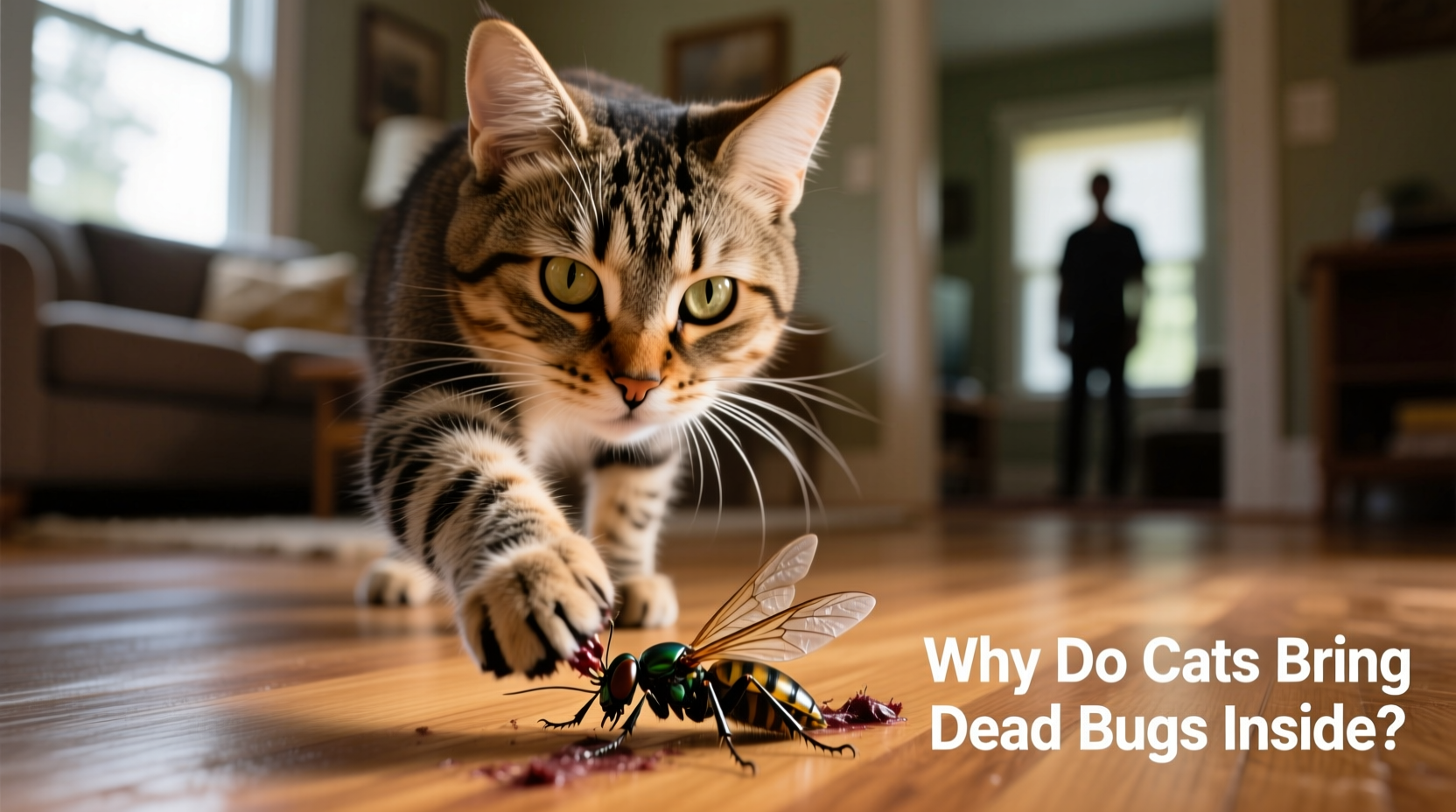
Cats are hardwired predators. Even domesticated cats retain the same hunting instincts as their wild ancestors. In the wild, survival depends on the ability to catch prey consistently. While modern house cats don’t need to hunt for food, their brains still operate on ancient programming. When a cat spots movement—whether it’s a fly, spider, or moth—their predatory sequence kicks in: stalk, chase, pounce, kill.
Bringing dead bugs inside is an extension of this instinct. The act of capturing prey is deeply satisfying to a cat, regardless of hunger. In fact, studies show that well-fed domestic cats will continue to hunt simply because the behavior is ingrained. According to Dr. John Bradshaw, a leading expert in feline behavior at the University of Bristol:
“Hunting in cats is not primarily driven by hunger. It’s a self-rewarding behavior. The more they do it, the more they want to repeat it.” — Dr. John Bradshaw, Feline Behavior Researcher
This explains why your cat might leave a dead beetle on your pillow despite having a full bowl of premium kibble nearby. The hunt itself is the reward—not the meal.
Is It a Gift? Decoding Your Cat’s Intentions
Many owners interpret dead bugs (or mice, birds, etc.) as “gifts” from their cats. While this may sound sentimental, there’s behavioral truth behind it. Cats often view their human families as part of their social group. In multi-cat households, experienced hunters sometimes bring prey to younger or less skilled cats to teach them. By extension, when your cat brings you a dead bug, they may be attempting to include you in this dynamic.
It’s possible your cat sees you as an inept hunter—someone who needs help learning how to survive. This isn’t a judgment; it’s a sign of inclusion. To your cat, sharing prey strengthens social bonds. They’re not trying to gross you out—they’re trying to care for you in the only way their instincts allow.
Environmental Triggers and Hunting Opportunities
The frequency with which your cat brings dead bugs inside often correlates with their environment. Indoor-outdoor cats have more access to insects, especially during warmer months. However, even strictly indoor cats may engage in this behavior if they spot flies, ants, or spiders inside the home.
Modern homes inadvertently create ideal hunting grounds. Lights attract nocturnal insects, windows offer viewing perches, and small crevices harbor hidden bugs. A cat lounging near a windowsill may spend hours observing insect traffic before launching a successful ambush.
Interestingly, research published in *Applied Animal Behaviour Science* found that cats living in homes with higher insect activity were significantly more likely to exhibit hunting-related behaviors, including retrieving dead prey indoors. This suggests that reducing indoor pests can indirectly reduce the number of “offerings” you receive.
Common Insects Targeted by House Cats
| Insect | Why It’s Targeted | Typical Season |
|---|---|---|
| Fruit Flies | Slow-moving, easy to catch | Summer/Fall |
| Moths | Erratic flight triggers chase instinct | Late Summer |
| Silverfish | Fast, ground-dwelling prey | Year-round (damp areas) |
| Spiders | Unpredictable movements excite interest | Spring/Fall |
| Ants | Rarely brought inside, but observed and batted | Spring/Summer |
What It Means for Your Cat’s Well-Being
Bringing dead bugs inside isn't just normal—it can be a sign of good mental health. Hunting satisfies a cat’s need for stimulation, problem-solving, and physical activity. In environments where enrichment is lacking, cats may become bored or stressed, leading to destructive behaviors like over-grooming or aggression.
When your cat successfully hunts and retrieves prey, it indicates they are physically capable, mentally alert, and behaviorally fulfilled. Rather than discouraging the behavior entirely, consider channeling it through interactive play. Wand toys, puzzle feeders, and motion-activated games mimic the hunt and provide a safe outlet for predatory energy.
“Cats that engage in natural behaviors like hunting—even symbolically—are less likely to develop anxiety-related issues.” — Dr. Sarah Wallace, Veterinary Ethologist
If your cat never shows interest in bugs or toys, it could signal underlying health concerns such as arthritis, vision loss, or depression. Always consult a veterinarian if there's a sudden change in activity level or behavior.
Mini Case Study: Luna the Apartment Cat
Luna, a three-year-old tabby living in a high-rise apartment, began leaving dead fruit flies on her owner’s laptop every few days. Initially, the owner was repulsed and tried to discourage the behavior with verbal reprimands. Over time, Luna became more secretive, hiding her catches under furniture.
After consulting a feline behaviorist, the owner learned that Luna wasn’t being malicious—she was seeking engagement. The behaviorist recommended daily 10-minute play sessions using a feather wand to simulate hunting. Within two weeks, Luna stopped leaving bugs on the laptop and instead focused her energy on toy-based “kills,” which she would proudly carry around before dropping them in her bed.
The case illustrates how understanding the root cause of a behavior leads to better solutions than punishment. Redirecting natural instincts fosters confidence and reduces household tension.
How to Respond: Practical Tips for Cat Owners
You don’t have to accept dead bugs as an inevitable part of cat ownership. With thoughtful strategies, you can manage the behavior while respecting your cat’s instincts.
Step-by-Step Guide: Reducing Dead Bug Deliveries
- Inspect your home for pest entry points. Seal cracks around windows, doors, and pipes to minimize insect access.
- Install fine mesh screens. These allow ventilation while blocking flying insects.
- Use yellow or LED bulbs outdoors. These attract fewer insects than white incandescent lights.
- Engage in daily interactive play. Mimic the hunt with toys that encourage stalking, pouncing, and “killing.”
- Provide alternative outlets. Puzzle feeders or treat-dispensing toys satisfy the mental challenge of hunting.
- Avoid toxic pesticides. Many are harmful to cats. Opt for pet-safe alternatives like diatomaceous earth (food grade) or sticky traps placed out of reach.
Do’s and Don’ts When Your Cat Brings a Dead Bug Inside
| Do | Don’t |
|---|---|
| Stay calm and thank your cat (verbally, if you wish) | Yell, scream, or punish the cat |
| Dispose of the bug discreetly | Force the cat to “see” the consequence (e.g., flushing it) |
| Offer praise and play afterward | Ignore the behavior completely without redirection |
| Use the moment to strengthen bonding | Blame yourself or think something’s wrong with your cat |
FAQ: Common Questions About Cats and Dead Bugs
Is it dangerous if my cat eats dead bugs?
Most common household insects like flies, moths, and ants are not toxic to cats. However, some bugs—like ladybugs, stink bugs, or those exposed to pesticides—can cause mild gastrointestinal upset. If your cat vomits or appears lethargic after eating a bug, contact your vet. Generally, occasional bug consumption is harmless.
Why does my cat bring bugs inside but not mice or birds?
Bugs are easier to transport and pose no threat. Larger prey like mice may be consumed on-site or left outside. Cats assess risk and effort. A tiny insect can be carried safely across thresholds, while a struggling mouse might be too unpredictable to bring indoors.
Can I train my cat to stop bringing bugs inside?
You can’t eliminate the instinct, but you can redirect it. Increase mental stimulation with scheduled play, use window perches with bird feeders outside (for visual hunting), and reduce indoor insect populations. Over time, your cat may choose toys over real prey.
Final Thoughts: Embracing the Wild Side of Your Pet
Your cat bringing dead bugs inside isn’t a flaw—it’s a testament to their evolutionary brilliance. These small acts connect them to millions of years of feline history, where survival depended on sharp senses and precise action. What might seem like a quirky nuisance is actually a window into your cat’s mind.
Instead of viewing the behavior as gross or inconvenient, consider it an opportunity. It invites us to appreciate our pets not just as cuddly companions, but as complex creatures with rich inner lives. By responding with empathy and insight, we honor their nature while maintaining a clean and harmonious home.
“The best relationships with cats come not from changing them, but from understanding them.” — Jackson Galaxy, Cat Behaviorist & TV Host




 浙公网安备
33010002000092号
浙公网安备
33010002000092号 浙B2-20120091-4
Comments
No comments yet. Why don't you start the discussion?