
Every holiday season brings joy, family gatherings, and festive decorations — including twinkling Christmas lights. But for cat owners, that sparkle often comes with anxiety. If you’ve ever caught your feline companion gnawing on a power cord or batting at dangling wires, you’re not alone. Thousands of pet owners face this same concern each December. While it might seem like playful mischief, chewing on electrical cords poses serious risks: electrocution, burns, fire hazards, and even death.
Understanding why cats are drawn to these hazardous strings is the first step toward protecting both your pet and your home. More importantly, knowing how to effectively deter the behavior can turn a potentially dangerous tradition into a safe and joyful celebration.
The Feline Fascination with Wires
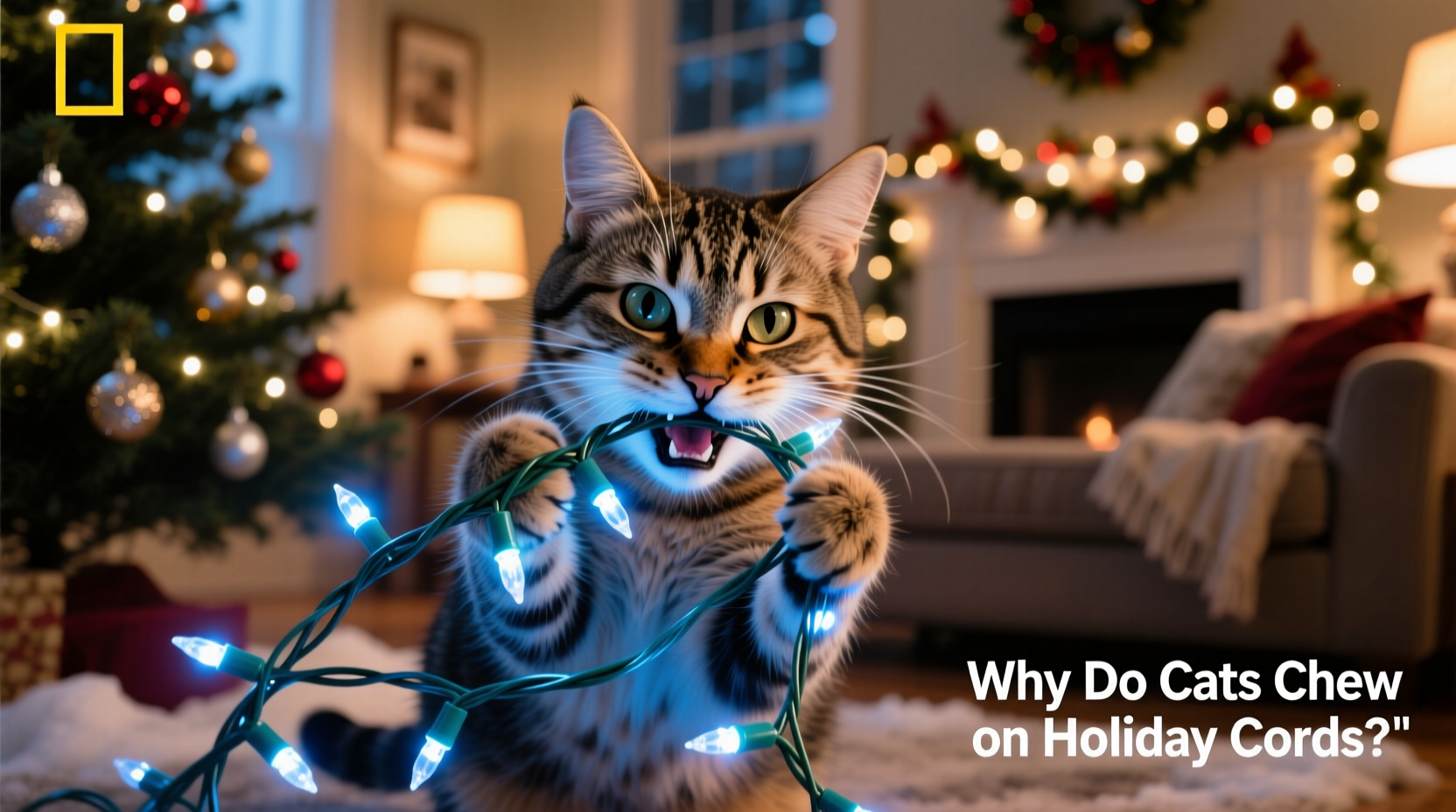
Cats don’t chew on Christmas light cords out of malice or spite. Their behavior stems from natural instincts, sensory curiosity, and environmental triggers. To address the issue, we must first understand what drives it.
Instinctual Hunting Behavior: Cats are hardwired predators. The movement of hanging cords, especially when shifted by air currents or paw swats, mimics the motion of prey like snakes or insects. This triggers their chase-and-bite reflex, even in well-fed domesticated animals.
Sensory Appeal: Electrical cords emit faint vibrations and low-frequency hums from the current running through them. Some experts believe cats can feel these subtle pulses through their paws or teeth, making the cords oddly stimulating. The texture of plastic-coated wires also resembles the resistance of small animal tendons, adding to their tactile appeal.
Teething and Oral Exploration: Younger cats and kittens explore the world through their mouths, much like human babies. Chewing helps relieve gum discomfort during teething and allows them to learn about object consistency and taste.
Boredom and Lack of Stimulation: A cat left alone for long periods without toys, climbing structures, or interaction may resort to destructive behaviors. Holiday decorations, especially novel ones like lights, become irresistible targets simply because they’re new and accessible.
“Cats are neophilic — they’re naturally attracted to new objects in their environment. That’s why Christmas trees and lights are so appealing, but also so risky.” — Dr. Sarah Jameson, DVM, Feline Behavior Specialist
Dangers of Cord Chewing: What’s at Stake
The consequences of allowing a cat to chew on electrical cords extend far beyond damaged decorations. These risks are real and potentially life-threatening:
- Electrocution: Even low-voltage holiday lights carry enough current to cause electric shock. Symptoms include sudden yelping, drooling, paw tremors, difficulty breathing, or collapse.
- Oral Burns: The mouth’s moist tissue conducts electricity efficiently, leading to severe burns on the tongue, palate, and lips. These injuries can require surgery and long-term feeding support.
- Internal Damage: Current passing through the body can damage the heart, lungs, and nervous system. Secondary pneumonia is common after electric shock due to fluid buildup in the lungs.
- Fire Hazard: Damaged insulation can spark, ignite nearby materials (like dry Christmas trees), or overload circuits.
- Toxic Ingestion: While rare, some older cords contain lead or phthalates in the plastic coating. Ingesting fragments can lead to poisoning.
Proven Strategies to Deter Cord Chewing
Preventing access and redirecting behavior are key. The most effective approach combines physical barriers, environmental enrichment, and consistent training.
1. Conceal and Protect Cords
Making cords inaccessible is the single most effective deterrent. Use one or more of the following methods:
- Cord Covers: Rigid spiral wrap tubing or soft fabric sleeves physically block access and reduce visual appeal.
- Baseboard Routing: Run cords along baseboards using adhesive clips, then cover with flat raceways painted to match the wall.
- Furniture Placement: Position the tree and lights against a wall, minimizing exposed cords. Use furniture to block off areas beneath the tree.
- Unplug When Unattended: Turn off and unplug lights whenever no one is in the room. This eliminates both risk and temptation.
2. Use Taste Deterrents
Bitter sprays can make cords unpalatable without harming your cat. Look for pet-safe formulas containing denatonium benzoate (the bitterest known compound).
Test the spray on a small section first to ensure it doesn’t discolor the cord. Reapply every few days, especially after dusting or cleaning, as effectiveness diminishes over time.
3. Increase Environmental Enrichment
A stimulated cat is less likely to engage in destructive behavior. Provide alternatives that satisfy hunting and chewing urges:
- Interactive wand toys that mimic snake-like movements
- Chew-safe cat grass or dental chews approved by veterinarians
- Puzzle feeders that dispense treats when batted or nudged
- Vertical spaces like cat shelves or perches near windows
4. Train with Positive Reinforcement
Redirect, don’t punish. When you catch your cat approaching cords:
- Clap hands or say “Hey!” to interrupt without startling.
- Immediately offer an acceptable toy or treat.
- When they engage with the alternative, praise quietly and reward.
Over time, your cat learns that positive outcomes come from playing with appropriate items, not cords.
Step-by-Step Guide: Cat-Proofing Your Holiday Lights
Follow this timeline to secure your home before the holidays begin:
| Week | Action Step | Goal |
|---|---|---|
| 1 | Inspect all light sets for frayed wires or exposed conductors. | Ensure cords are safe even before cat exposure. |
| 2 | Install cord covers or raceways along intended routes. | Make wiring invisible or unappealing. |
| 3 | Set up the tree (unlit) and observe cat behavior for 48 hours. | Detect early interest or climbing attempts. |
| 4 | Introduce lights briefly while supervising; apply deterrent spray. | Begin conditioning with immediate redirection. |
| Ongoing | Provide daily play sessions and rotate toys weekly. | Reduce novelty-seeking and boredom. |
Checklist: Cat-Safe Holiday Lighting
Use this checklist to ensure your setup is secure:
- ✅ All cords run through protective tubing or enclosed channels
- ✅ No loose loops or dangling ends within paw reach
- ✅ Tree is anchored securely to prevent tipping
- ✅ Lights are unplugged when no one is present
- ✅ Bitter deterrent applied and reapplied weekly
- ✅ Alternative toys and activities available nearby
- ✅ Emergency vet contact posted visibly
Real Example: How One Family Prevented Disaster
The Thompson family had always loved elaborate outdoor-style lights indoors. When their young Bengal cat, Milo, began chewing on the garland of mini-lights two years ago, they didn’t think much of it — until they found him convulsing beside the tree after a loud pop.
Rushed to the emergency clinic, Milo survived but required three days of oxygen therapy and pain management for oral burns. The experience was traumatic for both cat and owners.
This year, they took prevention seriously. They installed snap-together cord channels painted white to blend with the baseboard, used a bitter apple spray on any exposed connectors, and set up a timed outlet that only powers the lights during evening family hours. They also introduced a daily 10-minute feather toy routine to redirect Milo’s predatory energy.
So far, zero incidents — and a much more peaceful holiday.
FAQ: Common Questions About Cats and Cords
Can I train an older cat to stop chewing cords?
Yes. While younger cats are more prone due to teething and curiosity, older cats can still learn new behaviors through consistent redirection and environmental management. It may take longer, but patience and positive reinforcement yield results.
Are LED lights safer than incandescent ones?
LEDs generate less heat and often operate at lower voltages, reducing burn risk and fire potential. However, they still carry electrical current and pose electrocution danger if chewed. Safety depends more on physical protection than bulb type.
Is it okay to use double-sided tape or aluminum foil around the tree base?
Yes, as temporary deterrents. Most cats dislike the texture of sticky tape or crinkly foil underfoot. These can help keep cats away from the tree area, but should be combined with other strategies for full protection.
Conclusion: A Safer, Happier Holiday
The allure of Christmas lights to a curious cat is understandable — but never worth the risk. By recognizing the instinctual drivers behind cord chewing and implementing practical, humane deterrents, you can enjoy the season’s glow without fear.
Start early, stay consistent, and remember: the goal isn’t just to protect your decorations, but to safeguard a beloved family member. With thoughtful planning, your home can be both festive and feline-friendly.




 浙公网安备
33010002000092号
浙公网安备
33010002000092号 浙B2-20120091-4
Comments
No comments yet. Why don't you start the discussion?