
Every year, as families gather to decorate their homes for the holidays, a familiar hazard emerges: the shimmering, tempting strands of Christmas tree lights. For many cat owners, this festive season comes with an added layer of anxiety—watching their curious feline investigate, bat at, or worse, chew on electrical cords. This behavior isn’t just annoying; it’s dangerous. Chewing on live wires can lead to burns, electric shock, or even fatal injuries. Understanding why cats are drawn to these cords—and how to effectively deter them—is essential for a safe and joyful holiday season.
Why Cats Are Drawn to Christmas Tree Wires
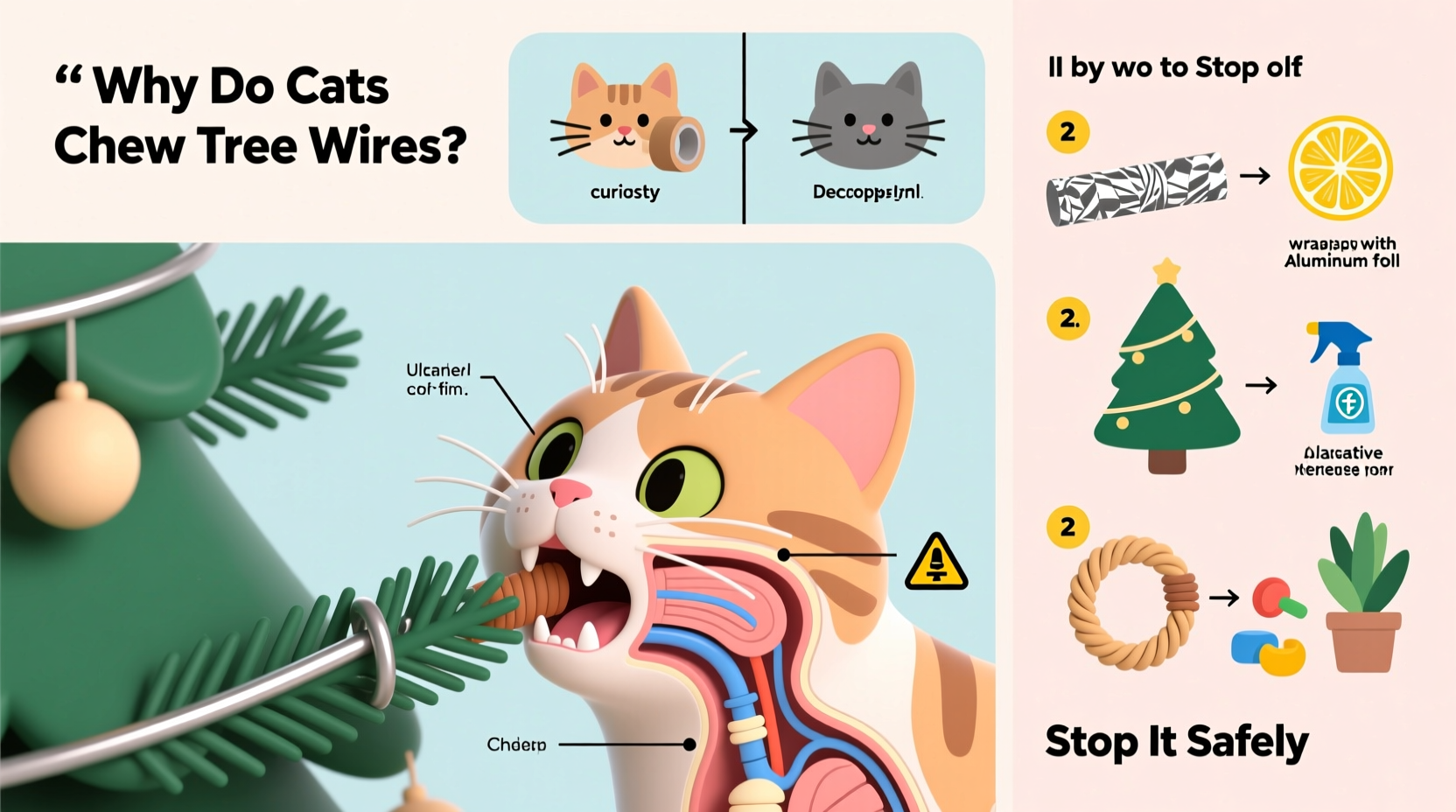
Cats don’t chew on wires out of malice or spite. Their behavior is rooted in natural instincts, sensory curiosity, and developmental habits. The reasons behind this seemingly risky behavior are more complex than simple mischief.
One primary factor is **teething**, especially in kittens under six months old. Just like human babies, young cats experience discomfort as their adult teeth emerge. Chewing provides soothing pressure on sore gums, making any dangling cord—including Christmas lights—a perfect target.
For older cats, the attraction lies in **movement and texture**. The thin, flexible strands of wire mimic the motion of prey when swayed by air currents or pawed at. Combined with the soft plastic coating, which feels satisfying to bite, these cords become irresistible playthings. The blinking lights may also trigger a cat’s predatory reflex, drawing them in like fireflies in the dark.
Additionally, cats explore the world through their mouths. Their sense of taste and touch is highly developed, and they often use chewing as a way to investigate unfamiliar objects. A new decoration like a lit-up tree suddenly appearing in their space becomes an object of intense scrutiny—one that happens to carry a hazardous current.
The Hidden Dangers of Cord Chewing
While the image of a cat gently nibbling a wire might seem harmless, the risks are severe and immediate. Electrical cords carry live current, and even low-voltage holiday lights can deliver a dangerous shock.
- Oral burns: When a cat bites into a live wire, electricity can arc through the mouth, causing serious burns to the tongue, palate, and lips.
- Lung damage: Electric shock can lead to fluid buildup in the lungs (pulmonary edema), which may not appear until hours after the incident.
- Cardiac arrest: In extreme cases, the current can disrupt heart rhythm, leading to sudden cardiac failure.
- Fire hazards: Damaged wires can overheat, posing a risk of igniting nearby dry trees or decorations.
According to the American Veterinary Medical Association (AVMA), household electrical injuries are among the top preventable causes of emergency vet visits during the winter months. Many incidents go unreported because symptoms appear delayed, leaving owners unaware of the initial cause.
“Even a brief chew on a live wire can result in life-threatening complications. Immediate veterinary evaluation is crucial—even if the cat seems fine afterward.” — Dr. Laura Bennett, DVM, Emergency Feline Medicine Specialist
Proven Strategies to Stop Cats from Chewing Wires
Preventing wire chewing requires a multi-layered approach. Relying solely on punishment or distraction rarely works. Instead, focus on environmental management, deterrents, and redirection.
1. Conceal and Protect Cords
The most effective method is to make wires inaccessible. Use cord covers, conduit tubing, or raceways to encase all visible wiring. These hard plastic channels prevent access while maintaining a clean aesthetic.
Alternatively, route cords along baseboards, behind furniture, or under rugs designed for cable management. Avoid running wires across open floor spaces where cats can pounce or tug.
2. Use Taste Deterrents
Bitter-tasting sprays specifically formulated for pets can discourage chewing. Look for products labeled as safe for use around animals, such as bitter apple or citrus-based repellents. Always test on a small section first to ensure it doesn’t damage the wire coating.
Apply the spray liberally along the length of exposed cords, reapplying every few days or after cleaning. Keep in mind that some cats may become habituated to the taste over time, so rotate deterrent types periodically.
3. Provide Alternative Stimulation
A bored cat is more likely to seek out novel activities—including destructive ones. Increase mental and physical enrichment with puzzle feeders, climbing shelves, and interactive toys. Rotate toys weekly to maintain interest.
Introduce chew-safe alternatives like dental health sticks or rubber teething toys, especially for younger cats. While adult cats don’t typically “chew” for oral relief, kittens may benefit from soft, food-grade silicone toys designed for gnawing.
4. Employ Motion-Activated Deterrents
Devices that emit a harmless burst of air or sound when movement is detected can condition cats to avoid certain areas. Place an air diffuser near the tree base to startle the cat upon approach. Over time, they learn to associate the tree zone with discomfort and stay away.
These tools work best when used consistently during the first few days of tree setup, establishing boundaries early.
Step-by-Step Guide to Cat-Proofing Your Christmas Tree
Protecting both your pet and your decorations doesn’t have to be complicated. Follow this timeline to create a secure holiday environment.
- Week 1: Plan Placement
Set up the tree in a low-traffic area away from furniture your cat can jump from. Avoid corners that allow behind-the-tree access. - Day of Setup: Secure the Tree
Anchor the trunk to a wall bracket or ceiling hook to prevent tipping if climbed. - During Decoration: Hide Wires
Use cord organizers or fabric sleeves to bundle and conceal all electrical lines. Plug into a power strip placed out of reach. - After Setup: Apply Deterrents
Spray cords with pet-safe bitter solution. Place aluminum foil or double-sided tape around the tree skirt—textures most cats dislike. - Ongoing: Monitor and Redirect
Supervise initial interactions. If your cat approaches the tree, redirect with a toy or treat to a designated play zone.
Do’s and Don’ts of Managing Cat-Wire Interactions
| Do’s | Don’ts |
|---|---|
| Use hard plastic cord covers | Leave wires exposed or loosely draped |
| Apply pet-safe bitter sprays | Use human-grade repellents like hot sauce (can harm cats) |
| Provide alternative toys and perches | Punish your cat after chewing (causes fear, not learning) |
| Unplug lights when unsupervised | Rely only on verbal corrections |
| Inspect cords daily for damage | Assume LED lights are completely safe (they still carry current) |
Real Example: How One Family Prevented a Holiday Emergency
The Thompson family in Portland welcomed a new kitten, Milo, just before Thanksgiving. Excited to include him in their traditions, they set up their artificial tree—but within hours, Milo was batting at the twinkling lights.
On day three, they caught him chewing a frayed section of the light string. Concerned, they unplugged everything and consulted their veterinarian. Following the vet’s advice, they took several steps:
- Bought a rigid cord protector kit and rerouted all wiring inside it.
- Moved Milo’s favorite climbing tower across the room to reduce temptation.
- Introduced a timed outlet that turned lights on only during evening family time.
- Used a motion-activated air canister near the tree for the first week.
Within five days, Milo lost interest. By Christmas Eve, he passed by the tree without a glance. The family credited early intervention and consistency for avoiding a potential tragedy.
Frequently Asked Questions
Can I use aluminum foil to keep my cat away from the tree?
Yes. Most cats dislike the texture and sound of foil under their paws. Lay strips around the tree stand or place crumpled balls nearby as a barrier. Remove once your cat learns to avoid the area.
Are battery-operated lights safer than plug-in ones?
They eliminate the risk of electric shock, making them a safer choice—especially for kittens or persistent chewers. However, ingesting battery components is also dangerous, so ensure battery compartments are securely closed and out of reach.
Will my cat eventually leave the wires alone?
Some cats lose interest as they mature, but others remain curious throughout life. Assuming your cat will “figure it out” is risky. Consistent prevention is always better than reactive treatment.
Final Thoughts: Safety First, Joy Always
The holiday season should be a time of warmth and connection—not stress and danger. Cats are naturally curious, and their fascination with Christmas trees is a testament to their intelligence and playfulness. But that curiosity must be managed responsibly.
By understanding the root causes of wire chewing and implementing practical, humane solutions, you can protect your pet while preserving the magic of the season. Prevention isn’t about restricting your cat; it’s about guiding their environment toward safety and enrichment.




 浙公网安备
33010002000092号
浙公网安备
33010002000092号 浙B2-20120091-4
Comments
No comments yet. Why don't you start the discussion?