
Cats are masters of stealth. One moment they're curled up on your lap, the next they've vanished into a closet, under the bed, or behind the couch. While this behavior can seem mysterious—or even concerning—it’s deeply rooted in feline instincts. Hiding is not always a sign of fear or illness; for cats, it's often a natural response to their environment, emotions, and evolutionary survival mechanisms. Understanding why cats hide allows pet owners to respond appropriately, ensuring their cats feel safe, secure, and supported.
The Evolutionary Roots of Hiding
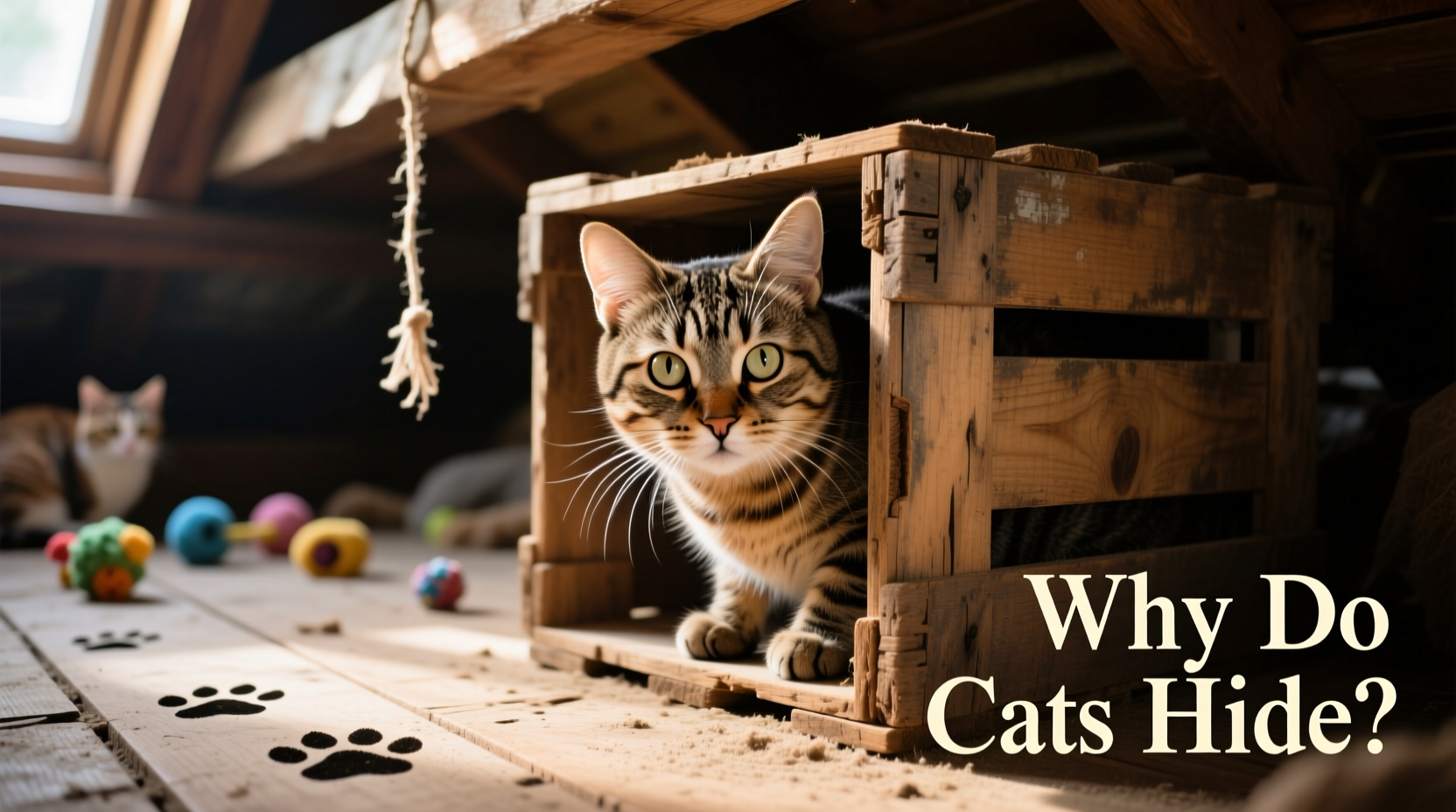
In the wild, cats are both predators and prey. Though skilled hunters, small felines like domestic cats are vulnerable to larger animals when exposed. This duality has shaped their instinct to seek shelter when uncertain, threatened, or unwell. Unlike social animals that rely on group protection, cats are solitary survivors who depend on concealment to avoid danger.
Even well-fed, indoor cats retain these instincts. A sudden noise, unfamiliar visitor, or change in routine can trigger an ancestral response: retreat and observe from a hidden vantage point. This behavior isn’t defiance or shyness—it’s self-preservation.
“Hiding is one of the most fundamental coping strategies in cats. It’s not misbehavior; it’s biology.” — Dr. Sarah Bennett, Feline Behavior Specialist
Common Triggers for Hiding Behavior
Cats don’t hide arbitrarily. Specific environmental or emotional stimuli often prompt withdrawal. Recognizing these triggers helps owners create a more cat-friendly home.
- Loud noises: Thunderstorms, vacuum cleaners, or fireworks can overwhelm a cat’s sensitive hearing.
- New people or pets: Introductions to guests, babies, or other animals may cause stress-induced hiding.
- Changes in routine: Moving furniture, renovations, or altered feeding schedules disrupt a cat’s sense of security.
- Veterinary visits: The smell of the clinic or carrier can linger, making cats feel vulnerable at home.
- Illness or pain: Cats instinctively conceal weakness. A prolonged or sudden change in hiding habits may signal underlying health issues.
When Hiding Becomes a Red Flag
Occasional hiding is normal. But persistent or abrupt changes in behavior warrant attention. A cat that once greeted you at the door but now spends days under the bed may be experiencing physical discomfort or emotional distress.
Monitor for additional signs such as:
- Loss of appetite or decreased water intake
- Avoidance of the litter box
- Excessive grooming or lack of grooming
- Vocalizations, aggression, or lethargy
If hiding coincides with any of these symptoms, consult a veterinarian promptly. Conditions like urinary tract infections, arthritis, dental disease, or hyperthyroidism often manifest through behavioral shifts before obvious physical signs appear.
Case Study: Luna’s Sudden Withdrawal
Luna, a 7-year-old domestic shorthair, began hiding under the guest bathroom sink after her family returned from vacation. Her owner initially assumed she was stressed by the travel carrier. However, when Luna stopped eating and avoided her usual sunny perch, a vet visit revealed early-stage kidney disease. Once treated, Luna gradually resumed her normal routine. Her case illustrates how hiding can be an early warning system—provided owners are attentive.
Creating a Safe Environment to Reduce Stress
You can’t eliminate all stressors, but you can minimize them and provide secure retreats. A well-designed environment respects a cat’s need for control and observation.
Step-by-Step Guide to Cat-Proofing Your Home
- Identify current hiding spots: Note where your cat goes when anxious. These areas should remain accessible and undisturbed.
- Add vertical space: Install shelves or cat trees near windows. Elevated perches offer safety and stimulation.
- Create designated hideaways: Use covered beds, cardboard boxes, or fabric tunnels in quiet areas.
- Maintain routines: Feed, play, and clean the litter box at consistent times each day.
- Introduce changes gradually: When bringing in new pets or furniture, allow slow acclimation with scent swapping and supervised interactions.
| Hiding Cause | Do | Don't |
|---|---|---|
| New kitten in household | Use pheromone diffusers; separate spaces initially | Force interaction or handle excessively |
| Construction noise | Provide soundproofed room with familiar bedding | Yell or pull cat from hiding spot |
| Post-vet anxiety | Offer treats and gentle reassurance | Wash carrier immediately (scent provides comfort) |
Supporting Your Cat During Transitions
Life changes—moving homes, adding family members, or even seasonal shifts—affect cats more than many realize. Their reliance on environmental predictability means disruptions require thoughtful management.
Feliway diffusers, which mimic calming facial pheromones, have been clinically shown to reduce stress-related behaviors in 70% of cases over four weeks. Pairing such tools with enriched environments—including puzzle feeders, scratching posts, and daily interactive play—can significantly improve emotional resilience.
Checklist: Signs Your Cat’s Hiding Is Normal vs. Concerning
- ✅ Hides briefly after loud noise but returns within hours
- ✅ Chooses cozy spots with clear escape routes
- ✅ Maintains regular eating, grooming, and litter use
- ❌ Hides for more than 24 hours without emerging
- ❌ Shows signs of pain (hunched posture, limping)
- ❌ Aggressively resists handling or hisses unexpectedly
Frequently Asked Questions
Is it bad to let my cat hide?
No—allowing your cat to hide when stressed is essential. Forcing them out increases fear and damages trust. Instead, ensure their hiding place is safe and monitor duration and associated behaviors.
How long is too long for a cat to hide?
If your cat hides for more than 24–48 hours, especially with reduced eating or litter box use, it’s time to investigate further. Prolonged isolation often indicates illness or severe anxiety.
Should I try to comfort a hiding cat?
Speak softly and leave familiar-smelling items (like a worn shirt) nearby. Avoid reaching in or pulling them out. Offer high-value treats at the entrance to encourage voluntary engagement.
Conclusion: Respecting the Hidden Life of Cats
Understanding why cats hide transforms concern into compassion. What may look like aloofness or fear is often a calculated response to an unpredictable world. By recognizing hiding as a valid coping mechanism—not a flaw—you foster deeper trust and emotional safety. Observe without pressure, act without force, and provide spaces where your cat feels seen yet unseen. In doing so, you honor the quiet dignity of their nature.




 浙公网安备
33010002000092号
浙公网安备
33010002000092号 浙B2-20120091-4
Comments
No comments yet. Why don't you start the discussion?