
Cats are creatures of habit, ritual, and subtle communication. One of the most endearing and frequently observed behaviors is kneading—when a cat rhythmically pushes its front paws in and out against a soft surface like a blanket, pillow, or even your lap. Often accompanied by purring, half-closed eyes, and an expression of pure contentment, this act seems almost meditative. But what lies beneath this seemingly simple gesture? Why do cats knead blankets before lying down? The answer stretches back to kittenhood, intertwines with survival instincts, and reveals much about a cat’s emotional state.
Kneading isn’t random. It’s deeply rooted in biology, comfort, and territory. Understanding this behavior not only deepens the bond between cat and caregiver but also helps interpret a cat’s mood, needs, and sense of security. From evolutionary origins to modern-day expressions of affection, the act of kneading tells a rich story.
The Origins: Kneading as a Survival Instinct
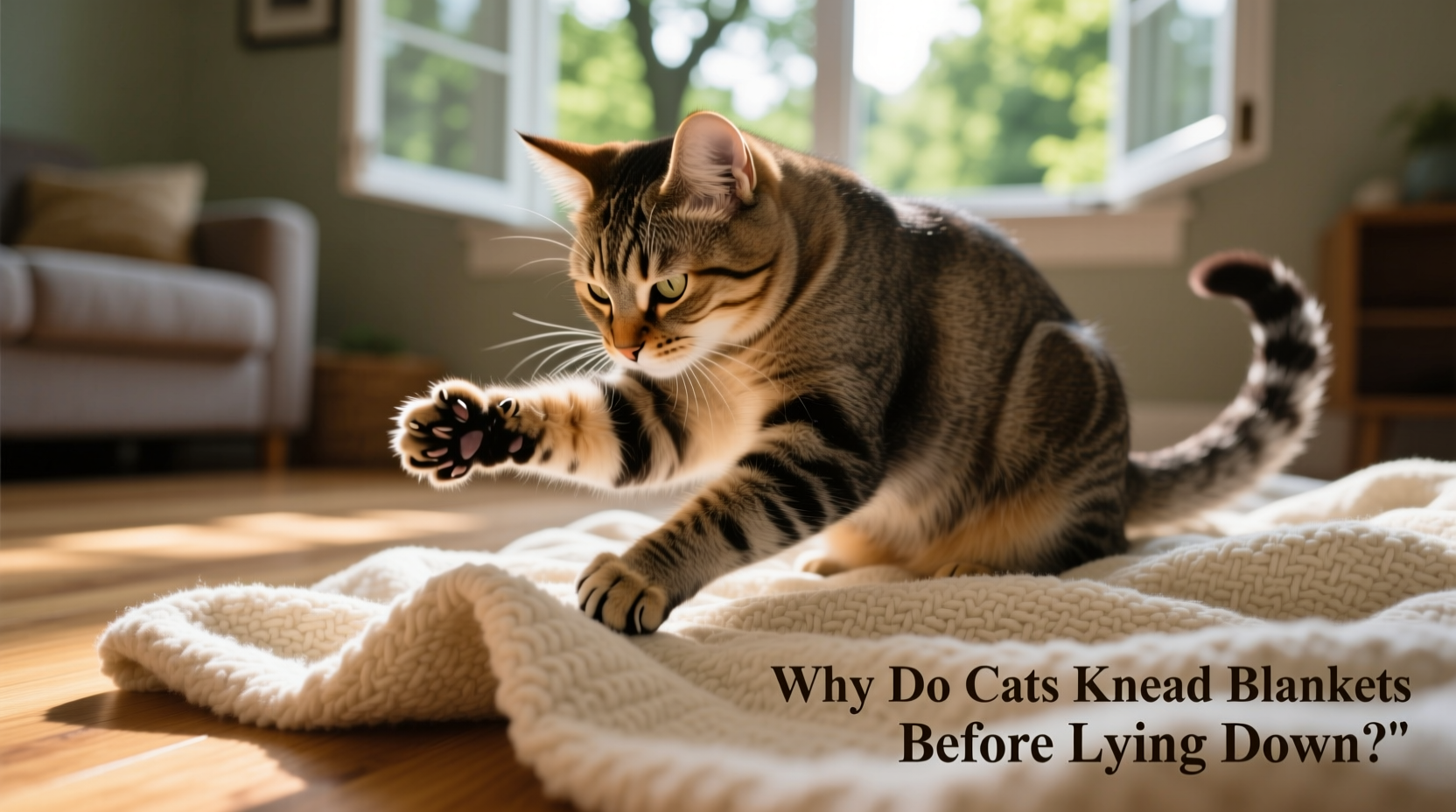
The roots of kneading trace back to the earliest days of a cat’s life. Newborn kittens instinctively knead their mother’s mammary glands to stimulate milk flow during nursing. This motion increases blood circulation in the mother’s tissue, encouraging the release of milk. For the kitten, it’s a matter of survival—kneading equals nourishment.
This early association creates a powerful neural link between kneading and feelings of warmth, safety, and satisfaction. Even as adult cats grow independent, they retain this behavior, often triggering it when they feel relaxed or emotionally secure. The rhythmic pressing becomes a self-soothing mechanism, much like a human might rock gently or twirl their hair when calm.
“Kneading is a throwback to infancy, but in adult cats, it’s a clear sign of emotional well-being. It’s one of the few behaviors that bridges the gap between vulnerability and trust.” — Dr. Lydia Ryan, Feline Behavior Specialist
Because the behavior is tied so closely to nursing, some cats may suckle on the fabric they’re kneading—especially if they were weaned early. This combination of kneading and suckling reinforces the connection to early nurturing experiences.
Emotional Comfort and Stress Relief
In adulthood, kneading serves as more than a nostalgic reflex—it functions as a method of emotional regulation. Cats are highly sensitive to environmental stressors: changes in routine, new pets, loud noises, or unfamiliar people can all trigger anxiety. When a cat begins to knead, it’s often preparing to settle into a state of rest, using the motion to calm its nervous system.
The repetitive action releases endorphins, the body’s natural “feel-good” chemicals. This explains why many cats purr while kneading—the two behaviors often occur together as part of a relaxation sequence. A cat that kneads before lying down is essentially creating a personal comfort ritual, similar to how a person might fluff their pillow or adjust their blanket before sleep.
Interestingly, cats who were orphaned or bottle-fed as kittens may knead more frequently or intensely. Without the full nursing experience, they may seek to recreate the sensation throughout life as a way to self-soothe.
Territory Marking: Scent Communication
Cats possess scent glands in multiple areas of their body—including their paw pads. When a cat kneads a surface, it deposits pheromones, effectively marking the object or area as part of its safe zone. This is a form of passive territorial signaling, not aggression. By leaving their scent, cats create an olfactory map of familiarity.
When a cat kneads a blanket before lying down, it’s not just getting comfortable—it’s claiming the space. This behavior is especially common in multi-cat households, where each cat may knead favorite spots to reinforce ownership. It’s also why cats often prefer certain blankets, furniture corners, or laps—they’ve marked them as “safe” through repeated scent deposition.
This territorial aspect also explains why some cats knead new objects immediately upon encountering them. It’s a way of integrating the item into their personal environment, reducing uncertainty through familiar sensory input.
How Scent Glands Influence Kneading Behavior
| Scent Gland Location | Purpose | Role in Kneading |
|---|---|---|
| Paw Pads | Mark territory via walking and pressing | Primary source of scent during kneading |
| Face (cheeks, chin) | Rubbing to mark objects and humans | Often combined with kneading for full comfort routine |
| Base of Tail | Marking vertical surfaces | Not involved in kneading, but part of broader marking behavior |
This table highlights how different gland locations serve distinct purposes. During kneading, the paw pads are the key players, embedding a subtle chemical signature that reassures the cat of its surroundings.
Preparing the Nest: Evolutionary Bed-Making
Long before domestication, wild ancestors of today’s house cats would prepare resting spots by trampling down grass, leaves, or snow. This served practical purposes: flattening uneven terrain, checking for hidden threats (like insects or snakes), and shaping a cozy depression for sleeping. Kneading mimics this nest-building behavior.
Even though modern cats sleep on plush beds or heated mats, the instinct remains. Pressing into a blanket replicates the tamping-down process, ensuring the surface feels secure and supportive. This is particularly noticeable in outdoor or formerly stray cats, who may knead more vigorously as a holdover from survival-based habits.
In this context, kneading before lying down is not just emotional—it’s functional. The cat is performing a final safety check, both physically and psychologically, before committing to rest. Vulnerability during sleep requires confidence in one’s environment, and kneading helps establish that confidence.
Step-by-Step: What Happens When a Cat Kneads Before Resting
- Approach: The cat moves toward a preferred resting spot, often sniffing or circling first.
- Initial Press: Begins pushing front paws into the surface, alternating left and right.
- Scent Deposition: Paw glands release pheromones onto the fabric.
- Texture Assessment: Evaluates softness and support, adjusting pressure as needed.
- Relaxation Sequence: Purring often starts; body tension decreases.
- Lying Down: Once satisfied, the cat curls up, often tucking its paws under its body.
This sequence illustrates how kneading is integrated into a larger behavioral pattern focused on safety and comfort. Skipping this step—such as when a cat falls asleep suddenly—may indicate extreme fatigue or trust in the environment.
Signs of Affection and Bonding
When a cat chooses to knead on a person’s lap, it’s one of the highest forms of feline compliment. This act signifies deep trust. By exposing its vulnerable underside and engaging in a baby-like behavior, the cat is communicating that it feels completely safe with you.
Many owners report that their cats only knead specific family members—usually those who provide food, grooming, or consistent affection. The behavior is selective, not indiscriminate. If your cat kneads you, consider it a quiet declaration of love.
However, sharp claws can make this gesture painful. Some cats don’t retract their nails while kneading, leading to discomfort for the human recipient. Trimming claws regularly or placing a thick blanket between the cat and your legs can help maintain the bonding moment without the sting.
Mini Case Study: Luna, the Anxious Rescue Cat
Luna, a three-year-old tabby, was rescued from a hoarding situation. Initially, she was skittish, avoided touch, and slept only in dark, enclosed spaces. Her caregivers introduced a soft wool blanket and gently encouraged her to explore common areas.
After six weeks, Luna began approaching the living room couch. One evening, she climbed onto her owner’s lap, sniffed, then slowly began to knead the edge of a cotton throw. She purred softly, closed her eyes, and eventually fell asleep—a first in her new home.
Over time, Luna started kneading daily, always on the same blanket. Her caregivers realized this was her way of claiming safety. The blanket became a transitional object, helping her manage stress during household changes. Today, Luna is confident and affectionate, but still kneads every time before settling down—her personal ritual of peace.
Luna’s story shows how kneading can evolve from a survival reflex into a measurable indicator of emotional healing.
When Kneading Might Signal a Problem
While kneading is typically healthy, sudden changes in frequency or intensity can signal underlying issues. Excessive kneading—lasting more than 20 minutes at a time, occurring dozens of times per day, or causing fur loss from over-grooming afterward—may indicate anxiety, cognitive dysfunction (especially in senior cats), or medical discomfort.
Similarly, if a cat that never kneaded suddenly begins doing so obsessively, it’s worth consulting a veterinarian. Pain, hyperthyroidism, or neurological conditions can manifest through altered behavior patterns.
Also, avoid punishing a cat for kneading. Since it’s an instinctive, emotionally driven act, scolding can damage trust and increase stress. Instead, redirect the behavior gently with appropriate surfaces and positive reinforcement.
Checklist: Is Your Cat’s Kneading Normal?
- ✅ Occurs during relaxed moments (before napping, during petting)
- ✅ Lasts a few seconds to several minutes
- ✅ Accompanied by purring or slow blinking
- ✅ Limited to soft, pliable surfaces
- ✅ Does not cause injury to the cat or destruction of property
- ❌ Occurs constantly, even during activity or eating
- ❌ Leads to bleeding, torn fabric, or aggressive swatting
- ❌ Paired with vocalization, restlessness, or hiding
If most checked items are positive, your cat’s kneading is likely normal. If red flags appear, consider a veterinary consultation.
Frequently Asked Questions
Do all cats knead?
No, not all cats knead. While it’s common, some cats never develop the behavior. This doesn’t mean they’re less happy or bonded—it simply reflects individual personality or early life experiences. Cats that were separated from their mothers too early or experienced trauma may skip the behavior altogether.
Why does my cat drool when kneading?
Drooling during kneading is usually a sign of deep relaxation and strong positive association with nursing. It’s harmless and often seen in cats who are extremely content. However, if drooling occurs outside of kneading or is excessive, consult a vet to rule out dental or oral issues.
Can I stop my cat from kneading?
You shouldn’t try to stop it entirely, as it’s a natural, comforting behavior. However, you can manage it by providing acceptable surfaces (like thick blankets or pet beds) and keeping claws trimmed. Avoid declawing, which is painful and unethical—opt for nail caps or regular clipping instead.
Conclusion: Embracing the Rhythm
Kneading is far more than a quirky habit—it’s a window into a cat’s inner world. It speaks of comfort, memory, and trust. When a cat presses its paws into a blanket before lying down, it’s reenacting a lifelong script written in instinct and emotion. It’s preparing its space, calming its mind, and reaffirming its place in a world it deems safe.
Understanding this behavior allows us to respond with empathy rather than annoyance. Instead of pushing away a kneading cat or discouraging the act, we can welcome it as a gift—a silent testament to the bond we’ve built. Provide soft surfaces, respect their rituals, and recognize the profound significance behind those gentle, rhythmic pushes.




 浙公网安备
33010002000092号
浙公网安备
33010002000092号 浙B2-20120091-4
Comments
No comments yet. Why don't you start the discussion?