
Cats are full of quirks, but few behaviors are as endearing — or as puzzling — as kneading. You’ve likely seen it: your cat rhythmically pressing its paws into a soft surface, often while purring, half-closed eyes, and sometimes even drooling. This motion mimics the way kittens stimulate milk flow from their mother’s belly during nursing. But why do adult cats continue this behavior long after they’ve weaned?
The answer lies in a blend of instinct, emotion, and comfort. Kneading isn’t random; it’s deeply rooted in feline psychology and serves multiple purposes throughout a cat’s life. Understanding this behavior can deepen the bond between you and your pet, helping you appreciate what your cat is trying to communicate.
The Origins of Kneading: A Kittenhood Reflex
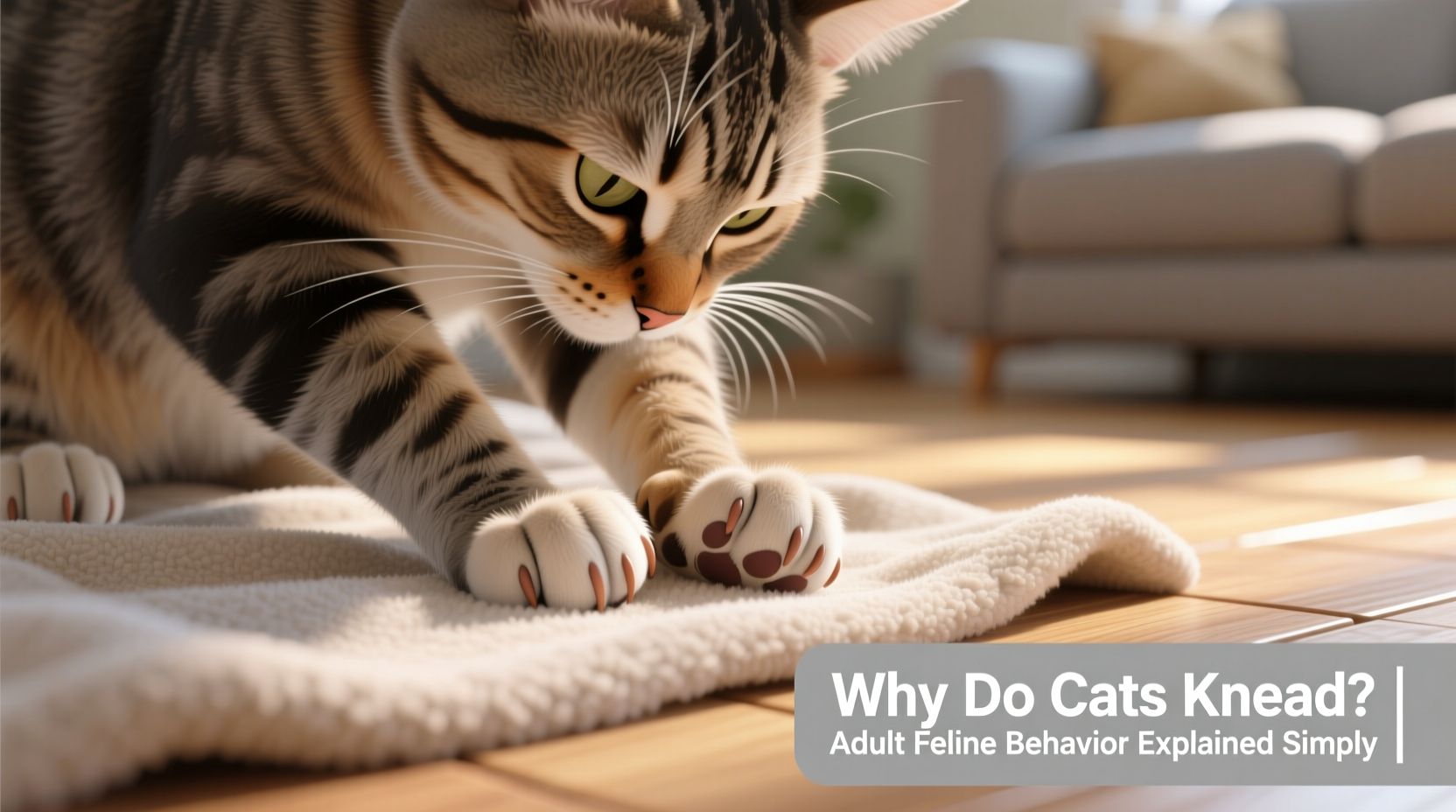
Kneading begins in the first days of life. Newborn kittens rely on this paw motion to stimulate their mother’s mammary glands, encouraging milk production. The alternating push-pull of their tiny front paws helps them access nourishment efficiently. It’s a survival mechanism hardwired into their instincts.
This early association links kneading with warmth, safety, and sustenance. Even as kittens grow, the act remains emotionally comforting. When an adult cat kneads, it’s not just a physical habit — it’s a psychological throwback to one of the most secure periods of its life.
“Kneading is a vestige of kittenhood that persists because it’s tied to positive emotional states.” — Dr. Sarah Whitman, Feline Behavior Specialist
Because the behavior is reinforced by feelings of contentment and security, many cats carry it into adulthood, especially when they feel relaxed or affectionate.
Why Adult Cats Knead: 5 Key Reasons
While kneading originates in infancy, adult cats engage in it for several interconnected reasons. These motivations range from biological instincts to emotional expression.
1. Emotional Comfort and Security
When a cat kneads on your lap, blanket, or favorite pillow, it’s often a sign of deep relaxation. The rhythmic motion triggers memories of nursing and being close to their mother. In behavioral terms, this is known as a “self-soothing” action — similar to how humans might rock or hug themselves when feeling calm or nostalgic.
Cats that knead frequently tend to be more emotionally secure, especially if they were well-socialized as kittens. It’s a voluntary behavior that only occurs when the cat feels safe.
2. Scent Marking Through Pheromones
Cats have scent glands in the soft pads of their paws. Each time they press down during kneading, they release pheromones — chemical signals that mark territory and convey familiarity.
This subtle form of communication tells other animals (and you) that the area is part of their personal space. If your cat kneads your sweater or couch regularly, it’s essentially saying, “This is mine, and I feel at home here.”
3. Nesting and Preparing a Sleeping Area
In the wild, cats would pat down tall grass or leaves to create a comfortable, level sleeping spot. This ancestral nesting behavior survives in domestic cats today. Even though modern cats sleep on plush beds or sofas, the instinct to “fluff” their resting place remains.
You might notice your cat kneading before lying down — a final check and claim on their chosen nap zone. This is particularly common in cats who rotate sleeping spots or who are sensitive to changes in their environment.
4. Affection and Bonding
Kneading directed at humans is often a sign of trust and affection. Since the behavior originated with their mother, when a cat kneads you, it’s treating you as a parental figure — a high compliment in feline society.
Paired with purring, slow blinking, and head-butting, kneading is part of a suite of bonding behaviors. Your cat isn’t just relaxing; it’s expressing love in its own unique way.
5. Physical Stretching and Muscle Relief
The motion of kneading engages muscles in the shoulders, paws, and forelimbs. For older cats or those with stiff joints, this gentle exercise can improve circulation and relieve minor tension.
Think of it as a built-in stretching routine — one that also happens to be soothing and rewarding.
Do All Cats Knead? Variations in Behavior
Not every cat kneads, and that’s perfectly normal. Whether a cat continues the behavior into adulthood depends on several factors:
- Early Weaning: Cats separated from their mothers too early may not develop strong kneading habits.
- Personality: More anxious or independent cats may show less kneading than affectionate ones.
- Gender and Breed: While no definitive studies prove gender or breed differences, anecdotal evidence suggests long-haired breeds like Persians or Maine Coons knead more frequently, possibly due to denser paw pads or stronger maternal imprinting.
Even among kneaders, styles vary. Some cats use all four paws, others only the front two. Some alternate slowly, while others go at rapid speed. Some extend their claws; others keep them retracted. All variations are natural.
When Kneading Becomes a Problem: Managing Discomfort
While kneading is generally harmless, it can occasionally cause issues — especially when claws are involved. Sharp nails on bare skin can lead to scratches, discomfort, or damage to furniture and fabrics.
Luckily, there are humane and effective ways to manage this without discouraging the behavior entirely.
Step-by-Step Guide: How to Make Kneading Safer and More Comfortable
- Trim your cat’s nails regularly. Use cat-specific clippers every 1–2 weeks to prevent painful pokes.
- Place a thick blanket or cushion between your lap and the cat. This protects your skin while still allowing the cat to express its natural behavior.
- Train gently with redirection. If your cat starts kneading aggressively, calmly move it to a soft toy or bed and praise it when it continues there.
- Use nail caps. Soft vinyl caps like Soft Paws can be applied to claws and last 4–6 weeks. They blunt the tips without affecting mobility.
- Encourage alternative textures. Offer plush mats or fleece blankets specifically for kneading to protect furniture.
Checklist: Is Your Cat’s Kneading Healthy?
Use this checklist to assess whether your cat’s kneading falls within normal, healthy ranges:
- ✅ Occurs during relaxed moments (e.g., before napping or while being petted)
- ✅ Accompanied by purring, slow blinking, or drooling
- ✅ Not causing injury to the cat or excessive destruction of property
- ✅ Not obsessive or compulsive (e.g., lasting hours without break)
- ✅ Does not involve self-harm or over-grooming of paws
If all boxes are checked, your cat’s kneading is a sign of emotional wellness. If you observe signs of obsession, pain, or distress, consult a veterinarian or certified feline behaviorist.
Real Example: Bella the Rescue Cat
Bella, a 3-year-old domestic shorthair, was adopted from a shelter after spending her first eight weeks in foster care. She didn’t nurse from her biological mother but was bottle-fed by humans. Initially, she showed no kneading behavior.
After six months in a stable home with consistent routines, Bella began kneading her owner’s sweater during evening cuddles. Her owner noticed it always happened after meals or grooming sessions — times when Bella felt safest.
Over time, the behavior became more frequent and was accompanied by loud purring and half-closed eyes. A vet confirmed Bella was healthy, and a behaviorist noted that the late emergence of kneading suggested emotional maturation and trust.
This case illustrates that kneading isn’t solely dependent on early nursing experiences. With time, safety, and love, even cats without traditional kittenhoods can develop this comforting behavior.
Do’s and Don’ts of Handling Kneading Behavior
| Do’s | Don’ts |
|---|---|
| Provide soft surfaces for kneading (blankets, beds) | Yell at or punish your cat for kneading |
| Trim claws regularly to minimize scratches | Ignore signs of pain or overuse (e.g., limping) |
| Enjoy the bonding moment — it’s a compliment! | Force your cat to stop mid-knead without redirection |
| Use nail caps if needed for protection | Assume all kneading is attention-seeking |
| Observe patterns to understand emotional triggers | Allow unchecked destruction of furniture without offering alternatives |
Frequently Asked Questions
Is kneading a sign of stress or anxiety?
Generally, no. Kneading is associated with comfort and contentment. However, in rare cases, excessive or frantic kneading — especially when paired with pacing, over-grooming, or vocalization — could indicate underlying anxiety. Context matters: if your cat is otherwise relaxed, kneading is likely positive.
Why does my cat drool when kneading?
Drooling during kneading is common and usually harmless. It stems from the same kittenhood association with feeding and comfort. Many cats salivate when deeply relaxed, much like humans might sigh or smile in peace. As long as there are no signs of illness, it’s a sign of extreme contentment.
Can older cats start kneading later in life?
Yes. While most cats begin as kittens, some adopt the behavior later, especially after forming strong bonds or entering low-stress environments. Emotional security can unlock instinctual behaviors previously suppressed due to fear or instability.
Conclusion: Embrace the Quirk
Kneading is more than just a cute habit — it’s a window into your cat’s emotional world. Rooted in survival, shaped by memory, and expressed through affection, this behavior connects past comfort with present trust. When your cat presses its paws into your leg, it’s not just making biscuits; it’s sharing a moment of vulnerability and love.
By understanding why cats knead, you’re better equipped to support their emotional needs and strengthen your relationship. Instead of viewing it as a nuisance, see it as a privilege — one that reflects the depth of your cat’s attachment to you.




 浙公网安备
33010002000092号
浙公网安备
33010002000092号 浙B2-20120091-4
Comments
No comments yet. Why don't you start the discussion?