
Cat owners often observe a peculiar yet endearing behavior: their adult cats rhythmically pressing their paws into soft surfaces—blankets, laps, pillows—as if making dough. This motion, known as kneading, is commonly referred to as “making biscuits.” While it may seem odd or even uncomfortable when claws are involved, kneading is a deeply rooted feline behavior with origins in kittenhood. Understanding why cats knead offers insight into their emotional state, instincts, and relationship with their human companions.
Kneading isn’t just a random quirk; it’s a complex behavior tied to comfort, communication, and survival mechanisms developed early in life. Whether your cat gently presses its paws into your thigh or vigorously works a cozy blanket, each session carries meaning. By examining the biological, psychological, and social factors behind kneading, we can better appreciate this behavior and respond appropriately to our feline friends.
The Origins of Kneading: A Kittenhood Survival Mechanism
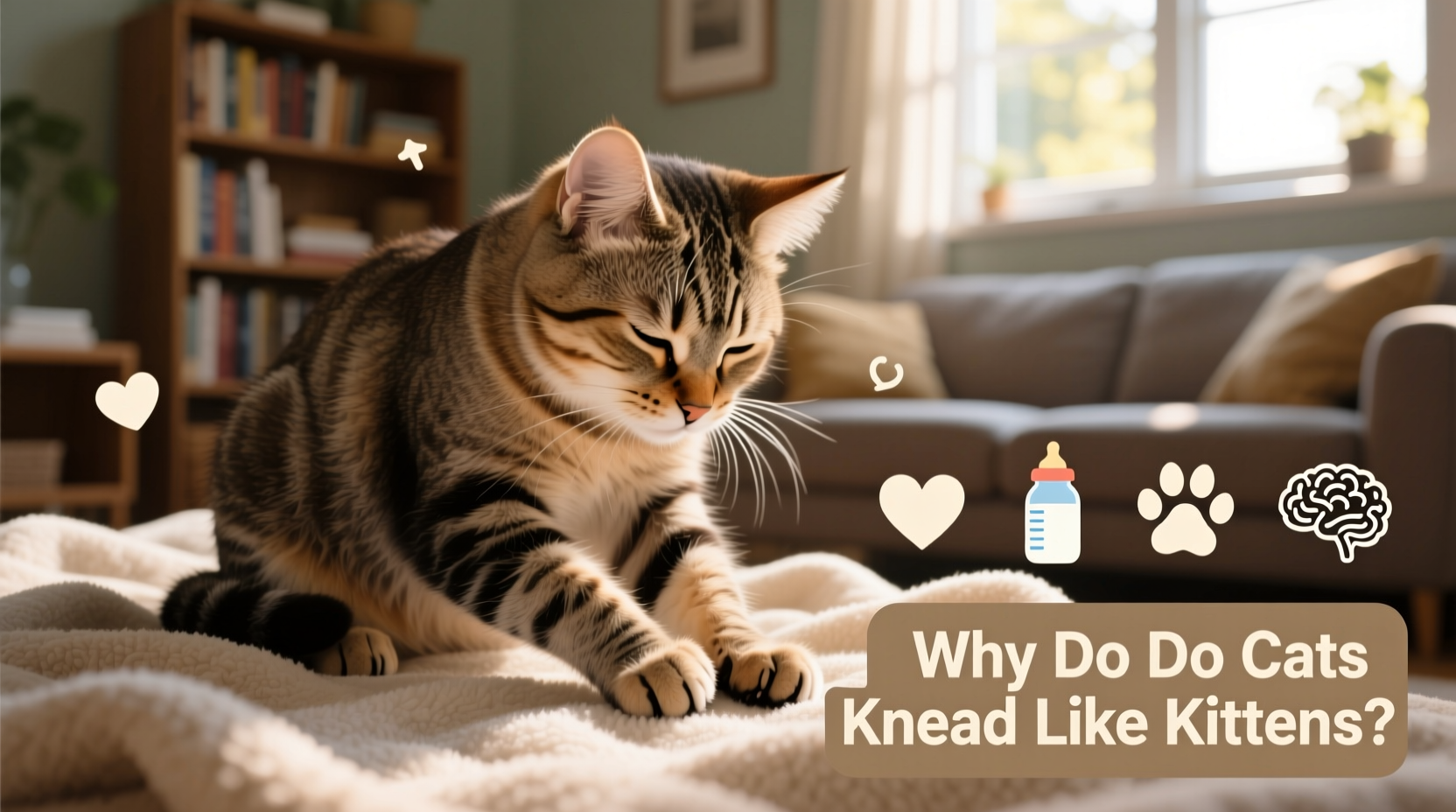
Kneading begins in the earliest days of a kitten’s life. When nursing, kittens use their front paws to massage their mother’s mammary glands. This action stimulates milk flow, ensuring they receive adequate nourishment. The rhythmic push-pull motion is not only functional but also associated with warmth, safety, and sustenance.
As kittens grow, they associate kneading with feelings of security and contentment. Even after weaning, many cats continue the behavior into adulthood. The act becomes less about feeding and more about emotional regulation—a self-soothing mechanism triggered by positive stimuli such as relaxation, affection, or comfort.
This early-life imprinting explains why kneading persists beyond infancy. It’s not merely a leftover reflex; it’s a hardwired response that links physical sensation with emotional well-being. When an adult cat kneads, it often enters a near-trance-like state of calm, indicating a deep level of trust and satisfaction.
Emotional and Psychological Reasons for Adult Kneading
In mature cats, kneading serves multiple emotional purposes. One of the most common triggers is contentment. A cat that settles onto your lap, purrs, and begins kneading is expressing profound relaxation. This behavior often occurs after meals, during petting sessions, or before sleep—moments when the cat feels safe and emotionally fulfilled.
Beyond comfort, kneading can also be a form of stress relief. Cats may engage in the behavior when adjusting to new environments, recovering from illness, or coping with changes in routine. The repetitive motion has a meditative quality, helping them regain a sense of control and familiarity.
Additionally, kneading is closely linked to attachment. Cats that were bottle-fed or separated early from their mothers may knead more frequently than others, possibly compensating for lost nursing experiences. In multi-cat households, some individuals knead more than others, often correlating with temperament and early socialization.
“Kneading is one of the clearest expressions of emotional security in cats. It’s a throwback to infancy, but it functions as a modern-day signal of trust.” — Dr. Lydia Chen, Feline Behavior Specialist
Scent Marking and Territorial Communication
Another key reason cats knead involves scent marking. Cats have scent glands located in the soft pads of their paws. When they press into surfaces, they release pheromones—chemical signals that communicate information to other animals.
By kneading your clothing, furniture, or body, your cat is effectively marking you as part of its trusted territory. This behavior is not aggressive or possessive in the human sense; rather, it’s a way of creating a familiar, comforting environment infused with their own scent. In the wild, such marking helps establish safe zones and reduce anxiety in unfamiliar areas.
This territorial aspect also explains why cats often knead before lying down. They’re not only testing the softness of a surface but also “claiming” it. Owners may notice their cats kneading favorite sleeping spots, carriers, or even newly introduced items like beds or toys.
| Reason for Kneading | Description | Common Triggers |
|---|---|---|
| Nursing Memory | Instinctual behavior from kittenhood to stimulate milk flow | Relaxation, being held, warmth |
| Emotional Comfort | Self-soothing during moments of happiness or stress | Purring, post-meal, bedtime |
| Scent Marking | Releases paw pheromones to mark territory | New environments, favorite people, bedding |
| Nest Preparation | Ancestral instinct to flatten foliage for sleeping | Before lying down, on soft fabrics |
| Stretching & Muscle Relief | Physical exercise for front limbs and paws | After napping, upon waking |
Practical Implications for Cat Owners
While kneading is natural and generally harmless, it can sometimes lead to discomfort—especially when claws are involved. Some cats knead aggressively, dig into skin, or cause minor scratches. Others may drool excessively or vocalize during intense sessions, which can surprise unprepared owners.
Understanding the motivation behind kneading allows caregivers to manage the behavior compassionately. Rather than discouraging it outright, consider redirecting it to appropriate surfaces. Providing a soft blanket, cushion, or designated “kneading mat” gives your cat an outlet while protecting your skin and furniture.
Regular nail trimming is another effective strategy. Keeping claws blunt reduces the risk of injury without interfering with the cat’s ability to express natural behaviors. For particularly enthusiastic kneaders, soft nail caps offer a safe, temporary solution.
Step-by-Step Guide to Managing Kneading Behavior
- Observe the Context: Note when and where your cat kneads. Is it during cuddle time? After eating? Before sleeping?
- Provide Alternatives: Place a plush blanket or cat bed nearby when you sit down. Encourage use with treats or catnip.
- Trim Claws Regularly: Aim for every 2–3 weeks to minimize scratching during kneading.
- Use Nail Caps: Apply soft vinyl caps (like Soft Paws) if kneading causes frequent discomfort.
- Redirect Gently: If your cat starts kneading on your leg, guide their paws toward a nearby pillow or mat.
- Avoid Punishment: Never scold or push your cat away mid-knead. This can damage trust and increase anxiety.
- Reinforce Positive Behavior: Praise or offer a treat when your cat uses the designated kneading surface.
When Kneading Might Signal a Health Concern
In most cases, kneading is a healthy, normal behavior. However, sudden changes in frequency, intensity, or context may warrant attention. Excessive kneading—especially if accompanied by vocalization, restlessness, or loss of appetite—can indicate underlying medical issues.
For example, hyperthyroidism or neurological conditions may cause compulsive behaviors in cats. Pain or gastrointestinal discomfort might also trigger increased kneading as a self-soothing tactic. Older cats with cognitive dysfunction may knead more frequently due to confusion or disorientation.
If your cat begins kneading obsessively, seems distressed during the act, or shows other behavioral shifts, consult a veterinarian. A thorough examination can rule out medical causes and ensure your cat remains physically and mentally healthy.
Mini Case Study: Luna, the Rescue Cat
Luna, a three-year-old domestic shorthair, was adopted from a shelter after spending her first year in a crowded foster home. Her new owner noticed that Luna kneaded intensely every evening, often digging into her arms until they bled. Concerned, she consulted a feline behaviorist.
Upon evaluation, it was determined that Luna had missed consistent maternal bonding during kittenhood. Her vigorous kneading was both a comfort-seeking behavior and a way to assert control over her new environment. The behaviorist recommended introducing a heated cat bed infused with synthetic feline facial pheromones (Feliway), along with regular play sessions to build confidence.
Over six weeks, Luna’s kneading shifted from her owner’s arms to the new bed. Nail trims and soft caps reduced injury risk. Most importantly, her overall anxiety decreased, and she began displaying other signs of secure attachment, such as slow blinking and chin rubbing. The case highlights how understanding the root cause of kneading leads to compassionate, effective solutions.
Frequently Asked Questions About Cat Kneading
Is kneading a sign that my cat wants food?
Not usually. While kneading can occur around mealtime due to general excitement, it’s primarily linked to comfort and emotional expression rather than hunger. If your cat kneads only when demanding food, it may have learned to associate the behavior with getting attention—but the act itself doesn’t signal hunger directly.
Why does my cat drool when kneading?
Drooling during kneading is common and typically benign. It stems from the same nursing memories that drive the behavior. The combination of rhythmic motion, warmth, and comfort can trigger salivation, much like how humans might salivate at the smell of a favorite meal. As long as the drool is clear and your cat is otherwise healthy, it’s nothing to worry about.
Do all cats knead, or is it breed-specific?
Not all cats knead, but it’s widespread across breeds and mixed backgrounds. Some cats never develop the habit, while others begin later in life. Factors like early weaning, individual temperament, and environmental security play bigger roles than genetics. Siamese and Maine Coon cats are often reported to knead frequently, but there’s no conclusive evidence linking specific breeds to higher rates of the behavior.
Conclusion: Embracing the Quirks of Feline Affection
Kneading is far more than a cute idiosyncrasy—it’s a window into a cat’s emotional world. Rooted in survival, shaped by experience, and expressed through instinct, this behavior reveals trust, comfort, and connection. When your cat kneads you, it’s offering one of the highest forms of feline praise: treating you like family.
Instead of viewing kneading as a nuisance, reframe it as a meaningful gesture of love. With thoughtful management—appropriate surfaces, claw care, and patience—you can enjoy this intimate ritual without discomfort. Recognizing the depth behind such small actions fosters a stronger, more empathetic bond between you and your cat.




 浙公网安备
33010002000092号
浙公网安备
33010002000092号 浙B2-20120091-4
Comments
No comments yet. Why don't you start the discussion?