
If you’ve ever settled onto the couch with your cat only to feel rhythmic pressing from their paws against your thigh, you’ve experienced kneading—a behavior so common it’s almost iconic in cat ownership. Also known as “making biscuits,” this motion involves a cat pushing their front paws alternately into a soft surface, often accompanied by purring and half-closed eyes. While it may seem random or even slightly uncomfortable, especially with claws involved, kneading is deeply rooted in feline biology, emotion, and instinct.
Understanding why cats knead isn’t just about curiosity—it helps strengthen the bond between pet and owner. When you interpret this behavior correctly, you gain insight into your cat’s emotional state, comfort level, and even their early developmental experiences.
The Origins of Kneading: A Behavior Rooted in Kittenhood
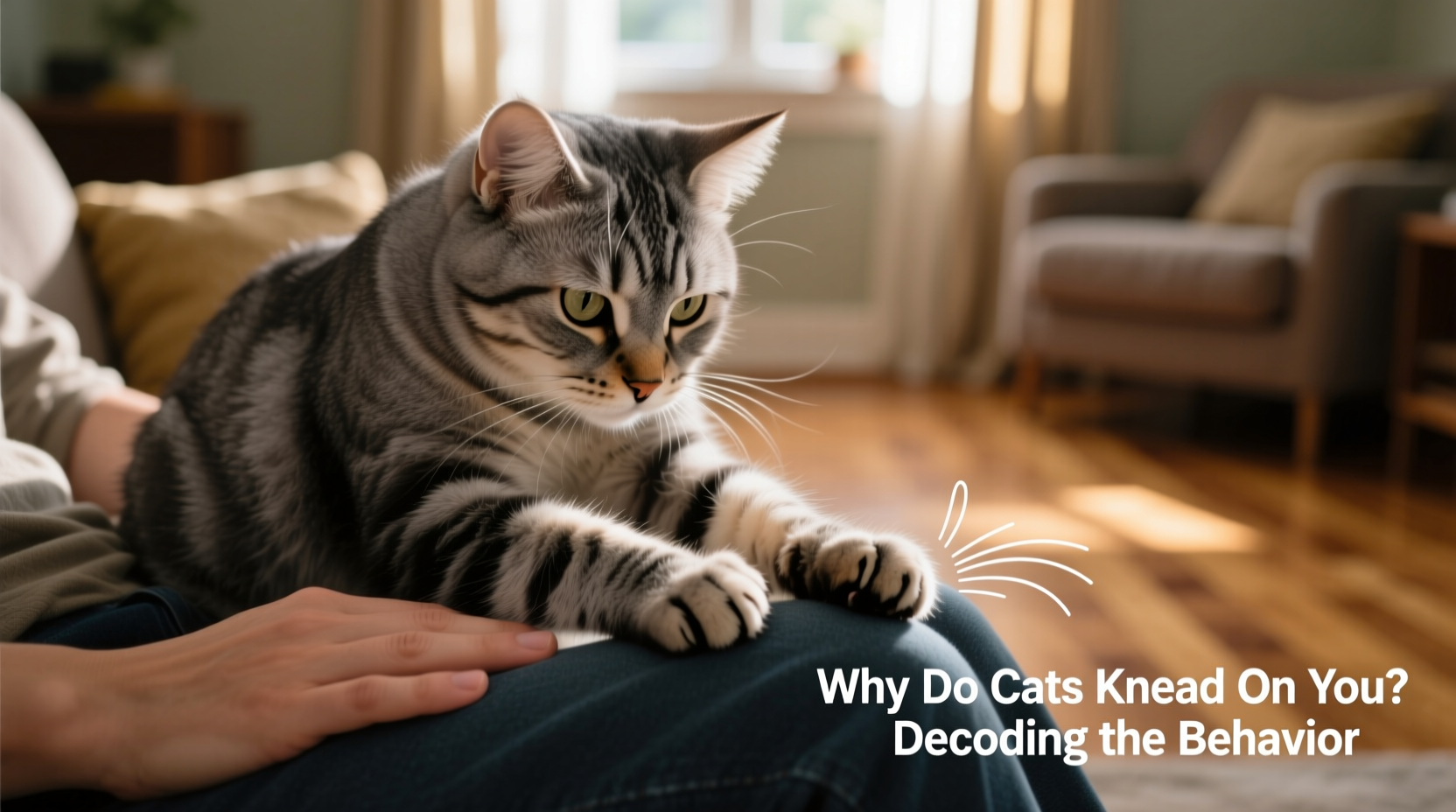
Kneading begins in the first days of life. Newborn kittens knead their mother’s mammary glands to stimulate milk flow during nursing. This action is both functional and comforting—the physical pressure helps release milk, while the warmth, scent, and rhythm reinforce feelings of safety and nourishment.
Because this experience is so closely tied to survival and comfort, the behavior often persists into adulthood. Even after weaning, many cats continue to knead when they feel secure, relaxed, or content. The act becomes a self-soothing mechanism, a throwback to the safest time in their lives.
“Kneading is one of the clearest examples of a kitten behavior that transitions into adult emotional expression. It’s not learned—it’s hardwired.” — Dr. Sarah Thompson, Feline Behavior Specialist
This instinctual carryover explains why cats often knead on soft blankets, pillows, or human laps—surfaces that mimic the warmth and pliability of their mother’s body.
Emotional Significance: What Kneading Says About Your Cat’s Mood
When an adult cat kneads, it’s typically a sign of deep relaxation and trust. Unlike defensive or aggressive behaviors, kneading occurs when a cat feels completely safe. The combination of purring, slow blinking, and rhythmic paw movements indicates a state of emotional well-being.
Cats are naturally cautious animals. They hide discomfort and stress rather than display it openly. So when your cat chooses to knead on you—especially if they expose their belly or curl up afterward—it’s a significant gesture of confidence. You’re not just a caregiver; you’re part of their social unit, perhaps even perceived as a parental figure.
Scent Marking and Territory: The Hidden Purpose Behind the Paws
Beyond comfort and nostalgia, kneading serves another biological function: territorial marking. Cats have scent glands in the soft pads of their paws that release pheromones when pressure is applied. These chemical signals are undetectable to humans but communicate important information to other cats.
By kneading on you, your furniture, or their favorite blanket, your cat is subtly claiming that object—or person—as part of their territory. This isn’t possessiveness in a negative sense; it’s a way of saying, “This space is safe, familiar, and mine.” In multi-cat households, observing who kneads where can reveal subtle hierarchies and preferred zones of comfort.
This marking behavior also helps cats regulate anxiety. Familiar scents create a sense of stability, which is why cats may knead more frequently after moving homes, introducing new pets, or experiencing disruptions in routine.
Practical Considerations: Managing Kneading Comfortably
While kneading is generally harmless, it can become uncomfortable when claws are involved. Some cats don’t retract their claws during the motion, leading to snagged clothing or minor scratches. Others may overstimulate themselves and switch from purring to biting—an abrupt shift known as petting-induced aggression.
Managing kneading doesn’t mean discouraging the behavior entirely. Instead, focus on making it safer and more comfortable for both you and your cat.
Step-by-Step Guide to Comfortable Kneading
- Trim your cat’s claws regularly – Use cat-specific clippers every 1–2 weeks to minimize sharpness without causing pain.
- Place a barrier – Drape a thick blanket or cushion over your lap to protect your skin and clothes.
- Redirect if needed – Offer a soft toy or pillow nearby so your cat can choose an alternative kneading surface.
- Watch for overstimulation cues – Tail flicking, flattened ears, or sudden stillness may signal that your cat has had enough.
- Reinforce gentle behavior – Reward calm kneading with quiet praise or treats to encourage positive associations.
Do’s and Don’ts of Handling Kneading Behavior
| Do | Don’t |
|---|---|
| Allow kneading as a natural behavior | Yell at or punish your cat for kneading |
| Provide soft surfaces for kneading | Ignore signs of overstimulation |
| Clip claws gently and regularly | Use aversive sprays or repellents on favored spots |
| Respect your cat’s need for routine | Force interaction when your cat seems tense |
Real-Life Example: How One Owner Learned to Embrace Kneading
Jamie, a cat owner from Portland, initially found her rescue cat Luna’s kneading painful. “She’d dig her claws right into my legs, and I’d flinch,” Jamie recalls. “I thought she was being aggressive.” After consulting a veterinarian, she learned that Luna’s behavior stemmed from early separation from her mother and a strong need for reassurance.
Jamie started placing a fleece blanket on her lap before sitting down. She also began trimming Luna’s claws weekly and offering gentle strokes during kneading sessions. Over time, Luna began using the blanket exclusively and retracted her claws more often. “It became a bonding ritual,” Jamie says. “Now, when she climbs up and starts making biscuits, I know she feels safe with me.”
Frequently Asked Questions
Is kneading a sign of affection?
Yes. Kneading is strongly associated with contentment and trust. When your cat kneads you, they’re expressing comfort and emotional attachment, often linking you to the security they felt as a kitten.
Why does my cat drool when kneading?
Drooling during kneading is not uncommon and usually indicates extreme relaxation. It’s a carryover from kittenhood, when sucking and kneading were paired with milk consumption. As long as your cat is healthy, this behavior is normal and harmless.
My older cat never kneaded before—why start now?
Late-onset kneading can occur due to changes in environment, increased stress, or newfound security. Older cats may begin kneading if they finally feel safe in their home, especially after periods of instability or rehoming.
Conclusion: Understanding Deepens Connection
Kneading is far more than a quirky habit—it’s a window into your cat’s emotional world. Whether driven by instinct, comfort, or scent communication, this behavior reflects a complex blend of biology and bonding. By recognizing its significance, you respond not just to the action, but to the feeling behind it.




 浙公网安备
33010002000092号
浙公网安备
33010002000092号 浙B2-20120091-4
Comments
No comments yet. Why don't you start the discussion?