
Cats are creatures of habit, mystery, and undeniable charm. One of the most endearing quirks they exhibit is squeezing themselves into cardboard boxes—often ones significantly larger than their own bodies. While it may seem counterintuitive for a cat to occupy a space much bigger than necessary, this behavior is deeply rooted in biology, psychology, and evolutionary survival mechanisms. Scientists, veterinarians, and animal behaviorists have studied this phenomenon extensively, uncovering fascinating insights into how cats perceive safety, temperature, and control in their environments.
This isn’t just about cuteness or whimsy; it’s about understanding feline well-being. Whether you're a long-time cat owner or simply intrigued by animal behavior, exploring why cats choose boxes—especially oversized ones—offers valuable insight into their inner world.
The Evolutionary Need for Enclosed Spaces
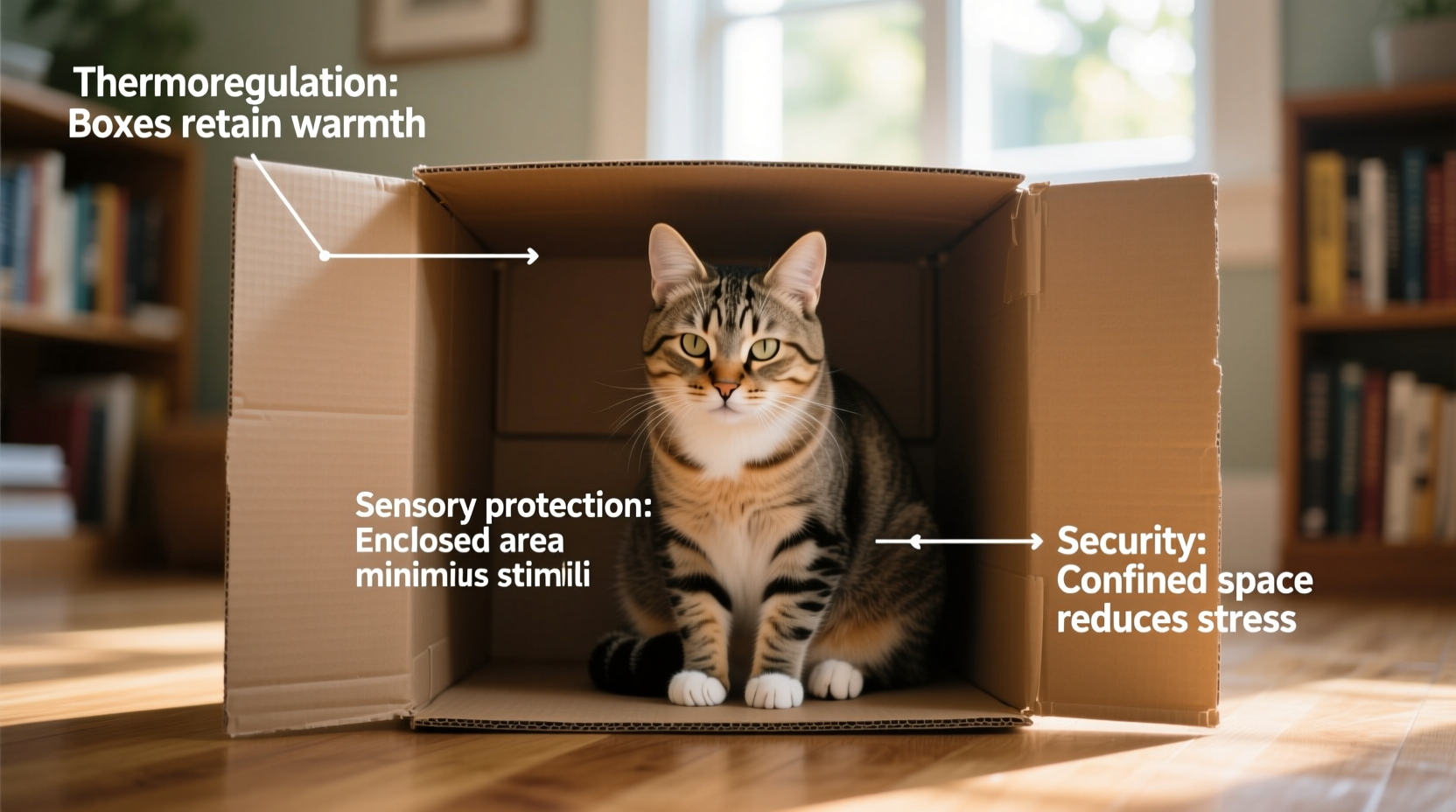
In the wild, cats are both predators and prey. Even domesticated housecats carry genetic instincts from their ancestors who lived in open grasslands, forests, and scrublands. To survive, they needed secure hiding spots where they could observe without being seen. Elevated vantage points and enclosed shelters provided protection from larger predators and allowed them to ambush prey effectively.
Cardboard boxes mimic these natural shelters. Though modern homes don’t pose the same threats as the wild, a cat’s brain still responds to environmental cues that signal safety. An enclosed space—even one with an open top—creates psychological boundaries. The walls block peripheral movement, reducing visual stimuli that can cause anxiety. This sense of enclosure gives cats a feeling of control over their surroundings, which is crucial for emotional stability.
Interestingly, research conducted at Utrecht University in the Netherlands found that shelter cats given access to cardboard boxes adapted to new environments faster and showed lower cortisol levels (a stress hormone) than those without boxes. The study concluded that “hiding opportunities contribute significantly to the psychological welfare of cats in stressful situations.”
“Cats don’t just like boxes—they need them. A simple cardboard box can reduce stress more effectively than expensive cat furniture.” — Dr. Claudia Vinke, Veterinary Ethologist, Utrecht University
Thermoregulation: The Warmth Factor
Domestic cats maintain a higher body temperature than humans—around 100.5°F to 102.5°F (38°C to 39.2°C). Their ideal ambient temperature ranges between 86°F and 97°F (30°C to 36°C), far above typical room temperatures in most homes. This means that even in what we consider a comfortably warm environment, cats may feel chilly.
Boxes help retain heat. Cardboard is a poor conductor of heat, making it an excellent insulator. When a cat curls up inside a box, its body heat warms the interior, creating a cozy microclimate. Over time, the fibers absorb warmth, enhancing comfort. Larger boxes may seem inefficient for heat retention due to increased air volume, but cats often position themselves near the center or fold flaps inward to minimize exposure.
Additionally, larger boxes allow cats to stretch out when warm and curl tightly when cold, giving them flexibility based on thermal needs. This adaptability makes oversized containers more functional than snug-fitting ones.
Sensory Security and Environmental Control
Cats are highly sensitive to sensory input. Sudden noises, movements, or unfamiliar scents can trigger alertness or fear responses. In multi-pet households or busy homes, constant stimulation can be overwhelming. A box acts as a sensory buffer, dampening sound and limiting sightlines.
Even though a large box doesn’t fully enclose the cat, the vertical sides create a defined territory. From a behavioral standpoint, this allows the cat to monitor the room while feeling protected. They can see you approaching but remain partially hidden—a perfect balance between engagement and retreat.
Moreover, cats value control over social interactions. Unlike dogs, which often seek attention proactively, cats prefer to initiate contact on their terms. Sitting in a box—especially one slightly elevated or positioned in a corner—gives them a strategic advantage. They can observe family activity without participating, preserving their autonomy.
Do’s and Don’ts: Creating Safe Spaces for Cats
| Do | Don’t |
|---|---|
| Provide multiple boxes in quiet areas | Force your cat into a box |
| Use clean, chemical-free cardboard | Place boxes near loud appliances |
| Add soft bedding for extra comfort | Block all exits—cats need escape routes |
| Rotate boxes to maintain novelty | Use tape or staples that could injure paws |
A Case Study: Stress Reduction in Multi-Cat Households
In a suburban home in Portland, Oregon, a family adopted a second cat to keep their shy, older tabby named Milo company. Initially, tension arose between the two animals. Milo began avoiding common areas and sleeping under beds. His appetite decreased, and he groomed excessively—a sign of stress.
Following advice from their veterinarian, the owners introduced several medium-to-large cardboard boxes in different rooms, each lined with fleece blankets. Within days, Milo started using a large shipping box placed in the living room corner. He would sit in it during the day, watching the other cat from a distance. Gradually, his confidence improved. Two weeks later, he initiated mutual grooming sessions with the new cat.
The key wasn’t just providing shelter—it was offering choice. By placing multiple boxes of varying sizes throughout the house, both cats established separate territories while still remaining socially connected. The larger boxes gave Milo room to adjust his posture based on mood and temperature, reinforcing a sense of security.
This real-world example illustrates how something as simple as a cardboard box can serve as a critical tool in managing feline stress and promoting harmonious coexistence.
Psychological Comfort and the \"If I Fits, I Sits\" Phenomenon
The internet meme “If I fits, I sits” humorously captures a genuine cognitive trait in cats: their attraction to confined spaces regardless of logic. But this isn’t random. It ties back to a cat’s need for predictability and containment.
Larger boxes, despite not fitting snugly, still fulfill the mental image of a den. The physical dimensions matter less than the perceived boundary. Once a cat enters a box, it mentally categorizes the space as “mine,” triggering calming neural pathways. Neurological studies suggest that such enclosed environments reduce activity in the amygdala—the brain region associated with fear and threat detection.
Furthermore, cats are neophilic—they’re naturally curious about new objects. A fresh box represents novelty, exploration, and ownership. Even if the box is too big, the act of entering it satisfies investigative instincts. After initial exploration, the cat may continue using it regularly, transforming it from a toy into a trusted refuge.
Step-by-Step Guide: How to Use Boxes to Support Your Cat’s Well-Being
- Choose the Right Size: Select boxes that are noticeably larger than your cat’s body length. This allows room for stretching, turning, and adjusting posture.
- Ensure Safety: Remove all plastic, tape, staples, or ink-heavy labels. Avoid treated wood or chemically processed cardboard.
- Enhance Comfort: Line the bottom with an old sweater, towel, or cat-safe fabric. Replace periodically to maintain hygiene.
- Strategic Placement: Position boxes in low-traffic zones, near windows, or beside favorite furniture. Avoid drafty areas or direct sunlight.
- Encourage Use: Sprinkle catnip or place treats inside initially to build positive associations.
- Rotate Regularly: Introduce new boxes every few weeks to sustain interest and prevent boredom.
- Monitor Behavior: Observe whether your cat uses the box for relaxation or avoidance. Excessive hiding may indicate underlying stress.
Frequently Asked Questions
Why does my cat sit in a box that’s way too big instead of a smaller one?
Cats prioritize psychological comfort over physical fit. A larger box still provides boundary definition and territorial control. It also allows flexibility in posture—your cat can stretch out when warm or curl up when cool, adapting to changing conditions within the same space.
Is it normal for adult cats to love boxes, or is this just a kitten thing?
It’s completely normal for adult and senior cats to enjoy boxes. While kittens may explore more actively, adult cats often use boxes for rest and stress relief. The behavior persists throughout life because it fulfills deep-seated biological needs, not just curiosity.
Can I use plastic containers instead of cardboard?
Not recommended. Plastic doesn’t breathe and can trap moisture, increasing the risk of overheating or bacterial growth. It also lacks the insulating properties of cardboard and may feel cold or unnatural under paw. Stick to untreated, dry cardboard for optimal safety and comfort.
Final Thoughts: Respecting the Feline Mind
The tendency for cats to sit in boxes larger than their bodies isn’t silly or random—it’s a window into their complex psychology. These behaviors reflect ancient survival strategies, thermoregulatory needs, and a profound desire for control in unpredictable environments. Understanding this helps us become better caregivers, recognizing that even small gestures—like leaving a clean box out—can have outsized impacts on a cat’s emotional health.
You don’t need expensive cat caves or designer perches to support your pet’s well-being. Sometimes, the simplest solutions are the most effective. A humble cardboard box, free from hazards and enriched with comfort, can offer sanctuary, warmth, and peace of mind.




 浙公网安备
33010002000092号
浙公网安备
33010002000092号 浙B2-20120091-4
Comments
No comments yet. Why don't you start the discussion?