
Cats sitting in cardboard boxes is a phenomenon so common it’s become a staple of internet humor. From tiny shoeboxes to oversized shipping containers, if there’s a box, a cat will likely try to squeeze into it. While this behavior may seem whimsical or even inexplicable, it’s deeply rooted in biology, psychology, and evolutionary adaptation. Understanding why cats are drawn to boxes reveals much about their natural instincts, emotional needs, and physical comfort requirements. This article explores the scientific reasoning behind one of the most endearing quirks of feline behavior.
The Comfort of Enclosed Spaces
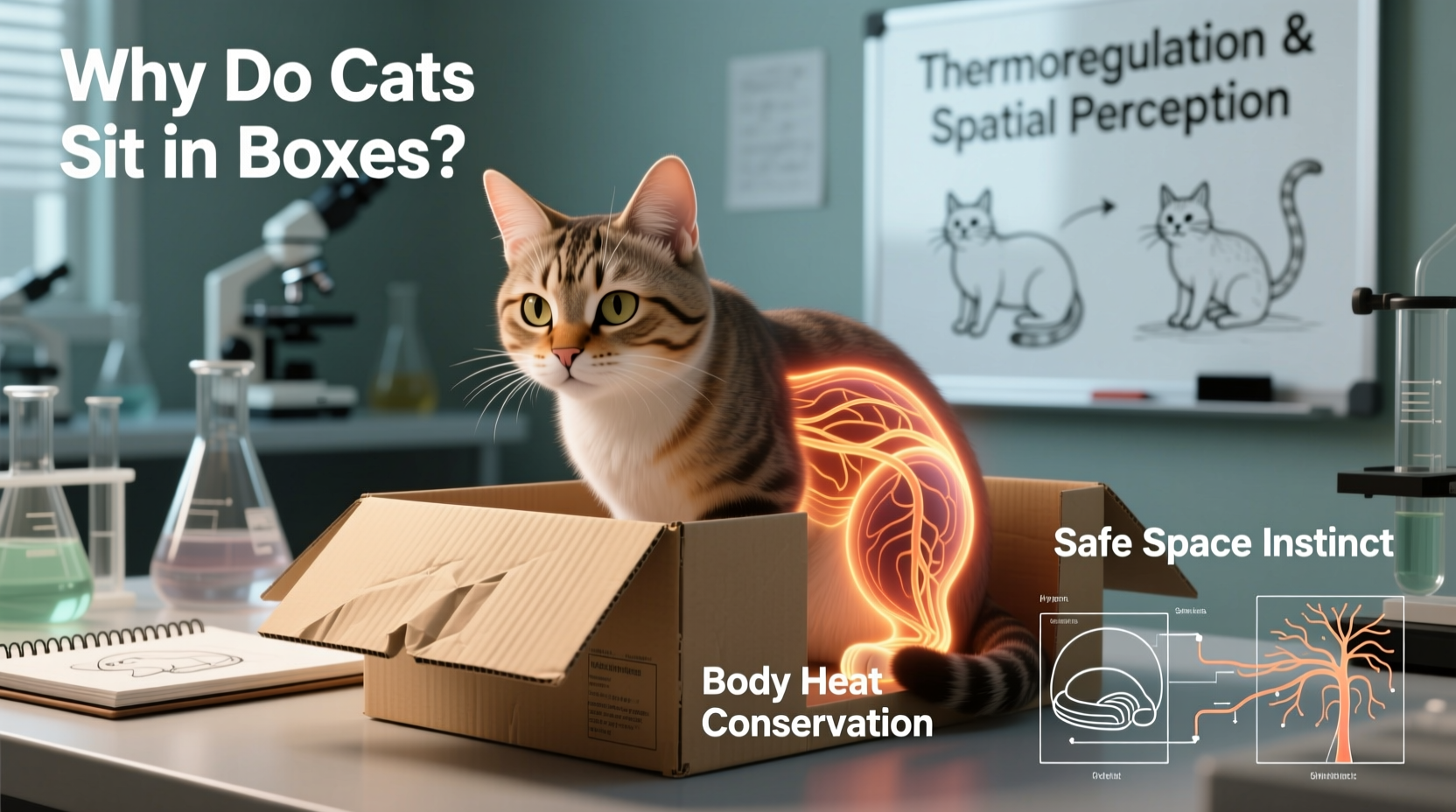
Cats are naturally inclined toward enclosed environments. In the wild, felines seek shelter in hollow logs, dense brush, or under rocky overhangs—spaces that offer protection from predators and environmental extremes. Domestic cats retain these instincts, even when they live in safe, climate-controlled homes.
A box provides a den-like environment: four walls, a roof (if closed), and a single entry point. This configuration allows a cat to monitor its surroundings while feeling secure. The confined space reduces sensory overload, which is especially important for cats that are naturally cautious or easily stressed.
Thermoregulation and Warmth Retention
One of the most compelling scientific explanations for box-sitting is thermoregulation. Cats have a higher thermoneutral zone than humans—between 86°F and 97°F (30°C–36°C)—meaning they feel cold at temperatures most people find comfortable.
Cardboard is an excellent insulator. When a cat curls up inside a box, the material traps body heat, creating a warm microclimate. This helps the cat maintain its ideal body temperature with minimal energy expenditure. Studies from the journal Applied Animal Behaviour Science show that providing warm, enclosed spaces significantly reduces stress in shelter cats.
This need for warmth explains why cats often choose boxes near radiators, sunny windows, or on top of electronic devices like TVs or laptops—anywhere residual heat accumulates.
Stress Reduction and Environmental Control
Research conducted at Utrecht University in the Netherlands demonstrated that access to hiding places drastically lowers stress levels in newly arrived shelter cats. In the study, cats given boxes adapted to their new environment faster and showed fewer signs of anxiety than those without shelters.
“Hiding is a coping strategy for cats under stress. A box isn’t just a toy—it’s a psychological refuge.” — Dr. Claudia Vinke, Veterinarian and Feline Behavior Researcher, Utrecht University
This insight applies not only to shelter environments but also to homes. Changes such as moving furniture, introducing new pets, or loud noises (e.g., thunderstorms or fireworks) can unsettle cats. A box becomes a controlled space where they can retreat, observe, and regain a sense of safety.
Moreover, cats are ambush predators by nature. Their hunting strategy relies on stealth and surprise. Sitting in a box allows them to remain hidden while scanning for movement—whether it’s a toy, a bird outside, or a human footstep. This predatory instinct makes boxes ideal observation posts.
Evolutionary Roots of Box-Sitting Behavior
To fully appreciate why cats love boxes, we must consider their evolutionary history. Domestic cats (Felis catus) evolved from desert-dwelling ancestors, primarily the African wildcat (Felis lybica). These animals survived in harsh, open environments by relying on concealment and efficient energy conservation.
In the wild, finding or creating a sheltered spot was essential for survival. Kittens were born in secluded dens, and adult cats used cover to avoid larger predators and extreme temperatures. Over generations, the preference for enclosed, protected spaces became hardwired into feline behavior.
Even though modern house cats face no real threats, their brains still operate under ancestral programming. A box mimics the safety of a den, triggering instinctive behaviors that promote relaxation and vigilance simultaneously.
How Boxes Support Natural Feline Instincts
- Security: Enclosed spaces provide protection from perceived threats.
- Control: Cats can observe without being seen, maintaining dominance over their territory.
- Warmth: Insulated interiors help conserve body heat.
- Stimulation: New boxes introduce novel scents and textures, satisfying curiosity.
- Stress relief: Hiding reduces cortisol levels in unfamiliar or chaotic environments.
The Role of Novelty and Curiosity
Cats are highly neophilic—meaning they are naturally attracted to new objects and environments. A freshly delivered box carries unfamiliar smells, textures, and structural features. This novelty triggers exploratory behavior, which is both mentally stimulating and rewarding.
Neurological studies suggest that feline curiosity activates dopamine pathways in the brain, similar to how humans experience pleasure from discovery. Once a cat investigates a box and determines it’s safe, it often claims the space as its own.
This explains why cats may ignore a box after a few days—once it loses its novelty, it becomes part of the background. Rotating boxes or modifying them (e.g., cutting different-sized openings) can renew interest and provide ongoing enrichment.
Mini Case Study: Shelter Cat Adaptation
In a municipal animal shelter in Portland, staff introduced cardboard boxes into every intake cage after noticing prolonged stress responses in new arrivals. Before the change, many cats remained huddled at the back of cages, refusing food and showing elevated vocalization.
After providing boxes, behavioral assessments over two weeks showed marked improvement: 78% of cats began eating within 12 hours (up from 42%), and average stress scores dropped by nearly 50%. Staff reported that cats with boxes were more approachable and adapted faster to adoption routines.
This real-world example underscores that a simple box isn’t just a quirky accessory—it’s a low-cost, high-impact tool for improving feline welfare.
Do’s and Don’ts of Providing Boxes for Cats
| Do’s | Don’ts |
|---|---|
| Use clean, dry cardboard boxes with no staples or tape residue. | Leave boxes with sharp edges or toxic ink labels accessible. |
| Place boxes in quiet, low-traffic areas for maximum privacy. | Put boxes in drafty or noisy locations where cats won’t feel safe. |
| Rotate boxes weekly to maintain novelty. | Discard boxes too quickly—cats may return to familiar ones for comfort. |
| Add soft bedding or catnip to encourage use. | Force a cat into a box; let them explore voluntarily. |
| Cut multiple entry points for better airflow and escape routes. | Use plastic bins without ventilation—these can trap moisture and heat. |
Step-by-Step Guide: Creating the Ideal Cat Box Environment
- Choose the Right Size: The box should be large enough for your cat to turn around and lie down comfortably, but snug enough to provide a sense of enclosure.
- Prepare the Box: Remove all tape, labels, and staples. Lightly sand any rough edges. Consider drawing paw prints or cat-safe designs with non-toxic markers to increase appeal.
- Modify Entry Points: Cut one or two openings at ground level. Angled flaps can act as doors, adding play value.
- Add Comfort: Line the bottom with an old blanket, towel, or fleece mat. Avoid synthetic fabrics that may cause static or overheating.
- Position Strategically: Place the box in a quiet corner, near a heat source, or beside a window with a view.
- Introduce Gradually: Let your cat approach on their own. Sprinkle catnip or place treats inside to encourage exploration.
- Monitor and Rotate: Replace or refresh the box every 1–2 weeks to maintain hygiene and interest.
Common Misconceptions About Box-Sitting
Some pet owners interpret box-sitting as a sign of loneliness, boredom, or even neurosis. However, unless accompanied by other symptoms—such as excessive grooming, aggression, or appetite loss—this behavior is entirely normal and healthy.
Another myth is that only certain breeds or personalities prefer boxes. In reality, studies show no significant correlation between breed, age, or sex and box preference. The attraction appears universal across domestic cats.
Finally, some believe that providing boxes encourages antisocial behavior. On the contrary, having safe retreats actually promotes confidence. Cats that feel secure are more likely to engage socially when they choose to, rather than out of pressure.
Frequently Asked Questions
Is it safe for cats to eat cardboard?
While occasional licking or chewing of plain cardboard is generally harmless, ingesting large pieces can lead to gastrointestinal blockages. Always remove loose fragments and monitor for persistent chewing, which may indicate pica—a condition linked to nutritional deficiencies or stress.
Why does my cat prefer a smaller box over a larger one?
Cats often favor tighter spaces because they provide better physical contact on the sides, enhancing the feeling of security. A box that’s just big enough to fit their body offers optimal warmth and containment, aligning with their denning instincts.
Can I use plastic containers instead of cardboard?
Plastic bins can work if they’re well-ventilated and lined with soft material. However, cardboard remains superior due to its breathability, insulation, and ease of replacement. Avoid sealed plastic containers, which can trap heat and humidity.
Checklist: Optimizing Box Use for Your Cat
- ☐ Select boxes of appropriate size (snug but not cramped)
- ☐ Remove all hazardous materials (tape, staples, labels)
- ☐ Cut entry holes for easy access and airflow
- ☐ Place in a quiet, warm area away from foot traffic
- ☐ Add soft bedding or scent enrichment (e.g., catnip)
- ☐ Rotate boxes weekly to maintain novelty
- ☐ Monitor for signs of overuse or obsessive behavior
- ☐ Provide alternatives like tunnels or covered beds
Conclusion: Embracing the Quirks of Feline Nature
The tendency of cats to sit in boxes is far more than a cute internet trend—it’s a window into their complex psychological and physiological needs. From reducing stress to conserving body heat, the humble cardboard box fulfills essential roles in a cat’s daily life. By understanding the science behind this behavior, pet owners can create environments that support their cats’ natural instincts and improve overall well-being.
Rather than discouraging this habit, embrace it. A few spare boxes, thoughtfully placed, can transform your home into a feline-friendly sanctuary. Simple, cost-effective, and universally loved by cats, the box remains one of the most powerful tools in cat care—one that evolution itself has endorsed.




 浙公网安备
33010002000092号
浙公网安备
33010002000092号 浙B2-20120091-4
Comments
No comments yet. Why don't you start the discussion?