
Cats are among the most beloved pets worldwide, yet their behaviors often leave owners puzzled. From perching in perfect circles to sudden bursts of energy at 3 a.m., feline actions can seem bizarre—almost alien. But behind every odd habit lies instinct, communication, or comfort. Understanding these behaviors isn't just entertaining; it deepens the bond between cat and owner and supports better care. In this article, experts in animal behavior and veterinary science weigh in on why cats do what they do—starting with one of the internet’s favorite quirks: sitting in circles.
The Mystery of the Circle Sit: Why Cats Love Confined Shapes
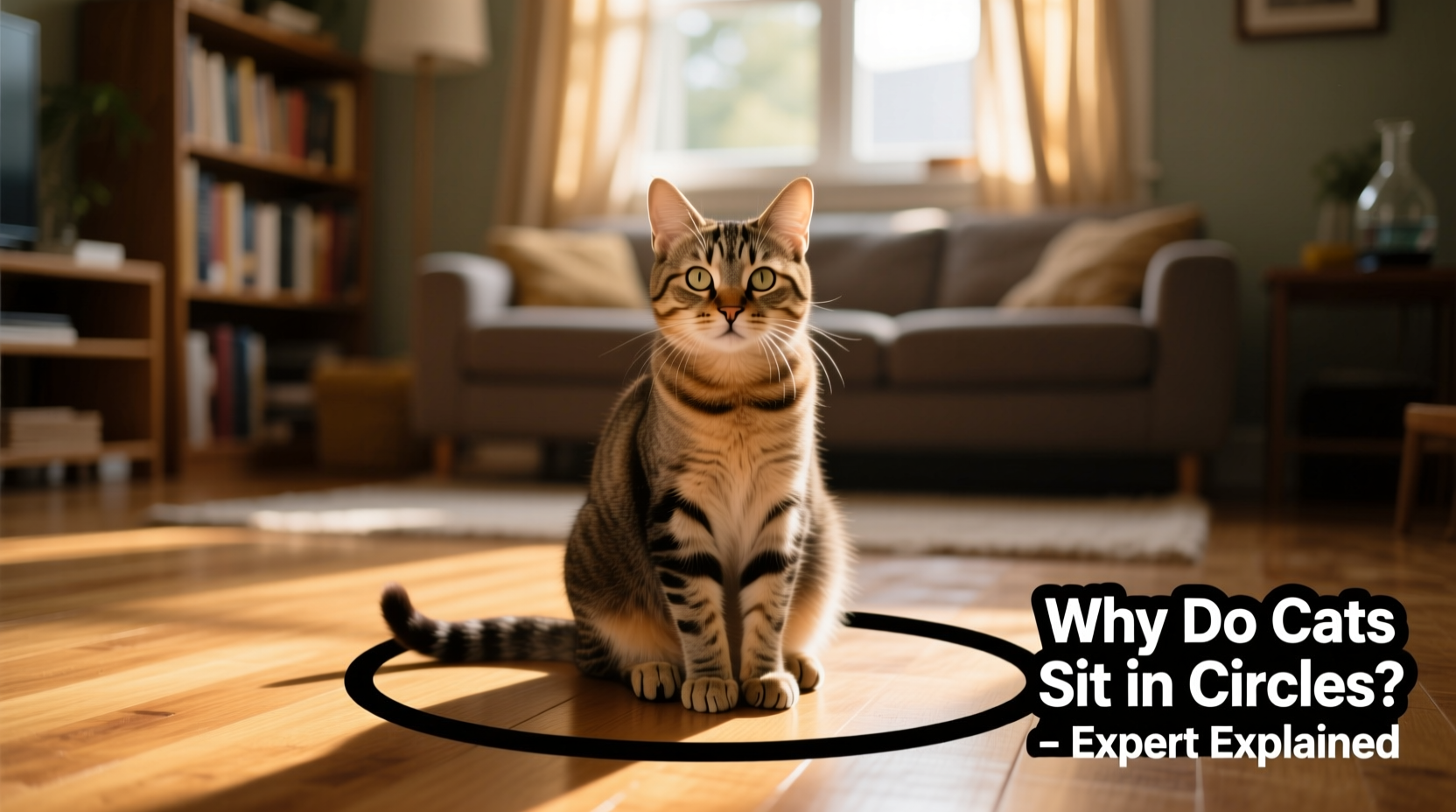
You’ve seen the memes: cats squeezed into cereal boxes, curled up inside mugs (virtually), or neatly arranged within taped outlines on the floor. The phenomenon of cats sitting in circles, squares, or oddly shaped boundaries is so widespread it has its own corner of internet fame. But why?
Dr. Elena Torres, a certified feline behaviorist at the American Veterinary Society of Animal Behavior, explains: “Cats are drawn to enclosed spaces because they offer security. A circle—whether real or implied—creates a psychological boundary that mimics a den. Even if it’s just tape on the floor, the visual cue signals containment.”
This instinct traces back to wild ancestors who sought sheltered spots to avoid predators and conserve body heat. Today’s domestic cats retain this preference, which is why they often choose cardboard boxes, laundry baskets, or even bathroom sinks over plush, open beds.
Other Bizarre Behaviors—and What They Really Mean
The circle sit is just one of many head-scratching habits cats display. Below are several other common but misunderstood behaviors, demystified by experts.
Kneading: The “Biscuit Making” Ritual
Many cats rhythmically push their paws against soft surfaces like blankets or laps. This motion, known as kneading or “making biscuits,” originates in kittenhood. As newborns, kittens knead their mother’s belly to stimulate milk flow. In adulthood, the behavior persists as a sign of contentment and relaxation.
“Kneading is a throwback to early comfort and bonding. When a cat does this on your lap, it’s one of the highest compliments—they see you as a caregiver.” — Dr. Marcus Lin, Feline Ethologist
Some cats drool while kneading, which further underscores the deep emotional association with nursing and safety.
The Midnight Zoomies: Sudden Bursts of Energy
Just as you’re settling in for the night, your cat tears through the house like a furry comet. These erratic sprints, often called “zoomies,” are completely normal. Cats are crepuscular—most active at dawn and dusk—which aligns with their natural hunting rhythms.
Indoor cats especially may accumulate pent-up energy during the day. Without opportunities to hunt or explore, they release it in short, explosive bursts. This behavior is not a sign of anxiety unless accompanied by aggression, excessive vocalization, or destructive habits.
Bringing “Gifts”: Dead Mice on the Doorstep
Finding a half-chewed mouse on your pillow is rarely welcome—but it’s not an act of cruelty. Cats bring prey home for multiple reasons: to store food, to teach their human “kittens” how to hunt, or simply because the indoor environment lacks suitable places to stash kills.
If your cat is an outdoor hunter, consider providing puzzle feeders or interactive toys to simulate the hunt-and-capture cycle indoors, reducing the number of actual gifts.
Sitting in Bathtubs or Sinks
It’s not uncommon to find your cat lounging in an empty bathtub or perched in the kitchen sink. These smooth, cool surfaces appeal to cats for both temperature regulation and acoustics. The porcelain conducts sound, allowing cats to stay alert to household activity. Additionally, sinks and tubs are often near water sources, which may attract cats curious about dripping faucets.
Decoding Body Language: Posture, Tail, and Ear Signals
Understanding a cat’s physical cues is essential to interpreting seemingly strange behaviors. Unlike dogs, cats communicate subtly. A twitching tail doesn’t always mean annoyance; context matters.
| Body Signal | Meaning | Common Misinterpretation |
|---|---|---|
| Ears forward | Curious, relaxed | Alertness = fear |
| Tail straight up | Greeting, confidence | Aggression |
| Purring | Contentment, but also stress or pain | Always means happiness |
| Blinking slowly | Trust, affection (“cat kiss”) | Ignoring you |
| Rolling onto back | Invitation to interact (sometimes) | Always wants belly rubs |
Note: While rolling onto the back exposes the vulnerable belly, most cats do not enjoy belly rubs. This posture is more about trust than an invitation for touch.
Step-by-Step: How to Respond to Unusual Cat Behaviors
When faced with odd conduct, follow this sequence to ensure your cat’s well-being and strengthen your relationship:
- Observe the frequency and context. Is the behavior new or occasional? Does it happen when guests arrive, during storms, or after routine changes?
- Rule out medical causes. Sudden behavioral shifts—like excessive grooming, hiding, or aggression—can signal pain or illness. Schedule a vet visit if patterns change abruptly.
- Assess environmental triggers. Has furniture moved? Was a new pet introduced? Cats are highly sensitive to spatial changes.
- Provide enrichment. Rotate toys, introduce climbing shelves, use treat-dispensing puzzles, and allow supervised window perching.
- Respond calmly. Never punish odd behaviors. Instead, redirect with play or positive reinforcement.
Mini Case Study: Luna and the Taped Square
Sarah Nguyen, a software engineer in Portland, noticed her rescue cat Luna would ignore her $80 orthopedic cat bed but consistently sit in a square of tape she’d used to mark a rug placement. Curious, Sarah experimented by creating different shapes—circles, triangles, rectangles—using painter’s tape on her living room floor.
Luna chose the circle and square 90% of the time, often settling in within minutes of being placed. Sarah consulted a local feline behavior consultant, who explained that the defined edges provided a sense of safety. “Even though it’s flat,” the consultant said, “Luna perceives it as a contained space, like a nest.”
Sarah now uses removable tape to create “safe zones” in new environments, helping Luna adjust faster during travel or visits to the vet clinic.
Checklist: Creating a Cat-Friendly Environment
To support natural feline behaviors and minimize stress, ensure your home includes the following:
- ✅ Multiple elevated perches (shelves, cat trees)
- ✅ At least one enclosed hideout (covered bed, box with hole)
- ✅ Scratching posts in high-traffic areas
- ✅ Interactive toys rotated weekly
- ✅ Quiet spaces away from loud appliances or foot traffic
- ✅ Litter boxes placed in private, accessible locations (one per cat plus one extra)
- ✅ Access to windows with bird feeders outside for mental stimulation
A well-enriched environment reduces the likelihood of problematic behaviors like over-grooming, urinating outside the box, or aggression.
FAQ: Common Questions About Strange Cat Habits
Why does my cat stare at me without blinking?
Staring can be a sign of curiosity or mild concern. However, direct unblinking eye contact can be perceived as threatening by cats. Try slow blinking back to signal that you’re friendly and non-threatening.
Is it normal for cats to lick plastic bags or packaging?
Some cats are attracted to the scent of certain plastics, especially those containing animal fats used in food packaging. While occasional licking is usually harmless, ingesting plastic can be dangerous. Keep such materials out of reach and provide safe alternatives like crinkle toys.
Why does my cat sleep in weird positions, like upside down or twisted into a knot?
Cats have incredibly flexible spines and high pain thresholds for discomfort during rest. If your cat appears relaxed and breathes evenly, odd sleeping postures are typically no cause for concern. It’s simply their way of releasing muscle tension and regulating temperature.
Conclusion: Embracing the Quirks of Feline Nature
Cats don’t act strangely—they act naturally. Behaviors like sitting in circles, chasing invisible foes, or chirping at birds through glass are expressions of instinct honed over millennia. What may seem odd to us is often a sign of health, curiosity, or emotional security in their world.
By observing with patience, responding with empathy, and enriching their environment, we allow our cats to thrive—not despite their quirks, but because of them. The next time you see your cat perched perfectly within a drawn circle, remember: they’re not defying physics. They’re finding peace in boundaries, just as nature intended.




 浙公网安备
33010002000092号
浙公网安备
33010002000092号 浙B2-20120091-4
Comments
No comments yet. Why don't you start the discussion?