
Cats have a reputation for choosing the most peculiar sleeping spots—on top of the refrigerator, wedged behind the couch, or curled up inside a cardboard box barely big enough to fit them. Of all these quirks, one of the most universally observed is their inexplicable love for boxes. But this isn’t just random feline whimsy. Behind the adorable image of a cat squeezed into a shipping container lies a complex blend of instinct, physiology, and psychological comfort. Understanding why cats are drawn to tight spaces offers more than just amusement—it provides valuable insight into their well-being and natural behaviors.
The Science Behind the Box Obsession
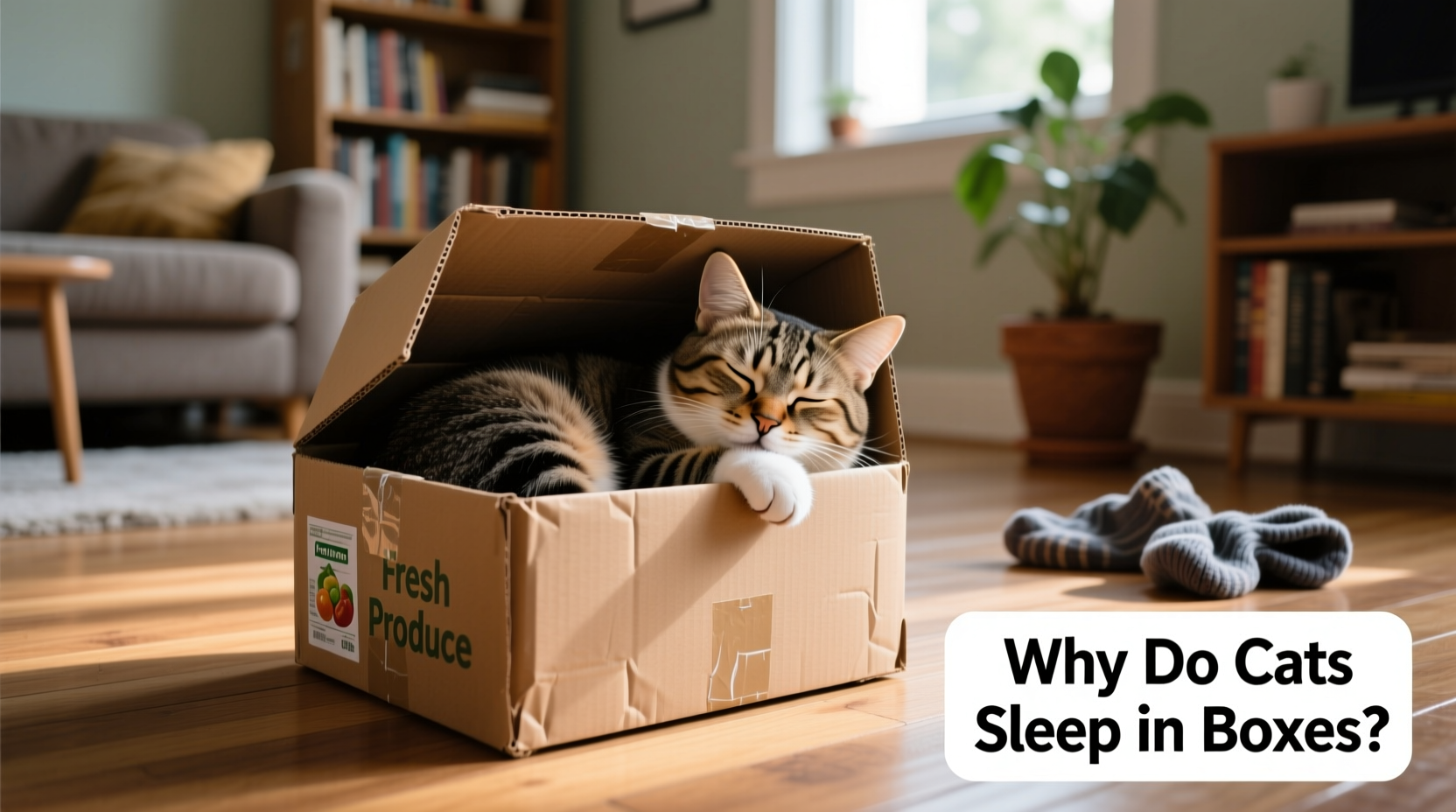
Cats are predators by nature, but they’re also vulnerable to larger animals in the wild. This dual role has shaped their behavior over thousands of years. One key survival strategy is finding secure hiding places where they can observe their surroundings without being seen. Boxes and other enclosed spaces mimic the dens that wild cats would use in nature—safe, sheltered, and out of sight.
Research supports this instinctual preference. A 2014 study conducted at Utrecht University in the Netherlands examined stress levels in shelter cats. The study found that cats given access to cardboard boxes acclimated faster, showed fewer signs of stress, and were more likely to engage socially with humans than those without boxes. The conclusion was clear: confined spaces provide a sense of security that helps cats regulate their emotions in unfamiliar or high-stress environments.
“Enclosed spaces give cats control over their environment. That sense of control is essential for reducing anxiety.” — Dr. Sarah Ellis, Feline Behavior Expert, University of Lincoln
This need for environmental control explains why even indoor cats—who face no real threats—still seek out tight spaces. Their brains are wired to assess safety first, and a snug box feels like a fortress.
Thermoregulation: The Warmth Factor
Beyond safety, temperature plays a crucial role in a cat’s choice of sleeping spot. The average domestic cat has a thermoneutral zone—the range where it doesn’t need to expend energy to stay warm or cool—between 86°F and 97°F (30°C to 36°C). Most homes are kept around 68°F to 72°F, which is significantly cooler than what cats naturally prefer.
Tight spaces help retain body heat. When a cat curls into a small box, the walls reflect its warmth back toward its body, minimizing heat loss. Cardboard, despite being thin, acts as a modest insulator. Combined with the cat’s natural tendency to tuck its paws and tail close to its body, this creates an efficient microclimate for napping.
This thermal advantage is especially important for kittens, older cats, and breeds with short coats, who lose heat more quickly. Even healthy adult cats may gravitate toward boxes during colder months, not just for comfort but for physiological necessity.
Do Cats Actually Prefer Tight Spaces?
The answer is a resounding yes—but with nuance. Preference doesn’t mean exclusivity. Cats enjoy variety in their resting spots: sunbeams on hardwood floors, soft blankets, or elevated perches near windows. However, when given a choice, many cats consistently return to confined areas, especially when stressed, tired, or adjusting to new environments.
Preference is influenced by several factors:
- Security: Enclosed spaces offer protection from perceived threats.
- Warmth: As discussed, tight quarters conserve heat efficiently.
- Familiarity: A consistent hiding spot becomes part of a cat’s mental map of safe zones.
- Control: Being able to see out while remaining hidden gives cats a tactical advantage.
A 2020 behavioral survey of over 1,200 cat owners revealed that 73% of respondents reported their cats regularly using boxes, drawers, or baskets for sleeping—even when plush pet beds were available. Only 12% said their cats avoided enclosed spaces entirely, typically citing confident, outgoing personalities as a reason.
When Preference Becomes a Problem
While occasional box-sleeping is normal, a sudden shift toward isolation in tight spaces can signal underlying issues. Cats that begin avoiding open areas, hiding more than usual, or refusing to leave enclosures may be experiencing pain, illness, or anxiety. In multi-cat households, competition for resources can also drive submissive cats into constant hiding.
Monitoring changes in behavior is essential. A cat that once lounged openly but now only sleeps under the bed might need a veterinary check-up or environmental enrichment.
Benefits of Providing Controlled Enclosed Spaces
Understanding this natural inclination allows cat owners to support their pets’ well-being intentionally. Rather than discouraging box use, consider enhancing it with purpose-built options.
| Space Type | Pros | Cons |
|---|---|---|
| Cardboard Boxes | Inexpensive, insulating, easily replaceable | Wear out quickly, can be chewed or shredded |
| Cat Caves (Fabric Hideouts) | Soft, washable, often collapsible | May retain odors, less rigid structure |
| Plastic Igloo Beds | Durable, easy to clean, retains heat | Can feel confining, less breathable |
| Elevated Crates or Shelves with Covers | Combines height + enclosure for security | Takes up space, requires installation |
Providing multiple types of enclosed spaces throughout the home allows cats to choose based on mood, temperature, and activity level. For example, a fabric cave near a sunny window combines warmth and visibility, while a covered bed in a quiet corner supports deep rest.
Mini Case Study: Reducing Stress in a Multi-Cat Home
Samantha, a cat owner in Portland, adopted a second cat—a shy, three-year-old rescue named Milo—to keep her confident tabby, Luna, company. Within days, Milo vanished into the basement, only emerging at night to eat. He refused to use any of the plush beds provided.
Following advice from her veterinarian, Samantha placed several small cardboard boxes in quiet areas, each lined with a fleece blanket and a piece of clothing that smelled like her. Within 48 hours, Milo began sleeping in one of the boxes near the living room. Over the next two weeks, he gradually spent more time outside it, eventually sharing a sunlit window perch with Luna.
“The box wasn’t just a bed—it was his safe base,” Samantha said. “Once he felt secure, he started exploring the rest of the house.”
This case illustrates how tight spaces serve as emotional anchors during transitions. They don’t replace socialization or enrichment but enable it by reducing initial stress.
How to Support Your Cat’s Natural Instincts: A Practical Checklist
Respecting your cat’s need for enclosed spaces doesn’t mean filling your home with boxes. Instead, create a balanced environment that satisfies both physical and psychological needs. Use this checklist to optimize your cat’s living space:
- Provide at least one enclosed sleeping option per cat in multi-pet homes.
- Place hideaways in quiet, low-traffic areas but within family activity zones (e.g., near the living room).
- Use materials that retain warmth, such as fleece liners or memory foam inserts.
- Rotate boxes or caves periodically to maintain novelty and prevent boredom.
- Ensure all enclosures have at least two exits if possible, reducing the feeling of entrapment.
- Avoid placing boxes near loud appliances or drafty windows.
- Monitor usage—if a cat avoids all enclosed spaces, consider temperament or health concerns.
Frequently Asked Questions
Is it safe for my cat to sleep in small boxes?
Yes, as long as the space allows the cat to breathe freely and turn around comfortably. Most cats self-select sizes that fit their bodies. Avoid boxes with staples, tape residue, or toxic inks. Never seal a cat inside a container.
Why does my cat scratch the inside of the box before lying down?
This is a natural nesting behavior. In the wild, cats would paw at leaves or dirt to create a comfortable depression. Scratching also deposits scent from glands in their paws, marking the space as theirs.
Should I buy a cat bed if they prefer boxes?
You don’t have to—but offering a variety of options increases comfort. Some cats prefer the predictability of a structured bed, while others enjoy the DIY aspect of boxes. Try placing a store-bought cave beside a cardboard box and observe which one gets used more.
Conclusion: Embracing the Quirks of Cat Behavior
The fascination with boxes is more than a viral internet trend—it’s a window into the feline mind. Cats sleep in tight spaces because evolution has hardwired them to seek safety, warmth, and control. These instincts remain strong, even in pampered indoor pets. Recognizing this helps us move beyond seeing their behavior as odd and instead appreciate it as adaptive and intelligent.
By providing thoughtful, accessible enclosed spaces, we don’t just accommodate our cats—we actively improve their quality of life. Whether it’s a repurposed Amazon shipment or a premium insulated cave, the right hideout can reduce stress, support recovery, and deepen trust between pet and owner.




 浙公网安备
33010002000092号
浙公网安备
33010002000092号 浙B2-20120091-4
Comments
No comments yet. Why don't you start the discussion?