
Every holiday season, millions of homes across the world string up festive lights, transforming rooftops, trees, and porches into glowing displays. Most modern Christmas light sets come with a male plug on one end and a female outlet on the other—plus an often-overlooked sealed or capped connector at the far end. This final connector, sometimes called the “end plug” or “end cap,” raises a common question: Why is it there, and more importantly, can you bypass it to extend your lighting setup?
The short answer is yes, the end connector serves a crucial purpose in most series-wired light strings, and attempting to bypass it can lead to electrical hazards, premature failure, or even fire. Understanding how these systems work—and why manufacturers design them this way—is essential for both safety and performance.
How Traditional Christmas Lights Are Wired
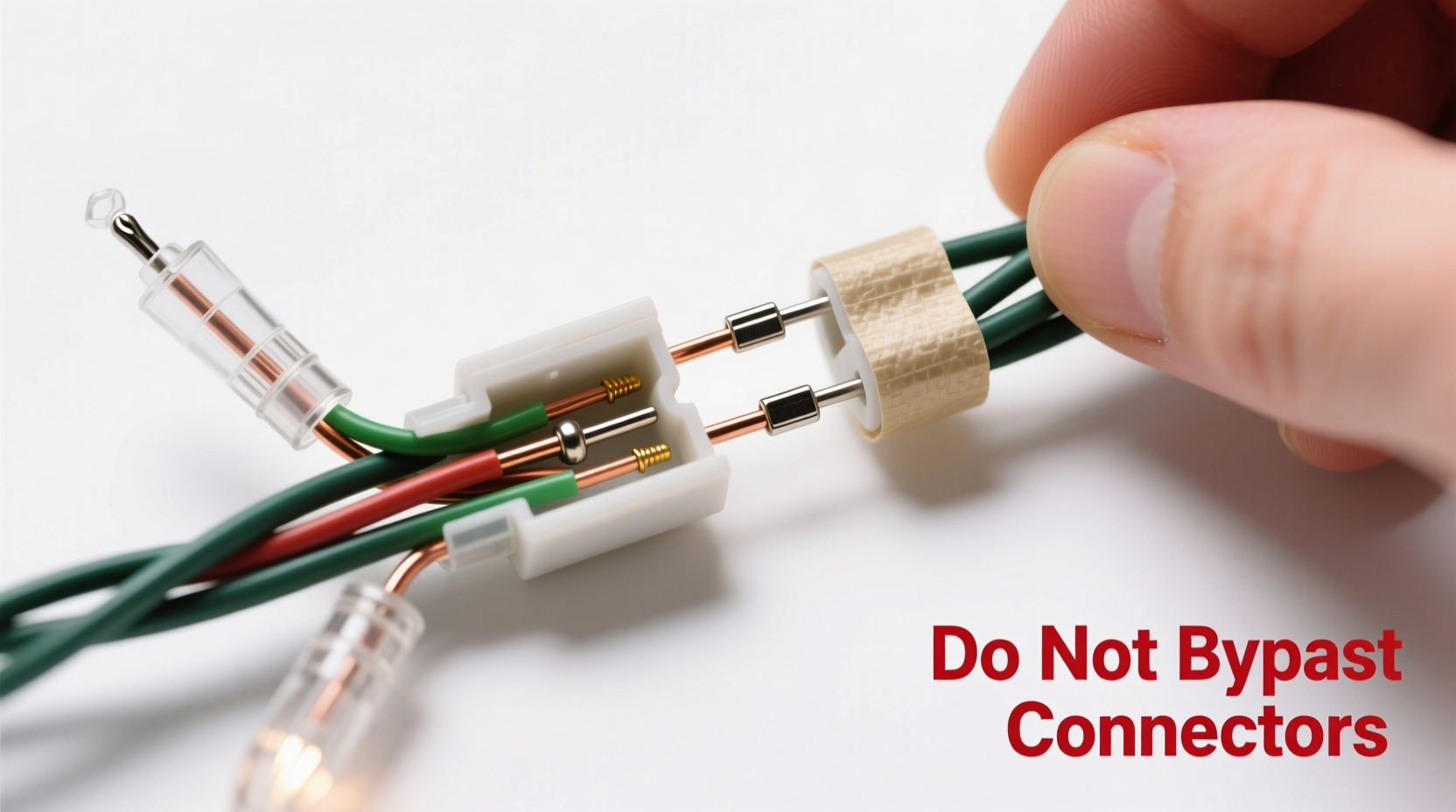
Before the rise of LED technology, most Christmas lights were incandescent bulbs wired in a series circuit. In a series configuration, electricity flows through each bulb in sequence before returning to complete the circuit. If one bulb burns out or becomes loose, the entire strand goes dark because the circuit is broken.
Modern mini-lights still use variations of this design, though many now incorporate shunt wires inside each bulb socket. These shunts allow current to bypass a burnt-out bulb, keeping the rest of the strand lit. However, the fundamental structure remains dependent on a closed loop: power enters through the male plug, travels through the bulbs, and must return via a proper path. That’s where the end connector comes in.
In a typical two-wire series circuit, the second wire acts as the neutral return path. The end connector seals this return path safely. Without it, the circuit is open, and no current flows—even if all bulbs are intact.
The Purpose of the End Connector
The end connector isn’t just a piece of plastic—it’s a critical component of the electrical system. Here’s what it does:
- Closes the circuit: In series-wired strands, the end plug completes the return path for electricity, allowing current to flow back to the source.
- Prevents exposure to live terminals: Without the cap, the final socket could expose bare wiring, creating a shock hazard.
- Maintains weather resistance: Outdoor-rated light sets use sealed end connectors to keep moisture out, reducing corrosion and short-circuit risks.
- Enforces manufacturer safety standards: UL and other certification bodies require that consumer light strings meet specific insulation and termination criteria.
Some newer LED light sets are designed differently. Many use parallel wiring or constant-voltage drivers that don’t rely on an end cap to close a circuit. Instead, they may have a dummy plug simply to cover unused terminals. But unless explicitly stated by the manufacturer, always assume the end connector is electrically necessary.
“Tampering with the end connector of a series-wired light string compromises both functionality and safety. It’s not a cosmetic feature—it’s part of the engineered circuit.” — James Landon, Electrical Safety Engineer, UL Solutions
Can You Bypass the End Connector? Risks and Realities
Technically, yes—you can cut off the end connector and splice the wires together or connect them to another strand. But doing so introduces serious risks:
1. Fire Hazard from Overloading
Christmas light strings are rated for a maximum number of connected sets—usually three to five, depending on wattage and local codes. Bypassing the end cap to daisy-chain more than the recommended number overloads the first plug and cord, generating excess heat. This is a leading cause of holiday electrical fires.
2. Loss of Ground Fault Protection
Many outdoor light circuits run through GFCI (Ground Fault Circuit Interrupter) outlets. These detect imbalances in current and shut off power to prevent shocks. Modifying the end connector can create leakage paths or improper grounding, rendering GFCIs ineffective.
3. Voided Warranties and Insurance Issues
Any modification to a certified electrical product voids its safety listing. If a fire occurs due to tampered lights, homeowner’s insurance may deny the claim, citing negligence.
4. Unpredictable Circuit Behavior
In series circuits, removing the end cap doesn’t just break the circuit—it can create floating voltages, partial illumination, or erratic blinking. Some LEDs may flicker or burn out prematurely due to unstable current.
5. Moisture and Corrosion (Outdoor Use)
Removing the sealed cap exposes copper wires to rain, snow, and humidity. Even brief exposure can lead to corrosion, increasing resistance and heat buildup over time.
Step-by-Step Guide: What to Do When You Need More Lights
Rather than bypassing the end connector, follow this safe process to expand your display:
- Check the label: Look for the “maximum connectable” rating on the light set packaging or molded into the male plug.
- Use a power hub: Connect multiple strands to a low-voltage distribution box or outdoor-rated power strip instead of daisy-chaining beyond the limit.
- Switch to commercial-grade lighting: For large displays, invest in 18-gauge commercial wire with removable end caps designed for permanent splicing.
- Choose plug-and-play LED modules: Modern pre-wired LED net lights, curtain lights, or pixel strips often allow safe expansion via proprietary connectors.
- Use timers and relays: Control multiple independent runs with smart plugs or relay boxes to avoid overloading a single circuit.
Real Example: A DIY Disaster Turned Learning Moment
Mark, a homeowner in Ohio, wanted to wrap his entire two-story house in lights. He bought 15 identical strands but found he couldn’t connect more than three without tripping the breaker. Frustrated, he cut the end caps off several sets and twisted the wires together, taping them with electrical tape.
For two weeks, the display worked—until a rainy night caused one of the exposed splices to short. The overheated cord melted the insulation, tripped the main breaker, and left scorch marks on the siding. Fortunately, no fire started, but Mark had to replace $200 worth of lights and rewired everything using a central power hub.
His takeaway? “I thought I was being clever. I wasn’t. The end cap exists for a reason. Now I plan my layout around safe limits and use extension cords rated for outdoor duty.”
Do’s and Don’ts: Christmas Light End Connector Guide
| Do | Don’t |
|---|---|
| Inspect end connectors annually for damage | Cut or remove the end cap to “extend” the strand |
| Replace damaged end caps with manufacturer parts | Splice wires from different brands or voltage ratings |
| Use power distribution hubs for large displays | Exceed the maximum number of connectable sets |
| Store lights coiled with end caps intact | Expose open terminals to moisture or children |
| Follow manufacturer instructions for replacement | Assume all LED lights work the same way |
When Bypassing Is Actually Possible (And Safe)
Not all light strings require end connectors. Certain types are designed for modification:
- Commercial C7/C9 cords: These older-style bulbs use individual sockets on a continuous wire. The end cap is often just a weatherproof cover—cutting it allows safe splicing to another run using waterproof connectors.
- Low-voltage landscape lighting: 12V or 24V systems often use open-ended cables meant to be joined with insulated couplers.
- Modular LED tape systems: High-density LED strips with end connectors can be extended using compatible joining clips or soldered connections.
Key indicators that bypassing might be safe:
- The packaging says “connectable up to 1000 ft” or similar.
- The end cap is removable or unscrewed easily.
- The manufacturer sells extension kits or splice connectors.
When in doubt, consult the product manual or contact customer support. Never assume compatibility based on appearance alone.
Frequently Asked Questions
Can I replace a lost end connector?
Yes, in many cases. Major brands like GE, Holiday Time, and Pure Garden sell replacement end caps online. Match the wire gauge and plug style carefully. If unavailable, treat the strand as non-functional—do not attempt to improvise a cap with tape or glue.
Why do some light strands not have end connectors?
LED rope lights, rigid bar lights, and certain pre-assembled displays often have internal terminations or use parallel wiring that doesn’t require an external end cap. Always verify the design before assuming it’s safe to leave open.
What happens if I plug two male ends together?
This creates a direct short circuit. Never attempt it. It can damage outlets, trip breakers instantly, melt connectors, or start a fire. Only female-to-male daisy chaining is permitted—and only within rated limits.
Conclusion: Respect the Design, Stay Safe
The end connector on a Christmas light strand is far more than a simple stopper. It’s an engineered component that ensures electrical continuity, user safety, and compliance with fire codes. While the temptation to bypass it for longer runs is understandable, doing so risks equipment failure, personal injury, and property damage.
Instead of modifying what’s already built, embrace smarter alternatives: distribute power wisely, invest in modular systems, and plan your display around safe, certified configurations. The holidays are about joy—not emergency electricians.




 浙公网安备
33010002000092号
浙公网安备
33010002000092号 浙B2-20120091-4
Comments
No comments yet. Why don't you start the discussion?