
As the holiday season approaches, twinkling Christmas lights bring warmth and cheer to homes around the world. But when those cheerful strands start flickering unpredictably—some bulbs glowing brightly while others dim or blink out entirely—it can be more than just annoying. It might signal an underlying electrical issue, wear and tear, or even a fire hazard. Understanding why Christmas lights flicker and knowing when to retire a strand isn’t just about aesthetics; it’s about safety, efficiency, and preserving the magic of your display year after year.
The Science Behind Flickering: How Christmas Lights Work
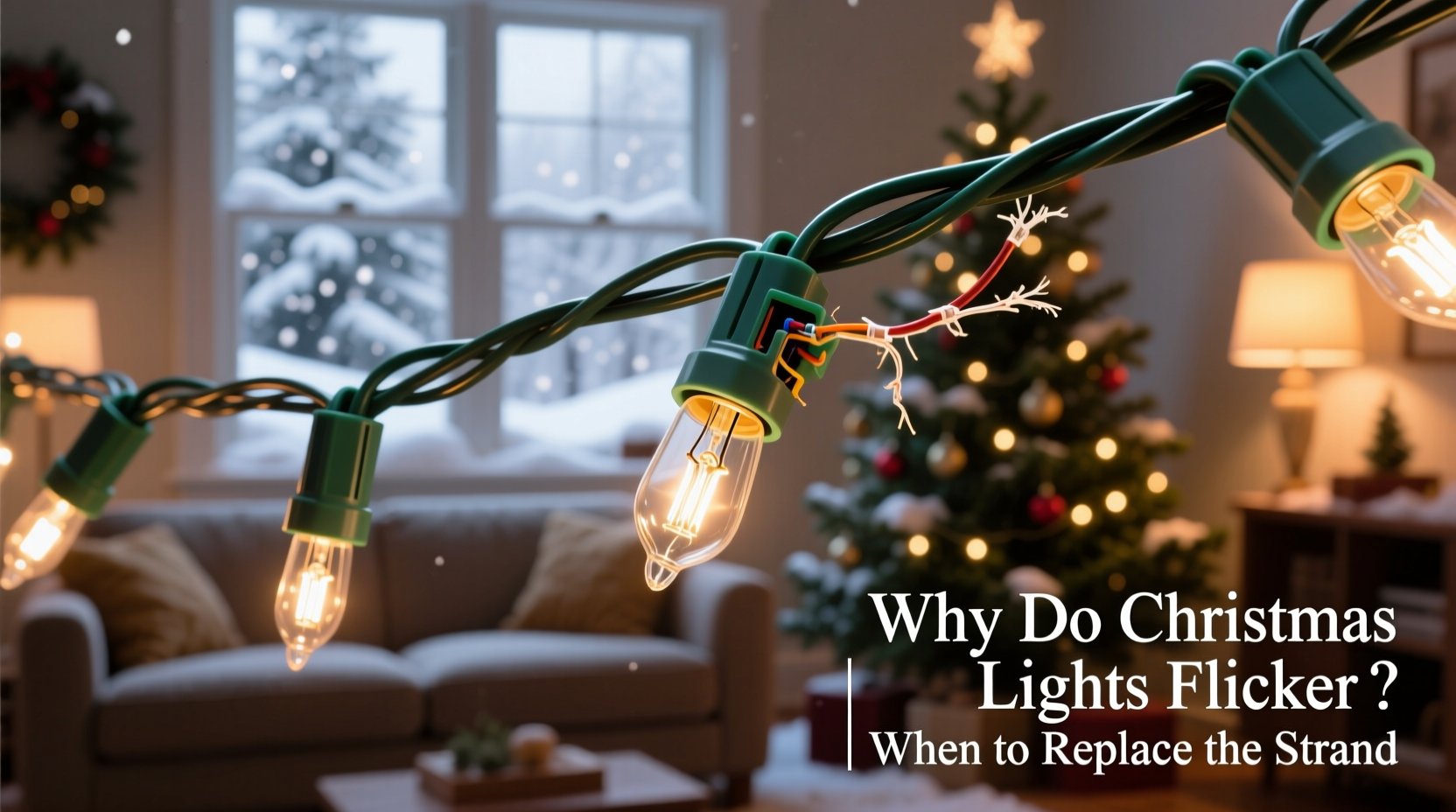
Most traditional incandescent Christmas light strands are wired in series, meaning electricity flows from one bulb to the next in a continuous loop. If one bulb fails or becomes loose, it interrupts the circuit, causing part or all of the strand to go dark—or worse, to flicker intermittently. This design was common because it reduced manufacturing costs, but it also makes these strings more vulnerable to performance issues.
In contrast, modern LED Christmas lights often use parallel wiring or include shunt wires within each bulb. A shunt is a small backup conductor that allows current to bypass a burnt-out filament, keeping the rest of the strand lit. However, even with this fail-safe, flickering can still occur due to voltage fluctuations, poor connections, or incompatible controllers.
Flickering happens when there’s an inconsistent flow of electricity. This inconsistency could stem from:
- A loose or improperly seated bulb
- Damaged insulation on wires
- Corroded or dirty socket contacts
- Overloaded circuits or voltage drops
- Use of non-dimmable LEDs with dimmer switches or timers
While minor flickering may seem harmless, persistent or erratic behavior can indicate deeper problems that compromise both function and safety.
Common Causes of Flickering and How to Diagnose Them
Not all flickering is created equal. The pattern and context of the flicker can help pinpoint the root cause.
Intermittent Flickering (Random On/Off)
If lights blink randomly without a rhythm, check for:
- Loose Bulbs: Gently press each bulb into its socket. Even slight movement can break contact.
- Damaged Wires: Look for cuts, kinks, or exposed copper, especially near plugs or where strands bend frequently.
- Poor Plug Connection: Ensure the plug is fully inserted into the outlet and that the outlet itself isn’t worn.
Rhythmic or Pulsing Flicker
This steady blinking often indicates:
- Blinker Bulb in Use: Some strands include a red-tipped “flasher” bulb designed to create rhythmic pulses. If unintended, remove or replace it with a standard bulb.
- Dimmer or Timer Conflict: Using a mechanical timer or indoor dimmer switch not rated for low-wattage LED loads can cause pulsing.
Partial Strand Flickering
When only half the strand flickers or goes dark:
- You may have a series circuit break. In older incandescent sets, one dead bulb can cut power to all subsequent bulbs.
- Check for a split wire or internal break using a continuity tester or light keeper tool.
Whole Strand Flickering When Other Devices Turn On
If lights dim or flicker when appliances like refrigerators or space heaters kick in, this points to:
- Circuit Overload: Too many devices drawing power from the same circuit cause voltage drops.
- Shared Neutral Issues: In older homes, shared neutrals between circuits can induce flickering across unrelated devices.
“Flickering isn’t just cosmetic—it’s often the first warning sign of deteriorating insulation or overloaded circuits.” — Mark Reynolds, Electrical Safety Inspector, NFPA
When Should You Replace a Christmas Light Strand?
Some flickering can be fixed with simple maintenance. But certain conditions mean it’s time to retire the strand—permanently.
Consider replacement if you observe any of the following:
| Symptom | What It Means | Action Required |
|---|---|---|
| Visible fraying, cracked insulation, or exposed wires | Fire hazard due to potential short-circuit or arcing | Replace immediately. Do not attempt repair unless qualified. |
| Burn marks on sockets or melted plastic | Overheating from excessive current or poor connection | Discard. Risk of fire even if currently functional. |
| Frequent bulb burnouts (more than 3–5 per season) | Internal voltage regulation failure or incompatible power source | Replace entire strand, especially if LED. |
| End-of-string voltage drop (dim last few bulbs) | Excessive resistance in aging wires | Replace if beyond manufacturer length limits. |
| Strand no longer holds shape or sockets are brittle | Material degradation from UV exposure or improper storage | Replace for reliability and appearance. |
According to the National Fire Protection Association (NFPA), decorative lighting accounts for an estimated 7% of home fires during the holiday season. Most originate from outdated, damaged, or improperly used lighting equipment. Replacing suspect strands isn’t overcautious—it’s essential risk management.
Step-by-Step Guide: Troubleshooting and Maintaining Your Lights
Before discarding a flickering strand, follow this logical sequence to diagnose and potentially fix the issue.
- Unplug the strand completely. Safety first—never work on live wiring.
- Inspect visually. Run your fingers along the wire looking for nicks, splits, or soft spots. Check sockets for cracks or discoloration.
- Test each bulb. Remove and examine filaments (incandescent) or test LEDs with a multimeter. Replace any that appear darkened or broken.
- Re-seat all bulbs. Even snug-looking bulbs can have poor contact. Rotate gently to clean socket contacts.
- Use a light tester or continuity checker. These tools quickly identify open circuits or dead sections.
- Check the fuse (if applicable). Many plug ends contain small fuses. Replace with identical rating only.
- Plug into a known-good outlet. Test on a different circuit to rule out household electrical issues.
- Limit daisy-chaining. Never exceed the manufacturer’s recommended number of connected strands (often 3–5 for incandescent, up to 10+ for LEDs).
- Try a different controller or timer. Swap out smart adapters or mechanical timers to see if flickering stops.
- Evaluate performance. If flickering persists after all steps, recycle and replace.
Real Example: A Homeowner’s Close Call
Jessica M., a homeowner in Portland, OR, noticed her porch lights flickered every evening when she turned on her outdoor heater. Assuming it was normal winter voltage fluctuation, she ignored it for two seasons. During the third year, she smelled a faint burning odor near the gutter where the lights were strung. Upon inspection, she found one section of the wire had melted through its insulation, exposing copper strands that had begun to arc against the aluminum fascia.
She called an electrician, who confirmed the circuit was overloaded and the light strand—over ten years old—had degraded beyond safe use. The electrician replaced the strand, upgraded the outdoor circuit, and installed a dedicated line for holiday lighting. Jessica now replaces her exterior lights every five years regardless of condition and uses only UL-listed, weather-rated products.
Her experience underscores a critical point: flickering may be subtle, but the risks compound over time. Proactive replacement prevents emergencies.
Expert Tips for Long-Term Light Care
Extending the life of your Christmas lights starts long after the holidays end. Proper storage and handling make a significant difference.
- Coil carefully: Wrap lights around a piece of cardboard or use a reel to prevent tangles and stress on wires.
- Store in a dry, temperature-stable place: Attics and garages expose lights to extreme heat and moisture, accelerating material breakdown.
- Keep away from rodents: Store in sealed plastic bins—not cardboard boxes—to deter nesting animals that chew wires.
- Use original packaging or labeled containers: Separate types (indoor/outdoor, incandescent/LED) to avoid mismatches.
- Inspect annually: Make pre-season checks part of your holiday routine.
“The average lifespan of a quality LED Christmas light strand is 5–7 years with proper care. After that, efficiency drops and failure rates rise sharply.” — Dr. Alan Zhou, Lighting Engineer, Illuminating Engineering Society
FAQ: Common Questions About Flickering Christmas Lights
Can LED Christmas lights flicker even if they’re new?
Yes. New LED strands can flicker if used with incompatible dimmers, timers, or extension cords with poor voltage regulation. They may also flicker if manufactured with low-quality drivers or rectifiers. Always purchase UL-certified lights from reputable brands.
Is it safe to splice or repair a broken light strand?
Minor repairs by qualified individuals using proper connectors and insulation techniques can be safe. However, most consumer-grade strands aren’t designed for field repairs. Soldering and heat-shrink tubing are required for durable fixes. For safety and warranty reasons, manufacturers typically recommend full replacement.
Why do my lights flicker only when it’s cold outside?
Temperature affects electrical resistance and material flexibility. Cold causes wires to contract, potentially widening micro-cracks in aged insulation. Additionally, some older transformers or controllers malfunction in low temperatures. If flickering correlates with cold weather, consider upgrading to cold-rated outdoor LEDs.
Checklist: When to Keep or Replace a Light Strand
Use this checklist before setting up or storing your lights:
- ☐ No visible damage to wires, sockets, or plugs
- ☐ All bulbs are intact and securely seated
- ☐ No signs of overheating (melting, browning, odor)
- ☐ Operates steadily without flickering on a stable circuit
- ☐ Within manufacturer’s lifespan (≤5 years for incandescent, ≤7 for LED)
- ☐ Stored properly in a dry, rodent-free container
- ☐ Not exceeding daisy-chain limits when connected
If any item fails, replace the strand. Saving $10 on a questionable string isn’t worth risking safety or hours of troubleshooting.
Conclusion: Shine Bright—Safely and Smartly
Christmas lights should spark joy, not concern. Flickering may seem like a minor quirk, but it’s often the first symptom of aging components, electrical strain, or hidden hazards. By understanding the causes—from loose bulbs to circuit overload—and recognizing the clear signals that a strand has reached its end of life, you protect not only your holiday display but your home and family.
Modern lighting technology offers longer lifespans, greater energy efficiency, and improved safety. There’s no shame in retiring an old favorite; in fact, it’s a sign of responsible ownership. As you prepare for the next season, commit to inspecting, maintaining, and replacing your lights with the same care you give to any other electrical appliance in your home.




 浙公网安备
33010002000092号
浙公网安备
33010002000092号 浙B2-20120091-4
Comments
No comments yet. Why don't you start the discussion?