
Every holiday season, millions of homes light up with festive displays—twinkling strings of Christmas lights draped over trees, rooftops, and window frames. But many people notice something unusual the moment they flip the switch: a faint, warm, slightly plasticky or dusty odor. It’s not always unpleasant, but it’s unmistakable. What causes this scent? Is it just trapped dust burning off—or could there be something more concerning at play?
This article explores the science behind the smell of newly powered Christmas lights, investigates whether it poses any health risks, and offers practical guidance for safer holiday decorating.
The Science Behind the Smell
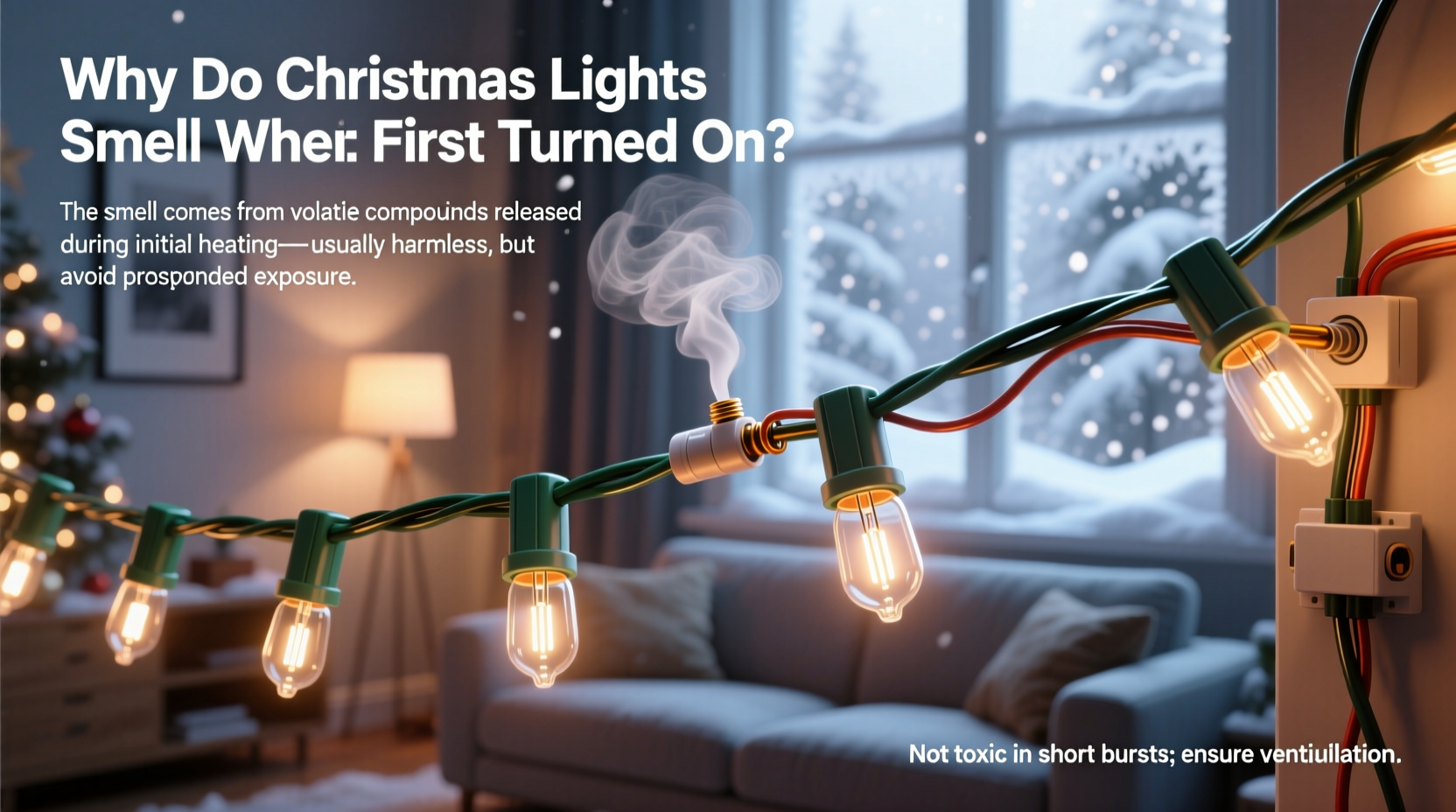
The odor that emerges when you first turn on your Christmas lights after months in storage is typically caused by a combination of factors: accumulated dust, off-gassing from plastic components, and minor electrical resistance heating up wires and sockets.
Dust settles on light strands during storage, especially if they’re kept in garages, attics, or basements. When electricity flows through the wires and bulbs, even briefly, the heat generated can burn or singe this fine layer of dust. This process produces a slight smoky or “toasty” smell—similar to what you might notice when turning on a space heater for the first time in winter.
In addition, many Christmas lights are made with PVC (polyvinyl chloride) insulation around copper wiring. Over time, especially when exposed to temperature fluctuations and humidity, these materials can slowly release volatile organic compounds (VOCs). The initial burst of power can accelerate this off-gassing, contributing to the characteristic odor.
“Anytime you're applying electricity to stored electrical devices, especially those with plastic housings or coatings, some degree of thermal outgassing is expected,” says Dr. Laura Chen, an environmental toxicologist at the University of Colorado. “In most cases, it's minimal and short-lived—but awareness matters, particularly for sensitive individuals.”
Is the Smell Toxic? Understanding the Risks
For the vast majority of people, the brief smell from freshly powered Christmas lights is not toxic. It’s generally considered harmless, especially when used in well-ventilated areas and only lasts a few minutes. However, context matters.
The real concern isn’t acute toxicity but rather exposure duration, concentration, and individual sensitivity. Some components commonly found in older or lower-quality lighting systems may raise red flags:
- PVC insulation: Can release hydrogen chloride gas under high heat or combustion—not typical during normal use, but possible in malfunctioning units.
- Brominated flame retardants (BFRs): Sometimes added to plastics in electronics to reduce fire risk; these can degrade slowly and emit trace fumes when heated.
- Phthalates: Used to soften plastics, which may off-gas slightly over time.
While modern consumer electronics—including UL-certified Christmas lights—are subject to safety regulations limiting hazardous substances, budget or unregulated imports may not meet the same standards. The key is recognizing warning signs.
When Should You Be Concerned?
Not all smells are equal. A mild, dusty warmth fading within minutes is usually nothing to worry about. But certain characteristics suggest potential problems:
| Smell Type | Likely Cause | Risk Level |
|---|---|---|
| Mild, toasty, like heated dust | Dust burning off metal filaments or sockets | Low – Normal |
| Slightly sweet or chemical | Plastic off-gassing (PVC, phthalates) | Moderate – Monitor ventilation |
| Sharp, acrid, or like burnt rubber | Overheating wire insulation or failing component | High – Unplug immediately |
| Fishy or metallic odor | Potential electrical arcing or overheated circuitry | Very High – Fire hazard |
A persistent fishy smell, in particular, is a known indicator of overheating electrical components. According to the U.S. Fire Administration, decorative lighting accounts for an estimated 7% of home decoration fires each year, often due to outdated, damaged, or improperly used lights.
Mini Case Study: The Apartment Incident
In 2022, a family in Portland, Oregon, plugged in a box of vintage Christmas lights inherited from a relative. Within minutes, a sharp, pungent odor filled the living room. One member, who has asthma, began coughing and experiencing tightness in her chest. They turned off the lights and opened windows, but upon inspection, noticed discolored sockets and cracked insulation on several bulbs.
An electrician later confirmed that moisture damage from years of attic storage had degraded the wiring. While no fire occurred, the unit was deemed unsafe. The incident prompted the family to replace all old lights with LED versions and adopt a yearly inspection routine before use.
This example underscores how seemingly nostalgic items can carry hidden hazards—especially when stored long-term without climate control.
How to Use Christmas Lights Safely: A Step-by-Step Guide
To minimize odors and maximize safety, follow this pre-lighting checklist every holiday season:
- Unpack in a ventilated area: Open boxes near a window or outside to allow any residual VOCs to dissipate before plugging in.
- Inspect each strand visually: Look for frayed wires, cracked sockets, loose bulbs, or discoloration. Discard any damaged sets.
- Check certification labels: Ensure lights are labeled UL (Underwriters Laboratories), CSA, or ETL certified. Avoid uncertified imports.
- Test outdoors or in a safe zone: Plug lights into an outdoor outlet or garage for the first few minutes to monitor for smoke, sparks, or strong odors.
- Limit continuous use: Especially for incandescent models, avoid leaving lights on overnight or when unattended.
- Use timers: Automate on/off cycles to reduce heat buildup and energy consumption.
- Store properly after use: Clean gently with a dry cloth, coil loosely, and keep in sealed bins away from moisture and pests.
LED vs. Incandescent: Which Produces Less Odor?
One of the best ways to reduce both odor and risk is upgrading to LED Christmas lights. Here's how the two compare:
| Feature | Incandescent Lights | LED Lights |
|---|---|---|
| Heat Output | High – Filaments reach over 200°C | Low – Runs cool to touch |
| Energy Use | High – Up to 10x more than LEDs | Low – Energy-efficient |
| Dust Burn-Off Smell | Common – Due to high heat | Rare – Minimal heating |
| Plastic Off-Gassing Risk | Moderate – Heat accelerates VOC release | Very Low – Little thermal stress |
| Lifespan | ~2,000 hours | ~25,000–50,000 hours |
| Fire Risk | Higher – Especially with prolonged use | Minimal – Safer for indoor/trees |
Because LEDs generate significantly less heat, they are far less likely to burn dust or trigger off-gassing from surrounding materials. They also consume less power, reducing strain on circuits—making them ideal for large displays or homes with older wiring.
“Switching to LED holiday lighting isn’t just about saving on your electric bill—it’s a meaningful step toward indoor air quality and fire safety,” notes Mark Delgado, senior electrical inspector with the National Fire Protection Association (NFPA).
FAQ: Common Questions About Christmas Light Smells
Can the smell from Christmas lights make me sick?
For most people, no—especially if the odor is brief and mild. However, individuals with respiratory conditions like asthma, COPD, or chemical sensitivities may experience temporary irritation such as headaches, coughing, or throat discomfort. Ensuring good airflow and using low-emission LED lights can help mitigate symptoms.
Why do my new Christmas lights still smell?
Even brand-new lights can emit a slight plastic or chemical odor due to manufacturing residues or packaging materials. This usually fades after a few hours of use in a ventilated space. If the smell is strong or lingers, consider returning the product—especially if it lacks safety certifications.
Are scented Christmas lights a thing?
Yes, though rare. Some novelty products include fragrance capsules designed to release pine or cinnamon scents when warmed by the lights. These are intentionally aromatic and differ from the unintentional smells discussed here. Always verify ingredients and ensure proper ventilation if using scented varieties.
Final Checklist: Safe Holiday Lighting Practices
- ✅ Inspect all light strands before use
- ✅ Choose UL-listed or ETL-certified products
- ✅ Prefer LED over incandescent where possible
- ✅ Plug in initially in a ventilated or outdoor area
- ✅ Watch for persistent or acrid odors
- ✅ Replace damaged or flickering strings
- ✅ Use surge protectors and avoid daisy-chaining too many strands
- ✅ Turn off lights before sleeping or leaving home
Conclusion: Enjoy the Glow Without the Worries
The familiar scent of Christmas lights flickering to life is part of the season’s sensory tapestry—for many, it signals warmth, nostalgia, and celebration. In most cases, that initial whiff is simply dust meeting electricity, not a cause for alarm.
But understanding the underlying mechanisms helps separate myth from reality. With rising awareness of indoor air quality and electrical safety, small changes—like switching to LEDs, checking certifications, and airing out decorations—can go a long way.
Holiday traditions should bring joy, not risk. By treating your Christmas lights not just as décor but as electrical devices deserving care, you protect your home, your health, and the spirit of the season.




 浙公网安备
33010002000092号
浙公网安备
33010002000092号 浙B2-20120091-4
Comments
No comments yet. Why don't you start the discussion?