
Every holiday season, millions of homes light up with festive strings of Christmas lights. From delicate icicle strands along rooftops to vibrant displays wrapping trees and railings, these decorations bring warmth and joy. But sometimes, when you plug them in, there’s a brief flash — a spark. Is that normal? Or should you be worried?
Sparking at the plug or outlet when connecting Christmas lights can seem alarming, but not all sparks are dangerous. Some are harmless byproducts of electrical physics, while others signal real fire hazards. Understanding the difference could prevent property damage, injury, or worse.
This guide breaks down why sparking occurs, how to distinguish between safe and dangerous sparks, and what steps to take if your lights pose a risk. Whether you're hanging lights for the first time or have decades of experience, knowing what to watch for keeps your celebrations safe.
The Science Behind Electrical Sparks
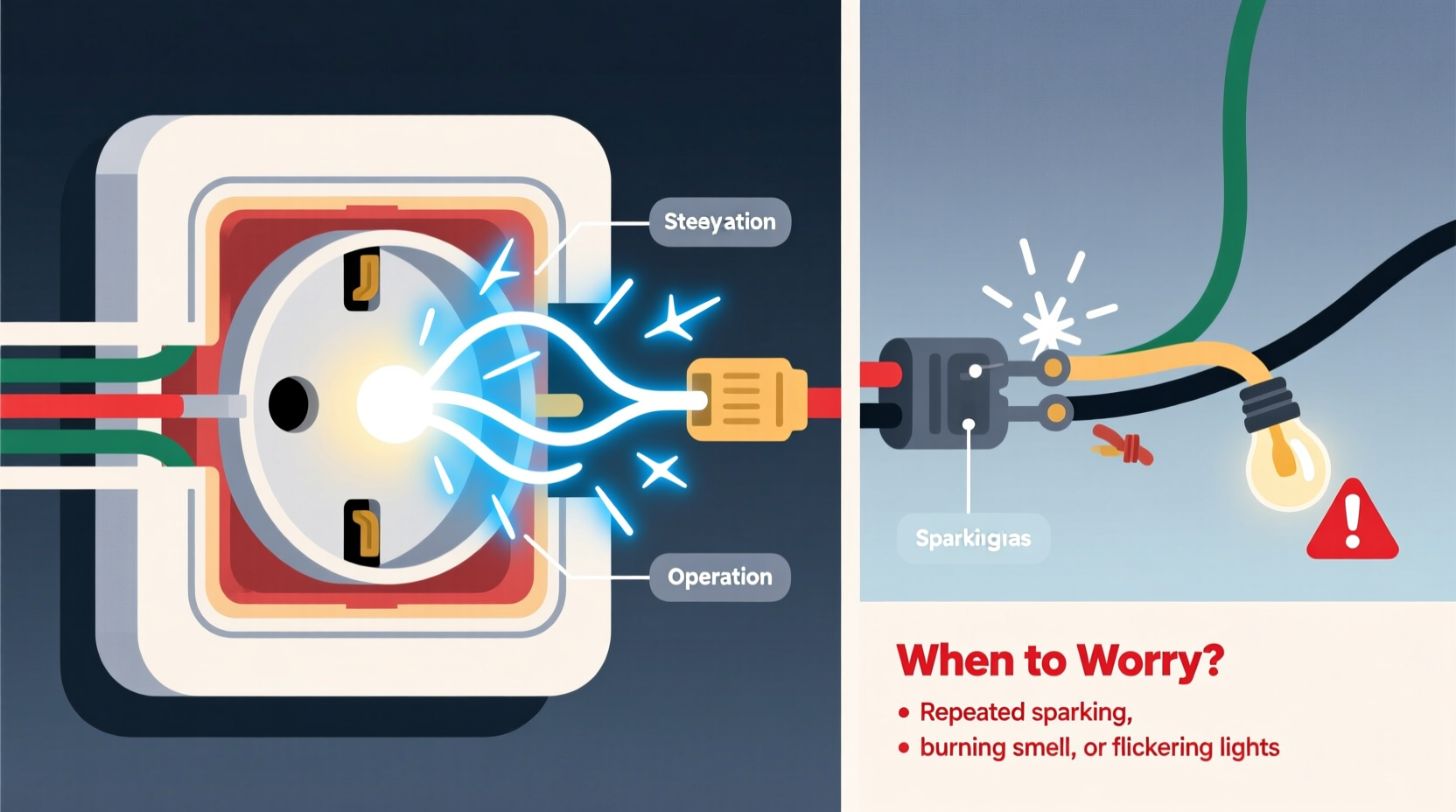
When you plug in any electrical device, including Christmas lights, a small spark may occur as the prongs make contact with the outlet. This phenomenon is known as an “arc” — a sudden discharge of electricity across a gap between two conductors. In technical terms, it’s caused by inrush current: the brief surge of power needed to energize the circuit the moment connection is made.
In low-voltage or resistive loads like incandescent bulbs, this surge stabilizes almost instantly. The filament heats up, resistance increases, and current flow normalizes. During this split-second transition, electrons jump the tiny air gap between the plug and socket, creating visible light — the spark.
This type of spark is typically:
- Blue-white in color
- Very brief (less than a second)
- Accompanied by a faint snapping sound
- Contained within the outlet
Such behavior is common and generally safe, especially with older-style incandescent mini-lights that draw more initial current than LEDs. Modern LED strings produce less inrush current, so they’re less likely to spark — but even they aren’t immune.
“Small, instantaneous sparks during plug-in are often just physics in action — not necessarily a fault. It’s duration, repetition, and context that matter.” — Dr. Alan Reeves, Electrical Safety Engineer, National Fire Protection Association (NFPA)
When Sparking Becomes a Warning Sign
Not all sparks are created equal. While a quick blue flash upon insertion might be normal, certain characteristics indicate a potentially hazardous situation. These warning signs should never be ignored:
- Persistent arcing: If the spark continues after the plug is fully seated, or flickers repeatedly, it suggests poor contact, worn wiring, or internal damage.
- Large orange or yellow sparks: These indicate higher energy discharge, often due to loose connections, overloaded circuits, or failing insulation.
- Burning smell or discoloration: Melted plastic on the plug, scorch marks on the outlet faceplate, or a sharp odor of ozone or burnt rubber mean heat buildup has occurred — a precursor to fire.
- Sparks from the light string itself: If flashing comes from along the wire or near bulb sockets rather than the plug, it points to exposed wires, moisture intrusion, or broken insulation.
- Outlet feels warm or hot: A heated outlet after use indicates excessive current draw or resistance, both fire risks.
Repeated sparking every time you plug in the same set — particularly if it wasn’t happening before — may suggest degradation over time. Wires degrade with age, especially if stored improperly or exposed to weather. Corrosion, fraying, or rodent damage can compromise safety even if the lights still appear functional.
Step-by-Step Guide: What to Do When Lights Spark
If your Christmas lights spark when plugged in, follow this sequence to assess danger and act appropriately:
- Unplug immediately. Do not wait. Even if the lights stay lit, continued use under faulty conditions increases fire risk.
- Inspect the plug and cord. Look for melted plastic, exposed copper, kinks, or frayed sections. Run fingers gently along the wire to feel for thin spots or bulges.
- Check the outlet. Remove the cover plate (only when power is off) and examine for charring, bent receptacle contacts, or loose screws. If the outlet shows damage, stop using it and consult an electrician.
- Test with another outlet. Plug the lights into a different circuit — preferably on a separate breaker — to see if the issue follows the lights or remains with the original outlet.
- Use a multimeter (if available). Test continuity across the strand and check for short circuits. No continuity means a broken filament; erratic readings suggest internal faults.
- Consider age and storage history. Lights older than 5–7 years are more prone to failure. Exposure to moisture, extreme temperatures, or pests accelerates deterioration.
- Replace, don’t repair. Never attempt to splice damaged wires or replace individual fuses unless you're trained. Factory-sealed strings are not user-serviceable.
After inspection, if any red flags exist — persistent sparking, physical damage, overheating — discard the lights safely. Wrap ends in tape before disposal to prevent accidental contact.
Do’s and Don’ts of Holiday Lighting Safety
| Do | Don’t |
|---|---|
| Use lights rated for indoor or outdoor use only where specified | Use indoor-only lights outside, even temporarily |
| Inspect each strand before plugging in | Plug in without checking for visible damage |
| Follow manufacturer’s limits on daisy-chaining | Connect more than three standard strands end-to-end |
| Use LED lights where possible (lower heat, less current draw) | Mix old and new light types on the same circuit |
| Install GFCI-protected outlets for outdoor setups | Leave lights unattended or on overnight without timers |
Real Example: A Close Call in Denver
In December 2022, a homeowner in Denver plugged in her family’s vintage Christmas light display — a tradition spanning over 20 years. As she inserted the main plug, a bright orange spark erupted, followed by a popping noise. She unplugged it immediately.
Upon closer inspection, she noticed one section of the wire had been chewed — likely by mice during summer storage. Moisture had entered the damaged area, corroding the copper and creating a high-resistance point. When powered, the spot heated rapidly, causing intermittent arcing.
She contacted an electrician who confirmed the fault and advised replacing all strands. Further testing revealed two other sets with hidden cracks in insulation. All were retired. Her prompt response prevented a potential house fire.
This case underscores a critical truth: damage isn't always obvious. Just because lights still glow doesn’t mean they’re safe.
Expert Tips for Prevention and Longevity
Maintaining your Christmas lights properly reduces the chance of dangerous sparking and extends their usable life. Follow these best practices:
- Store lights on reels or cardboard spools. Avoid throwing them loosely into boxes where tangling causes stress fractures.
- Keep them dry. Use sealed plastic bins with desiccant packs to prevent moisture buildup, which accelerates corrosion.
- Label indoor vs. outdoor sets. Prevent misuse by clearly marking each container.
- Upgrade to LEDs. They consume up to 90% less energy, generate minimal heat, and last significantly longer than incandescent bulbs.
- Use smart timers or remotes. Automate lighting schedules to reduce manual handling and limit daily runtime.
Frequently Asked Questions
Is it normal for Christmas lights to spark when plugged in?
A very brief, blue-white spark at the moment of plug-in is usually normal and caused by inrush current. However, large, repeated, or prolonged sparking — especially if accompanied by noise, smell, or heat — is not normal and indicates a problem that needs attention.
Can sparking Christmas lights cause a fire?
Yes. Persistent arcing generates intense heat, which can ignite nearby combustible materials like curtains, dry wood, or paper decorations. According to the U.S. Fire Administration, holiday decorations contribute to an estimated 800 home fires annually — many linked to faulty lights or electrical issues.
How long should Christmas lights last before being replaced?
Incandescent mini-lights typically last 3–5 years with seasonal use. LEDs can last 10 years or more. However, lifespan depends heavily on storage, environment, and usage. Any signs of wear — dimming, flickering, visible damage — mean it’s time to replace them, regardless of age.
Final Checklist: Safe Holiday Lighting
- ✅ Inspect all light strands for damage before use
- ✅ Verify labels: indoor vs. outdoor, voltage compatibility
- ✅ Test one strand at a time on a dedicated circuit
- ✅ Watch for sparks, smoke, or unusual smells
- ✅ Use grounded outlets and surge protectors
- ✅ Install outdoor lights on GFCI-protected circuits
- ✅ Limit daisy-chaining to manufacturer specifications
- ✅ Turn off lights when leaving home or sleeping
- ✅ Store properly after the season ends
- ✅ Replace damaged or aging sets promptly
Conclusion: Celebrate Safely
Christmas lights spark for reasons ranging from harmless physics to serious electrical faults. Recognizing the difference protects your home and loved ones. A fleeting blue flash may be nothing — but a sizzling, smoky arc demands immediate action.
Take the time each year to inspect, test, and responsibly manage your holiday lighting. Upgrade where possible, store with care, and never ignore warning signs. With thoughtful habits, you can enjoy dazzling displays without compromising safety.




 浙公网安备
33010002000092号
浙公网安备
33010002000092号 浙B2-20120091-4
Comments
No comments yet. Why don't you start the discussion?