
Walking through a European Christmas market on a cold winter evening, one element consistently captures the imagination: the warm, golden glow of string lights draped over wooden stalls, winding through trees, and arching across cobblestone alleys. These aren’t just any holiday decorations—they’re carefully chosen, purpose-built lighting systems designed for more than just aesthetics. Behind the enchanting sparkle lies a blend of engineering, tradition, and practical necessity that explains exactly why Christmas markets use specific types of string lights.
The choice of lighting is never arbitrary. From energy efficiency and weather resistance to visual warmth and crowd safety, every aspect is considered. Whether you're organizing a local market or simply curious about the magic behind the glow, understanding these choices reveals how function and festivity coexist in perfect harmony.
The Role of Ambiance in Christmas Markets
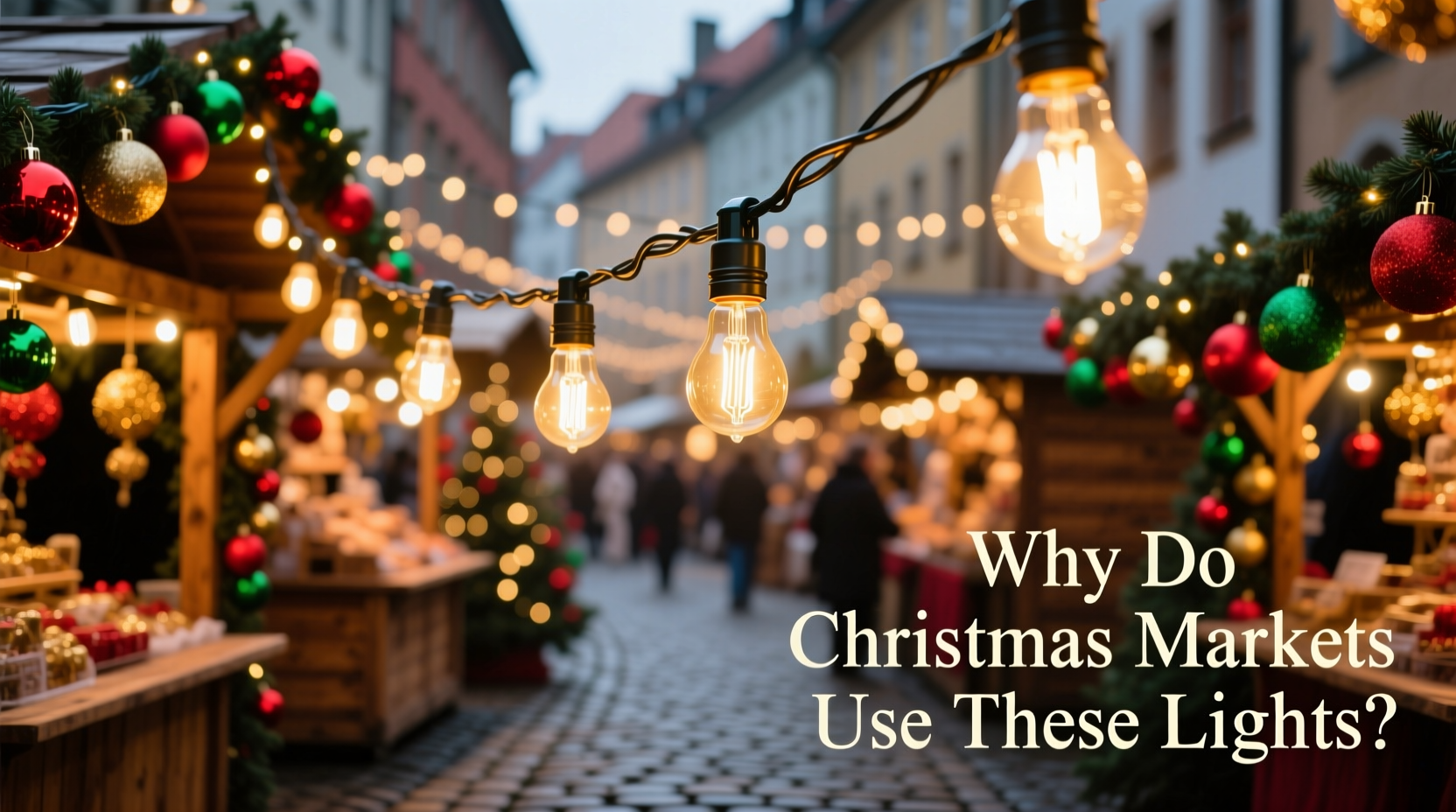
Ambiance is the soul of any Christmas market. Unlike commercial shopping centers or pop-up vendors, these seasonal gatherings aim to evoke nostalgia, comfort, and wonder. Lighting plays a central role in shaping this emotional experience. The soft, diffused glow of traditional incandescent bulbs—often with a warm white or amber hue—creates an inviting atmosphere that mimics candlelight, reinforcing the old-world charm associated with European holiday traditions.
This intentional use of light goes beyond decoration; it’s psychological. Studies in environmental psychology show that warm-toned lighting promotes feelings of safety, intimacy, and joy—exactly the emotions market organizers want visitors to associate with their event. Cooler, bluer lights, while energy-efficient, can feel sterile or clinical, which is why they are rarely used in authentic Christmas market settings.
“Lighting isn’t just illumination—it’s storytelling. In Christmas markets, every bulb contributes to a narrative of warmth, community, and celebration.” — Dr. Lena Hoffmann, Urban Design Researcher, Technical University of Munich
Moreover, the rhythmic spacing and gentle flicker (real or simulated) of certain string lights mimic firelight, tapping into deep-seated human associations with hearths, homes, and gathering. This subtle sensory cue enhances dwell time, encouraging visitors to linger, shop, and enjoy food and drink—key drivers of market success.
Safety and Durability: Built for Winter Conditions
Christmas markets operate outdoors, often in harsh winter climates where temperatures drop below freezing, snow accumulates, and moisture is constant. Standard decorative lights would fail quickly under such conditions. The string lights used in these markets must meet rigorous safety and durability standards.
Most market-grade string lights are rated IP44 or higher, meaning they are protected against solid objects larger than 1mm and splashing water from any direction. This makes them suitable for prolonged outdoor exposure without risk of short-circuiting or electrical hazards. Additionally, many are constructed with shatter-resistant PVC-coated wires and insulated sockets to prevent cracking in cold weather.
Electrical safety is another critical factor. Market lights are typically wired in parallel circuits, so if one bulb fails, the rest remain lit. This reduces maintenance needs and prevents entire sections from going dark unexpectedly. They also operate on low-voltage systems (often 24V or 48V) when possible, minimizing fire risks and electric shock hazards in high-traffic public areas.
Durability extends beyond weather resistance. These lights are designed for repeated annual use. Commercial-grade string lights used in major markets like Nuremberg or Vienna are built to last 5–10 seasons with proper storage and inspection. This longevity offsets initial costs and supports sustainability goals by reducing waste.
Technical Specifications: What Sets Market Lights Apart
Not all string lights are created equal. The ones selected for Christmas markets differ significantly from consumer-grade holiday lights found in retail stores. Below is a comparison of key features:
| Feature | Christmas Market Lights | Consumer Holiday Lights |
|---|---|---|
| Voltage | 12V–48V (low-voltage), or 120V/230V with GFCI protection | Typically 120V/230V, limited surge protection |
| Weather Rating | IP44 to IP67 (fully outdoor-rated) | Often IP20–IP40 (indoor/light outdoor use) |
| Bulb Type | Incandescent (warm glow) or LED with warm CCT (2700K) | Mixed—often cooler LEDs (3000K+) |
| Lifespan | 10,000–50,000 hours (LED), 2,000–3,000 (incandescent) | 1,000–5,000 hours |
| Cable Material | PVC-insulated, UV-stabilized, flexible in cold | Thin rubber or basic plastic, prone to brittleness |
| Installation Method | Modular connectors, ground stakes, tension cables | Plugs and clips, not designed for permanent rigging |
Many modern markets now use LED versions of traditional filament-style bulbs—often called \"vintage LEDs\"—which replicate the look of incandescents while consuming up to 80% less energy. These combine aesthetic authenticity with operational efficiency, making them ideal for large-scale installations requiring thousands of meters of lighting.
Another technical consideration is load management. Large markets may deploy centralized power distribution units that divide circuits into zones, allowing operators to control brightness, timing, and emergency cutoffs remotely. Some even integrate smart controls for dimming or synchronized twinkling effects—all while staying within municipal electrical codes.
Case Study: Lighting the Striezelmarkt in Dresden
The Striezelmarkt in Dresden, Germany—one of the oldest documented Christmas markets in the world (established 1434), faces unique challenges due to its location along the Elbe River. High humidity, frequent fog, and occasional flooding require lighting solutions that are both resilient and safe.
In 2018, the city upgraded its lighting infrastructure using a hybrid system: warm-white LED strings (2700K) with shatterproof E27 bases and IP65-rated housings were installed across main walkways. These were powered via grounded distribution boxes spaced every 15 meters, each equipped with residual-current devices (RCDs) to prevent electrocution in wet conditions.
The result? A 40% reduction in energy consumption compared to previous incandescent setups, zero electrical incidents during the season, and overwhelmingly positive visitor feedback about the “cozy yet modern” feel of the market. City officials noted that the new system paid for itself within three years due to lower utility and maintenance costs.
This case illustrates how thoughtful lighting selection balances heritage aesthetics with contemporary safety and efficiency demands.
Tradition vs. Innovation: Maintaining Authenticity
Despite advances in LED technology, many markets resist full modernization to preserve authenticity. Visitors don’t just come for gifts and glühwein—they come for the experience. And part of that experience is the familiar, slightly imperfect glow of older-style lighting.
Traditional incandescent bulbs emit a continuous spectrum of light, producing a richer, more natural warmth than early LEDs. While modern LEDs have improved dramatically, some purists argue that only real filament bulbs create the correct emotional resonance. As a result, hybrid approaches are common: using LED filaments that mimic the shape and color of vintage bulbs, or blending LED and incandescent sections strategically.
In Austria’s Salzburg Christkindlmarkt, regulations require that at least 70% of visible lighting must appear “candle-like” in tone and diffusion. This has led to the adoption of frosted glass bulbs with internal LED filaments—offering compliance with energy standards while meeting aesthetic mandates.
Furthermore, the physical design of the lights matters. Market stalls often use C7 or C9-sized bulbs (larger than mini-lights) because they are more visible in open-air environments and cast broader pools of light. Their spacing—typically 12 to 18 inches apart—creates a rhythm that guides the eye and defines architectural lines without overwhelming the space.
Step-by-Step: How Market Organizers Choose String Lights
Selecting the right lighting involves a deliberate process. Here’s how professional market planners typically approach it:
- Assess Environmental Conditions: Determine average temperatures, wind exposure, precipitation levels, and proximity to water sources.
- Define Aesthetic Goals: Decide whether the theme calls for rustic charm, alpine simplicity, or urban elegance—each influences bulb style and color temperature.
- Calculate Power Needs: Estimate total linear meters of lighting required and consult with electricians to plan circuit loads and transformer placement.
- Select Bulb Type and Base: Choose between incandescent, halogen, or LED based on budget, lifespan, and heat output. E26/E27 bases are standard for replaceability.
- Verify Safety Certifications: Ensure products meet regional electrical standards (e.g., CE in Europe, UL in North America) and carry appropriate IP ratings.
- Test Sample Runs: Install sample strands in similar conditions to evaluate brightness, color consistency, and ease of mounting.
- Plan Storage & Reuse: Design coiling and labeling systems for post-season disassembly to maximize reuse and minimize damage.
This structured approach ensures reliability, safety, and visual coherence across the entire market.
Checklist: Choosing the Right String Lights for a Holiday Market
- ✅ Weather-resistant (IP44 or higher)
- ✅ Warm color temperature (2700K–3000K)
- ✅ Durable cable and connectors
- ✅ Low-voltage or GFCI-protected operation
- ✅ Compatible with modular extension systems
- ✅ Easily serviceable (individual bulb replacement)
- ✅ Compliant with local electrical codes
- ✅ Designed for repeated seasonal use
Frequently Asked Questions
Why don’t Christmas markets use colorful or multicolored lights?
Most traditional European Christmas markets avoid multicolored lights to maintain a cohesive, elegant atmosphere. Warm white tones create unity across stalls and enhance the natural warmth of wood, food, and firelight. Colorful lights are often seen as too playful or commercial, clashing with the desired nostalgic mood.
Are LED lights really better for Christmas markets?
Yes, modern warm-white LEDs offer significant advantages: lower energy use, longer lifespan, minimal heat output, and greater durability. When designed to mimic incandescent aesthetics (e.g., filament-style LEDs), they provide the best of both worlds—authentic appearance with modern performance.
How are string lights powered in large markets?
Larger markets use centralized power distribution systems with multiple grounded outlets spaced throughout the site. Temporary underground conduits or overhead catenary wires deliver electricity safely to vendor zones. All circuits are monitored and protected with RCDs/GFCIs to ensure public safety.
Conclusion: More Than Just Decoration
The string lights at Christmas markets are far more than festive adornments—they are engineered elements of urban design, safety planning, and cultural storytelling. Every choice, from bulb color to wire thickness, serves a purpose that blends emotion with practicality.
Understanding why specific types of string lights are used enriches our appreciation of these beloved events. It reminds us that behind every glowing canopy is a team of planners, electricians, and designers committed to creating magic—responsibly and sustainably.




 浙公网安备
33010002000092号
浙公网安备
33010002000092号 浙B2-20120091-4
Comments
No comments yet. Why don't you start the discussion?