
A freshly cut Christmas tree brings warmth, fragrance, and tradition into the home each holiday season. But many homeowners are surprised—and sometimes alarmed—by how quickly the water level in the tree stand drops. It's not uncommon for a tree to drink more than a gallon of water in the first 24 to 48 hours after setup. While this might seem excessive, it’s actually normal behavior under certain conditions. Understanding the science behind this rapid water loss and knowing how to manage it can mean the difference between a lush, fragrant tree and a dry, dropping hazard by New Year’s Eve.
The key lies in recognizing that a cut evergreen is still biologically active. Even after being severed from its roots, the tree continues to transpire—losing moisture through its needles—and relies on the water in the stand to stay hydrated. The faster it loses water, the more it needs to replace it. But several environmental and logistical factors influence just how fast that water disappears.
Why Christmas Tree Water Levels Drop So Quickly
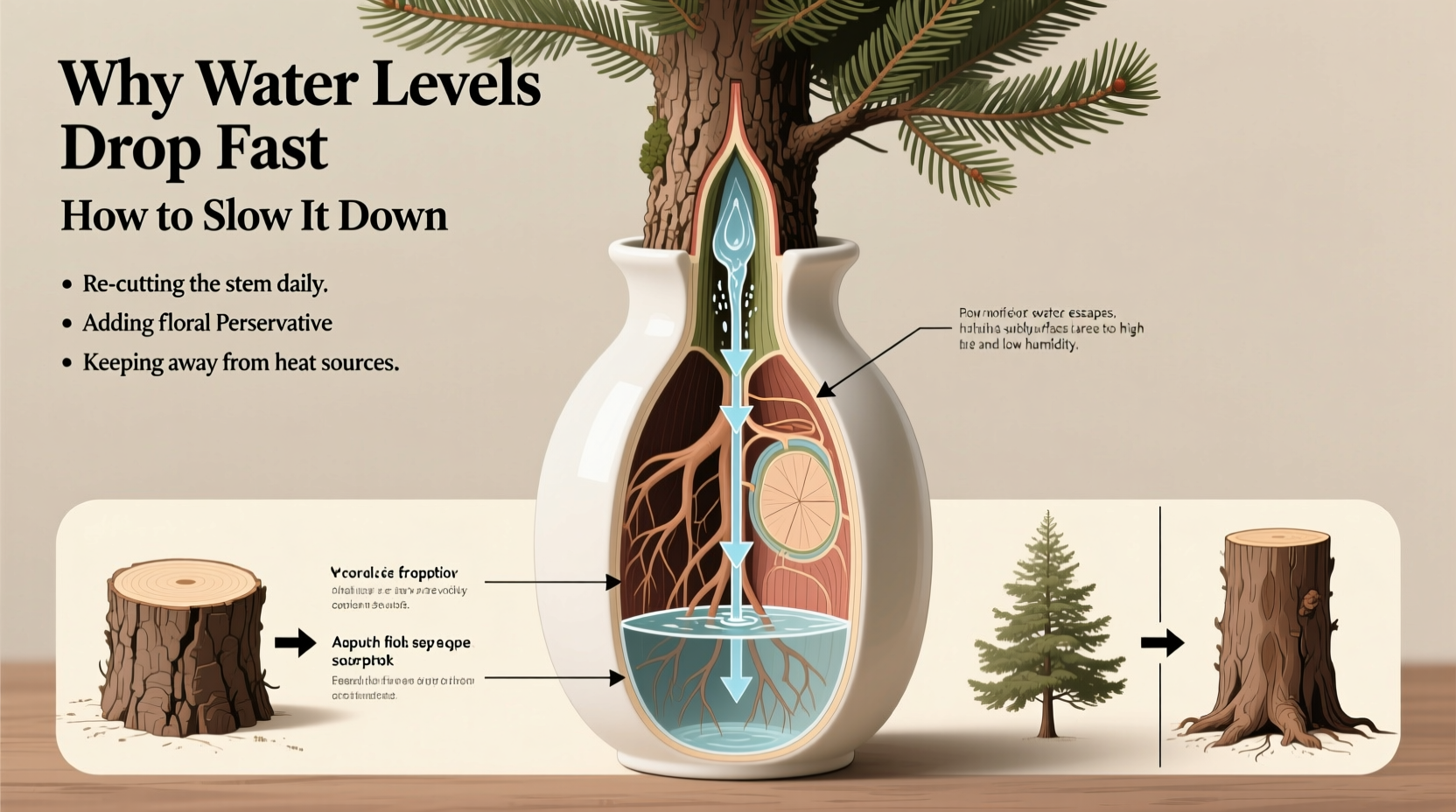
The primary reason water levels drop rapidly is due to the natural process of transpiration. Trees release moisture through tiny pores in their needles called stomata. This process helps regulate temperature and nutrient flow in living trees and continues even after cutting. Once inside a warm home, the rate of transpiration increases significantly.
Indoor heating systems reduce humidity and raise air temperature, creating an environment that accelerates moisture loss. A study by the National Christmas Tree Association found that a typical six- to seven-foot tree can lose up to one quart of water per day for every inch of trunk diameter—meaning a tree with a four-inch trunk could consume over a gallon daily during peak drying periods.
In addition to transpiration, evaporation from the surface of the water in the stand contributes to the drop in levels. Open reservoirs exposed to warm, dry air will lose water directly to the atmosphere, independent of the tree’s uptake.
Factors That Accelerate Water Loss
Several variables affect how fast your tree drinks water and how quickly the reservoir empties. Recognizing these allows you to adjust your care routine accordingly.
- Indoor Temperature: Homes kept above 70°F (21°C) dramatically increase transpiration rates. Every few degrees higher can double water consumption.
- Low Humidity: Heated winter air often has less than 30% relative humidity, far below the 50–60% ideal for tree health.
- Tree Species: Some varieties, like Balsam Fir or Douglas Fir, retain moisture better than others such as Leyland Cypress, which are notorious for rapid drying.
- Time Between Cutting and Watering: If the tree sits unwatered for more than four to six hours after cutting, the sap seals the trunk end, reducing water absorption later—even if you make a fresh cut.
- Trunk Diameter: Larger trunks have more xylem tissue (the vascular system that transports water), enabling greater water uptake capacity.
- Light Exposure: Trees placed near windows, fireplaces, or heat vents lose moisture faster due to radiant heat and airflow.
“Water loss isn’t just about evaporation—it’s mostly the tree breathing out moisture. Keeping it hydrated isn’t optional; it’s essential for fire safety and appearance.” — Dr. Gary Chastagner, Professor of Plant Pathology, Washington State University
How to Slow Down Water Loss: Practical Strategies
While you can't stop transpiration entirely, you can significantly slow water loss and extend your tree’s freshness with targeted interventions.
1. Make a Fresh Cut Before Setting Up
Even if your tree was pre-cut at the lot, it likely sat for hours or days. Sap begins sealing the cut surface within hours, blocking capillary action. Use a sharp saw to remove at least half an inch from the base before placing it in water. Do this right before setup to maximize effectiveness.
2. Use a Large-Capacity Stand
A small stand holds only a quart or two—insufficient for most full-sized trees. Opt for a stand that holds at least one gallon. Larger trees (over 7 feet) benefit from stands holding 2–3 gallons.
3. Keep the Reservoir Full at All Times
Never let the water level fall below the base of the trunk. Once the cut dries out, reabsorption becomes difficult, even after re-cutting. Refill before bedtime and first thing in the morning.
4. Add Commercial Preservatives (or DIY Alternatives)
Commercial tree preservatives contain ingredients that promote water uptake and inhibit bacterial growth. While plain water works, additives can improve performance. A common DIY mix includes:
- 1 quart warm water
- 1 tablespoon sugar (energy source)
- ½ teaspoon chlorine bleach (to kill bacteria)
- Optional: ¼ teaspoon 3% hydrogen peroxide (aeration)
5. Increase Room Humidity
Use a humidifier near the tree to counteract dry indoor air. Raising relative humidity to 40–50% reduces transpiration stress. Placing shallow trays of water nearby can also help slightly through passive evaporation.
6. Relocate Away From Heat Sources
Move the tree away from radiators, fireplaces, heating vents, and direct sunlight. Even a few extra feet can reduce ambient temperature and airflow around the tree, slowing dehydration.
Step-by-Step Guide to Maximizing Tree Hydration
- Day 0 – Purchase & Transport: Choose a healthy tree with flexible needles and minimal shedding. Have the seller make a fresh cut, or do it yourself upon arrival.
- Day 0 – Setup Preparation: Fill the stand with warm water mixed with preservative solution. Ensure the stand is clean and free of debris.
- Day 0 – Installation: Place the freshly cut trunk into the stand immediately. Secure tightly to prevent tipping.
- Days 1–3 – Vigilant Monitoring: Check water levels every 8–12 hours. Expect high initial consumption. Refill as needed.
- Ongoing (Daily): Top off water daily. Inspect for cloudiness or slime—if present, empty, scrub the stand, and refill with fresh solution.
- Weekly: Mist needles lightly with water if room humidity is low. Rotate lights or decorations if they generate heat.
- Final Days: As holidays end, monitor for increased needle drop or brittleness—a sign the tree is nearing the end of its life indoors.
Do’s and Don’ts: Best Practices Summary
| Do | Don’t |
|---|---|
| Make a fresh cut before placing in water | Let the cut end dry out before watering |
| Use a large-capacity stand (1+ gallons) | Use decorative sleeves that block access to water |
| Keep water level above the trunk base at all times | Assume \"once a day\" is enough—check multiple times early on |
| Add preservative or DIY sugar/bleach mix | Use soft drinks, alcohol, or unproven additives |
| Place tree away from heat sources and vents | Set up next to a fireplace or radiator |
Mini Case Study: The Overheated Living Room Tree
In December 2022, Sarah M. in Columbus, Ohio, set up her eight-foot Fraser Fir in the corner of her living room—directly above a floor vent. Though she made a fresh cut and filled the stand daily, she noticed alarming water loss: nearly two gallons gone in 36 hours. By day five, the tree began shedding needles aggressively.
After consulting a local extension office, she realized the forced hot air was drying the tree faster than it could absorb water. She turned off the vent, closed the register, and placed a portable humidifier nearby. She also wrapped the lower trunk in damp burlap. Within 24 hours, water consumption stabilized to about one gallon every two days, and needle retention improved noticeably. The tree remained fresh through January 6th—their family’s traditional takedown date.
This case illustrates how localized heat can override even good hydration practices. Small environmental changes can yield dramatic improvements in tree longevity.
Frequently Asked Questions
Is it normal for my tree to drink a gallon of water in one day?
Yes, especially during the first 48 hours. A large-diameter tree in a warm room can easily consume a gallon or more per day initially. As long as the trunk remains submerged and the tree looks vibrant, this is a sign of healthy water uptake—not a problem.
Can I revive a tree that has dried out?
If the tree has been out of water for less than 12 hours, a fresh cut may restore absorption. However, if the cut surface has sealed and the needles are brittle, revival is unlikely. Prevention is far more effective than attempted recovery.
Does spraying the tree with water help?
Misting provides only temporary relief and evaporates quickly. It does not substitute for proper reservoir hydration. However, occasional light misting in very dry homes can reduce static and dust buildup on needles.
Expert Checklist: Maximize Your Tree’s Freshness
- ☑ Cut ½ inch off the base before setup
- ☑ Use a stand holding at least 1 gallon
- ☑ Fill with warm water + preservative or DIY mix
- ☑ Place tree away from heat sources and vents
- ☑ Check water level twice daily for first week
- ☑ Never let water drop below the trunk base
- ☑ Clean and refill the stand weekly if needed
- ☑ Monitor for needle drop and brittleness
- ☑ Remove tree before it becomes a fire hazard (typically after 4 weeks indoors)
Conclusion: Keep Your Tree Fresh and Safe All Season
A rapidly dropping water level isn’t a flaw—it’s a signal. Your Christmas tree is communicating its need for hydration in the only way it can. By responding promptly and intelligently, you ensure not only visual appeal but also household safety. Dry trees are a leading cause of holiday fires, according to the U.S. Fire Administration, with heat sources and dehydration as major contributing factors.
The habits you adopt now—daily checks, smart placement, proper cutting, and using effective water solutions—can extend your tree’s life by weeks. More importantly, they bring peace of mind during a busy, joyful time of year.




 浙公网安备
33010002000092号
浙公网安备
33010002000092号 浙B2-20120091-4
Comments
No comments yet. Why don't you start the discussion?