
Dog owners across the world know the familiar scene: the bath is finally over, the towel-drying begins, and suddenly—your dog explodes into a whirlwind of sprinting, spinning, and joyful chaos. These bursts of frenetic activity, affectionately known as “zoomies,” are especially common after a bath. While they may seem random or even comical, there are clear behavioral, physiological, and psychological explanations behind this post-bath phenomenon. Understanding why dogs do zoomies after a bath isn’t just entertaining—it offers insight into canine communication, stress responses, and natural instincts.
The Science Behind Canine Zoomies
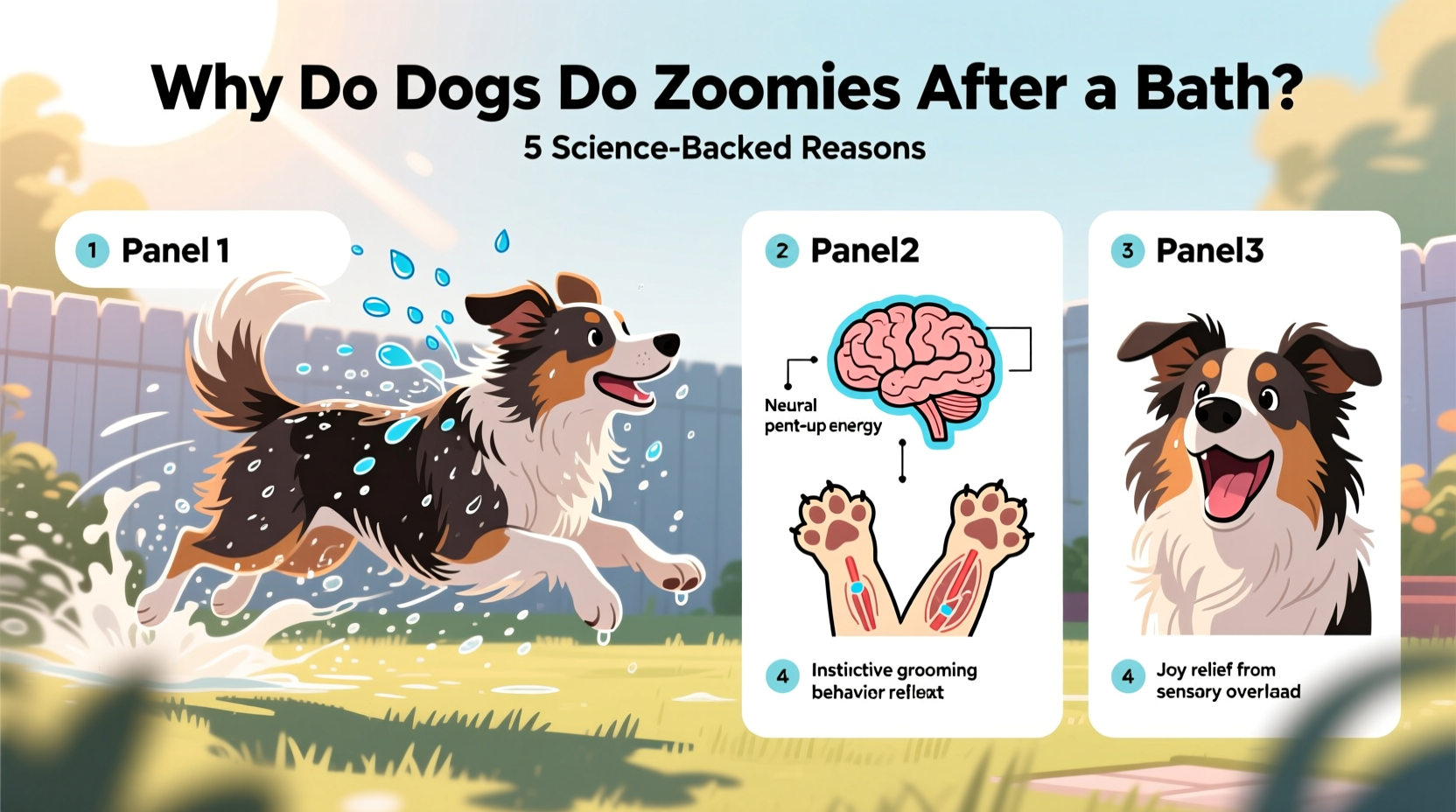
Zoomies, formally known as Frenetic Random Activity Periods (FRAPs), are short bursts of high-energy running, jumping, and spinning that dogs engage in when excited, relieved, or overwhelmed. These episodes typically last between 10 seconds to several minutes and are completely normal in healthy dogs. They often occur at predictable times—after waking up, during play, or following stressful events like grooming or bathing.
From a neurological standpoint, zoomies serve as a release valve for pent-up energy. Dogs, especially those with high prey drives or working-line genetics, accumulate physical and mental tension throughout the day. A bath, while necessary, can be an unnatural and mildly stressful experience involving water, unfamiliar scents, handling, and restraint. Once the perceived threat ends, the nervous system shifts from a state of alertness to relief, triggering a sudden surge of adrenaline and endorphins. This biochemical shift manifests as explosive movement—the dog literally runs off the stress.
“FRAPs are a self-regulating mechanism. They help dogs reset their emotional state after periods of confinement or discomfort.” — Dr. Karen Becker, Integrative Veterinarian
Post-Bath Sensory Overload and Relief
Bathing involves multiple sensory disruptions: wet fur clinging to the body, altered balance due to added water weight, strong-smelling shampoos, and the loss of natural scent markers. For dogs, whose primary sense is smell, these changes can feel disorienting. Their usual odor—a mix of skin secretions, environmental exposure, and microbial flora—is temporarily erased. This olfactory disruption can cause mild anxiety or confusion.
Once the bath concludes and the dog is released, the sudden return to dry land and freedom triggers a powerful sense of liberation. The act of shaking off water, followed by rapid running, helps restore tactile comfort. Running allows the dog to reestablish proprioception (body awareness) and redistribute natural oils across their coat through motion. It’s not just joy—it’s recalibration.
The Role of Scent and Identity Restoration
Dogs identify themselves and others largely through scent. When you bathe your dog, you strip away their personal olfactory signature. To a dog, this can feel like losing part of their identity. In the wild, canines roll in strong-smelling substances—not out of mischief, but to re-mark themselves and mask their presence from predators or prey.
Post-bath zoomies often include behaviors like rolling on the grass, rubbing against furniture, or dashing through dirty areas. These actions are deliberate attempts to reclaim lost scent. By running through familiar environments, the dog collects new odors on their damp coat, effectively rebuilding their scent profile. This explains why many dogs head straight for the dirtiest spot in the yard after a bath—they’re not being defiant; they’re re-establishing who they are.
| Behavior | Possible Reason | Canine Benefit |
|---|---|---|
| Spinning in circles | Disorientation from wet fur or ear pressure | Restores balance and spatial awareness |
| Sprinting in zigzags | Release of adrenaline and cortisol | Reduces stress hormones |
| Rolling on the ground | Reclaiming lost scent | Rebuilds olfactory identity |
| Leaping or barking | Heightened arousal and excitement | Communicates emotional release |
A Real-Life Example: Max the Border Collie
Max, a three-year-old Border Collie from Colorado, had a consistent post-bath routine. After every wash, he would bolt from the bathroom, skid across the hardwood floor, leap over the couch, and race around the backyard in tight loops. His owner, Sarah, initially thought he was acting out of fear. But after consulting a canine behaviorist, she learned that Max’s breed has intense herding instincts and high energy reserves. Bath time disrupted his routine and suppressed his natural movement. The zoomies weren’t rebellion—they were compensation. By adjusting Max’s schedule to include vigorous play *before* baths, Sarah noticed a significant reduction in post-bath hyperactivity. The case illustrates how understanding breed-specific needs can mitigate extreme reactions.
Physiological Triggers: Wet Fur and Tactile Discomfort
Wet fur clings differently than dry fur, altering a dog’s center of gravity and mobility. Long-haired breeds, in particular, may feel weighed down or restricted. As water evaporates, it cools the skin, which can create an itchy or tingling sensation—especially if shampoo residue remains. Some dogs also dislike the feeling of dampness between their toes or inside their ears.
Running generates body heat and airflow, accelerating the drying process and alleviating discomfort. The rhythmic pounding of paws on the ground provides tactile feedback that soothes nervous systems. Additionally, the wind rushing past the ears during sprints can help equalize any pressure changes caused by water exposure—similar to how humans yawn to pop their ears.
This physical motivation is especially evident in dogs with thick undercoats. Breeds like Huskies or Newfoundlands may exhibit more intense zoomies because their double coats retain more water, increasing both physical burden and thermal imbalance. Once they start moving, evaporation increases dramatically, making motion inherently rewarding.
Step-by-Step: Managing Post-Bath Zoomies Safely
While zoomies are natural, they can pose risks in confined or hazardous spaces. Follow this timeline to ensure your dog’s safety and comfort:
- Pre-Bath Exercise (15–30 mins): Tire your dog with a walk or fetch session before bathing. Lower baseline energy reduces the intensity of post-bath bursts.
- Gentle Drying Process: Use warm (not hot) air and avoid pointing blow dryers directly at the face. Towel dry first, then finish with a dryer if needed.
- Controlled Release: Open access to a secure area—like a fenced yard or empty hallway—immediately after drying.
- Monitor Behavior: Watch for signs of distress (panting, trembling). True zoomies are playful; panic looks different.
- Redirect If Needed: Offer a chew toy or initiate a calm game like “find the treat” to gently transition from high to low energy.
When Zoomies Signal Stress vs. Joy
Not all post-bath zoomies are created equal. Context matters. A dog experiencing joyful FRAPs will have a loose, wiggly body, open mouth, and relaxed eyes. They may invite play or make eye contact. In contrast, stress-induced zoomies are often silent, frantic, and directionless. The dog may avoid interaction, tuck their tail, or crash into objects.
If your dog consistently exhibits anxious behaviors after baths—such as hiding, trembling, or aggressive resistance—consider modifying your approach. Short, frequent rinses may be less overwhelming than full baths. Using positive reinforcement (treats, praise) during and after washing builds positive associations. Some experts recommend desensitization training: letting the dog explore the tub without water, then gradually introducing damp cloths, and eventually running shallow water.
“Dogs don’t hate water universally—they hate unpredictability. Control and predictability reduce fear.” — Dr. Ian Dunbar, Veterinary Behaviorist
Checklist: Healthy Post-Bath Routine
- ✅ Exercise your dog before bathing to lower excess energy
- ✅ Use lukewarm water and dog-specific shampoo
- ✅ Dry thoroughly, especially ears, paws, and underbelly
- ✅ Provide a safe space for movement immediately after drying
- ✅ Avoid immediate crating or confinement
- ✅ Monitor for signs of discomfort or infection (red skin, odor)
- ✅ Reward calm behavior with treats or affection
Frequently Asked Questions
Are zoomies after a bath harmful?
No, zoomies are generally harmless and indicate a healthy stress-release mechanism. However, ensure your environment is safe—remove sharp objects, secure doors, and supervise indoor sprints to prevent injury.
Why does my dog only get zoomies after baths and not other activities?
Baths combine multiple stressors: water exposure, handling, scent alteration, and temporary restriction. Few other routines pack such a concentrated sensory punch. The relief afterward is therefore more dramatic.
Can I stop my dog from doing zoomies after a bath?
You can reduce the intensity, but eliminating zoomies entirely isn’t advisable. Suppressing natural behaviors can lead to anxiety or compulsive habits. Instead, manage the environment and redirect energy constructively.
Conclusion: Embracing the Madness
The post-bath zoomies aren’t a quirk—they’re a window into your dog’s inner world. They reflect relief, sensory adjustment, identity restoration, and instinctual energy regulation. Rather than viewing them as chaotic or inconvenient, consider them a sign of a resilient, expressive animal processing a complex experience in the only way they know how: through motion.
By respecting your dog’s need for post-bath release and preparing a safe outlet for their energy, you support both their physical comfort and emotional well-being. Next time your pup tears through the house like a furry tornado, remember—you’re not witnessing madness. You’re witnessing recovery, recalibration, and pure, unfiltered dogness.




 浙公网安备
33010002000092号
浙公网安备
33010002000092号 浙B2-20120091-4
Comments
No comments yet. Why don't you start the discussion?