
Dogs sprinting in wild circles, skidding across floors, leaping over furniture—this burst of chaotic energy, commonly known as \"zoomies,\" is a familiar sight to many pet owners. It often follows moments of high sensory change, such as grooming or bathing. While it may seem like sudden madness, this behavior has deep roots in canine psychology, physiology, and instinct. Known scientifically as Frenetic Random Activity Periods (FRAPs), these episodes are more than just comic relief—they’re a window into how dogs process stress, excitement, and relief.
Understanding why dogs exhibit zoomies after a bath requires looking beyond the surface-level silliness. It involves exploring canine communication, emotional regulation, and evolutionary behaviors. This article breaks down the biological and psychological triggers behind post-bath zoomies, offers insight from animal behaviorists, and provides practical guidance for pet owners navigating this energetic phenomenon.
The Science Behind FRAPs: What Are Zoomies?
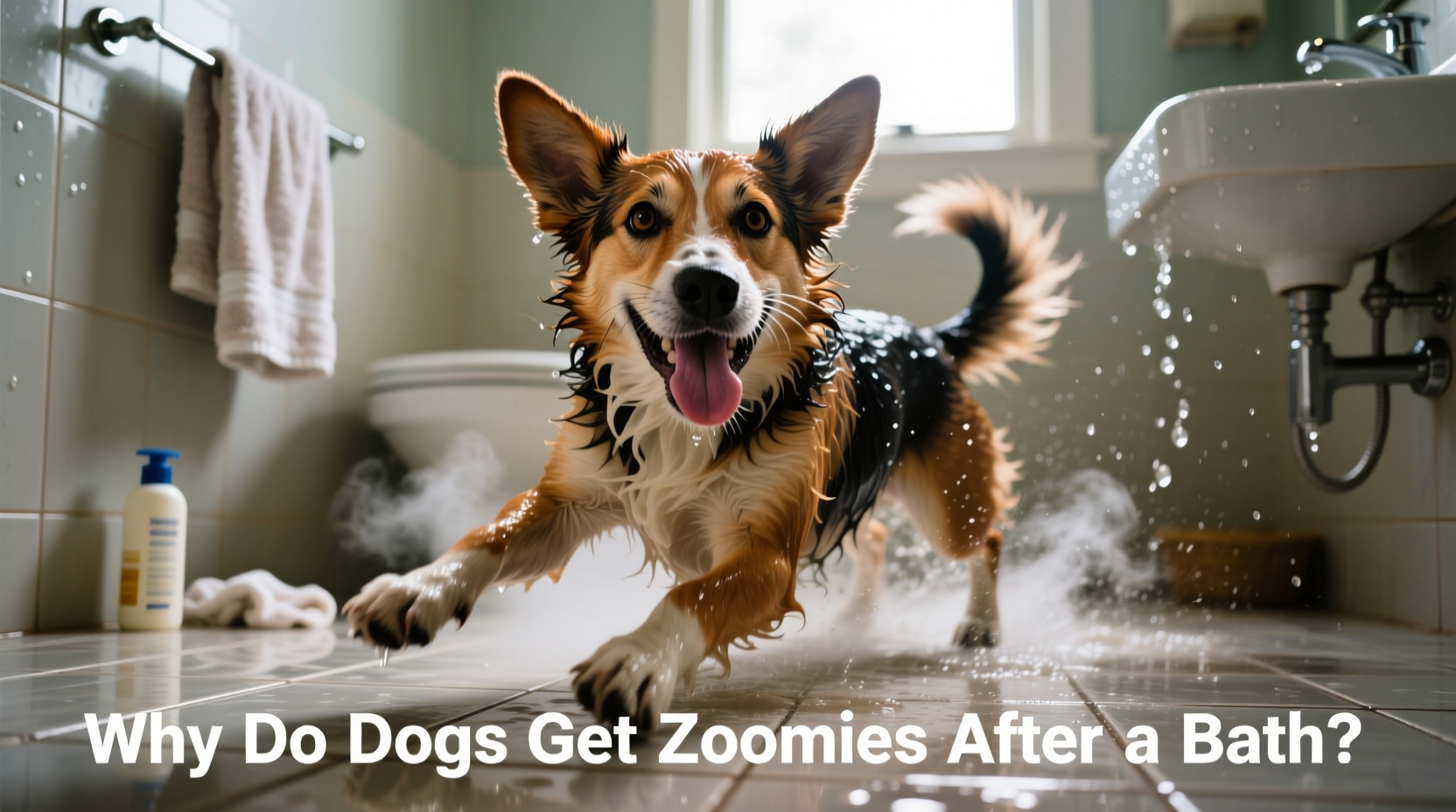
Frenetic Random Activity Periods, or FRAPs, refer to short bursts of intense, seemingly erratic physical activity in dogs. These episodes typically last between 10 seconds and a few minutes and involve rapid running, spinning, jumping, and playful bucking. While they can occur at any time, they are most common after events that disrupt a dog’s routine or sensory experience—such as waking up, playing with other dogs, or, notably, being bathed.
FRAPs are not signs of distress or neurological issues. In fact, they are considered normal and healthy behaviors in dogs of all ages, especially younger ones. The key characteristics include:
- Sudden onset and termination
- No apparent external trigger during the episode
- Highly energetic but non-aggressive movements
- Followed by immediate calm or fatigue
From a physiological standpoint, FRAPs are linked to the release of pent-up energy and neurotransmitters like dopamine and endorphins. These chemicals contribute to feelings of pleasure and reward, reinforcing the behavior as a natural coping mechanism.
“FRAPs are a self-regulatory behavior. Dogs use them to discharge nervous energy, celebrate relief, or re-establish control over their environment.” — Dr. Karen Becker, Integrative Veterinary Specialist
Why Bath Time Triggers the Zoomies
Bathing is a multi-sensory event for dogs. It involves touch (scrubbing, water pressure), smell (shampoos, soaps), temperature changes, and restricted movement—all of which can be stressful or disorienting. Even dogs that tolerate baths well often experience heightened arousal due to the unnatural nature of the experience.
After the bath concludes, several factors converge to spark a bout of zoomies:
1. Relief and Emotional Release
For many dogs, a bath represents a loss of autonomy. Being held still, doused in water, and lathered with unfamiliar scents can create low-level anxiety. Once the ordeal ends and they’re released, the sudden return to freedom triggers an emotional release. Zoomies act as a physical manifestation of “I’m free!”—a joyful explosion of liberation.
2. Scent Disruption and Reclamation
Dogs identify themselves and others largely through scent. A bath strips away their natural odor profile—including pheromones and environmental markers—leaving them feeling temporarily “naked” or unrecognizable even to themselves. The frantic running may serve as a way to redistribute new scents from the floor, furniture, or grass back onto their coat, effectively reclaiming their identity.
3. Tactile Overstimulation
The sensation of wet fur clinging to the body can be uncomfortable or itchy for some dogs. As they dry, the shifting weight and texture of their coat may cause irritation. Running and twisting helps them adjust to the new tactile input, almost like shaking off mental static.
4. Excitement Contagion
If the owner expresses relief or excitement (“You did great! All done!”), the dog may mirror that energy. Positive vocal tones, clapping, or animated gestures can amplify the dog’s arousal, tipping it into full-blown FRAP mode.
Do All Dogs Get Zoomies After Baths?
No—not every dog experiences post-bath zoomies. Individual temperament, breed predisposition, age, and past experiences all influence whether a dog will react with hyperactivity.
Some dogs remain calm after bathing, especially those with lower energy levels or more stoic personalities. Others may shake vigorously and then retreat to a quiet spot to dry off. However, breeds known for high drive and stamina—such as Border Collies, Jack Russell Terriers, and Australian Shepherds—are more likely to erupt into zoomies following sensory disruptions.
Age also plays a role. Puppies and adolescent dogs exhibit FRAPs more frequently due to higher energy reserves and developing nervous systems. Older dogs may still have occasional bursts, but they tend to be shorter and less intense.
| Dog Type | Likelihood of Post-Bath Zoomies | Typical Behavior Pattern |
|---|---|---|
| Puppy (under 1 year) | Very High | Long bursts, frequent spinning, playful nipping |
| Adult High-Energy Breed | High | Rapid sprints, zig-zag patterns, furniture hopping |
| Senior Dog | Low | Shaking, brief trotting, then resting |
| Calm or Reserved Temperament | Low to Moderate | Minimal movement, possible licking or scratching |
When Zoomies Are a Sign of Stress, Not Joy
While most FRAPs are harmless expressions of excitement or relief, context matters. Not all post-bath hyperactivity is positive. In some cases, zoomies can signal underlying anxiety or discomfort.
Signs that zoomies may stem from stress rather than joy include:
- Avoidance behaviors before or after the bath (hiding, trembling)
- Excessive panting or drooling during the episode
- Attempts to escape the home or yard
- Vocalizations like whining or yelping mid-zoom
- Immediate hiding or withdrawal after the burst ends
If these symptoms accompany the zoomies, the dog may be experiencing fear-based arousal rather than celebratory energy. Chronic stress around bathing can lead to long-term behavioral issues, including avoidance or aggression during grooming.
“Just because a dog is moving doesn’t mean they’re happy. Observe the whole body language—the ears, tail, eyes, and posture tell the real story.” — Sophia Yin, DVM, Animal Behavior Expert
How to Manage Post-Bath Zoomies Safely
Zoomies are generally safe, but they can become dangerous in cluttered spaces or around fragile objects. Managing the environment and understanding timing can help prevent accidents while allowing the dog to express itself naturally.
Step-by-Step Guide: Creating a Safe Zoomie Zone
- Clear the Area: Remove tripping hazards like toys, cords, and loose rugs from rooms where your dog tends to run.
- Choose the Right Location: If possible, let your dog zoom outside in a securely fenced yard immediately after drying.
- Use a Towel-Dry Transition: Gently towel-dry your dog indoors first, then move to an open space before releasing them.
- Stay Calm: Avoid shouting or chasing, which can escalate excitement. Stand aside and let the episode unfold.
- Redirect if Necessary: Toss a toy in the opposite direction of fragile areas to guide movement safely.
- End with a Settling Cue: After the burst, offer a treat or cue a calming command like “settle” to transition to rest.
Mini Case Study: Max the Rescue Terrier
Max, a 3-year-old mixed terrier adopted from a rural shelter, had never been bathed before joining his new family. During his first grooming session, he trembled throughout, ears pinned back, tail tucked. Afterward, as soon as he was set down, he bolted—sliding on the hardwood, crashing into a side table, and knocking over a lamp.
His owners were concerned, thinking he was injured or terrified. But within 30 seconds, Max stopped, panted heavily, then walked calmly to his bed and lay down. Over the next few weeks, they adjusted their approach: using a quieter bathroom, warming the towels, and skipping perfumed shampoos. Gradually, Max’s post-bath reactions softened. His zoomies became shorter and more playful, ending with him bringing his favorite ball to his owner—a clear sign of regained confidence.
This case illustrates how zoomies can evolve from stress responses to joyful releases with proper management and empathy.
FAQ: Common Questions About Post-Bath Zoomies
Are zoomies after a bath harmful to my dog?
No, zoomies are not harmful when they occur in a safe environment. They are a natural outlet for energy and emotion. However, ensure your home is free of sharp corners, breakable items, and slippery surfaces to prevent injury during high-speed movement.
Can I stop my dog from getting zoomies after a bath?
You can't eliminate the instinct entirely, but you can reduce intensity. Try gradual desensitization to bath routines, use calming techniques, and allow outdoor release afterward. Never punish zoomies, as this can increase anxiety around grooming.
Do indoor dogs get more zoomies than outdoor dogs?
Indoor dogs often have fewer opportunities to burn energy throughout the day, making them more prone to explosive bursts after stimulating events. Outdoor dogs with regular exercise may exhibit milder or no zoomies post-bath due to better baseline energy regulation.
Checklist: Reducing Stressful Zoomies After Bath Time
- ✅ Use lukewarm water and gentle, fragrance-free shampoo
- ✅ Speak in calm, reassuring tones during the bath
- ✅ Dry your dog thoroughly with warm towels
- ✅ Provide a safe, open space for post-bath movement
- ✅ Avoid restraining your dog longer than necessary
- ✅ Reward calm behavior after the bath with treats or affection
- ✅ Schedule baths during low-traffic times to reduce household distractions
Conclusion: Embracing the Chaos with Understanding
The post-bath zoomies are more than just a quirky habit—they’re a complex interplay of instinct, emotion, and sensory processing. Whether your dog sprints like a racehorse or simply shakes and trots off, their reaction reveals how they interpret and recover from unusual experiences. By recognizing zoomies as a form of communication and self-regulation, pet owners can respond with patience instead of frustration.
Instead of trying to suppress this natural behavior, consider how you can support it safely and compassionately. Adjust your bathing routine, prepare your space, and observe your dog’s unique cues. Over time, you’ll not only reduce stress but also deepen your bond through mutual understanding.




 浙公网安备
33010002000092号
浙公网安备
33010002000092号 浙B2-20120091-4
Comments
No comments yet. Why don't you start the discussion?