
A dog’s nose is one of its most remarkable features—cool to the touch, often damp, and constantly twitching as it samples the air. For generations, pet owners have believed that a wet nose means a healthy dog, while a dry one signals illness. But is this long-held belief actually true? The answer is more nuanced than a simple yes or no. A dog’s nasal moisture is influenced by a combination of biological functions, environmental conditions, and overall health. Understanding what causes a wet nose—and when changes might be concerning—can help you better monitor your dog’s well-being.
The Science Behind a Wet Nose
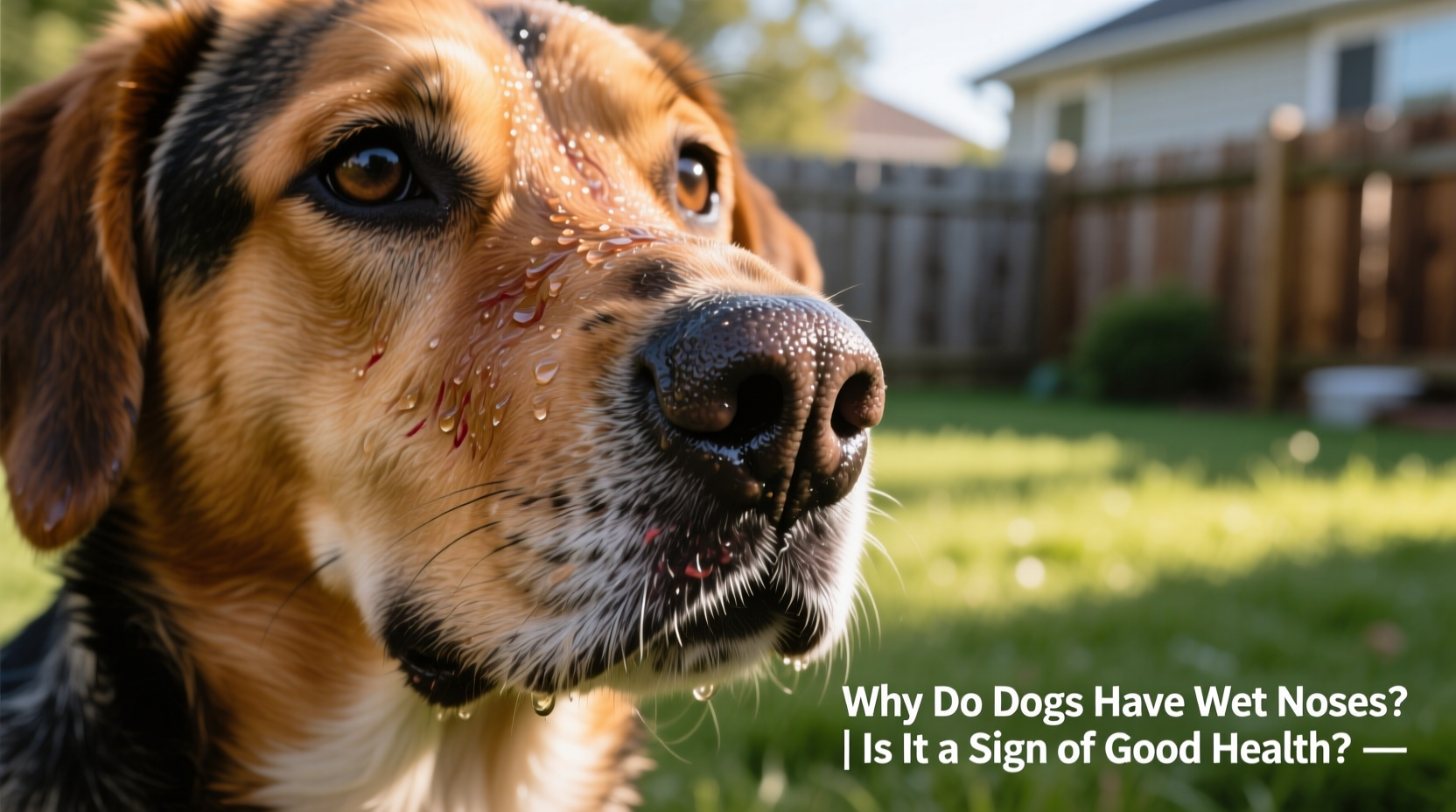
Dogs have naturally moist noses due to a combination of mucus production and licking behavior. The surface of a dog’s nose contains specialized glands that secrete a thin layer of mucus. This mucus plays a crucial role in enhancing their sense of smell. Unlike humans, who rely primarily on vision, dogs navigate the world through scent. Their olfactory abilities are estimated to be 10,000 to 100,000 times more acute than ours.
The moisture on a dog’s nose helps dissolve microscopic scent particles in the air, allowing them to be absorbed more efficiently by the olfactory receptors inside the nasal cavity. Think of it like a natural chemical sensor: the wet surface captures odor molecules, which are then drawn into the nose during inhalation. This process significantly enhances scent detection, enabling dogs to track trails, identify individuals, and even detect medical conditions such as low blood sugar or certain cancers.
In addition to mucus, dogs frequently lick their noses. This self-grooming behavior serves multiple purposes. It keeps the nose clean, removes debris, and replenishes moisture. The saliva adds to the dampness and may also help transfer scent particles from the nose to the vomeronasal organ (also known as Jacobson’s organ), located in the roof of the mouth, which processes pheromones and other chemical signals.
Is a Wet Nose Always a Sign of Good Health?
While a moist nose is common in healthy dogs, it is not a definitive indicator of health. Many factors influence nasal moisture, including time of day, activity level, and environment. For example, a dog may have a temporarily dry nose after napping, spending time in a heated room, or engaging in vigorous exercise. In most cases, the nose will rehydrate on its own within minutes.
Conversely, a dog with a consistently wet nose isn’t automatically guaranteed to be in perfect health. Some illnesses, such as nasal infections or allergies, can increase mucus production, leading to an unusually runny or excessively wet nose. Therefore, while a wet nose is normal and beneficial, it should not be used in isolation to assess a dog’s condition.
Veterinarians emphasize that overall behavior and physical symptoms are far more reliable indicators of health. A dog that is active, eating well, drinking normally, and showing no signs of distress is likely healthy—even if its nose is occasionally dry. On the other hand, a dog with a wet nose but lethargy, coughing, sneezing, or loss of appetite warrants attention regardless of nasal moisture.
“Nasal moisture alone isn’t a diagnostic tool. We look at the whole picture—hydration, energy levels, appetite, and any respiratory symptoms.” — Dr. Lena Peterson, DVM, Small Animal Specialist
When a Dry Nose Might Be a Concern
A dry nose isn’t inherently alarming, but certain patterns or accompanying symptoms should prompt further evaluation. Here are key situations when a dry nose may signal an underlying issue:
- Prolonged dryness: If your dog’s nose remains dry for more than 24 hours despite normal hydration and environment.
- Cracking or bleeding: Fissures, sores, or scabs on the nose can indicate dermatitis, autoimmune disorders, or sunburn.
- Change in color: A nose that turns pale, blue-tinged, or gray may suggest poor circulation or oxygen deficiency.
- Accompanying symptoms: Fever, vomiting, diarrhea, or labored breathing alongside a dry nose require immediate veterinary assessment.
Brachycephalic breeds—such as Bulldogs, Pugs, and Boston Terriers—are more prone to nasal dryness due to their shortened airways and reduced ability to lick their noses effectively. Owners of these breeds should pay extra attention to nasal condition and consider using veterinarian-approved moisturizers if recommended.
Common Causes of Nasal Dryness
| Cause | Description | Action |
|---|---|---|
| Sleep | Natural drying during rest; resolves upon waking | No action needed |
| Dehydration | Reduced fluid intake or illness affecting hydration | Encourage water consumption; consult vet if persistent |
| Environmental Heat | Dry air from heaters or prolonged sun exposure | Provide shade and humidity; avoid overheating |
| Allergies | Reactions to pollen, dust, or cleaning products | Identify and remove allergens; seek vet advice |
| Nasal Dermatitis | Inflammation due to infection or immune disorder | Veterinary diagnosis and treatment required |
Step-by-Step Guide to Assessing Your Dog’s Nasal Health
Rather than relying solely on nose moisture, follow this practical checklist to evaluate your dog’s overall condition:
- Observe the nose regularly: Check morning and evening for changes in texture, color, or moisture.
- Assess hydration: Gently pinch the skin on the back of the neck. If it doesn’t snap back quickly, your dog may be dehydrated.
- Check gum color: Press a finger against the gums. They should be pink and refill with color within 1–2 seconds.
- Monitor behavior: Note any changes in energy, appetite, or breathing patterns.
- Look for discharge: Clear, minimal mucus is normal. Thick, yellow, green, or bloody discharge requires veterinary attention.
- Feel the nose temperature: A warm nose isn’t necessarily bad, but a hot, dry nose combined with lethargy could indicate fever.
- Consult your vet: When in doubt, schedule a check-up—especially if symptoms persist beyond 24 hours.
Real-Life Example: When a Dry Nose Was a Warning Sign
Maria, a dog owner in Colorado, noticed her 7-year-old Labrador, Max, had a dry, cracked nose one morning. At first, she assumed it was due to the dry winter air. But over the next two days, Max became less interested in his walks, ate only half his meals, and began sneezing frequently. Concerned, Maria took him to the vet.
After examination, the veterinarian diagnosed Max with an upper respiratory infection complicated by mild dehydration. The dry nose was just one symptom among several. With antibiotics, fluids, and a humidifier at home, Max recovered within a week. Maria now checks Max’s nose daily as part of her routine wellness monitoring—but always in context with his behavior and appetite.
This case illustrates that while a dry nose alone wasn’t cause for alarm, it served as an early clue that something was off. Combined with other symptoms, it prompted timely care that prevented the condition from worsening.
Do’s and Don’ts of Canine Nasal Care
| Do’s | Don’ts |
|---|---|
| Keep your dog hydrated with fresh water available at all times | Apply human lotions or ointments to your dog’s nose |
| Use pet-safe nasal balms if recommended by your vet | Wipe the nose aggressively or too frequently |
| Protect your dog from excessive sun exposure | Ignore persistent dryness accompanied by behavioral changes |
| Monitor for symmetry in nasal discharge (one-sided vs. both sides) | Assume a wet nose always means perfect health |
| Seek veterinary advice for chronic or painful nasal conditions | Delay care if your dog shows signs of respiratory distress |
Frequently Asked Questions
Can I use coconut oil on my dog’s dry nose?
Small amounts of pure, organic coconut oil can be applied sparingly to soothe minor dryness. However, dogs tend to lick their noses, and ingesting large quantities may cause digestive upset. Always consult your veterinarian before introducing topical treatments.
Is a cold, wet nose a sign of a fever?
No. A cold, wet nose does not rule out a fever. Dogs regulate body temperature differently than humans, and nasal moisture is not correlated with internal temperature. The only accurate way to detect a fever is with a rectal thermometer. Normal canine body temperature ranges from 100.5°F to 102.5°F (38°C to 39.2°C).
Should I be worried if my puppy has a dry nose?
Occasionally, no. Puppies may have fluctuating nose moisture as they adapt to new environments. However, if the dryness is persistent or accompanied by lethargy, refusal to eat, or nasal discharge, contact your vet promptly. Young dogs have developing immune systems and can deteriorate quickly if ill.
Final Thoughts: Look Beyond the Surface
The myth that a wet nose equals good health persists because it contains a kernel of truth—a moist nose supports a dog’s extraordinary sense of smell and is typical in healthy animals. But modern veterinary medicine teaches us to look beyond single symptoms. Health is dynamic, influenced by countless internal and external factors.
Your dog’s nose is just one piece of a much larger puzzle. By combining observation with consistent care—proper hydration, balanced nutrition, regular vet visits, and attention to behavior—you’ll be far better equipped to support your dog’s long-term well-being.




 浙公网安备
33010002000092号
浙公网安备
33010002000092号 浙B2-20120091-4
Comments
No comments yet. Why don't you start the discussion?