
Dogs licking their paws isn’t always cause for concern—occasional grooming is normal. But when a dog licks its paws obsessively, day after day, it’s often a sign of an underlying issue. Among the most common causes are allergies. These can stem from food, environmental factors, or even flea bites. Persistent paw licking leads to redness, irritation, hair loss, and in severe cases, infections. Understanding the root cause is essential to stopping the cycle and restoring your dog’s comfort.
Unlike humans, dogs can't verbally express discomfort. Instead, they show distress through behaviors like chewing, scratching, or excessive licking. The paws are especially vulnerable because they come into direct contact with allergens on the ground, grass, carpets, and household chemicals. When inflammation or itchiness sets in, licking becomes a compulsive response. Left untreated, this habit worsens both physically and mentally, potentially leading to secondary infections and behavioral issues.
Common Causes of Excessive Paw Licking
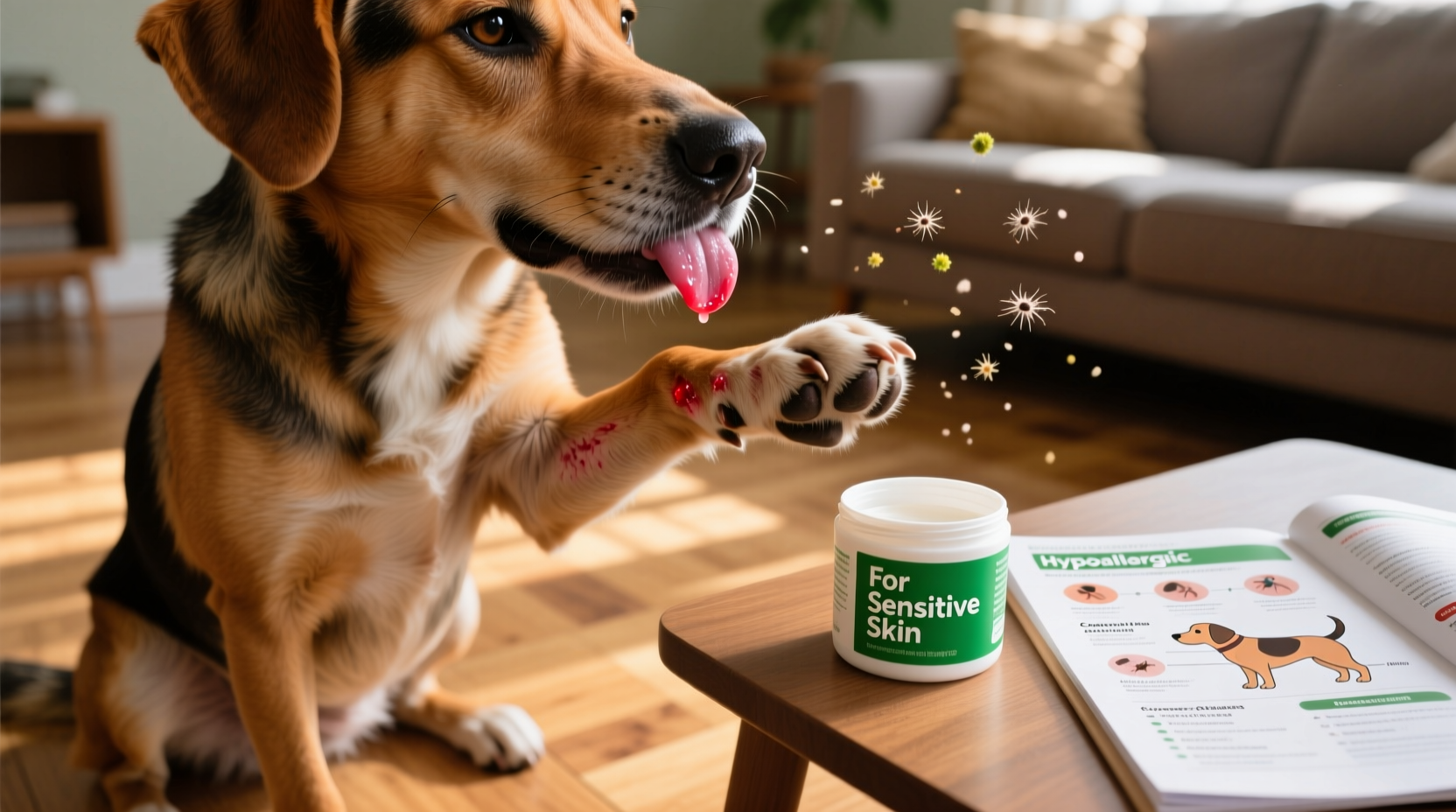
While allergies dominate the list of reasons dogs lick their paws, other medical and psychological factors may also contribute. It's important to rule out non-allergic causes before focusing solely on immune responses.
- Allergies: Environmental (pollen, dust mites), food-based (beef, chicken, grains), or flea bite hypersensitivity.
- Skin Infections: Bacterial or yeast overgrowth triggered by moisture trapped between toes.
- Injuries: Cuts, thorns, cracked pads, or foreign objects lodged between toes.
- Anxiety or Boredom: Behavioral licking due to stress, lack of stimulation, or separation anxiety.
- Hormonal Imbalances: Conditions like hypothyroidism can lead to dry, itchy skin.
Because symptoms overlap, a thorough veterinary evaluation is crucial. However, if no injury or infection is found, allergies are typically the primary suspect.
How Allergies Trigger Paw Licking
Allergic reactions in dogs often manifest through the skin, a condition known as atopic dermatitis. Unlike humans who sneeze or develop runny noses, dogs tend to experience itching—particularly in areas like the paws, ears, belly, and base of the tail. The feet absorb allergens directly from surfaces, making them prime targets.
When a dog is allergic to something in its environment—such as ragweed, mold spores, or dust mites—the immune system overreacts. This reaction releases histamines and other inflammatory compounds that cause intense itching. Licking provides temporary relief, but it damages the skin barrier, allowing bacteria and yeast to invade. This creates a vicious cycle: itch → lick → damage → infection → more itch.
Food allergies follow a similar pattern. Ingredients like dairy, eggs, soy, or certain proteins can trigger systemic inflammation. While gastrointestinal signs may occur, many dogs exhibit only skin-related symptoms. Diagnosing food allergies requires strict elimination diets lasting 8–12 weeks, as blood or saliva tests are often unreliable.
“Over 80% of dogs with environmental allergies show paw-licking as one of the first clinical signs.” — Dr. Lena Peterson, Veterinary Dermatologist
Step-by-Step Guide to Identifying and Addressing Triggers
Resolving chronic paw licking involves systematic investigation and intervention. Jumping straight to medication without identifying the source may offer short-term relief but won’t solve the problem long-term.
- Inspect the Paws Thoroughly: Look for cuts, swelling, embedded debris, or discoloration. Red, moist skin between the toes often indicates a yeast infection.
- Clean the Paws After Walks: Use a damp cloth or pet-safe wipe to remove pollen, salt, or chemicals. For heavy exposure, rinse with lukewarm water.
- Switch to a Hypoallergenic Diet: Begin an elimination diet using novel protein (e.g., venison, duck) and carbohydrate sources (e.g., sweet potato). Avoid treats and chews during this phase.
- Control Fleas Year-Round: Even one bite can trigger an allergic reaction in sensitive dogs. Use vet-approved preventatives consistently.
- Reduce Indoor Allergens: Vacuum frequently with a HEPA filter, wash bedding weekly in hot water, and consider an air purifier.
- Consult Your Veterinarian: Request allergy testing (intradermal or blood-based) if environmental allergies are suspected.
- Begin Targeted Treatment: Depending on diagnosis, treatments may include antihistamines, immunotherapy, medicated shampoos, or prescription diets.
This process takes time and patience. Many owners see improvement within 4–6 weeks of dietary changes or environmental control, while immunotherapy may take several months to show results.
Effective Fixes and Preventative Measures
Once the trigger is identified, consistent management prevents relapse. A combination of medical treatment, lifestyle adjustments, and home care yields the best outcomes.
| Trigger Type | Recommended Fix | Avoid |
|---|---|---|
| Pollen & Grass | Wipe paws post-walk, use paw balm, install air filters | Walking during peak pollen hours (early morning) |
| Flea Allergy | Vet-prescribed flea prevention, treat home environment | Over-the-counter products with low efficacy |
| Food Allergy | Hydrolyzed or novel protein diet under vet supervision | Introducing new treats or table scraps |
| Yeast/Bacterial Infection | Antifungal shampoos, oral antibiotics if prescribed | Moist environments, unwashed wet paws |
| Anxiety-Related Licking | Increased exercise, mental enrichment, calming aids | Punishment or ignoring the behavior |
Topical treatments like medicated wipes or sprays containing chlorhexidine or ketoconazole help manage localized infections. For dogs prone to moisture retention between toes, especially those with thick fur, regular trimming improves airflow and reduces risk.
Mini Case Study: Max, the Golden Retriever with Chronic Paw Licking
Max, a 3-year-old Golden Retriever, had been licking his front paws for nearly six months. His owner initially thought it was a habit, but the fur began thinning and the skin turned pink and sticky. A visit to the vet ruled out injury and parasites. Skin scrapings revealed a mild yeast overgrowth.
The veterinarian recommended a two-pronged approach: medicated baths twice weekly and a hypoallergenic diet trial. Max was switched to a hydrolyzed protein kibble, and all treats were eliminated. Within three weeks, the licking decreased significantly. By week eight, the skin had healed, and hair regrew.
To prevent recurrence, Max’s owner started wiping his paws after every walk and installed an air purifier at home. Six months later, Max remains symptom-free. This case highlights how combining medical treatment with environmental control can resolve even stubborn allergic conditions.
Checklist: What You Can Do Today to Stop Excessive Paw Licking
Use this actionable checklist to start addressing your dog’s paw-licking behavior immediately:
- ✅ Inspect your dog’s paws for redness, odor, or discharge
- ✅ Wipe paws with a damp cloth after outdoor activity
- ✅ Switch to fragrance-free, hypoallergenic laundry detergent for pet bedding
- ✅ Eliminate all treats and human food for at least 8 weeks if food allergy is suspected
- ✅ Schedule a vet appointment to rule out infection or underlying illness
- ✅ Start a consistent flea prevention protocol, even in winter
- ✅ Introduce puzzle toys or longer walks if boredom or anxiety may be contributing
Consistency is key. Small daily actions compound into meaningful improvements in your dog’s health and comfort.
Frequently Asked Questions
Can I use human antihistamines for my dog?
Some antihistamines like cetirizine or diphenhydramine can be used under veterinary guidance. Dosage varies by weight and health status. Never administer medication without consulting your vet, as some formulations contain ingredients toxic to dogs, such as acetaminophen.
Is paw licking ever purely behavioral?
Yes. Dogs with anxiety, especially those left alone for long periods, may develop compulsive licking habits. These often start as a response to stress or boredom and become ingrained over time. In such cases, addressing the emotional need—through training, enrichment, or in severe cases, anti-anxiety medication—is essential.
How long does it take for allergy treatments to work?
It depends on the type. Food elimination diets require 8–12 weeks for accurate assessment. Medications like Apoquel may reduce itching within 1–2 days. Immunotherapy (allergy shots) can take 6–12 months to reach full effectiveness but offers long-term relief for many dogs.
Conclusion: Break the Cycle for Good
Excessive paw licking is more than just a quirky habit—it’s a signal that something is off. Whether driven by allergies, infections, or emotional distress, the behavior demands attention. Ignoring it risks worsening skin damage, pain, and reduced quality of life for your dog.
The path to resolution begins with observation, continues with action, and relies on partnership with your veterinarian. From simple paw wipes to comprehensive allergy testing, every step you take brings your dog closer to relief. Most importantly, early intervention prevents minor irritation from becoming a chronic condition.




 浙公网安备
33010002000092号
浙公网安备
33010002000092号 浙B2-20120091-4
Comments
No comments yet. Why don't you start the discussion?