
Dogs perform a curious little dance before settling in for a nap: they circle, sometimes once, sometimes several times, often with a sniff or two at the ground, before finally flopping down. This seemingly odd behavior is so common that most dog owners barely notice it. Yet, this ritual has deep roots—spanning evolution, survival, comfort, and even health. Understanding why dogs spin before lying down reveals more than just quirky habits; it offers insight into their instincts, physical needs, and emotional well-being.
The act of circling before lying down isn’t random. It’s a hardwired sequence passed down from wild ancestors, refined by domestication, and still relevant today. While modern dogs sleep on plush beds indoors, their bodies and brains retain behaviors shaped over thousands of years in the wild. Unpacking the science behind this routine helps pet owners appreciate their dogs’ natural instincts—and recognize when something might be wrong.
Ancestral Instincts: A Survival Mechanism
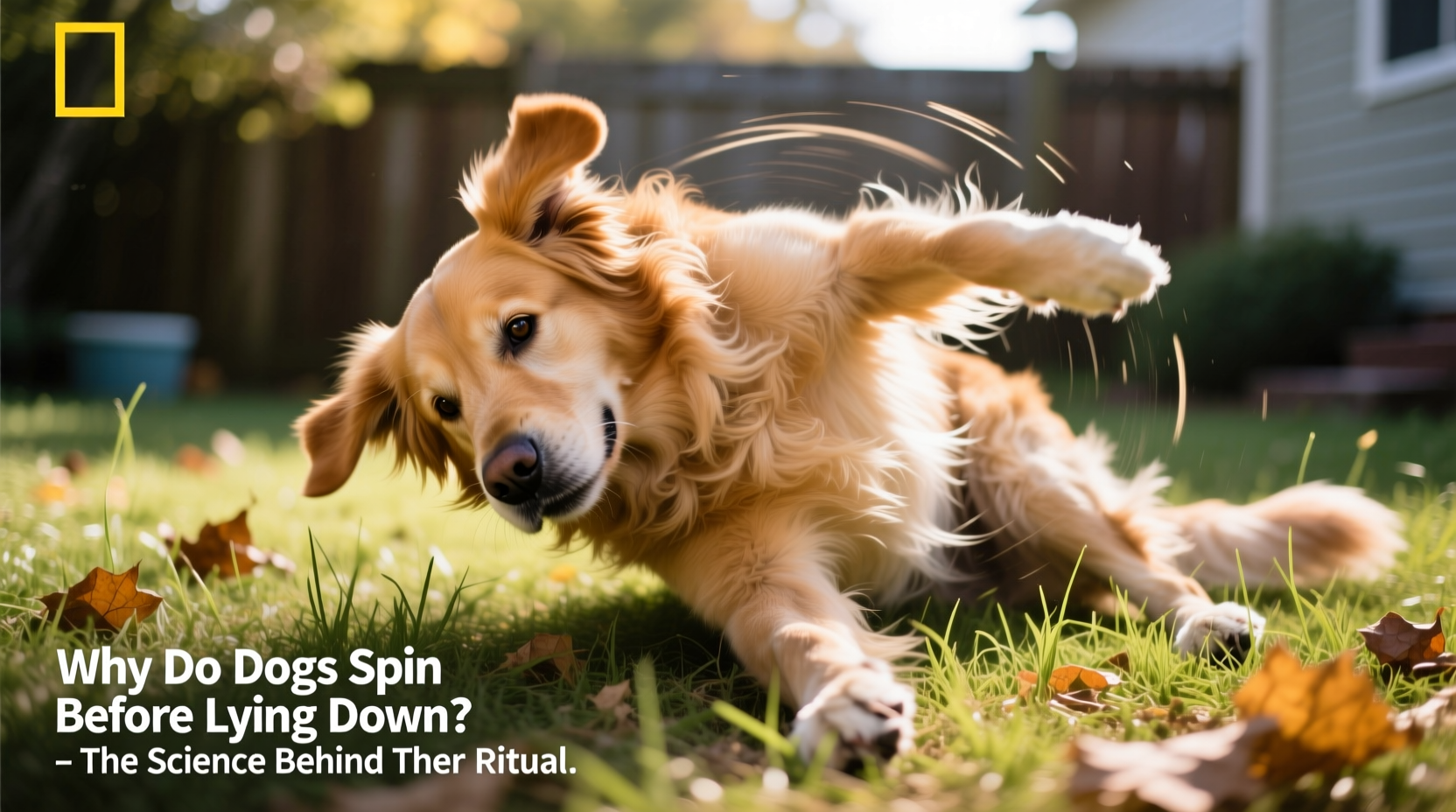
In the wild, canines such as wolves, dingoes, and foxes did not have the luxury of climate-controlled homes or orthopedic dog beds. Their resting spots were often exposed to predators, insects, and uneven terrain. Circling served multiple protective functions:
- Flattening the ground: By trampling grass, leaves, or snow, dogs created a flatter, more comfortable surface to lie on. This reduced pressure points and improved insulation from cold or damp earth.
- Detering pests: Spinning disrupted nests of insects like ticks, fleas, or snakes hidden in underbrush. The movement could scare away small creatures or expose dangers before lying down.
- Checking for threats: As they turned, dogs scanned their surroundings one last time, ensuring no predators were lurking nearby.
- Orienting for escape: Some researchers suggest circling helped animals position themselves optimally—facing into the wind to catch scents or aligning their body for a quick getaway if startled.
This instinctual behavior was critical for survival. Over generations, natural selection favored individuals who prepared their resting area carefully. Even though today’s dogs are safe indoors, the genetic programming remains active.
“Circling before rest is a deeply ingrained behavior rooted in environmental adaptation. It’s not just habit—it’s biology.” — Dr. Lena Torres, Canine Ethologist, University of Veterinary Sciences, Vienna
The Role of Scent and Territory Marking
Dogs possess scent glands in their paws, particularly between the pads. When they step and turn in a tight circle, they release pheromones onto the ground. This subtle marking serves two purposes:
- Territory signaling: The scent communicates to other animals (or even other pets in the home) that this spot is claimed. It’s a non-confrontational way of saying, “This space is mine.”
- Personal comfort: Familiar scents are calming. By depositing their own odor, dogs create a sense of security—like wrapping themselves in a familiar blanket.
This behavior mirrors how wild canids mark den entrances or sleeping areas. Domestic dogs may not need to defend territory aggressively, but the psychological benefit of scent-marking persists. It reinforces a feeling of control and safety in their environment.
Interestingly, dogs often circle more intently in new environments—such as during travel, at a friend’s house, or after rearranging furniture. The unfamiliarity heightens their need to re-establish olfactory boundaries and feel grounded.
Physical Comfort and Joint Alignment
Beyond instinct and scent, circling plays a role in physical preparation. Just as humans adjust pillows or shift positions before falling asleep, dogs use rotation to fine-tune their posture. This is especially important for older dogs or those with joint conditions.
Through trial turns, a dog tests the firmness of the surface, checks for drafts, and finds the optimal angle to lie down without straining muscles or aggravating arthritis. Once satisfied, they often perform a final “settle” motion—tucking legs beneath them or curling into a ball—which completes the nesting process.
A 2020 study published in *Applied Animal Behaviour Science* observed that senior dogs circled significantly fewer times than younger ones—suggesting either diminished energy, pain avoidance, or learned confidence in familiar spaces. In contrast, puppies and energetic adults often spin multiple times, indicating both playfulness and exploratory behavior.
| Dog Life Stage | Average Number of Spins Before Lying Down | Possible Reasons |
|---|---|---|
| Puppy (3–6 months) | 3–5 spins | Exploration, high energy, learning spatial awareness |
| Adult (1–7 years) | 1–3 spins | Routine, comfort optimization, instinctual pattern |
| Senior (8+ years) | 0–2 spins | Pain avoidance, reduced mobility, familiarity with environment |
When Circling Signals a Health Concern
While occasional spinning is normal, excessive or obsessive circling—especially when not followed by rest—can indicate underlying medical or neurological issues. Owners should watch for red flags such as:
- Circling repeatedly without lying down
- Spinning in tight, uncontrolled loops
- Appearing disoriented, dizzy, or uncoordinated
- Doing it only in one direction
- Accompanied by vocalization, drooling, or trembling
These symptoms may point to conditions including:
- Vestibular disease: A disruption in the inner ear balance system, common in older dogs. Often mistaken for a stroke, it causes dizziness and loss of coordination.
- Neurological disorders: Brain tumors, epilepsy, or cognitive dysfunction syndrome (similar to dementia in humans) can manifest through repetitive behaviors.
- Pain or discomfort: Dogs with back pain, hip dysplasia, or gastrointestinal issues may struggle to find a comfortable position, leading to prolonged circling.
- Anxiety or OCD: Compulsive circling can develop in stressed dogs, particularly those with limited stimulation or traumatic histories.
“We once treated a Border Collie who began spinning 20+ times before lying down. After ruling out orthopedic causes, an MRI revealed a small brain lesion affecting motor control. Early detection made all the difference.” — Dr. Rajiv Mehta, Veterinary Neurologist, Pacific Coast Animal Hospital
Mini Case Study: Max, the Anxious Rescue Dog
Max, a three-year-old mixed breed rescued from a hoarding situation, exhibited extreme circling behavior. He would pace in tight circles for up to five minutes before lying down—even on his favorite bed. His adoptive family initially dismissed it as quirkiness, but concern grew when he started losing weight and avoiding interaction.
A veterinary behaviorist diagnosed Max with environmental anxiety and mild compulsive disorder. His circling was a displacement behavior—a way to cope with unresolved stress. With a treatment plan involving structured routines, increased mental stimulation, and low-dose anti-anxiety medication, Max’s spinning decreased within six weeks. Today, he circles once or twice before settling, much like a typical dog.
Max’s story underscores that while some circling is natural, dramatic changes in frequency or intensity warrant professional evaluation.
Environmental Influences on the Spinning Ritual
A dog’s surroundings significantly impact how they perform this ritual. Factors include:
- Surface type: Hard floors may prompt more adjustment than soft carpets. Dogs often spin longer on slippery surfaces to test traction.
- Temperature: In cooler rooms, dogs may circle more deliberately to compress air pockets in blankets or bedding for warmth.
- Distractions: Noise, movement, or other pets can interrupt the process, causing dogs to restart their sequence.
- Bed design: Raised or enclosed beds may reduce circling since the structure itself provides boundary cues.
Owners can support healthy expression of this behavior by providing consistent, quiet resting zones. Avoid interrupting the ritual—letting dogs complete their routine reinforces their sense of autonomy and reduces stress.
Step-by-Step: How Dogs Optimize Their Resting Spot
The spinning ritual follows a subconscious sequence:
- Approach: The dog enters the chosen area, often sniffing the ground or bed.
- Initial rotation: One or more full turns to assess surface texture and temperature.
- Scent marking: Paw glands release pheromones during contact with the floor or fabric.
- Position testing: Minor shifts determine ideal alignment—often facing the door or toward family members.
- Final tuck: The dog lies down, often with a stretch or shake, completing the nesting process.
This entire process usually takes less than 30 seconds but integrates sensory input, instinct, and physical feedback.
Frequently Asked Questions
Is it normal for my dog to spin three times every time?
Yes. Many dogs develop a consistent number of spins—often two or three—as part of their personal routine. As long as the behavior ends with rest and shows no signs of distress, it’s perfectly normal.
Why does my dog spin and then not lie down?
If your dog circles but doesn’t settle, possible causes include discomfort (physical or emotional), environmental distractions, or medical issues like nausea or vestibular imbalance. Monitor the frequency and context, and consult a veterinarian if it becomes persistent.
Do all dog breeds spin before lying down?
Most do, though the intensity varies. Herding breeds like Shetland Sheepdogs or working lines may show more pronounced circling due to higher instinctual drive. Brachycephalic breeds or dogs with mobility issues may skip or minimize the behavior.
Checklist: Monitoring Your Dog’s Spinning Behavior
Use this checklist to ensure your dog’s circling remains within healthy bounds:
- ✅ Circles end with successful lying down
- ✅ Number of spins is consistent, not increasing over time
- ✅ No signs of pain, limping, or hesitation during movement
- ✅ Occurs in appropriate contexts (before rest, not randomly)
- ✅ No associated vocalizations, drooling, or disorientation
- ✅ Adjusts quickly to new environments without prolonged agitation
If any item raises concern, schedule a wellness check with your vet.
Conclusion: Respecting the Ritual
The simple act of spinning before lying down is far more than a cute quirk. It’s a window into your dog’s evolutionary past, sensory world, and physical state. Honoring this ritual means allowing space—both literal and behavioral—for your dog to follow their instincts without interference.
At the same time, staying observant allows you to detect subtle shifts that may signal discomfort or illness. By combining empathy with awareness, you strengthen your bond and support your dog’s overall well-being. The next time your dog spins in place before curling up, remember: they’re not just getting comfortable—they’re practicing a tradition older than domestication itself.




 浙公网安备
33010002000092号
浙公网安备
33010002000092号 浙B2-20120091-4
Comments
No comments yet. Why don't you start the discussion?