
Dog owners often witness a peculiar pre-poop ritual: their pet walks in tight circles, sniffs the ground, spins once or twice, and then finally squats. While it may seem random or even comical, this behavior is deeply rooted in biology, instinct, and environmental awareness. Far from being meaningless, circling before defecation serves multiple practical and evolutionary purposes. Understanding why dogs engage in this routine offers insight into their sensory perception, territorial instincts, and even their physical well-being.
This article explores the science and psychology behind this common canine habit, breaking down the reasons from behavioral, biological, and environmental angles. Whether you're a curious pet owner or a dog behavior enthusiast, you’ll gain a deeper appreciation for what your dog is actually doing—and communicating—when they spin before going to the bathroom.
The Evolutionary Roots of Circling Behavior
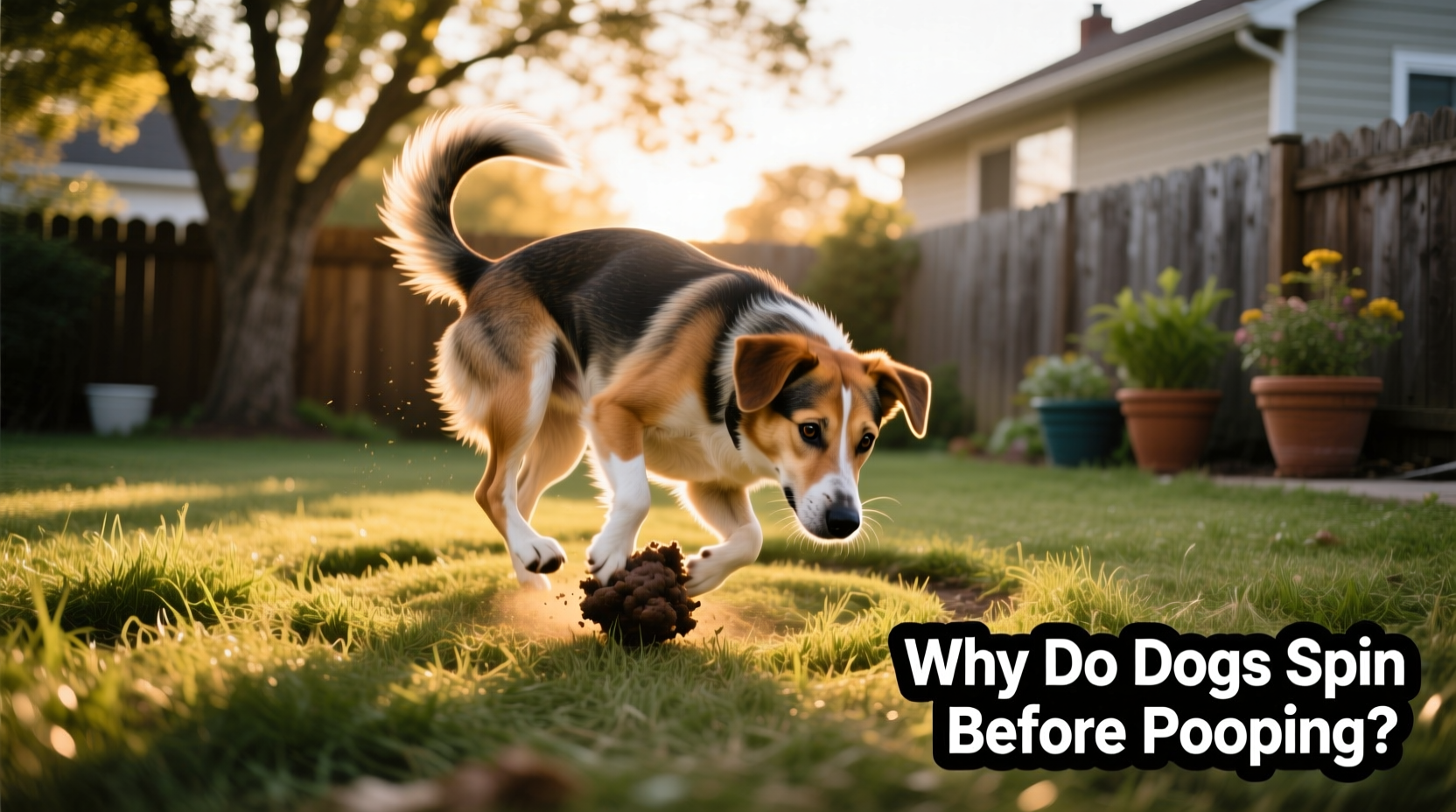
Circling before elimination traces back to dogs’ wild ancestors. In the wild, survival depended on minimizing vulnerability during essential activities like eating, sleeping, and eliminating waste. Defecating leaves an animal momentarily exposed and immobile, making it a high-risk moment for predators. Wolves and other wild canids developed routines to reduce danger during these times.
One such routine was flattening grass or snow by walking in circles. This action helped clear debris, check for hidden threats like snakes or insects, and create a more comfortable surface. Over time, this evolved into a hardwired behavior passed down through generations—even in domesticated dogs who no longer face the same dangers.
Additionally, circling may have served as a way to align with the Earth’s magnetic field. A 2013 study published in *Frontiers in Zoology* found that dogs prefer to orient themselves along the north-south axis when defecating, especially under calm geomagnetic conditions. The researchers observed that dogs avoided east-west alignment and seemed to “calibrate” themselves using subtle magnetic cues. Spinning may help them sense and align with this invisible field, though the exact reason remains unclear.
“Dogs are not just spinning randomly—they’re performing a complex sensory assessment of their environment.” — Dr. Anna Bálint, Ethologist and Lead Researcher, *Frontiers in Zoology* Study
Sensory and Hygienic Functions of Spinning
Beyond instinct, circling plays a critical role in a dog’s sensory processing. Dogs rely heavily on scent to navigate the world, and elimination sites are rich with olfactory information. Before pooping, a dog will often sniff the ground to detect scents left by other animals. This helps them assess whether the area is safe, familiar, or already claimed by another dog.
Spinning allows the dog to gather 360-degree sensory input. By rotating, they can:
- Check for potential threats (e.g., unfamiliar scents, movement, sounds)
- Evaluate surface texture and stability (avoiding wet or uneven ground)
- Ensure optimal positioning for balance and comfort
- Align their body to effectively mark territory
Once satisfied, the dog assumes a squatting position. The act of circling essentially functions as a final safety and comfort check—a built-in protocol ensuring everything is in order before committing to a vulnerable posture.
Territorial Marking and Communication
Dogs are highly social creatures that communicate extensively through scent. Feces contain chemical signals—pheromones and hormones—that convey information about the dog’s identity, sex, reproductive status, and emotional state. The location and presentation of the waste matter significantly influence how this message is received by other dogs.
By circling, a dog may be strategically choosing where to deposit their feces to maximize visibility and scent dispersion. For example, they might avoid placing waste near their own urine mark or choose a spot upwind so the scent travels farther. This behavior reinforces their presence in a shared space, such as a park or sidewalk.
In multi-dog households, dominant dogs may exhibit more deliberate circling patterns, asserting control over communal areas. Subordinate dogs, in contrast, may eliminate quickly and with minimal ritual, reflecting their lower social status.
This territorial function also explains why some dogs refuse to poop indoors or on certain surfaces. Artificial turf, tiles, or confined spaces may not provide the tactile or olfactory feedback they expect, disrupting their natural elimination sequence.
Health and Physical Indicators in Circling Patterns
While occasional spinning is normal, changes in this behavior can signal underlying health issues. Veterinarians often use elimination habits—including circling—as diagnostic clues. Abnormal patterns may include:
- Excessive circling (more than 3–4 rotations)
- Inability to find a suitable spot despite prolonged searching
- Reluctance to squat after circling
- Crying, whining, or signs of discomfort during the process
These behaviors could indicate:
- Orthopedic pain: Arthritis or hip dysplasia may make squatting difficult, leading to hesitation or repeated attempts to position correctly.
- Gastrointestinal distress: Constipation or diarrhea can cause urgency or confusion about when and where to eliminate.
- Neurological issues: Problems with balance or spatial awareness may disrupt the dog’s ability to coordinate the circling and squatting motions.
- Anxiety or OCD: Some dogs develop compulsive spinning unrelated to elimination, which requires behavioral intervention.
| Behavior | Possible Cause | Action to Take |
|---|---|---|
| Spins 5+ times without pooping | Discomfort, anxiety, or surface aversion | Observe for pain; consult vet if persistent |
| Spins and walks away | Unsuitable location or interrupted focus | Provide quieter, consistent potty area |
| Spins slowly or unsteadily | Muscle weakness or neurological issue | Schedule veterinary evaluation |
| Spins but doesn’t squat | Pain, constipation, or distraction | Monitor diet and bathroom frequency |
Mini Case Study: Max, the Anxious Apartment Dog
Max, a 4-year-old Border Collie living in a high-rise apartment, began refusing to poop during walks. His owner, Sarah, noticed he would spin in tight circles on the sidewalk, sniff briefly, and then walk away without eliminating. This pattern repeated across multiple outings, forcing Sarah to extend walks up to 45 minutes.
Concerned, she consulted a canine behaviorist. After reviewing video footage and walking routines, the expert identified several contributing factors: heavy foot traffic, loud city noises, and the presence of other dogs all heightened Max’s stress levels. The hard concrete surface and lingering scents from other pets made him feel insecure about marking his territory.
The solution involved creating a more predictable routine. Sarah began taking Max to the same quiet corner of a nearby park each morning, laid down a portable artificial turf mat, and used a consistent verbal cue (“Go ahead, Max”). Within two weeks, Max’s circling decreased from 6–7 rotations to 1–2, and he began eliminating reliably.
This case illustrates how environmental stressors can amplify natural behaviors like circling, turning a simple ritual into a prolonged struggle. With adjustments, however, the behavior can return to normal.
Step-by-Step: How to Support Healthy Elimination Habits
If your dog exhibits unusual circling or difficulty pooping, follow this step-by-step guide to promote comfort and consistency:
- Establish a consistent potty schedule: Take your dog out at the same times daily (after meals, waking, play sessions).
- Choose a designated elimination area: Use the same spot whenever possible to build familiarity and scent association.
- Minimize distractions: Avoid high-traffic zones, loud noises, or off-leash dog areas during potty breaks.
- Allow ample time: Give your dog 5–10 minutes to explore, circle, and eliminate without rushing.
- Observe body language: Look for signs like sniffing, circling, or sudden stillness—these often precede elimination.
- Use positive reinforcement: Praise or reward immediately after successful elimination to reinforce the behavior.
- Monitor for red flags: Note any pain, straining, blood in stool, or dramatic changes in circling habits.
- Consult a professional: If problems persist, seek advice from a veterinarian or certified dog behaviorist.
Common Misconceptions About Circling
Despite growing scientific understanding, several myths persist about why dogs spin before pooping:
- Myth: They’re just being stubborn or playful.
Reality: The behavior is instinctive and functional, not attention-seeking. - Myth: Only certain breeds do it.
Reality: All dogs exhibit some form of pre-defecation ritual, though intensity varies. - Myth: Spinning means the dog isn’t trained.
Reality: Even well-trained dogs spin—it’s unrelated to housebreaking success. - Myth: They’re checking for enemies.
Reality: While safety is a factor, modern dogs are more focused on scent, comfort, and alignment than predator avoidance.
Frequently Asked Questions
Is it normal for my dog to spin multiple times before pooping?
Yes, spinning 1–4 times is considered normal. It allows the dog to assess the area, align comfortably, and prepare for elimination. As long as the behavior isn’t excessive or accompanied by distress, it’s part of their natural routine.
Should I stop my dog from spinning?
No. Interrupting the circling can cause stress and may lead to incomplete elimination or reluctance to go at all. Allow your dog the time and space to complete their ritual without interference.
Can circling be a sign of illness?
It can. Sudden changes—such as increased spinning, inability to squat, or vocalizing during the process—may indicate pain, gastrointestinal issues, or neurological problems. If you notice persistent abnormalities, consult your veterinarian.
Final Thoughts and Call to Action
The simple act of spinning before pooping reveals the complexity of canine behavior. What appears whimsical is, in fact, a blend of ancient instinct, sensory processing, and social communication. Respecting this ritual means honoring your dog’s natural needs and instincts.
By observing your dog’s habits closely, providing a calm elimination environment, and staying alert to changes, you support not only their physical health but also their psychological comfort. These small moments of understanding deepen the bond between pet and owner.




 浙公网安备
33010002000092号
浙公网安备
33010002000092号 浙B2-20120091-4
Comments
No comments yet. Why don't you start the discussion?