
Boiling eggs seems simple—drop them in water, wait, and done. Yet even experienced cooks often pull out cracked shells, leaking whites, or unevenly cooked yolks. The most common frustration? Eggs cracking during boiling. While this issue is widespread, it’s not inevitable. Understanding the science behind egg structure and thermal shock reveals clear strategies to avoid damage. With the right approach, you can consistently achieve smooth, intact, perfectly boiled eggs ideal for slicing, deviling, or eating plain.
The Science Behind Egg Cracking
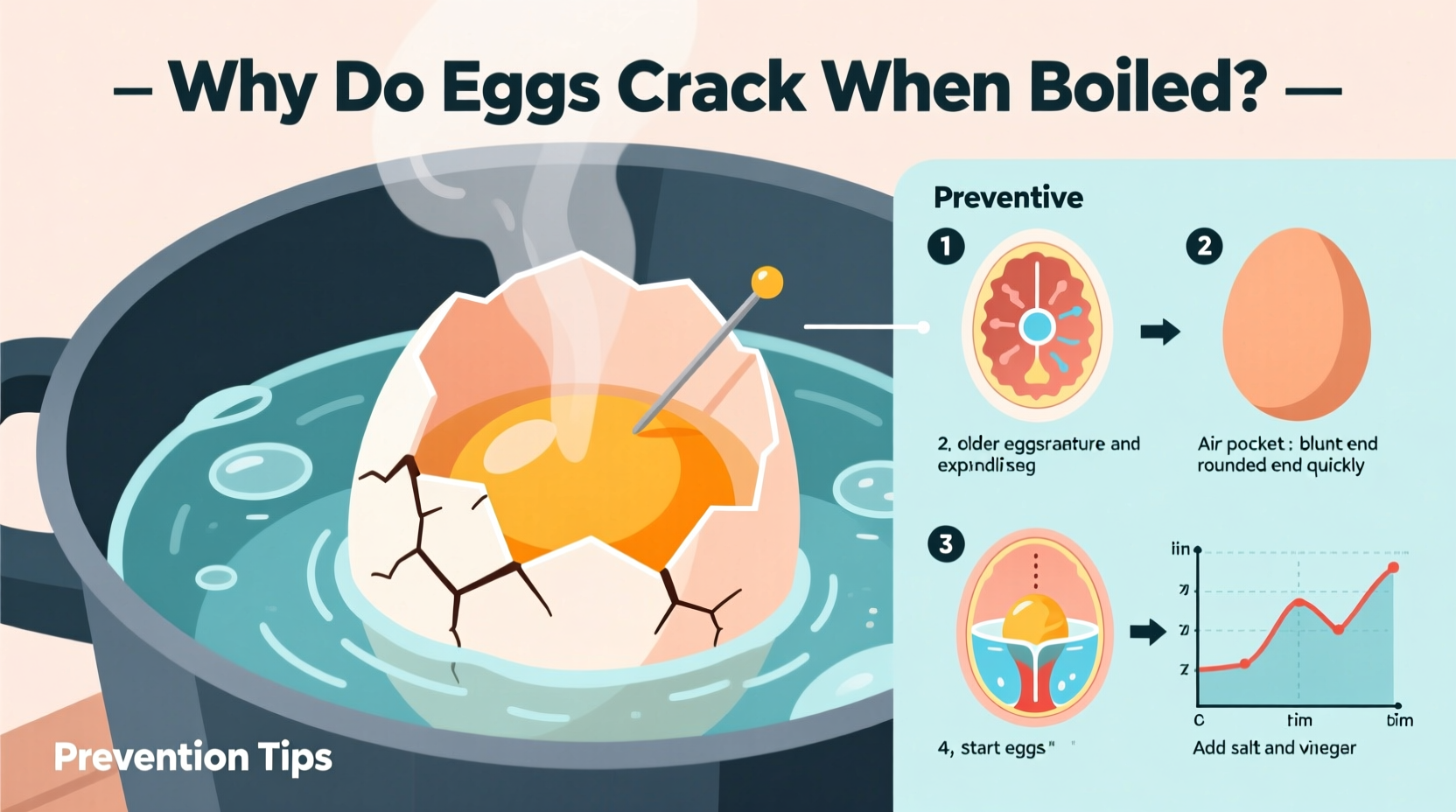
Eggs are delicate biological packages designed to protect a developing embryo. Their shell, made mostly of calcium carbonate, is porous and slightly flexible but vulnerable to sudden changes. When an egg cracks during boiling, it's typically due to rapid expansion of internal components under heat. Two key factors contribute: air pressure and temperature differentials.
Inside every egg is a small air pocket located at the wider end, between the inner and outer membranes. As the egg heats up, this air expands. If the shell doesn’t allow gradual release, pressure builds until the weakest point—often near the air cell—ruptures. Additionally, cold eggs plunged into boiling water experience thermal shock. The outer shell heats and contracts faster than the interior, creating stress fractures.
“Thermal shock is the leading cause of cracked boiled eggs. A sudden jump from refrigerator temperatures to boiling water creates structural strain the shell can't withstand.” — Dr. Lena Torres, Food Scientist at the Institute of Culinary Research
Another contributing factor is age. Older eggs have larger air cells because moisture evaporates through the shell’s pores over time. While older eggs are easier to peel, their increased internal volume makes them more prone to cracking during heating. Conversely, very fresh eggs may resist peeling but are structurally stronger.
Step-by-Step Guide to Boiling Eggs Without Cracking
Preventing cracks isn’t about luck—it’s about process. Follow this detailed method to minimize risk and maximize results.
- Start with room-temperature eggs: Remove eggs from the refrigerator 15–30 minutes before boiling. This reduces the temperature gap between the egg and water, minimizing thermal stress.
- Use a single layer in a wide pot: Overcrowding causes eggs to bump and chip. Arrange them in one layer with space between each.
- Add eggs to cold water: Place eggs gently in the pot, then fill with enough cold water to cover by at least an inch. Starting cold allows gradual, even heating.
- Add a pinch of salt or vinegar (optional): Salt raises the water’s boiling point slightly and helps coagulate egg white faster if a minor crack occurs. Vinegar helps solidify proteins but may impart a slight taste if overused.
- Heat slowly to a gentle simmer: Bring the water to a boil over medium heat, then reduce to a low simmer. Vigorous boiling increases agitation and impact risk.
- Cook for precise times: For soft-boiled, simmer 4–6 minutes; medium, 7–9 minutes; hard-boiled, 10–12 minutes. Set a timer—overcooking increases internal pressure.
- Shock in ice water immediately: After cooking, transfer eggs to an ice bath for at least 10 minutes. Rapid cooling halts cooking and contracts contents, loosening the membrane for easier peeling.
Do’s and Don’ts: Best Practices Compared
| Practice | Do | Don’t |
|---|---|---|
| Temperature Start | Begin with cold water and cold or room-temp eggs | Drop cold eggs directly into boiling water |
| Pot Type | Use a wide, deep saucepan with space between eggs | Cramp eggs tightly in a small pot |
| Water Additives | Add ½ tsp salt or vinegar per quart to stabilize whites | Over-saturate water with vinegar affecting flavor |
| Heating Method | Bring to boil slowly, then simmer gently | Boil rapidly causing constant egg movement |
| Cooling Process | Transfer immediately to ice water for 10+ minutes | Let eggs sit in hot water or cool on counter slowly |
Real Example: From Daily Failures to Perfect Peels
Sarah, a home cook and meal-prep enthusiast, used to struggle with cracked eggs every Sunday. She’d place six cold eggs straight into boiling water, only to find two or three leaking and misshapen after 12 minutes. Frustrated, she tried pricking shells, adding baking soda, and wrapping eggs in foil—none worked reliably.
After reading about thermal shock, she changed her method: she began leaving eggs on the counter for 20 minutes before use, starting them in cold water, and simmering gently instead of boiling hard. She also added a tablespoon of salt to the pot. Within a week, her success rate jumped to 100%. Not only were the shells intact, but they peeled cleanly thanks to the ice bath. “It’s the little things,” she said. “I used to think boiling eggs was foolproof. Now I know it’s science.”
Expert Tips and Alternative Methods
Beyond the standard stovetop method, several alternative techniques offer reliable results with minimal cracking risk.
- Steam boiling: Place eggs in a steamer basket over 1 inch of boiling water. Cover and steam for 13 minutes. The indirect heat reduces thermal stress, and many users report easier peeling and fewer cracks.
- Oven-baked eggs: Preheat oven to 325°F (163°C). Place eggs in muffin tin cups and bake for 30 minutes. Cool in ice water. This method avoids water contact entirely and distributes heat evenly, though timing must be precise.
- Pressure cooker (Instant Pot): Add 1 cup water, place eggs on trivet, seal, and cook on high pressure for 5 minutes. Quick-release and ice bath. Consistent results with zero cracking when eggs aren’t touching.
Frequently Asked Questions
Can I still eat an egg if it cracks while boiling?
Yes, as long as the crack is minor and the egg was fresh to begin with. The boiling process kills surface bacteria, so internal contamination is unlikely. However, large cracks may allow water in, diluting flavor and texture. Use cracked eggs promptly and inspect for off-odors before consuming.
Why do some eggs peel easily while others stick?
Peelability depends largely on pH and age. Fresh eggs have more acidic whites that bond tightly to the inner membrane. As eggs age, carbon dioxide escapes through the shell, raising the pH and loosening the membrane. For easy peeling, use eggs that are 7–10 days old. The ice bath also helps by contracting the egg inside the shell.
Does adding baking soda help prevent cracking?
Baking soda raises the pH of the cooking water, which can make eggs easier to peel—but it doesn’t prevent cracking. In fact, overly alkaline conditions can weaken the shell prematurely. Use sparingly (¼ tsp per quart) if peeling is your main concern, but don’t rely on it for crack prevention.
Essential Checklist for Crack-Free Boiled Eggs
Follow this checklist every time you boil eggs to ensure consistent results:
- ✅ Remove eggs from fridge 15–30 minutes before cooking
- ✅ Inspect shells for hairline cracks—discard damaged ones
- ✅ Use a large pot and arrange eggs in a single layer
- ✅ Cover eggs with cold water by at least 1 inch
- ✅ Add ½ tsp salt or vinegar per quart (optional)
- ✅ Heat gradually to a gentle simmer—avoid rolling boil
- ✅ Set timer: 10–12 minutes for hard-boiled
- ✅ Prepare ice bath in advance
- ✅ Transfer eggs immediately after cooking and chill 10+ minutes
- ✅ Tap and roll eggs before peeling for best results
“The key to perfect boiled eggs isn’t speed—it’s patience. Gentle, controlled heating respects the egg’s natural structure and yields flawless results.” — Chef Marcus Reed, Culinary Instructor at Hudson Valley Cooking School
Conclusion: Master the Basics, Enjoy Perfect Results
Cracked eggs during boiling are a fixable problem, not a culinary inevitability. By understanding the role of temperature, air pressure, and egg age, you gain control over the outcome. Small adjustments—like starting with cold water, avoiding overcrowding, and using an ice bath—make all the difference. Whether you're preparing breakfast, packing lunches, or making a salad, intact, evenly cooked eggs elevate your meals.
Don’t let past failures discourage you. Apply these evidence-based methods consistently, and you’ll soon wonder why you ever struggled. Share your own tips, ask questions, or post your results—perfect boiled eggs are a skill worth celebrating.




 浙公网安备
33010002000092号
浙公网安备
33010002000092号 浙B2-20120091-4
Comments
No comments yet. Why don't you start the discussion?