
Every holiday season, homes light up with festive displays powered by strings of Christmas lights—often connected through extension cords. While it’s common to notice these cords growing slightly warm during use, many homeowners wonder: is that normal? Or could it be a sign of danger?
The truth is, mild warmth in an extension cord is often harmless and expected under load. However, excessive heat can signal serious electrical issues that risk fire, equipment damage, or injury. Understanding the difference between safe operation and hazardous conditions isn’t just about peace of mind—it’s a critical part of seasonal safety.
This guide explains the science behind cord heating, identifies red flags, and provides actionable steps to keep your holiday lighting both dazzling and safe.
How Electricity Causes Heat in Extension Cords
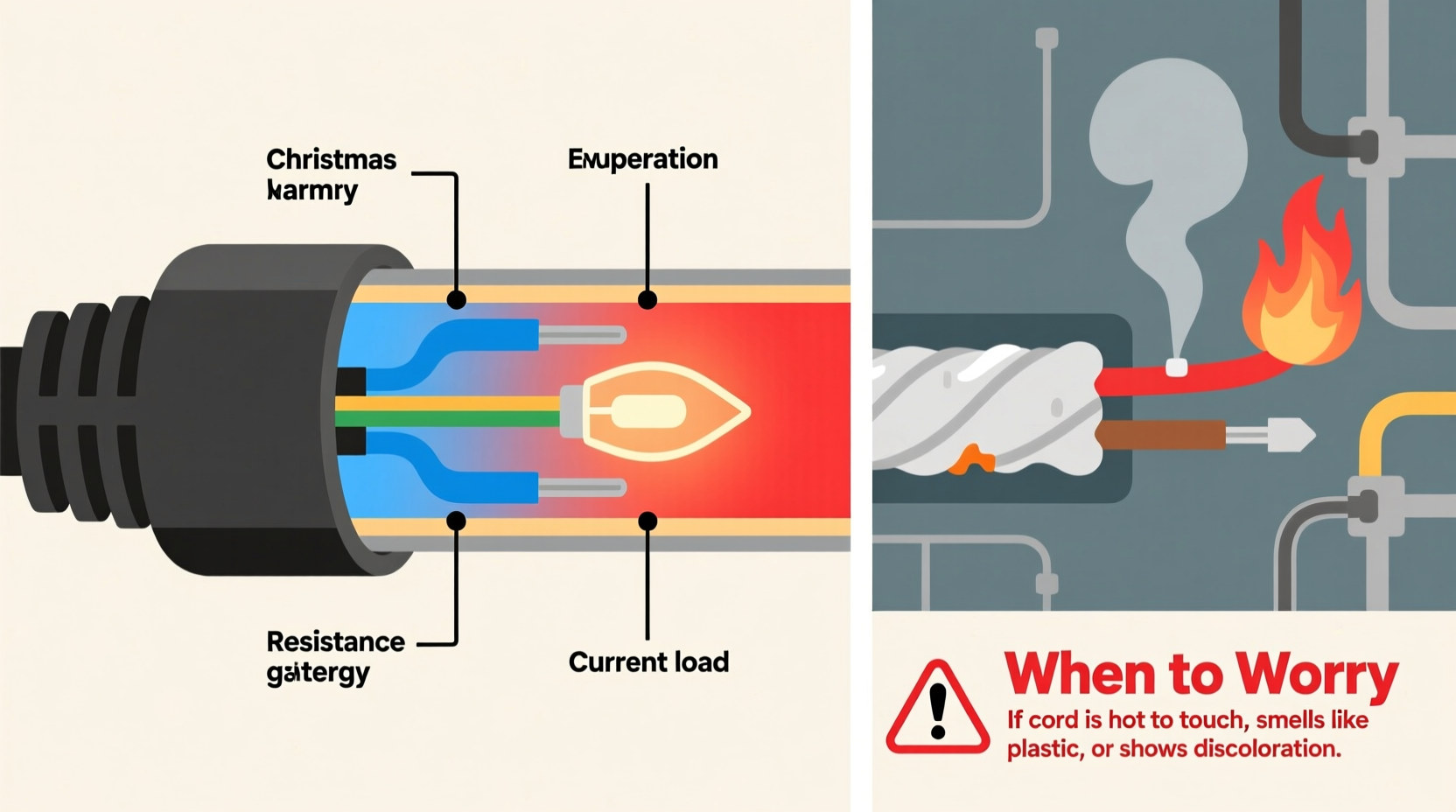
When electric current flows through any conductor—including the copper wires inside an extension cord—resistance naturally occurs. This resistance converts some electrical energy into heat, a phenomenon known as Joule heating (or resistive heating). The more current drawn, the greater the heat produced.
Christmas lights, especially older incandescent models, draw continuous current over long periods. Even LED strands, while far more efficient, still generate some load when multiple sets are linked together. When this current passes through an extension cord, especially one not rated for the total wattage, resistance increases—and so does temperature.
Several factors influence how much heat builds up:
- Wire gauge (thickness): Thinner wires (higher gauge numbers like 18 AWG) have more resistance than thicker ones (lower gauge like 14 or 12 AWG).
- Cord length: Longer cords increase resistance simply due to distance, raising heat output.
- Total connected load: Plugging too many light strings into one cord exceeds its capacity, forcing it to work harder.
- Ambient temperature: Cold outdoor air may mask warmth initially, but enclosed spaces trap heat, accelerating risks.
In ideal conditions, minor warming is acceptable. But if the cord feels hot to the touch—or worse, emits a burning smell—that’s no longer normal operation.
When Warmth Is Normal vs. When It’s Dangerous
Not all warmth indicates trouble. A slight rise in temperature after hours of use—especially on longer cords powering multiple strands—is typically within safe limits. But there are clear thresholds that separate normal function from potential hazards.
Here's what to expect at different levels of warmth:
| Temperature Level | Sensation | Interpretation | Action Required |
|---|---|---|---|
| Slight warmth | Noticeably warmer than room temp, but comfortable to hold | Normal; result of standard resistive heating | None. Monitor periodically. |
| Moderate warmth | Too warm to comfortably grip for more than a few seconds | Potential overload or undersized cord | Inspect connections, reduce load, consider upgrading cord. |
| Hot | Uncomfortable or painful to touch; visible discoloration possible | Dangerous—risk of insulation melt or fire | Unplug immediately. Do not reuse until inspected or replaced. |
| Burning odor/smoke | Smell of melting plastic or rubber; charring visible | Active failure occurring | Shut off power at outlet or breaker. Replace cord and inspect circuit. |
If you detect anything beyond moderate warmth, treat it as a warning sign. Persistent overheating degrades wire insulation, increasing the chance of short circuits, arcing, or even electrical fires—particularly when cords are tucked under rugs, buried in mulch, or run through tight spaces where heat can't dissipate.
“Extension cords are temporary solutions, not permanent wiring. Overheating is often the first symptom of misuse.” — National Fire Protection Association (NFPA)
Choosing the Right Cord for Christmas Lights
Using the correct extension cord isn’t optional—it’s essential for safety and performance. Many people grab whatever cord is handy without checking specifications, setting themselves up for avoidable risks.
Outdoor-rated extension cords labeled “S” (e.g., SJTW, STW) are designed to withstand cold, moisture, and UV exposure. They also tend to have thicker insulation and lower-gauge wiring suitable for higher loads.
For Christmas lighting, follow these guidelines:
- Use 16 AWG or lower (thicker wire): For runs over 25 feet or multiple light strings, choose 14 AWG or 12 AWG.
- Check wattage capacity: A standard 16 AWG cord handles up to 1375 watts on a 125V circuit. Most LED mini-lights use only 4–10 watts per string, but older incandescents can draw 40–100 watts each.
- Look for UL certification: Ensures the cord meets independent safety testing standards.
- Avoid daisy-chaining cords: Connecting multiple cords end-to-end increases resistance and fire risk. Use a single appropriately sized cord instead.
Consider this real-world scenario:
Mini Case Study: Overloaded Front Yard Display
John installed 20 strands of vintage incandescent Christmas lights along his roofline and wrapped trees using two 50-foot extension cords he found in his garage. After three hours of operation, he noticed one cord was uncomfortably hot near the plug.
Upon inspection, he discovered the cord was 18 AWG—too thin for the 1,600-watt combined load. He had also daisy-chained a second cord to reach further, compounding resistance. Though no fire occurred, the insulation had begun to soften, creating a latent hazard.
After consulting an electrician, John replaced the setup with two 12 AWG outdoor-rated cords, splitting the load across separate circuits. The new cords ran cool throughout the season.
The lesson: never underestimate cumulative load. Always calculate total wattage before plugging in.
Step-by-Step Guide to Safe Holiday Lighting Setup
Follow this sequence to ensure your extension cords operate safely under holiday lighting loads:
- Calculate total wattage: Multiply the wattage per light string by the number of strings connected to one cord. Check manufacturer labels or use a wattage meter for accuracy.
- Select the proper cord: Choose an outdoor-rated extension cord with sufficient gauge and length. For loads above 1000 watts, use 12 or 14 AWG.
- Inspect all components: Examine cords, plugs, sockets, and light strings for fraying, cracks, corrosion, or bent prongs. Discard damaged items.
- Plug directly into GFCI outlets: Use ground-fault circuit interrupter (GFCI) outlets outdoors to prevent shock hazards. Test GFCIs monthly.
- Lay cords safely: Keep them elevated off wet surfaces, avoid pinching under doors/windows, and don’t cover with snow, mulch, or carpeting.
- Limit runtime: Turn off lights when sleeping or leaving home. Use timers to automate shutdowns.
- Monitor during initial use: Check cords every 30 minutes during the first few hours. If warming exceeds slight warmth, reevaluate setup.
Common Mistakes That Lead to Overheating
Even with good intentions, homeowners frequently make errors that turn festive decor into fire hazards. These are among the most frequent causes of overheated cords:
- Using indoor cords outdoors: Indoor-rated cords lack weather-resistant jackets and degrade quickly when exposed to elements.
- Overloading power strips: Plugging multiple extension cords into one wall outlet or power strip exceeds circuit capacity.
- Daisy-chaining extension cords: Increases resistance, reduces efficiency, and voids safety certifications.
- Running cords through walls or windows: Compresses insulation, traps heat, and damages cord sheathing.
- Ignoring voltage drop: On long runs (>50 ft), thinner cords deliver less voltage to devices, causing lights to dim and motors (in animated displays) to overwork.
Another overlooked issue is mixing bulb types. Combining LED and incandescent strings on the same circuit may seem fine, but their differing current profiles can create uneven loading and localized heating at connection points.
Frequently Asked Questions
Is it safe if my extension cord gets warm?
A slight warmth is generally safe and expected under load. However, if the cord is too hot to touch comfortably, shows discoloration, or smells like burning, unplug it immediately. Sustained high temperatures indicate overload or inadequate cord rating.
Can I leave Christmas lights plugged in all night?
While modern LED lights and quality cords can handle extended use, it's safest to turn them off when you're asleep or away. Use a timer to limit runtime automatically. Continuous operation increases wear and thermal stress, especially on older installations.
Why do cheaper extension cords heat up faster?
Inexpensive cords often use thinner gauge wire, substandard copper, and thinner insulation—all of which increase resistance and reduce heat tolerance. They may also skip rigorous safety certifications. Investing in a UL-listed, outdoor-rated cord pays off in reliability and safety.
Final Checklist Before You Plug In
Before turning on your display, verify the following:
- ✅ All extension cords are rated for outdoor use (look for “W” in model number)
- ✅ Wire gauge matches or exceeds recommended size for your total load
- ✅ No frayed wires, cracked insulation, or loose plugs
- ✅ Cords are not pinned, covered, or submerged
- ✅ Total wattage stays below 80% of the cord’s maximum capacity
- ✅ GFCI protection is active and tested
- ✅ Lights are turned off when unattended or overnight
“The holidays should be joyful, not risky. A five-minute cord check can prevent a December disaster.” — U.S. Consumer Product Safety Commission (CPSC)
Stay Safe and Shine Bright This Season
Warm extension cords aren’t automatically dangerous—but they shouldn’t be ignored either. By understanding the physics behind electrical heating, recognizing warning signs, and using properly rated equipment, you can enjoy a vibrant, safe holiday display without compromise.
Treat every extension cord as a critical component of your electrical system, not just a simple accessory. Inspect, calculate, and plan ahead. Your attention today could prevent a fire tomorrow.




 浙公网安备
33010002000092号
浙公网安备
33010002000092号 浙B2-20120091-4
Comments
No comments yet. Why don't you start the discussion?