
As we age, subtle but noticeable changes occur across the body—skin loses elasticity, hair thins, and facial features shift. One often-overlooked transformation is the gradual thinning of eyebrows. Once full and expressive, brows may become sparse, patchy, or lighter in color over time. While this is a natural part of aging for many, it can impact self-confidence and facial symmetry. The good news: understanding the underlying causes and adopting targeted, safe strategies can help slow the process and even encourage regrowth.
This article explores the biological mechanisms behind eyebrow thinning, identifies contributing lifestyle and medical factors, and provides practical, dermatologist-supported approaches to restore and maintain healthier-looking brows.
The Science Behind Age-Related Eyebrow Thinning
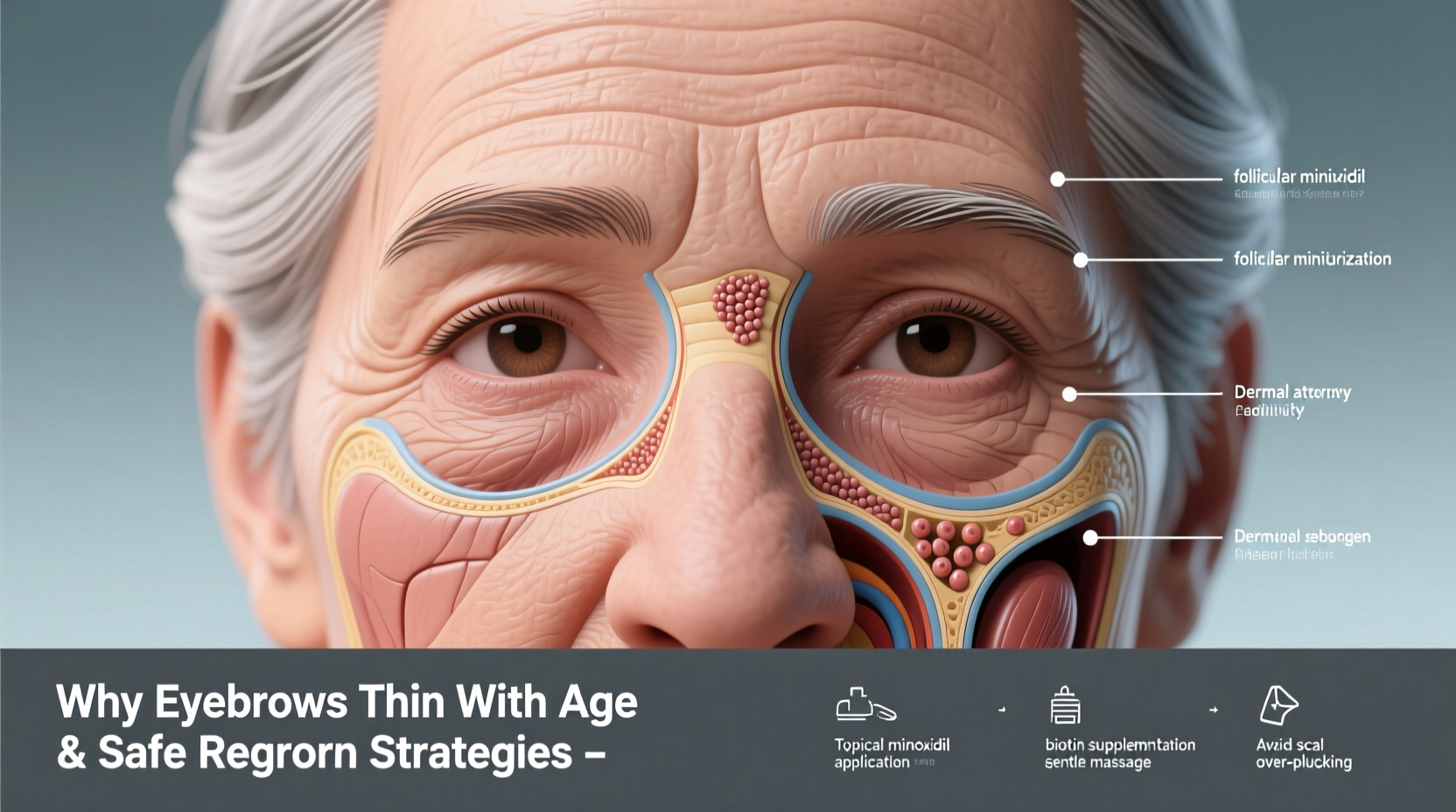
Eyebrows, like scalp hair, follow a growth cycle consisting of three phases: anagen (growth), catagen (transition), and telogen (resting). With age, this cycle slows down. Hair follicles in the brow area become less active, producing thinner, shorter hairs that may not reach their previous length before shedding. Over time, some follicles enter a prolonged resting phase or cease activity altogether—a condition known as miniaturization.
One primary driver is hormonal change. As both men and women age, levels of key hormones fluctuate. In particular, declining estrogen and progesterone in women during perimenopause and menopause contribute to reduced hair density. In men, lower testosterone and higher dihydrotestosterone (DHT) can affect follicle health. DHT binds to receptors in hair follicles, shrinking them and shortening the growth phase.
Skin aging also plays a role. The skin around the eyes is among the thinnest on the face and particularly vulnerable to sun damage, dehydration, and loss of collagen. When the dermal layer weakens, it compromises the foundation in which eyebrow hairs grow, leading to weaker anchoring and increased fallout.
“Facial hair, including eyebrows, is highly sensitive to hormonal shifts and oxidative stress. Even subtle imbalances can accelerate thinning.” — Dr. Lena Patel, Dermatologist and Hair Specialist
Common Contributing Factors Beyond Aging
While chronological aging is inevitable, several modifiable factors can worsen or accelerate eyebrow thinning:
- Over-plucking or waxing: Chronic manipulation damages follicles over time, potentially leading to permanent scarring alopecia.
- Nutritional deficiencies: Low iron, zinc, biotin, vitamin D, and protein intake impair keratin production and follicle function.
- Autoimmune conditions: Thyroid disorders (both hypo- and hyperthyroidism) are strongly linked to eyebrow loss, especially at the outer third (Hertoghe’s sign).
- Skin conditions: Eczema, psoriasis, or seborrheic dermatitis around the brows can cause inflammation and inhibit growth.
- Medications: Certain drugs, such as retinoids, chemotherapy agents, or blood thinners, list hair thinning as a side effect.
- Chronic stress: Elevated cortisol disrupts the hair growth cycle, pushing more follicles into the shedding phase.
Safe and Effective Methods to Promote Eyebrow Regrowth
Unlike scalp hair, eyebrow regrowth requires gentler, more precise care due to the delicate skin and smaller follicles. Aggressive treatments can do more harm than good. The following approaches are supported by dermatological research and clinical observation.
1. Topical Serums with Proven Ingredients
Certain topical compounds have demonstrated efficacy in stimulating hair growth when applied consistently:
- Bimatoprost (Latisse): Originally developed for glaucoma, this prescription medication was found to increase eyelash and eyebrow growth. Studies show visible improvement within 8–16 weeks. Side effects may include skin darkening or eye irritation if misapplied.
- Peptides (e.g., Myristoyl Pentapeptide-17): These signal follicles to extend the growth phase. Found in many over-the-counter serums, they are gentle and suitable for long-term use.
- Castor oil: Rich in ricinoleic acid, it has anti-inflammatory properties and may improve circulation to follicles. While evidence is largely anecdotal, many users report thicker brows after nightly application.
2. Optimize Nutrition for Hair Health
Diet directly influences keratin synthesis and follicle vitality. Key nutrients include:
| Nutrient | Role in Hair Growth | Dietary Sources |
|---|---|---|
| Iron | Supports oxygen delivery to follicles; deficiency linked to telogen effluvium | Red meat, lentils, spinach, fortified cereals |
| Zinc | Regulates hair follicle function; deficiency causes brittle hair | Pumpkin seeds, oysters, chickpeas, beef |
| Vitamin D | Modulates hair cycle; low levels correlate with alopecia | Fatty fish, egg yolks, sunlight exposure, supplements |
| Biotin (B7) | Aids keratin production; deficiency rare but supplementation common | Eggs, almonds, sweet potatoes, salmon |
A balanced diet rich in whole foods typically provides these nutrients. However, individuals with diagnosed deficiencies should consider medically supervised supplementation.
3. Minimize Mechanical and Chemical Stress
Everyday grooming habits can silently damage eyebrow follicles:
- Avoid aggressive plucking, threading, or waxing. Switch to trimming excess hairs instead.
- Use hypoallergenic makeup removers to prevent irritation.
- Remove brow products gently—rubbing or tugging increases breakage.
- Discontinue use of expired cosmetics, which may harbor bacteria and cause folliculitis.
Step-by-Step Guide to a Brow Regrowth Routine
Consistency is crucial. Follow this 12-week protocol to support natural regrowth:
- Week 1–2: Assess and Reset
- Stop all plucking and waxing.
- Take inventory of medications and supplements; discuss concerns with your doctor.
- Begin tracking diet to identify potential nutrient gaps.
- Week 3–4: Introduce Supportive Care
- Start applying a peptide-based brow serum nightly.
- Incorporate iron- and zinc-rich foods into meals.
- Use a soft towel and gentle cleanser around the eye area.
- Week 5–8: Enhance and Monitor
- Add a daily supplement if deficient (e.g., vitamin D or biotin).
- Massage brows gently for 30 seconds each night to stimulate blood flow.
- Take weekly photos under consistent lighting to track progress.
- Week 9–12: Refine and Maintain
- Evaluate results: Are brows darker, denser, or longer?
- If no improvement, consult a dermatologist for further testing.
- Continue regimen long-term for sustained benefits.
“Patients who combine topical treatment with nutritional support see better outcomes than those relying on serums alone.” — Dr. Rajiv Mehta, Trichologist
When to Seek Medical Help
Not all eyebrow thinning is benign. Sudden, patchy, or complete loss warrants medical evaluation. Conditions to rule out include:
- Hypothyroidism: Often presents with fatigue, weight gain, and outer eyebrow thinning.
- Alopecia areata: An autoimmune disorder causing round, smooth patches of hair loss.
- Frontal fibrosing alopecia: A type of scarring alopecia affecting postmenopausal women, often starting with brow loss.
A dermatologist may perform blood tests (TSH, ferritin, vitamin D) or a scalp biopsy if needed. Prescription treatments like topical corticosteroids, minoxidil (off-label), or bimatoprost may be recommended based on diagnosis.
Mini Case Study: Restoring Brows After Menopause
Sarah, 54, noticed her eyebrows becoming progressively thinner over two years. She had stopped plucking them five years prior but saw no improvement. Concerned, she visited a dermatologist who ordered blood work. Results showed low ferritin (12 ng/mL, normal >30) and suboptimal vitamin D (22 ng/mL).
She began taking iron and vitamin D supplements, switched to a peptide-based serum, and incorporated pumpkin seeds and leafy greens into her diet. After 10 weeks, she observed new fine hairs emerging along the arch. By week 16, her brows were visibly fuller and darker. “I didn’t realize how much nutrition played a role,” Sarah said. “Now I treat my brows like part of my overall health routine.”
FAQ: Common Questions About Eyebrow Thinning
Can eyebrows grow back after years of plucking?
It depends on the extent of follicle damage. If follicles are scarred or permanently destroyed, regrowth is unlikely. However, if they’re merely dormant, proper care and stimulation can reactivate them. Early intervention yields the best results.
Is minoxidil safe for eyebrows?
Minoxidil is not FDA-approved for eyebrow use, but some dermatologists prescribe it off-label. Risks include unwanted hair growth on surrounding skin, irritation, and dryness. Use only under medical supervision and with precise application tools.
How long does it take to see results from brow serums?
Most users notice changes within 8–12 weeks of daily use. Full results may take 4–6 months. Consistency and realistic expectations are key—natural regrowth is gradual.
Checklist: Your Action Plan for Healthier Brows
- ✅ Stop over-plucking or waxing immediately
- ✅ Evaluate your diet for key hair-supporting nutrients
- ✅ Start a gentle brow serum with peptides or consult about bimatoprost
- ✅ Get blood work if you suspect deficiency or hormonal imbalance
- ✅ Massage brows nightly to boost circulation
- ✅ Protect brows from harsh chemicals and excessive rubbing
- ✅ Take progress photos every 4 weeks
- ✅ Schedule a dermatology visit if no improvement in 3–4 months
Conclusion: Reclaim Fuller, Healthier Brows
Thinning eyebrows are a common yet addressable aspect of aging. By understanding the interplay of hormones, nutrition, and lifestyle, you can take meaningful steps toward restoration. Safe regrowth isn’t about quick fixes—it’s about consistent, informed care that supports the biology of your hair follicles.
Whether through dietary improvements, targeted serums, or medical guidance, the path to fuller brows begins with awareness and action. Don’t wait for significant loss to begin nurturing your brows. Start today, and let your natural beauty thrive at every stage of life.




 浙公网安备
33010002000092号
浙公网安备
33010002000092号 浙B2-20120091-4
Comments
No comments yet. Why don't you start the discussion?