
Anxiety affects millions of people worldwide, manifesting in persistent worry, restlessness, and physical symptoms like rapid heartbeat or muscle tension. While therapy and medication are common treatments, many individuals turn to simpler, non-invasive tools—like fidget toys—to manage their symptoms. These small handheld devices, ranging from spinners and cubes to stress balls and tangle toys, have gained popularity not just among children but adults as well. But what makes them effective? Behind their seemingly playful design lies a growing body of scientific evidence linking sensory stimulation, motor activity, and emotional regulation. This article explores the neuroscience and psychology behind why fidget toys can be powerful allies in managing anxiety.
The Role of Sensory Input in Emotional Regulation
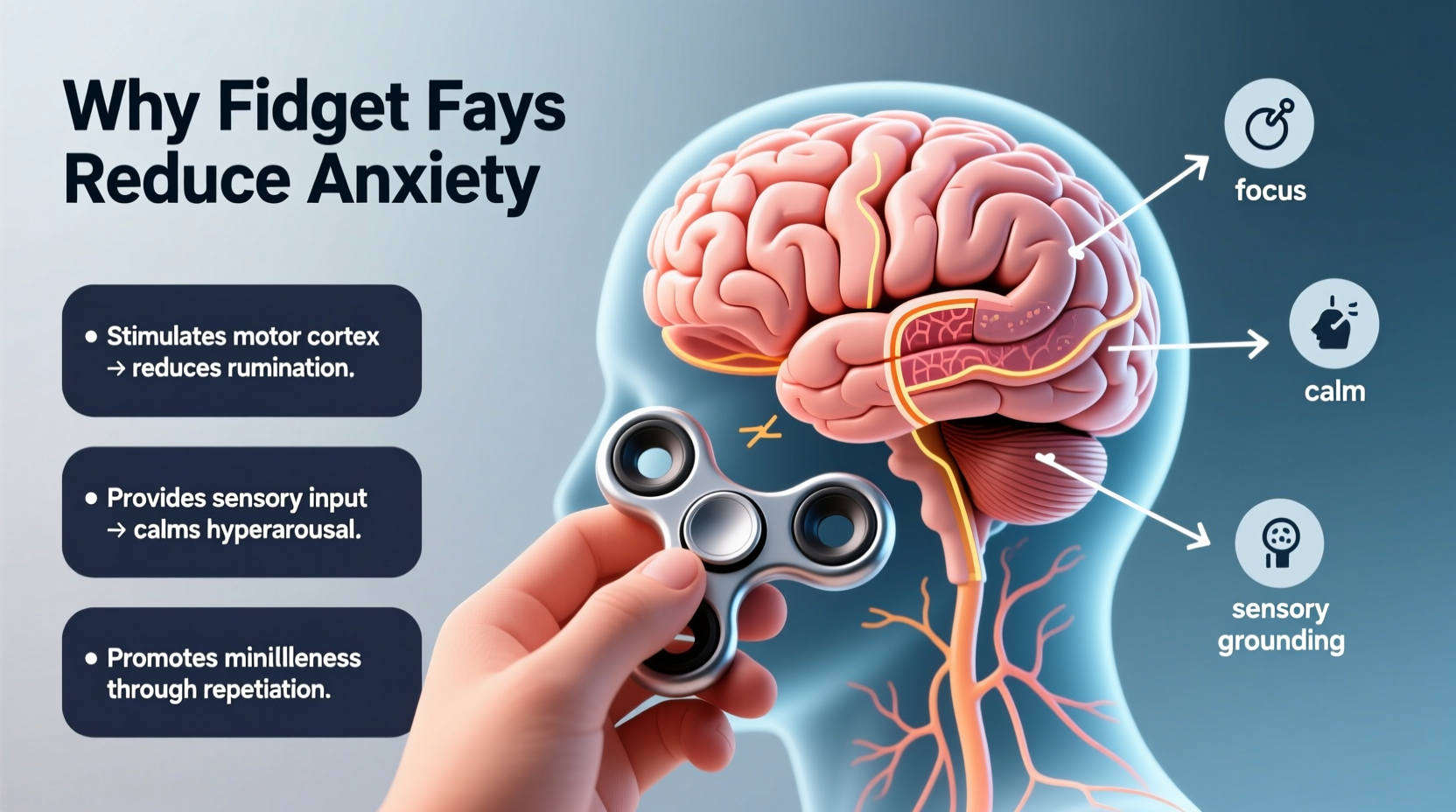
Our nervous system constantly processes sensory information—what we see, hear, touch, and feel. For individuals experiencing anxiety, this system can become overstimulated or dysregulated, leading to heightened alertness and difficulty concentrating. Fidget toys offer a form of controlled sensory input that helps recalibrate this imbalance. By engaging the sense of touch through repetitive motion or texture variation, they provide a grounding effect.
This concept is rooted in occupational therapy principles, particularly the idea of \"self-regulation.\" When anxious, the brain may enter a state of hyperarousal, making it difficult to focus on tasks or calm down. Introducing a low-level, repetitive tactile stimulus—such as clicking a button, rolling beads, or twisting parts—can act as a neural distraction. It doesn't eliminate anxiety, but it redirects excess energy into a predictable, controllable action.
“Fidgeting isn’t a sign of distraction—it’s often a self-soothing mechanism. The right kind of movement can actually improve attention by reducing internal noise.” — Dr. Rebecca Shaffer, Occupational Therapist and Sensory Integration Specialist
This redirection allows the prefrontal cortex—the part of the brain responsible for decision-making and focus—to function more efficiently. In essence, fidget toys don’t stop anxiety; they help the brain manage it more effectively by providing an outlet for nervous energy.
Neurological Mechanisms: Dopamine, Focus, and the Default Mode Network
One key reason fidget toys work lies in their impact on brain chemistry. Repetitive motor actions stimulate the release of dopamine, a neurotransmitter associated with pleasure, motivation, and attention. For people with anxiety—or conditions like ADHD—dopamine levels may fluctuate, contributing to restlessness and difficulty sustaining focus.
Engaging with a fidget toy introduces a rhythmic pattern of movement that mimics habits such as tapping a pen or twirling hair. These behaviors, though often dismissed as distractions, serve a functional purpose: they increase arousal levels when the brain is under-stimulated and reduce agitation when it's overstimulated. This dual role makes them especially useful during high-pressure situations like public speaking, studying, or waiting in stressful environments.
Additionally, research using functional MRI scans has shown that mind-wandering activates the brain’s default mode network (DMN), which is linked to rumination—a hallmark of anxiety disorders. Activities that require light motor engagement, like using a fidget cube, appear to quiet the DMN without demanding full cognitive attention. This creates a mental “pause,” allowing intrusive thoughts to subside temporarily while maintaining alertness.
Fidgeting as a Form of Nonverbal Coping
Humans have always used movement to cope with stress. From pacing during phone calls to bouncing a leg while sitting, these micro-movements are instinctive responses to internal tension. Fidget toys formalize this natural behavior, offering a socially acceptable and discreet way to channel nervous energy.
In classrooms, offices, or clinical settings, overt signs of anxiety—like trembling hands or visible distress—can lead to embarrassment or misunderstanding. A fidget toy provides a private coping strategy. Its use signals neither disinterest nor defiance but rather an effort to remain present and composed.
For neurodivergent individuals, including those with autism spectrum disorder (ASD) or ADHD, this becomes even more critical. Many autistic people experience sensory processing differences that make traditional environments overwhelming. A fidget toy acts as a portable sensory tool, helping them modulate input and maintain emotional equilibrium.
Mini Case Study: Emma, Age 28 – Managing Work Anxiety
Emma, a software developer, began experiencing panic attacks during team meetings. She felt her heart race, her palms sweat, and her thoughts spiral. After discussing her symptoms with a therapist, she was introduced to a simple silicone twist fidget. At first skeptical, she started using it discreetly under the table during meetings.
Within two weeks, she noticed a significant shift. The twisting motion gave her hands something to do, which reduced her urge to leave the room. More importantly, she found herself better able to follow conversations and contribute ideas. Her therapist explained that the toy wasn’t eliminating her anxiety but giving her nervous system a manageable outlet. Over time, Emma integrated other mindfulness techniques, but the fidget remained her go-to anchor during high-pressure moments.
Choosing the Right Fidget Toy: A Practical Guide
Not all fidget toys are equally effective. The best choice depends on individual preferences, sensory needs, and context of use. Here’s a step-by-step approach to finding one that works:
- Identify your primary need: Are you seeking calming input (e.g., for anxiety), alertness (e.g., for focus), or both?
- Consider sensory preferences: Do you prefer smooth or textured surfaces? Quiet or audible feedback (like clicks)?
- Test different types: Try spinners, cubes, pop-its, putty, or wearable fidgets to see what feels most satisfying.
- Evaluate portability: Will you carry it daily? Opt for compact, silent options if discretion matters.
- Assess durability: High-quality materials prevent breakage and ensure long-term use.
| Type of Fidget Toy | Best For | Potential Drawbacks |
|---|---|---|
| Fidget Spinner | Visual stimulation, short bursts of focus | Noisy, can be distracting, banned in some schools |
| Fidget Cube | Versatile tactile input (buttons, switches, joysticks) | Bulky, may draw attention |
| Silicone Tangles | Flexible, quiet manipulation | Limited resistance, may not engage deeply |
| Pop-It | Satisfying auditory-tactile feedback | Can encourage compulsive use, less subtle |
| Thinking Putty | Stress relief, customizable resistance | Can get dirty, messy in pockets |
| Wristbands or Wearable Fidgets | Discreet access throughout the day | Limited variety of motions |
Checklist: Signs Your Fidget Toy Is Working
- You feel calmer within 1–2 minutes of using it.
- Your breathing slows or deepens during use.
- You’re able to return to a task after a stressful interruption.
- You notice fewer physical signs of tension (e.g., clenched jaw, tight shoulders).
- You’re not drawing negative attention in social or professional settings.
Common Misconceptions and Scientific Critiques
Despite growing acceptance, fidget toys face skepticism. Critics argue they are merely trendy gadgets with little real benefit. Some educators ban them, fearing they divert attention rather than enhance it. However, recent studies challenge these assumptions.
A 2020 study published in the Journal of Abnormal Child Psychology found that children with ADHD who were allowed to fidget—either naturally or with tools—performed better on concentration tasks than those forced to sit still. Researchers concluded that movement supports cognitive performance in certain populations by meeting physiological needs for stimulation.
Still, effectiveness varies. A fidget toy won’t replace therapy or medication for severe anxiety disorders. Moreover, misuse—such as obsessive clicking or using it as an avoidance tactic—can reinforce unhealthy patterns. The goal is integration, not dependence.
FAQ: Frequently Asked Questions
Are fidget toys only for kids or people with ADHD?
No. While initially marketed toward children and neurodivergent individuals, fidget toys benefit anyone experiencing stress, restlessness, or difficulty focusing. Adults in high-pressure jobs, students during exams, and seniors managing anxiety have all reported positive results.
Can fidget toys become addictive?
In rare cases, excessive reliance can develop, especially if used to avoid uncomfortable emotions. However, most experts agree that moderate, mindful use poses no risk. If fidgeting interferes with relationships, work, or sleep, consider consulting a mental health professional.
Do I need a diagnosis to benefit from a fidget toy?
Absolutely not. Just as people use meditation apps or noise-canceling headphones for focus and calm, fidget toys are accessible tools for general well-being. No prescription or label is required to explore their benefits.
Conclusion: Harnessing Movement for Mental Resilience
Fidget toys are more than novelty items—they are practical instruments grounded in neuroscience and therapeutic practice. By leveraging the connection between movement and mental state, they offer a simple yet powerful way to manage anxiety in everyday life. Whether you're navigating a stressful commute, preparing for a presentation, or simply trying to stay grounded during uncertain times, a well-chosen fidget tool can serve as a quiet companion in your emotional toolkit.
The science is clear: small movements can lead to big shifts in how we regulate our emotions. Rather than suppressing nervous energy, we can learn to redirect it constructively. As society continues to recognize the importance of mental health, tools like fidget toys remind us that healing doesn’t always come in complex forms—sometimes, it fits right in the palm of your hand.




 浙公网安备
33010002000092号
浙公网安备
33010002000092号 浙B2-20120091-4
Comments
No comments yet. Why don't you start the discussion?