
Fish swimming at the surface of an aquarium is a common sight, but it can mean different things depending on species, behavior, and environmental conditions. While some fish naturally spend time near the top—like bettas or gouramis—others doing so may signal stress, poor water quality, or disease. Understanding the reasons behind this behavior is essential for maintaining a thriving aquatic environment. This guide breaks down the science of fish buoyancy, explores natural versus concerning behaviors, and provides actionable steps to assess and correct potential problems.
Natural Reasons Fish Swim to the Top
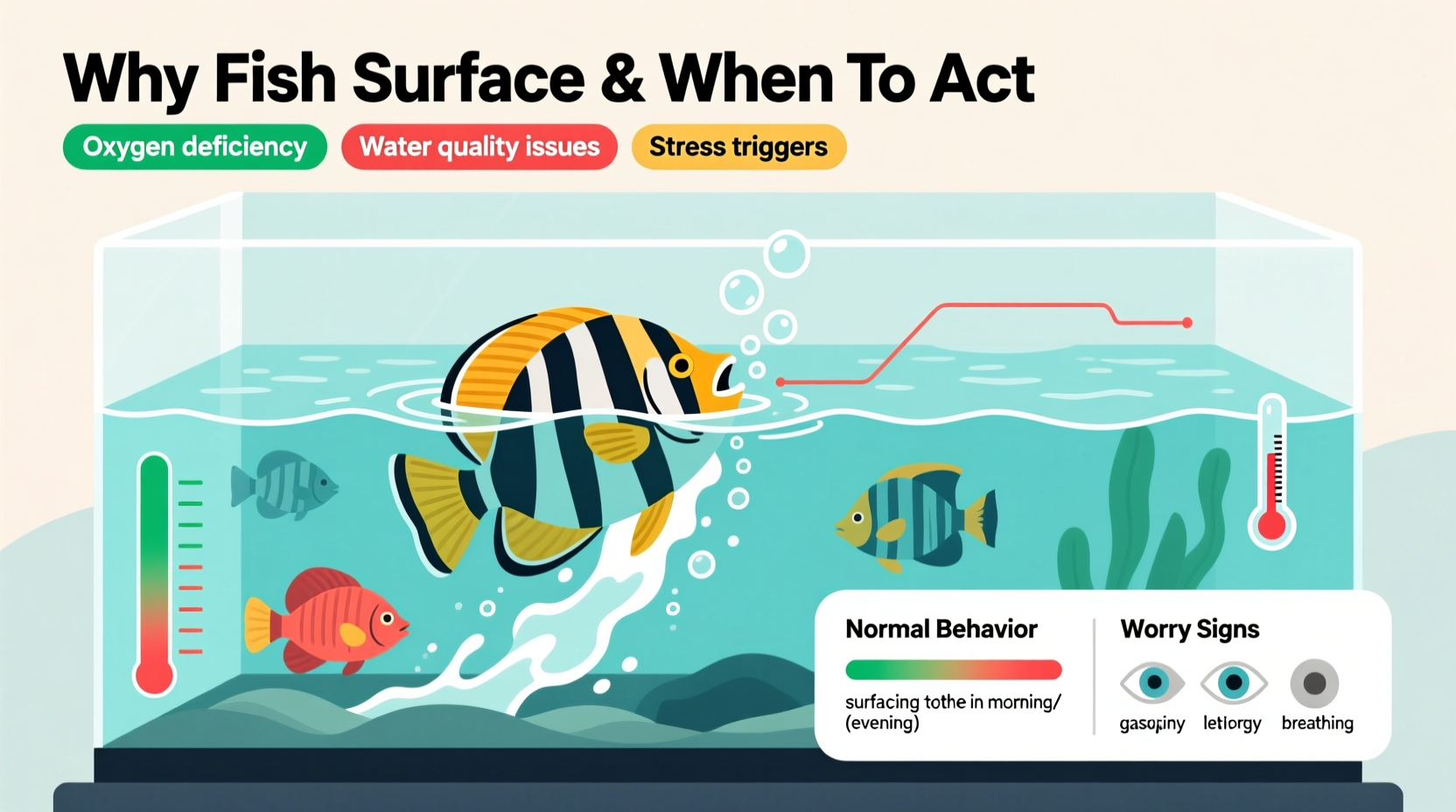
Not all surface activity indicates a problem. Many fish are adapted to life near the water’s surface due to their biology or feeding habits. For example, labyrinth fish such as bettas and paradise fish have a special organ that allows them to breathe atmospheric air. These species regularly rise to the surface to gulp oxygen, especially in tanks with lower dissolved oxygen levels.
Other fish, like hatchetfish or certain tetras, are surface feeders. They’ve evolved to dart up and snatch floating food or insects, making their upward movements completely normal. Even schooling fish might briefly visit the top during active periods, particularly if they’re chasing food or reacting to movement outside the tank.
Additionally, some fish exhibit curiosity or territorial behavior by patrolling the upper zones of the tank. If your fish swims to the top calmly, returns to mid-levels, and shows no signs of distress, it’s likely just part of their routine.
When Surface Swimming Becomes a Red Flag
The concern arises when fish display persistent, frantic, or labored surface behavior. Gasping at the surface—rapidly opening and closing the mouth while hovering just below or breaking the surface—is one of the most telling signs of respiratory distress. This often means the water lacks sufficient dissolved oxygen or contains harmful chemicals like ammonia or nitrite.
Chronic gasping can weaken fish over time, making them more susceptible to infections and reducing lifespan. Other warning signs include:
- Lethargy combined with surface hovering
- Clamped fins or rapid gill movement
- Loss of appetite or erratic swimming
- Discoloration or visible lesions
If multiple fish are exhibiting these symptoms simultaneously, the issue is almost certainly environmental rather than individual illness.
“Persistent surface gasping is rarely normal. It’s the aquatic equivalent of suffocation—it demands immediate investigation.” — Dr. Lena Reyes, Aquatic Veterinarian
Common Causes of Abnormal Surface Behavior
Several interrelated factors can trigger unhealthy surface swimming. Identifying the root cause requires testing, observation, and sometimes process of elimination.
1. Low Oxygen Levels
Warm water holds less oxygen, and overcrowded or poorly circulated tanks often suffer from hypoxia. Signs include fish clustering at the top, especially near filter outflows where oxygen exchange occurs. Increasing surface agitation through air stones or adjusting filter flow can help.
2. High Ammonia or Nitrite
Ammonia burns gills, impairing oxygen uptake. Even low levels (above 0.25 ppm) can cause chronic stress. New tanks undergoing cycling are especially vulnerable, but established tanks can spike due to overfeeding, dead organisms, or filter failure.
3. Poor Water Circulation
Stagnant zones in large or deep tanks can create oxygen-depleted areas. Without proper flow, beneficial gas exchange at the surface doesn’t reach lower levels, forcing fish upward.
4. Overstocking
Too many fish produce excessive waste and consume oxygen rapidly. A general rule is 1 gallon of water per inch of adult fish—but this varies by species. Active or messy eaters like goldfish require even more space.
5. Temperature Fluctuations
Sudden temperature changes affect metabolism and oxygen demand. Warmer water increases respiration rates, raising oxygen needs while decreasing availability—a dangerous combination.
6. Disease or Parasites
Gill parasites like Ichthyophthirius multifiliis (ich) or bacterial infections can damage gill tissue, mimicking oxygen deprivation. Look for white spots, flashing (rubbing against objects), or swollen gills.
Step-by-Step: Diagnosing and Fixing the Problem
If you notice unusual surface behavior, follow this timeline to identify and resolve the issue efficiently.
- Observe behavior closely: Note how many fish are affected, frequency of surface visits, and presence of gasping or lethargy.
- Test water parameters: Use liquid test kits (more accurate than strips) to check ammonia, nitrite, nitrate, pH, and temperature. Ideal ranges:
- Ammonia: 0 ppm
- Nitrite: 0 ppm
- Nitrate: Below 40 ppm
- pH: Stable, species-appropriate (usually 6.5–7.8)
- Temperature: Consistent within species range
- Inspect equipment: Ensure filters are running properly, impellers aren’t clogged, and air pumps or spray bars are creating surface ripple.
- Perform a partial water change: Replace 25–50% of tank water with dechlorinated, temperature-matched water. This dilutes toxins and improves oxygen levels immediately.
- Increase aeration: Add an air stone, adjust filter output to agitate the surface, or use a powerhead to improve circulation.
- Reduce feeding temporarily: Excess food decays into ammonia. Feed only what fish consume in 2 minutes, once daily.
- Monitor for 24–48 hours: Recheck behavior and water quality. If symptoms persist, consider medication for parasites or bacterial infection after confirming diagnosis.
Prevention Checklist: Maintain a Healthy Aquarium Environment
Proactive maintenance prevents most causes of abnormal surface swimming. Use this checklist weekly and monthly to keep your tank stable.
- ✅ Test water weekly for ammonia, nitrite, nitrate, and pH
- ✅ Clean filter media monthly (rinse in old tank water, not tap water)
- ✅ Perform 20–30% water changes every 1–2 weeks
- ✅ Remove uneaten food within 1 hour of feeding
- ✅ Ensure surface agitation via filter outflow or air pump
- ✅ Avoid overstocking; research adult size before adding fish
- ✅ Quarantine new fish for 2–4 weeks before introduction
- ✅ Monitor temperature stability with a reliable thermometer
Do’s and Don’ts: Managing Surface Behavior
| Do’s | Don’ts |
|---|---|
| Do install a lid or cover to prevent fish from jumping out when stressed | Don’t ignore gasping—even one fish showing signs needs attention |
| Do use live plants to boost oxygen during daylight hours | Don’t overdose medications without confirming disease |
| Do acclimate new fish slowly to avoid shock | Don’t perform massive water changes (>50%) unless in emergency |
| Do maintain consistent lighting cycles (8–10 hours/day) | Don’t mix aggressive or incompatible species that cause stress |
Real Example: A Case of Silent Ammonia Buildup
A hobbyist with a 30-gallon community tank noticed her platies and tetras spending increasing time at the surface, especially in the mornings. The fish weren’t gasping violently, but their gill movements were noticeably fast. Water tests initially showed acceptable levels—until she used a liquid kit instead of strips. The result: 0.5 ppm ammonia.
Upon inspection, she discovered a small piece of uneaten food trapped behind a rock, decomposing unnoticed. She performed a 40% water change, cleaned the substrate thoroughly, and added a zeolite filter pad to absorb ammonia. Within 24 hours, the fish returned to normal swimming patterns. This case highlights how subtle ammonia spikes can go undetected with inaccurate testing and emphasizes the importance of vigilance.
Frequently Asked Questions
Why is my fish at the top but not gasping?
Your fish may be a surface-dwelling species, exploring, or simply resting. If it moves freely throughout the tank, eats well, and has normal fin posture, there’s likely no issue. However, monitor for changes in behavior or group patterns.
Can low pH cause fish to stay at the top?
Indirectly, yes. Extremely low pH (<6.0) can damage gill tissues and reduce oxygen-carrying capacity in the blood. More commonly, pH swings (rather than absolute values) stress fish and compound other problems like high ammonia toxicity.
Is it bad if my betta stays at the top all the time?
No—betta fish are labyrinth breathers and need to access air at the surface. As long as they dive occasionally, eat normally, and show no signs of labored breathing, this behavior is natural. Just ensure the tank is covered to prevent chilling after surfacing.
Conclusion: Stay Observant, Act Early
Fish communicate primarily through behavior, and swimming patterns are among the first indicators of health or distress. While occasional trips to the surface are normal—especially for certain species—persistent or strained surface activity should never be ignored. By understanding the balance between biology, water chemistry, and tank dynamics, you can catch issues early and maintain a vibrant, balanced aquarium.
Regular testing, thoughtful stocking, and responsive care make the difference between a struggling tank and a thriving underwater ecosystem. Pay attention, act decisively when needed, and your fish will reward you with energetic, natural behaviors throughout the water column—not just at the top.




 浙公网安备
33010002000092号
浙公网安备
33010002000092号 浙B2-20120091-4
Comments
No comments yet. Why don't you start the discussion?