
For many adults, a flickering fluorescent light, strobe effect at a concert, or even the rapid blinking of holiday decorations can be more than just annoying—they can provoke intense discomfort, anxiety, dizziness, or full sensory shutdown. This isn’t mere sensitivity; it’s often a neurological response rooted in how the brain processes sensory input. Sensory overload from flashing lights is especially common among neurodivergent individuals, those with migraines, PTSD, autism, or anxiety disorders. Understanding the science behind these reactions and implementing effective coping strategies can transform daily life for affected adults.
The Science Behind Light Sensitivity and Sensory Overload
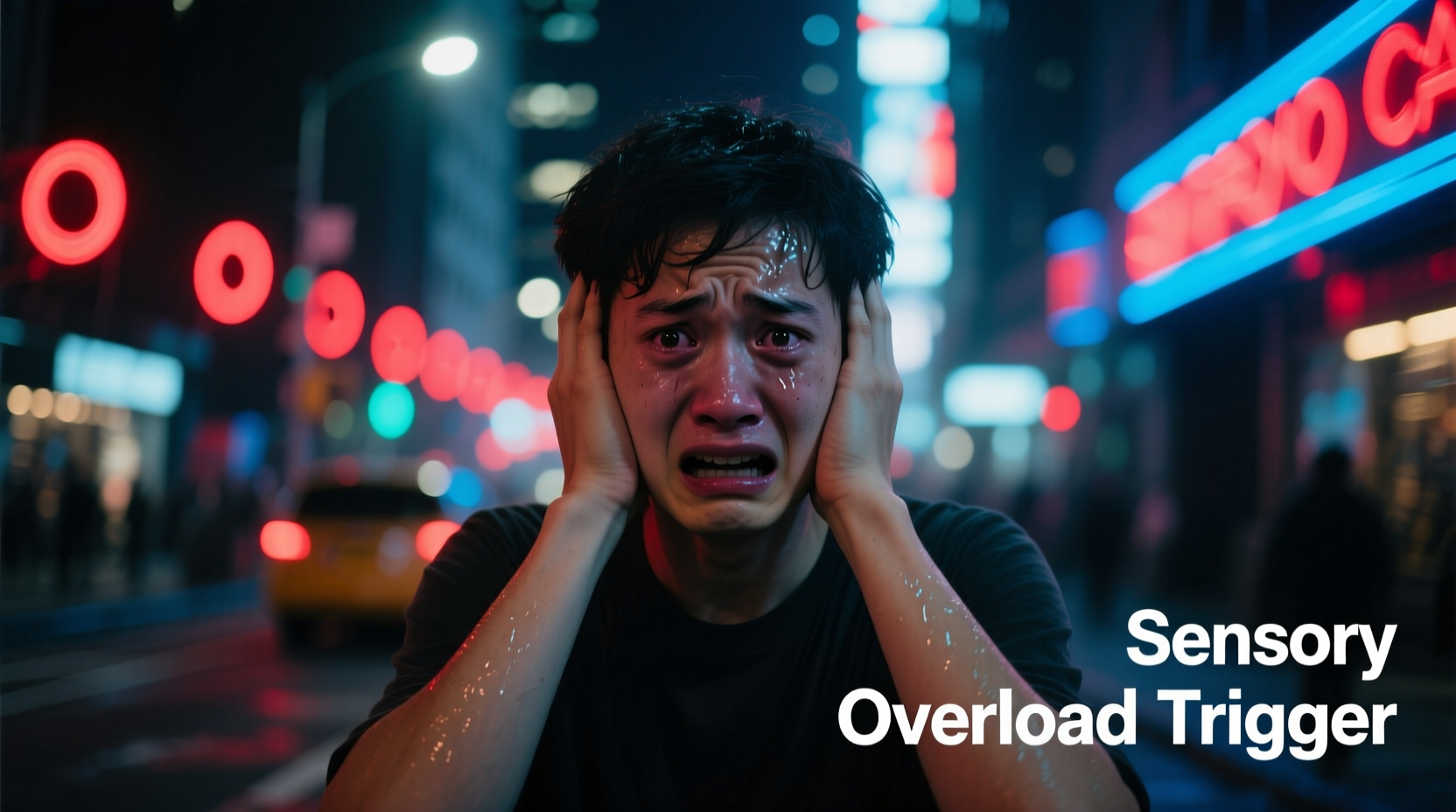
Sensory overload occurs when one or more of the body's senses are overwhelmed by environmental stimuli. In the case of visual stimuli like flashing lights, the brain receives rapid, unpredictable signals that it struggles to process efficiently. For most people, the brain filters out irrelevant sensory data automatically. But for others—particularly those with certain neurological conditions—this filtering mechanism doesn’t function as smoothly.
Flashing lights activate the retina intensely and repeatedly, sending bursts of electrical signals through the optic nerve to the thalamus and visual cortex. In individuals prone to sensory overload, this cascade can disrupt neural regulation, leading to heightened arousal in the autonomic nervous system. The result? Symptoms such as headaches, nausea, confusion, irritability, or even panic attacks.
Conditions commonly associated with light-triggered sensory overload include:
- Migraine and photophobia: Up to 90% of migraine sufferers report light sensitivity, where bright or flickering lights exacerbate pain and prolong episodes.
- Autism Spectrum Disorder (ASD): Many autistic adults experience hypersensitivity across multiple senses, including vision. Rapidly changing lights may feel physically painful or disorienting.
- Post-Traumatic Stress Disorder (PTSD): Flashing lights can resemble traumatic triggers—such as gunfire flashes or emergency vehicle sirens—prompting hypervigilance or flashbacks.
- Epilepsy: While not all epilepsy cases involve photosensitivity, approximately 3–5% of people with epilepsy have seizures triggered by flashing lights, typically between 5–30 Hz frequencies.
- Anxiety and ADHD: These conditions can impair sensory gating, making it harder to ignore distracting stimuli, increasing vulnerability to overload.
“Sensory processing differences aren’t about being ‘overdramatic’—they reflect real neurobiological variation. Recognizing this is the first step toward effective support.” — Dr. Lena Torres, Clinical Neuropsychologist
Coping Strategies for Managing Flashing Light Triggers
While avoiding all sources of flashing light isn’t realistic, adults who experience sensory overload can adopt practical, evidence-based strategies to reduce exposure, mitigate symptoms, and regain control in triggering environments.
1. Use Protective Eyewear
Wearing tinted or polarized lenses can significantly reduce visual stress. FL-41 tinted glasses, originally developed for migraine patients, filter out specific wavelengths of blue and green light linked to photophobia and cortical hyperexcitability. These lenses have been shown in clinical studies to reduce headache frequency and improve light tolerance.
2. Control Your Environment
Modify lighting at home and work to minimize flicker and glare:
- Replace fluorescent bulbs with warm-white LEDs that have low flicker rates.
- Use desk lamps instead of overhead lighting to create softer, directional illumination.
- Install dimmer switches to adjust brightness based on your needs.
- Avoid screens with high refresh rates in dark rooms; enable “dark mode” and reduce screen brightness.
3. Plan Ahead for High-Risk Situations
Events like concerts, nightclubs, parades, or even shopping during holiday seasons often feature intense lighting. Preparing in advance reduces the risk of sudden overload.
- Check venue websites for accessibility information—some now offer “quiet hours” or sensory-friendly events.
- Bring noise-canceling headphones and sunglasses, even indoors.
- Identify exit routes and quiet spaces where you can retreat if overwhelmed.
- Inform a trusted companion about your triggers so they can assist if needed.
Step-by-Step Guide: Responding to Sensory Overload in Real Time
If you begin to feel overwhelmed by flashing lights, follow this sequence to stabilize your nervous system and prevent escalation:
- Pause and Acknowledge: Recognize early signs—squinting, headache onset, mental fog, or irritability. Don’t dismiss them.
- Remove or Shield: Step away from the source if possible. If not, close your eyes briefly or turn your head. Cup your hands around your eyes to block peripheral flicker.
- Ground Yourself: Focus on slow, deep breathing (inhale 4 seconds, hold 4, exhale 6). Touch a stable object—a wall, table, or your own arms—to reconnect with physical reality.
- Seek a Calm Space: Move to a quieter, dimmer area. Even a restroom stall or hallway can serve as a temporary refuge.
- Recover Gradually: Once stabilized, hydrate, rest your eyes, and avoid rushing back into stimulating environments.
Do’s and Don’ts: Managing Flashing Light Exposure
| Do | Don’t |
|---|---|
| Wear blue-light-blocking or FL-41 tinted glasses in artificial lighting | Assume all LED lights are safe—check for flicker using your phone camera |
| Use screen filters and reduce brightness on digital devices | Push through symptoms—early intervention prevents worse reactions |
| Create a low-sensory zone at home for recovery | Attend high-stimulus events without an exit strategy |
| Advocate for accommodations at work or school | Blame yourself for being “too sensitive”—your reaction is valid |
| Track triggers in a journal to identify patterns | Ignore warning signs hoping they’ll pass |
Real-Life Example: Navigating the Workplace
Sophie, a 34-year-old graphic designer with a history of migraines and sensory sensitivity, began experiencing frequent headaches at her new office. The open-plan space used long rows of fluorescent ceiling lights that subtly flickered. Within weeks, she was having weekly migraines and difficulty concentrating.
After consulting a neurologist, Sophie learned she had photophobia exacerbated by flicker. She requested accommodations: relocating to a desk near natural light, replacing her overhead fixture with a low-flicker LED panel, and being allowed to wear FL-41 glasses indoors. Her employer also installed task lighting at her station.
Within a month, Sophie’s migraine frequency dropped by 70%. She reported improved focus and reduced anxiety at work. Her case highlights how small environmental changes, supported by medical insight, can make a profound difference.
Expert Insight: The Role of Occupational Therapy
Occupational therapists (OTs) specializing in sensory integration play a crucial role in helping adults develop personalized coping plans. They assess individual thresholds, recommend environmental modifications, and teach self-regulation techniques.
“We help clients reframe sensory challenges not as weaknesses, but as differences that require smart adaptation. The goal isn’t isolation—it’s empowerment through strategy.” — Marcus Reed, OTR/L, Sensory Integration Specialist
OTs may guide clients through graded exposure exercises, mindfulness practices, and energy management systems to build resilience over time.
Checklist: Building Your Sensory Safety Toolkit
Stay prepared with these essential items and habits:
- ✅ Carry foldable sunglasses or indoor-tinted glasses
- ✅ Keep a portable hat with a brim to shield eyes
- ✅ Save quiet locations on your phone map (libraries, parks, restrooms)
- ✅ Use apps that detect screen flicker or measure light intensity
- ✅ Practice grounding techniques weekly, not just during crises
- ✅ Share your needs with trusted friends, coworkers, or supervisors
- ✅ Maintain a symptom journal to track light exposure and reactions
Frequently Asked Questions
Can adults develop light sensitivity later in life?
Yes. Light sensitivity can emerge due to brain injuries, hormonal changes, prolonged screen use, or onset of neurological conditions like migraines or autoimmune disorders. It’s not limited to childhood or congenital conditions.
Are all flashing lights dangerous for sensitive individuals?
No. Risk depends on frequency, brightness, contrast, and duration. Lights flashing between 5–30 times per second are most likely to cause issues. Steady, diffused lighting—even if bright—is usually less disruptive than intermittent flicker.
How can I ask for accommodations at work without stigma?
Focus on functional needs rather than diagnosis. For example: “I’m sensitive to overhead lighting, which affects my concentration. Could I switch to a desk with natural light or use a lower-glare bulb?” Framing requests around productivity increases acceptance.
Conclusion: Reclaiming Comfort in a Bright World
Living with sensory sensitivity to flashing lights doesn’t mean withdrawing from modern life. With awareness, preparation, and strategic adjustments, adults can navigate visually intense environments safely and confidently. From choosing the right eyewear to advocating for inclusive design, every action builds resilience.
The key lies in recognizing that sensory differences are not flaws—they are variations in human neurology deserving of accommodation and respect. By normalizing these conversations and sharing effective tools, we create a world that works better for everyone.




 浙公网安备
33010002000092号
浙公网安备
33010002000092号 浙B2-20120091-4
Comments
No comments yet. Why don't you start the discussion?