
It starts innocently enough: you’re browsing flights for an upcoming trip, compare a few dates, then step away to think. When you return, the price has jumped—sometimes by hundreds of dollars. You didn’t book, so who drove up the cost? You begin to wonder: are airlines watching me? Is my browser being tracked? And most importantly, is it true that flights get more expensive the more you search them?
The short answer is not exactly—but there’s more nuance than a simple yes or no. While airlines don’t typically raise prices on individual users based solely on repeated searches, a combination of dynamic pricing algorithms, inventory changes, and third-party tracking can create the illusion—or reality—of rising costs the more you look.
How Airline Pricing Really Works
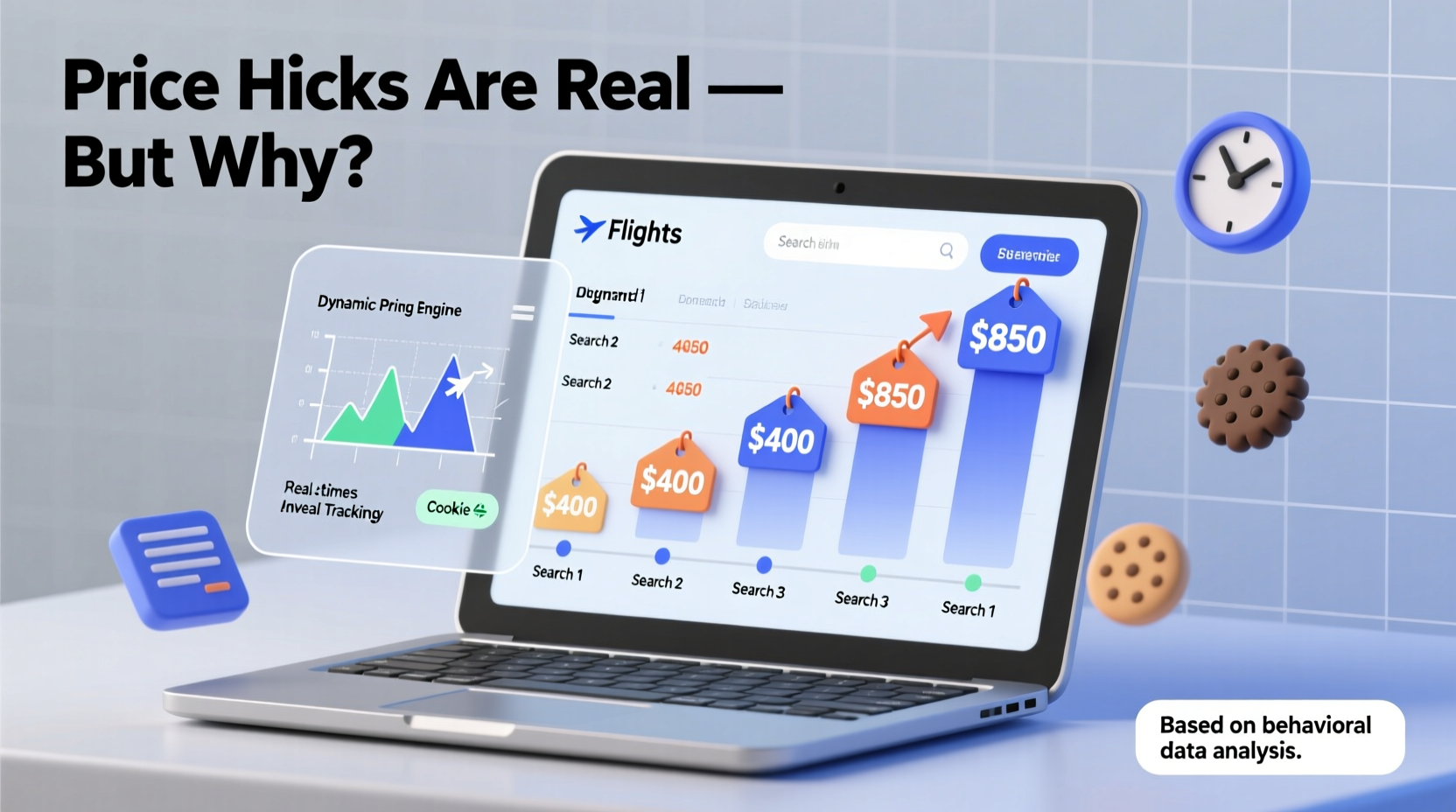
Airlines use highly sophisticated revenue management systems that adjust ticket prices in real time based on demand, competition, timing, and historical data. This practice, known as dynamic pricing, means that every seat on a flight can have a different price depending on when it's sold, who’s buying, and even where they’re searching from.
Unlike fixed-price goods, airline seats are perishable inventory. Once a flight departs, unsold seats generate zero revenue. To maximize profits, airlines continuously optimize pricing to fill planes at the highest possible yield. This system relies on:
- Demand forecasting models
- Competitor price monitoring
- Booking pace analysis (how quickly tickets are selling)
- User location and device type (in some cases)
So while your repeated searches alone aren’t directly inflating prices, they may coincide with broader market shifts that make tickets appear more expensive over time.
The Myth of Personalized Price Hikes
A common belief is that airlines or online travel agencies (OTAs) like Expedia or Kayak use cookies to track your searches and raise prices the more you revisit a route. The idea is simple: if you keep looking, you must really want that flight—so charge more.
However, most major airlines and reputable OTAs deny using personalized pricing based on browsing history. In fact, doing so at scale would be legally and technically complex, especially under privacy regulations like GDPR and CCPA.
That said, third-party websites—particularly meta-search engines and discount deal aggregators—are more likely to use behavioral data to influence what you see. Some studies have shown that these platforms may display higher prices after repeated visits, not because the fare itself changed, but because the site prioritizes urgency to drive conversions.
“While airlines don’t typically spike prices for individual users, the ecosystem around flight shopping—including ads, retargeting, and affiliate links—can create a feedback loop that makes deals seem to disappear.” — Sarah Lin, Travel Technology Analyst at Phocuswright
What Actually Causes Prices to Rise?
If it’s not your search history, then what explains the price jump between your first and second visit? Several legitimate factors are at play:
1. Inventory Depletion
Airlines release tickets in “buckets” of fares. A flight might start with 10 seats available at $299, then move to $379 once those sell out. Even if no one actually booked during your search window, automated systems may close lower fare classes based on projected demand.
2. Time-Based Pricing
The closer you get to departure, the more expensive flights generally become. If you search today and again in three days, the mere passage of time can reduce availability and increase prices.
3. Increased Demand Triggers Algorithm Adjustments
If a concert is announced, a holiday weekend approaches, or a major company declares travel plans, demand spikes—and pricing algorithms respond within hours. Your second search might just catch the aftermath.
4. Geographic and Device Targeting
Some travel sites show different prices based on your IP address. Users in high-income regions may see slightly higher base fares, assuming greater willingness to pay. Similarly, mobile users often face higher prices due to conversion rate optimization strategies.
5. Cache and Session Variability
Occasionally, price differences stem from technical glitches—cached results, expired sessions, or temporary server-side errors. What looks like a price hike might just be inconsistent data delivery.
| Factor | Impact on Price | Can Be Avoided? |
|---|---|---|
| Fare bucket depletion | High | Limited—book early |
| Time to departure | Very High | No—plan ahead |
| Regional pricing | Moderate | Yes—use VPN or incognito |
| Third-party tracking | Low to Moderate | Yes—clear cookies |
| Device-type bias | Low | Yes—compare desktop vs. mobile |
Real Example: The Weekend Getaway That Got Costly
Consider Mark, a software developer planning a long weekend in Denver. On Monday, he searches for flights from Chicago for mid-October and sees round-trip options at $248. He waits until Thursday to confirm his vacation request at work. When he returns to the same OTA, the lowest fare is now $332.
He panics, thinking his searches caused the increase. But upon checking Google Flights and the airline’s direct site, he finds the same higher rate. A quick investigation reveals two key changes:
- The original $248 fare class was sold out.
- A popular craft beer festival in Denver was officially announced Tuesday, spiking demand.
The price increase wasn’t personal—it was systemic. The algorithm adjusted within hours of the event announcement, and Mark simply missed the window.
Smart Strategies to Avoid Rising Flight Prices
You can’t control airline algorithms, but you can change how you interact with them. These actionable steps help you stay ahead of price hikes and book smarter:
- Book during optimal windows. For domestic U.S. flights, aim to book 4–7 weeks in advance. For international routes, 2–5 months is ideal.
- Use incognito or private browsing. This prevents cookies from influencing what deals are shown, especially on third-party sites.
- Compare multiple platforms. Check airline websites directly, Google Flights, Skyscanner, and Momondo. Discrepancies reveal which platform is pushing urgency.
- Set up price alerts. Tools like Hopper, Google Flights, or Airfarewatchdog notify you when prices drop—or rise—on specific routes.
- Avoid peak search times. Booking late at night or on Tuesdays/Wednesdays may reveal lower fares due to reduced competition.
- Clear your cache and cookies regularly. Or use a fresh browser profile dedicated to flight searches.
- Check one-way pricing. Sometimes booking two separate one-way tickets is cheaper than a round-trip, especially across alliances.
Checklist: How to Search Flights Without Driving Up Prices
- ✅ Use incognito mode or a clean browser
- ✅ Enable a price-tracking tool (e.g., Google Flights alert)
- ✅ Compare at least three sources: airline site, meta-search, OTA
- ✅ Note the exact fare rules and change fees
- ✅ Book within 24 hours of finding a good deal
- ✅ Avoid repeated searches on bargain-focused sites like Scott’s Cheap Flights (they highlight limited-time offers)
- ✅ Consider nearby airports for better rates
Frequently Asked Questions
Do airlines charge more if I use a Mac or iPhone?
There’s anecdotal evidence suggesting that users on premium devices may see slightly higher prices on some third-party sites, as algorithms assume higher disposable income. However, airlines themselves rarely implement device-based pricing. To be safe, compare prices across devices.
Is it true that clearing my cookies resets flight prices?
In some cases, yes—especially on OTAs and deal sites that use retargeting. Clearing cookies or using incognito mode can sometimes reveal previously seen lower fares, though this doesn’t affect the airline’s actual inventory pricing.
Should I book immediately if I see a low price?
If the fare is significantly below average for that route and season, yes. Use tools like Google Flights’ price graph to determine if it’s a true low. Most experts recommend booking within 24 hours of spotting a competitive deal.
Conclusion: Stay Informed, Not Intimidated
The perception that flights get more expensive the more you search them stems from a mix of truth, myth, and clever marketing psychology. While airlines aren’t secretly hiking prices on your account, the digital travel ecosystem is designed to encourage quick decisions. Fare classes expire, demand shifts rapidly, and third-party platforms may amplify urgency through design.
The best defense is knowledge and preparation. By understanding how dynamic pricing works, using the right tools, and adopting disciplined search habits, you can avoid paying more than necessary. Don’t let fear of rising prices paralyze your planning—instead, use it as motivation to act strategically.




 浙公网安备
33010002000092号
浙公网安备
33010002000092号 浙B2-20120091-4
Comments
No comments yet. Why don't you start the discussion?