
Game development is one of the most complex creative processes in modern entertainment. Unlike films or books, video games require synchronized work across programming, design, art, sound, narrative, and user experience—often involving hundreds of people over years. Despite best efforts, release dates slip. A highly anticipated title may be delayed once, twice, or even indefinitely. While some delays are routine, others signal deeper trouble. Understanding why delays happen—and when they become red flags—can help players manage expectations and developers communicate more transparently.
The Reality Behind Game Development Timelines
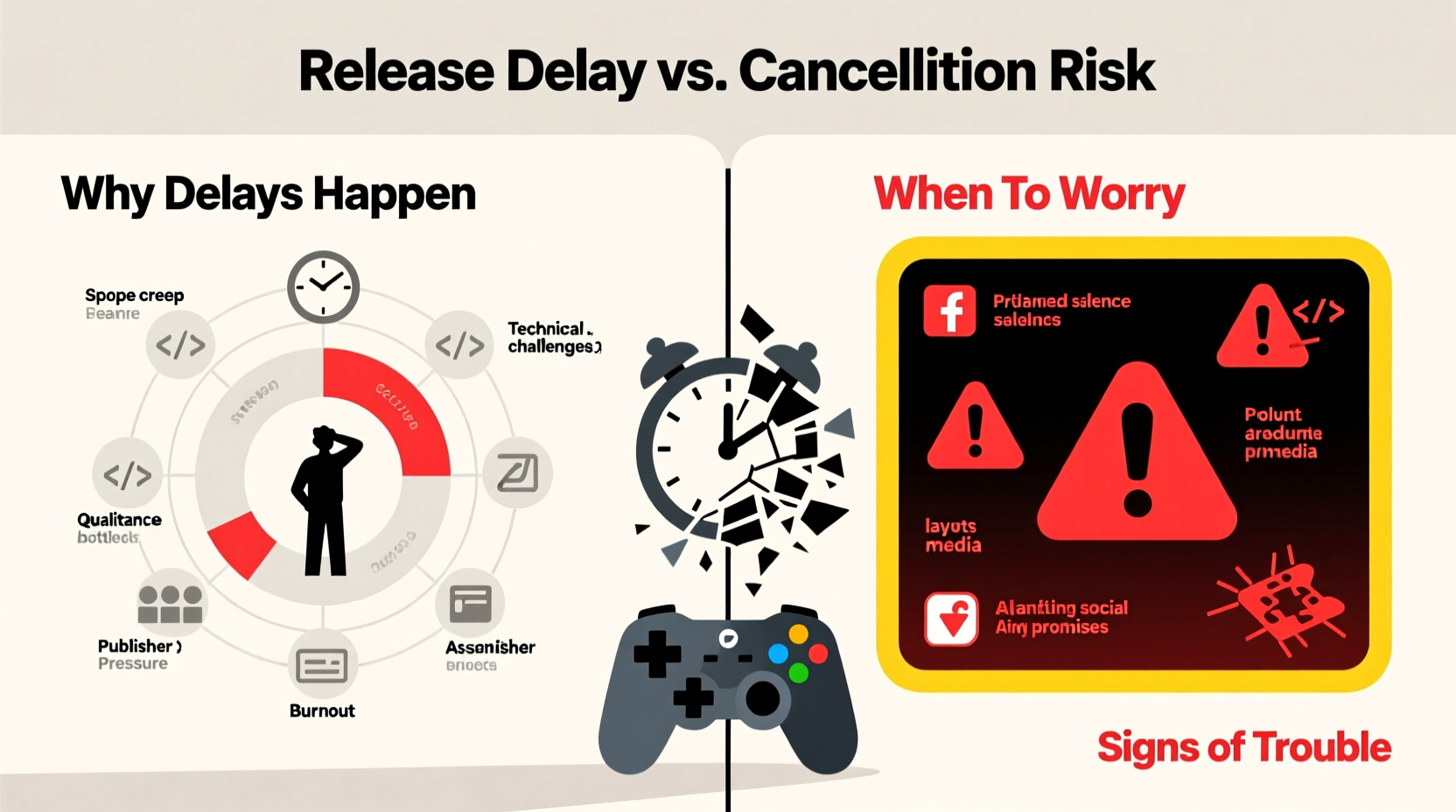
Most games don’t ship on their original release date. In fact, missing an initial launch window has become so common it’s practically expected in the industry. The reasons are rarely due to laziness or mismanagement alone. Instead, they stem from the inherent unpredictability of building interactive systems under evolving technological and market conditions.
Development timelines are often set during early pitches or investor meetings—sometimes before a single line of code is written. These dates are optimistic projections based on assumptions about team size, engine stability, feature scope, and external dependencies. As production progresses, reality sets in: bugs multiply, design goals shift, and technical hurdles emerge. When these factors collide, deadlines must bend—or break.
Common Reasons for Release Delays
Delays aren't inherently negative. Many iconic games—such as *The Legend of Zelda: Breath of the Wild*, *Elden Ring*, and *Cyberpunk 2077* (post-launch)—benefited from extra time. The key lies in understanding the motivation behind the postponement.
- Polish and Quality Assurance: Even with robust testing, gameplay feel, balance, and bug density often require additional tuning. A delay to fix critical crashes or improve pacing can prevent long-term damage to a game’s reputation.
- Feature Expansion: Teams sometimes realize mid-development that a core mechanic isn’t compelling enough. Adding new systems—like multiplayer modes or dynamic weather—can justify pushing the date.
- Technical Challenges: New hardware (e.g., next-gen consoles), engine limitations, or performance optimization across platforms can introduce unforeseen bottlenecks.
- Team Health and Burnout Prevention: Crunch culture has drawn increasing scrutiny. Developers may delay a game to avoid exhausting staff, which improves retention and final product quality.
- Marketing and Launch Strategy: Publishers often reschedule releases to avoid competition. Launching near a blockbuster like *Call of Duty* or *Fortnite* updates can hurt visibility.
- External Factors: Pandemics, supply chain issues, or platform certification delays (e.g., failing Sony’s compliance checks) can force schedule changes.
“Delaying a game is never taken lightly. It's a trade-off between financial pressure and delivering something we’re proud of.” — Amir Patel, Senior Producer at IndieForge Studios
When a Delay Becomes a Warning Sign
Not all delays are equal. Some follow clear communication, defined new timelines, and visible progress. Others lack transparency, come with vague reasoning, or repeat frequently. These patterns raise concerns about project stability.
A single delay with a detailed explanation—especially if accompanied by new gameplay footage or roadmap updates—is typically healthy. But multiple unexplained pushes, especially without developer updates, suggest internal disarray.
Red Flags That Suggest Cancellation Risk
| Warning Sign | What It Might Mean | Risk Level |
|---|---|---|
| Repeated delays without clear reasons | Possible leadership issues, funding problems, or unresolved technical debt | High |
| Silence from the development team | PR freeze, internal turmoil, or legal complications | High |
| Mass layoffs or studio closure | Likely loss of key personnel and momentum | Critical |
| Shift in publisher involvement | Loss of confidence; possible rights disputes | Moderate to High |
| Missing major showcase events (E3, Gamescom) | Unreadiness or lack of marketing support | Moderate |
Mini Case Study: The Rise and Fall of *Project Ragtag*
Vyramid Games, a mid-sized studio acquired by a major publisher, announced *Project Ragtag*—a narrative-driven heist game featuring AI-driven companions—in 2018. Promising trailers and celebrity voice acting generated excitement. The first delay came in 2019, citing “ambition exceeding current scope.” A year later, another push was announced: “to refine emergent storytelling.”
Then, silence. No social media updates. Key leads left the studio. By 2021, job postings vanished. In early 2022, the publisher confirmed cancellation, citing “strategic realignment.” Post-mortems revealed deep technical flaws in the AI system, constant design pivots, and poor integration between departments. What began as a justified delay became a slow descent into abandonment.
This case illustrates how delays without accountability, measurable progress, or stakeholder alignment can mask deeper dysfunction.
How to Evaluate a Delay: A Player’s Checklist
Fans invest emotionally and financially in upcoming games. When a title is delayed, use this checklist to assess whether concern is warranted:
- Was the reason specific? Vague statements like “to meet quality standards” are less reassuring than “to fix server instability in multiplayer mode.”
- Is there a new concrete date? Open-ended delays (“coming later this year”) reduce trust compared to fixed windows (“Q2 2025”).
- Has the team communicated regularly since? Ongoing dev logs, livestreams, or interviews indicate active development.
- Are key team members still involved? Check LinkedIn or press mentions for departures of directors, producers, or lead engineers.
- Has marketing momentum continued? Continued trailers, pre-orders, or influencer access suggest publisher confidence.
- Is the studio known for shipping games? First-time developers face higher risk than studios with proven track records.
The Business Side: Why Publishers Allow Delays (or Don’t)
From a business perspective, every day past a planned release costs money. Marketing campaigns are prepaid. Platform slots are reserved. Investor forecasts rely on revenue timing. Yet, many publishers still approve delays because the cost of failure is greater.
A buggy or incomplete launch can destroy goodwill, trigger refund waves, and harm future sales. *Cyberpunk 2077*’s 2020 release is a textbook example: despite being technically “shippable,” its broken state on last-gen consoles led to widespread backlash, retailer refunds, and a temporary delisting from PlayStation Store. CD Projekt Red lost nearly $1 billion in market value within weeks.
In response, many companies now adopt “quality gates”—internal checkpoints that must be passed before launch. If a game fails stress tests, review score projections, or player feedback rounds, the release is paused. This proactive approach, while costly, prevents reputational disasters.
However, smaller studios or those under tight investor pressure may not have this luxury. Indie developers operating on limited burn rates might rush a product to generate revenue, even if unfinished. In such cases, a delay could mean running out of funds—making cancellation not just possible, but likely.
Step-by-Step: What Happens After a Delay Is Announced?
Understanding the internal process after a delay helps contextualize public messaging. Here’s a typical timeline:
- Internal Assessment (Week 1): Leadership reviews QA reports, milestone completion, and team feedback to identify root causes.
- Stakeholder Meeting (Week 2): Producers, publishers, and department heads align on revised scope, budget, and timeline.
- Communication Planning (Week 3): PR teams draft announcements, prepare FAQs, and coordinate with influencers.
- Public Announcement (Week 4): Studio shares the delay with fans, ideally including rationale and next steps.
- Development Reset (Ongoing): Teams reprioritize tasks, possibly cutting features or hiring additional staff.
- Progress Updates (Monthly): Regular dev blogs or streams rebuild trust and maintain community engagement.
Games that follow this structure tend to recover well. Those that skip steps—especially communication and reset planning—often struggle to regain momentum.
Frequently Asked Questions
Can a delayed game still be successful?
Absolutely. *Hades* was delayed to refine combat and narrative pacing; it went on to win multiple Game of the Year awards. Delays that result in meaningful improvements often enhance a game’s reception.
Do all cancelled games disappear forever?
Not always. Some, like *Fable Legends* or *Star Wars 1313*, may resurface years later under new teams or reboots. Others enter “development hell,” where assets are archived but not officially dead.
Should I cancel my pre-order after a delay?
Not automatically. Evaluate the reason for the delay and the studio’s history. If communication remains strong and progress is visible, waiting may yield a better product. However, if multiple delays occur without updates, reconsider your investment.
Conclusion: Patience, Awareness, and Informed Support
Delays are a natural part of game development, born from ambition, complexity, and the pursuit of quality. When handled responsibly, they protect both the player experience and the team’s well-being. But when shrouded in silence or repeated without justification, they foreshadow deeper issues—including potential cancellation.
As players, we can support the industry not just by buying games, but by advocating for sustainable development practices. Celebrate studios that prioritize quality over arbitrary deadlines. Reward transparency with patience. And when red flags appear, hold publishers accountable—not with outrage, but with informed awareness.




 浙公网安备
33010002000092号
浙公网安备
33010002000092号 浙B2-20120091-4
Comments
No comments yet. Why don't you start the discussion?