
Seeing your goldfish floating at the surface, belly-up or struggling to maintain balance, is alarming. While it might look like a quirky behavior, swimming upside down is almost always a sign of swim bladder disorder—a common but treatable condition in goldfish. The swim bladder is an internal organ that helps fish control buoyancy. When compromised, it disrupts normal swimming patterns, leading to awkward floating, sinking, or lopsided movement. Understanding the causes and implementing targeted interventions can restore your fish’s health and mobility.
Understanding the Swim Bladder and Its Function
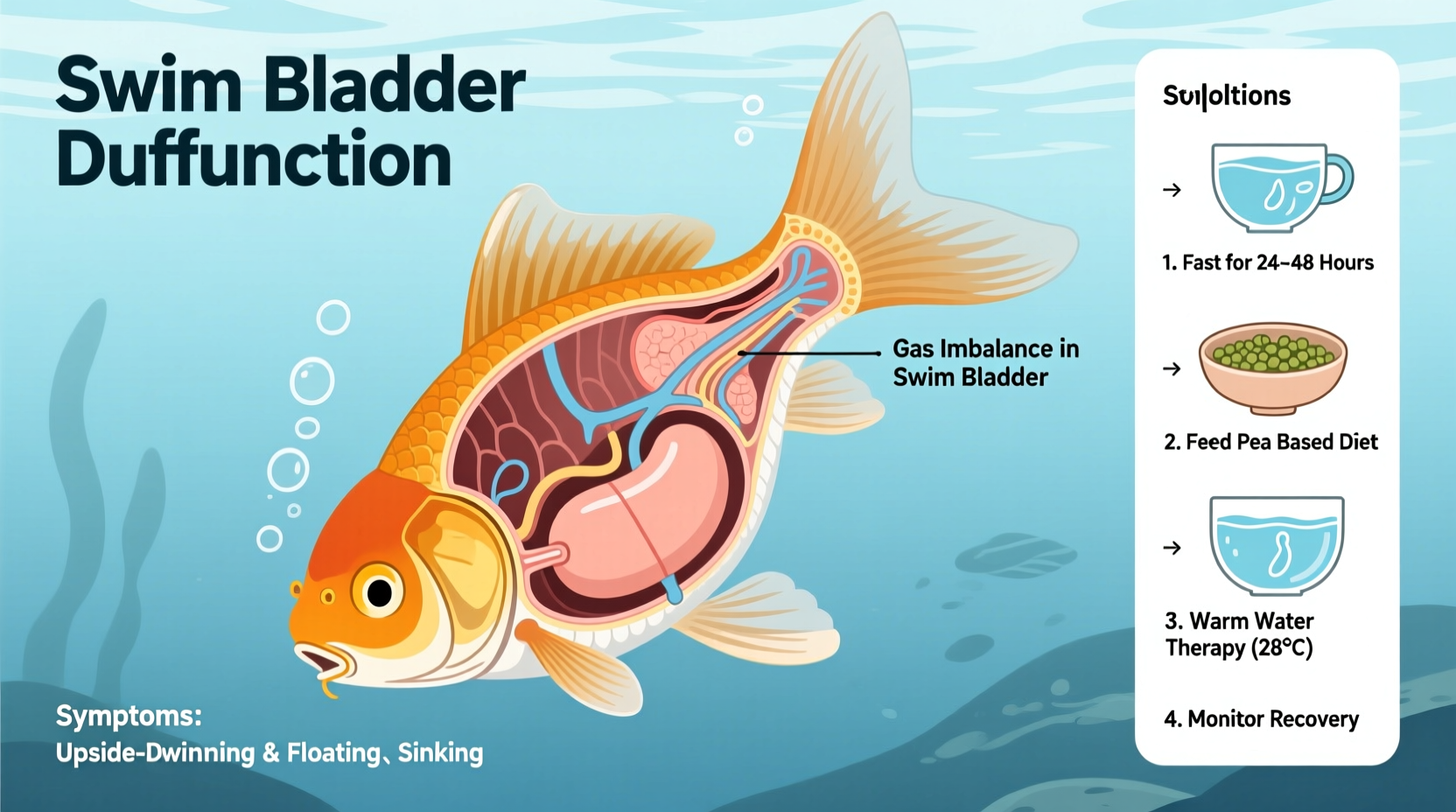
The swim bladder is a gas-filled sac located near the dorsal side of a fish’s body. By adjusting the amount of gas within this organ, goldfish can rise, sink, or hover effortlessly in the water column. It functions much like a submarine’s ballast system—balancing internal pressure with external water pressure.
In goldfish, especially fancy varieties like Orandas, Lionheads, and Ranchus, the swim bladder is particularly vulnerable due to their compact, rounded body shapes. Selective breeding has shortened their digestive tracts and compressed internal organs, increasing the risk of physical interference with the swim bladder. This anatomical predisposition makes them more prone to dysfunction than slender-bodied fish like comets or shubunkins.
“Swim bladder issues in goldfish are often secondary to preventable factors such as poor diet, rapid eating, or unsuitable water conditions.” — Dr. Rebecca Tran, Aquatic Veterinarian
Common Causes of Upside-Down Swimming
Swim bladder disorder isn’t a disease in itself but a symptom of underlying problems. Identifying the root cause is essential for effective treatment.
- Dietary Issues: Dry flake or pellet food absorbs water in the digestive tract and expands, causing bloating that presses against the swim bladder.
- Constipation: A fiber-deficient diet leads to impacted intestines, further compressing the swim bladder.
- Poor Water Quality: High levels of ammonia, nitrite, or fluctuating pH stress the fish, weakening its immune system and impairing organ function.
- Sudden Temperature Changes: Cold water slows digestion, increasing the likelihood of gas buildup and buoyancy problems.
- Infections: Bacterial or parasitic infections can inflame the swim bladder or surrounding tissues.
- Physical Trauma: Injury from aggressive tank mates or improper netting can damage the swim bladder.
- Genetic Predisposition: Fancy goldfish may have congenital abnormalities affecting swim bladder development.
Step-by-Step Guide to Treating Swim Bladder Issues
Most cases of upside-down swimming can be resolved with simple, non-invasive care adjustments. Follow this timeline for best results:
- Day 1: Fasting – Stop feeding for 2–3 days. This allows the digestive system to clear any blockages and reduces pressure on the swim bladder.
- Day 4: Introduce Cooked Peas – Feed one de-shelled, mashed cooked pea per fish. Peas are high in fiber and act as a natural laxative.
- Days 5–7: Monitor and Repeat – Offer peas once daily. Observe if buoyancy improves. Discontinue if no progress after 3 days.
- Check Water Parameters – Test ammonia, nitrite, nitrate, and pH. Ammonia and nitrite should be 0 ppm; nitrates below 40 ppm.
- Perform a 30% Water Change – Use dechlorinated water matched to the tank temperature (68–74°F).
- Elevate Water Temperature Slightly – Increase to 72–74°F to boost metabolism and aid digestion.
- Assess Feeding Habits – Switch to easily digestible foods and feed small portions twice daily.
If symptoms persist beyond 7–10 days, consider bacterial infection as a possible cause and consult a veterinarian about appropriate antibiotics.
Prevention Through Proper Diet and Tank Management
Preventing swim bladder issues is far more effective than treating them. A proactive approach includes dietary balance, feeding technique, and tank stability.
| Do’s | Don’ts |
|---|---|
| Soak dry food before feeding | Feed only dry pellets without soaking |
| Offer blanched peas weekly | Overfeed or leave food uneaten |
| Maintain stable water temperature | Allow sudden temperature drops |
| Use a gravel vacuum weekly | Ignore water quality testing |
| Feed sinking pellets to avoid air gulping | Use floating foods exclusively |
Floating foods encourage goldfish to gulp air at the surface, which can become trapped in the digestive tract and contribute to buoyancy issues. Sinking pellets or granules reduce this risk and promote healthier feeding posture.
Real Example: Rescuing a Bloated Oranda
Lena noticed her orange Oranda, Bubbles, was floating vertically every morning, tail down, struggling to reach the bottom. She had been feeding standard flakes twice daily and rarely tested the water. After researching, she fasted Bubbles for three days, then introduced a quarter of a mashed cooked pea. Within two days, Bubbles began swimming normally. Lena started soaking all dry food and performing biweekly 30% water changes. Six weeks later, Bubbles was active, balanced, and no longer required pea treatments.
This case illustrates how simple dietary corrections and basic tank maintenance can resolve what appears to be a serious medical issue.
When to Suspect Infection or Permanent Damage
While most swim bladder problems are temporary and diet-related, some signs indicate a more serious condition:
- Swelling or bulging near the abdomen
- Redness or inflammation around the vent
- Lethargy despite fasting and treatment
- No improvement after 10–14 days of conservative care
In such cases, a bacterial infection like *Aeromonas* or *Pseudomonas* may be present. These require veterinary diagnosis and prescribed antibiotics such as kanamycin or trimethoprim-sulfamethoxazole. Never use human medications without professional guidance—dosage and formulation differ significantly for aquatic species.
Some goldfish may suffer permanent swim bladder damage due to genetics or prior injury. While they may never swim perfectly, they can still live full, happy lives with accommodations like shallow tanks, easy access to food, and absence of aggressive tank mates.
Comprehensive Care Checklist
Use this checklist to maintain swim bladder health and overall well-being in your goldfish:
- ✅ Test water weekly for ammonia, nitrite, nitrate, and pH
- ✅ Perform 25–30% water changes every 7–10 days
- ✅ Soak dry food for 5–10 minutes before feeding
- ✅ Feed high-fiber foods like peas once a week
- ✅ Avoid overfeeding—portion should be consumed within 2 minutes
- ✅ Maintain consistent water temperature (68–74°F)
- ✅ Use a filter with gentle flow to avoid stressing fish
- ✅ Quarantine new fish before introducing to main tank
- ✅ Observe swimming behavior daily for early warning signs
- ✅ Keep a log of feeding, water changes, and health observations
Frequently Asked Questions
Can swim bladder disorder be fatal?
Not directly, but prolonged inability to eat or reach the surface can lead to starvation, exhaustion, or secondary infections. Prompt intervention greatly improves survival chances.
Is swim bladder disorder contagious?
No, it is not contagious. However, if caused by a bacterial infection, pathogens in the water could affect other fish with weakened immunity. Maintaining clean water reduces this risk.
Can I keep a goldfish with chronic swim bladder issues?
Yes. Many goldfish adapt well to buoyancy challenges. Provide a safe environment with smooth decorations, shallow water, and hand-fed meals if needed. Their quality of life can remain high with attentive care.
Conclusion: Proactive Care Prevents Problems
Goldfish swimming upside down is a distress signal, not a death sentence. With timely action, most cases resolve within days. The key lies in recognizing early symptoms, adjusting diet, and maintaining pristine water conditions. Prevention through routine care is the most powerful tool you have. Healthy goldfish thrive on consistency—stable temperatures, balanced nutrition, and a clean habitat.
By applying these strategies, you’re not just fixing a buoyancy problem—you’re fostering a resilient, vibrant aquarium ecosystem. Start today: check your water, adjust your feeding routine, and give your goldfish the support it needs to swim strong and straight.




 浙公网安备
33010002000092号
浙公网安备
33010002000092号 浙B2-20120091-4
Comments
No comments yet. Why don't you start the discussion?