
Guinea pigs are known for their gentle nature, soft vocalizations, and curious personalities. But one of the most endearing—and sometimes puzzling—behaviors they exhibit is sudden bursts of jumping. You might see your guinea pig leap into the air, twist mid-flight, and land with a hop before dashing off again. This behavior, affectionately known as \"popcorning,\" is both entertaining and meaningful. Understanding why guinea pigs jump like this offers insight into their emotional state, physical well-being, and social needs.
Popcorning isn’t just random movement—it’s a form of expression deeply rooted in instinct and emotion. While it's most common in young guinea pigs, adults can display it too, especially when excited or content. By learning to interpret these energetic outbursts, owners can better assess their pets’ comfort levels and enrich their daily lives.
What Is Popcorning and How Does It Look?
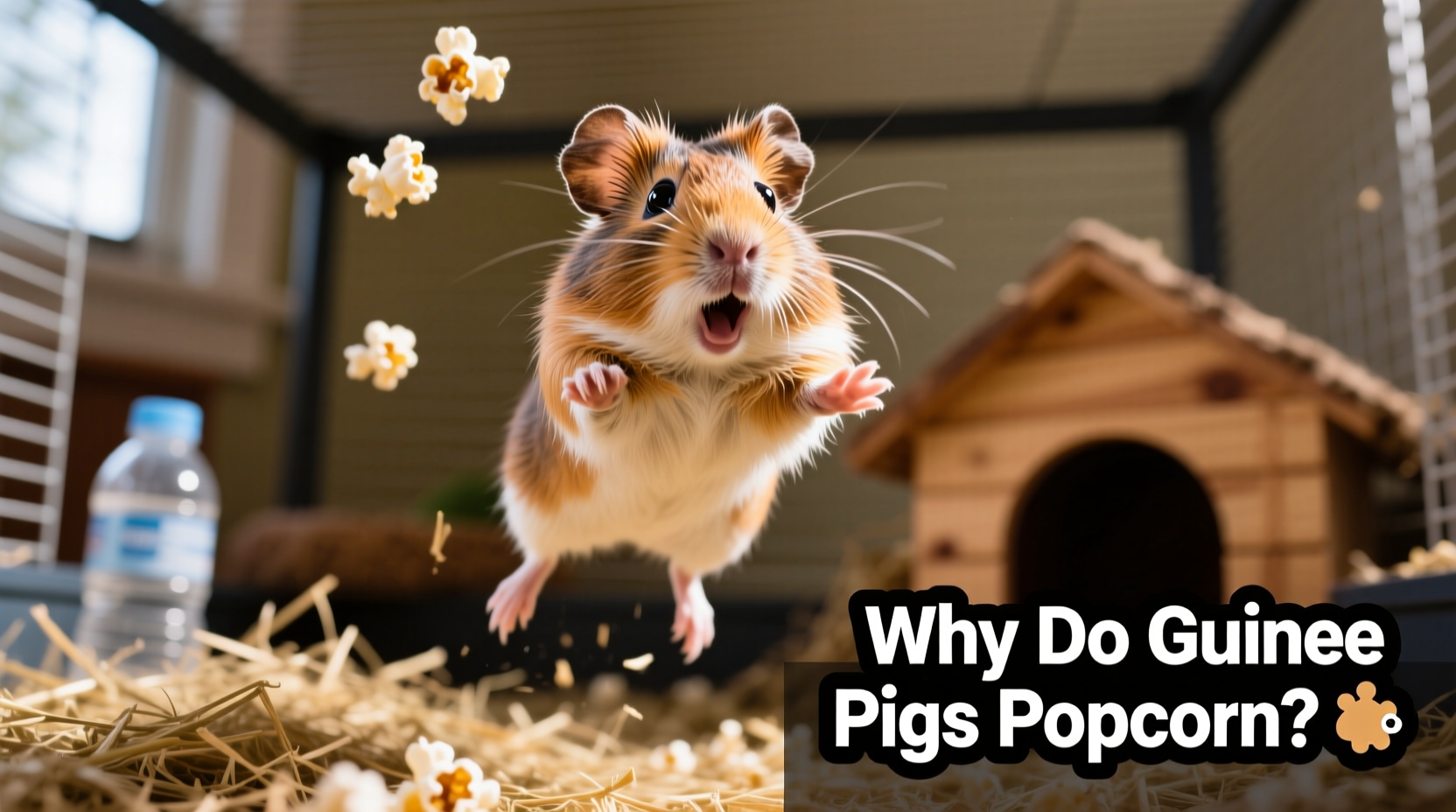
Popcorning refers to the sudden, vertical jumps guinea pigs make when they’re feeling exuberant. The name comes from the way kernels burst and pop in a hot pan—similarly, guinea pigs seem to “pop” off the ground with little warning. These movements can vary in intensity:
- Light popcorning: A quick hop or skip while moving forward.
- Moderate popcorning: A full-body leap with legs tucked beneath, often accompanied by a twist.
- Vigorous popcorning: Repeated high jumps, zigzag running, and sudden direction changes.
This behavior typically occurs during playtime, after being released from a carrier, upon seeing a favorite human, or when introduced to a new, safe environment. Unlike signs of fear or distress (such as freezing or bolting), popcorning is loose, rhythmic, and joyful.
The Emotional Meaning Behind the Jump
At its core, popcorning is an expression of positive emotion. Guinea pigs are prey animals, so overt displays of vulnerability are rare unless they feel completely secure. When a guinea pig engages in popcorning, it signals that they feel safe, happy, and mentally stimulated.
Dr. Laura Brown, a small mammal veterinarian with over 15 years of experience, explains:
“Popcorning is one of the clearest indicators of psychological well-being in guinea pigs. It shows they’re not just surviving—they’re thriving.” — Dr. Laura Brown, DVM, Small Mammal Behavior Specialist
Beyond joy, popcorning can also reflect anticipation. For example, a guinea pig may start popping when they hear the crinkle of a vegetable bag or the opening of their enclosure door. In these cases, the jump combines excitement with eagerness for interaction or food.
When Popcorning Reflects Social Bonding
Guinea pigs are highly social creatures. Popcorning often increases when they’re housed with compatible companions. Observations in multi-guinea pig homes show that individuals frequently popcorn in response to another’s movement, creating a kind of playful chain reaction.
In one documented case at a rescue center in Portland, two newly bonded females, Clover and Daisy, began synchronizing their popcorning after three weeks of cohabitation. Staff noted that after morning feeding, both would erupt into coordinated hops across the playpen—a sign of mutual trust and shared enthusiasm.
This mini case study highlights how popcorning isn't just individual joy; it can be a communal language of safety and connection.
Age, Health, and Popcorning Frequency
While all healthy guinea pigs can popcorn, frequency tends to decline with age. Juveniles between 3 and 12 weeks old are the most prolific poppers, thanks to boundless energy and rapid neurological development. As guinea pigs mature, their movements become more deliberate—though many adults still popcorn occasionally, especially in response to strong stimuli.
A noticeable absence of popcorning isn’t necessarily concerning, particularly in older animals. However, if a normally active guinea pig suddenly stops jumping or seems lethargic, it may indicate underlying issues such as dental pain, respiratory infection, or arthritis.
| Life Stage | Popcorning Likelihood | Common Triggers |
|---|---|---|
| Young (3–12 weeks) | Very High | Exploration, social play, feeding time |
| Adolescent (3–6 months) | High | Interaction with humans, new toys |
| Adult (6–4 years) | Moderate | Favorite treats, companion activity |
| Senior (4+ years) | Low to Occasional | Familiar routines, gentle handling |
How to Encourage Healthy Popcorning
Since popcorning reflects emotional wellness, fostering conditions that promote it benefits your guinea pig’s overall quality of life. You don’t need expensive gear or training—just thoughtful care.
- Provide Ample Space: Guinea pigs need room to run. A minimum of 7.5 square feet per pair is recommended. Larger enclosures encourage exploration and spontaneous play.
- Introduce Novelty Safely: Rotate toys, tunnels, and hideouts weekly. Cardboard boxes, hay-filled baskets, and chew-safe wooden structures stimulate curiosity.
- Schedule Daily Free-Roam Time: At least one hour outside the cage in a guinea pig-proofed area allows natural behaviors like running and popcorn-like bursts.
- Strengthen Human Bonds: Gentle hand-feeding, soft talking, and consistent routines help build trust, making your presence a trigger for joyful responses.
- Maintain a Calm Environment: Loud noises, predators (like cats or dogs nearby), and frequent disturbances suppress confident behaviors like popcorning.
Checklist: Is Your Guinea Pig Environment Popcorn-Friendly?
- ✅ Enclosure meets minimum size standards (7.5 sq ft for two pigs)
- ✅ Flooring is soft (fleece or padded mat) to protect joints
- ✅ Multiple hiding spots available for security
- ✅ Daily supervised playtime outside the cage
- ✅ No sudden environmental stressors (e.g., loud appliances, foot traffic)
- ✅ Companionship provided (unless medically isolated)
- ✅ Fresh food and water available to support energy levels
When Jumping Might Not Be Popcorning
Not all jumping is celebratory. It’s important to distinguish true popcorning from stress-related behaviors:
- Bolting: Rapid, panicked running with no hops—often triggered by loud sounds or perceived threats.
- Kicking or Stiff-Legged Hops: May signal discomfort or annoyance, especially if directed toward another guinea pig.
- Shaking or Twitching Mid-Jump: Could indicate neurological issues or pain—requires veterinary evaluation.
If your guinea pig jumps erratically, hides immediately afterward, or shows other signs of distress (teeth chattering, excessive salivation), the behavior likely isn’t popcorning. Monitor closely and consult a vet if concerns persist.
FAQ: Common Questions About Guinea Pig Jumping
Do all guinea pigs popcorn?
No—not every guinea pig exhibits popcorning, even if they’re happy. Personality plays a role; some are naturally more reserved. As long as your pet is eating well, interacting, and showing other signs of contentment (like purring or gentle nudging), a lack of jumping isn’t alarming.
Can I train my guinea pig to popcorn on command?
You can’t train popcorning directly, as it’s an involuntary expression of emotion. However, you can create conditions where it’s more likely—like calling your pig by name before offering a treat. Over time, they may begin to associate your voice with joy and respond with hops.
Is popcorning dangerous for their joints?
No—healthy guinea pigs are built for short bursts of movement. Their musculoskeletal system supports quick hops and turns. Just ensure flooring is cushioned and free of sharp edges to prevent injury.
Conclusion: Celebrating Joy in Small Moments
Popcorning is more than a quirky habit—it’s a window into your guinea pig’s inner world. Each leap is a testament to their sense of safety, joy, and engagement with life. By recognizing what triggers these moments and nurturing environments where they flourish, caregivers do more than prevent boredom; they cultivate genuine happiness.
Pay attention to when and how your guinea pig moves. Celebrate the hops, respect the quiet moments, and continue building a bond rooted in trust. These small, spring-loaded expressions of delight are among the purest forms of animal joy.




 浙公网安备
33010002000092号
浙公网安备
33010002000092号 浙B2-20120091-4
Comments
No comments yet. Why don't you start the discussion?