
Hamsters are among the most popular small pets, admired for their compact size, curious nature, and surprisingly energetic routines. One of the most common — and sometimes puzzling — behaviors pet owners observe is their hamster running on a wheel late into the night. The sound of tiny paws tapping against plastic or metal can be both endearing and disruptive. But why do hamsters run on wheels all night? This seemingly simple habit is rooted in deep biological instincts, psychological needs, and environmental factors that shape their daily lives.
Understanding this nocturnal marathon requires looking beyond surface-level curiosity. It involves exploring the evolutionary history of hamsters, their natural activity patterns, and how captivity influences their behavior. More importantly, it’s essential to distinguish between healthy exercise and potential signs of stress or overexertion.
The Evolutionary Drive Behind the Wheel
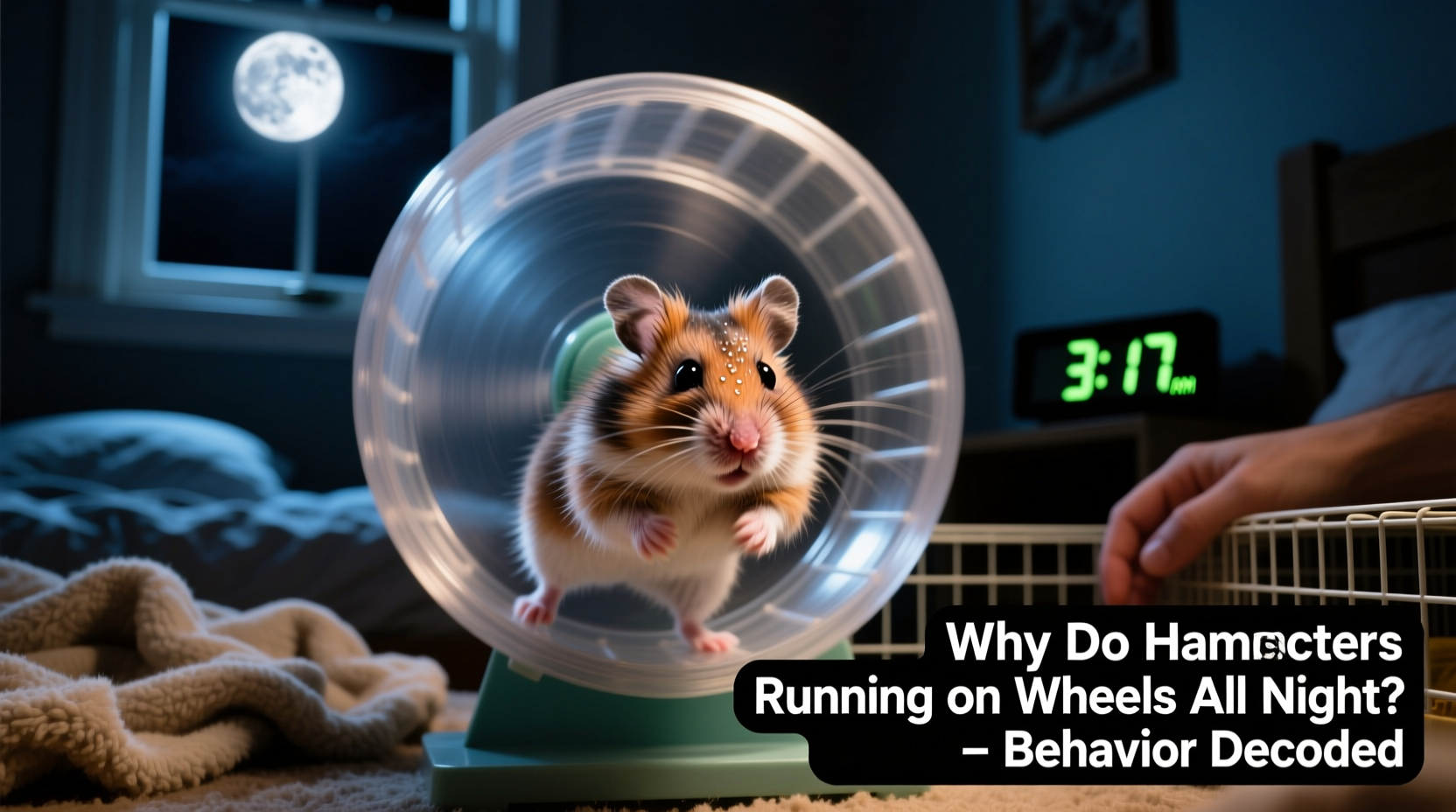
In the wild, hamsters are native to arid regions of Syria, Turkey, Mongolia, and parts of China. These environments demand constant movement: searching for food, evading predators, and establishing territory. Wild hamsters routinely travel several miles each night in search of seeds, grains, and vegetation. Their bodies evolved for endurance, not speed — built with strong hind limbs and efficient cardiovascular systems ideal for sustained locomotion.
When domesticated, these survival-driven instincts don’t disappear. Even though pet hamsters receive food in bowls and live in secure enclosures, their brains still operate under ancestral programming. The wheel becomes a substitute for long-distance travel — a way to fulfill the ingrained need to cover ground. Without natural stimuli like open terrain or foraging challenges, the wheel serves as a behavioral outlet.
“Hamsters aren't just exercising when they run; they're acting out deeply encoded survival behaviors. The wheel satisfies an evolutionary imperative to move.” — Dr. Lena Torres, Small Mammal Ethologist, University of Edinburgh
This explains why even well-fed, healthy hamsters may spend hours on a wheel. It's not necessarily about burning calories; it's about fulfilling a psychological and physiological drive to roam.
Nocturnal Nature: Why Midnight Is Prime Time
Hamsters are naturally crepuscular to nocturnal, meaning they are most active during twilight and nighttime hours. In the wild, this pattern helps them avoid daytime heat and diurnal predators like birds of prey. As dusk falls, their metabolism shifts into high gear, triggering alertness, hunger, and motivation to explore.
In a home environment, this means peak activity occurs when humans are winding down. While you're trying to sleep, your hamster is just beginning its nightly routine — which often includes extended wheel sessions. A single Syrian hamster, for example, can log up to 5–8 miles per night on a properly sized wheel.
This timing isn’t random. Circadian rhythms regulate hormone levels such as melatonin and cortisol, which influence energy and alertness. Disrupting this cycle — by forcing interaction during daylight hours — can lead to stress and reduced overall well-being.
Physical and Mental Health Benefits of Wheel Running
Regular wheel use supports multiple aspects of a hamster’s health. When provided with a safe, appropriately sized wheel, running contributes positively to both physical fitness and emotional stability.
- Cardiovascular conditioning: Sustained running strengthens the heart and improves circulation.
- Muscle maintenance: Prevents atrophy and promotes joint flexibility.
- Weight management: Helps control obesity, especially in dwarf species prone to diabetes.
- Stress reduction: Physical activity releases endorphins, reducing anxiety and preventing stereotypic behaviors.
- Cognitive stimulation: Repetitive but self-directed motion provides mental engagement.
Studies have shown that hamsters denied access to wheels exhibit higher levels of stress hormones and increased tendencies toward bar-gnawing, pacing, and other repetitive actions — signs of poor welfare in confined animals.
Choosing the Right Wheel Matters
Not all wheels support healthy running. Poorly designed models can cause injury or discourage use. Here’s a comparison of common wheel types:
| Wheel Type | Pros | Cons | Recommended? |
|---|---|---|---|
| Wire Mesh Wheel | Affordable, widely available | Can trap feet, injure tails, cause bumblefoot | No |
| Plastic Solid-Surface (with tail guard) | Safe, quiet, supports proper posture | May wobble if poorly mounted | Yes |
| Wooden Wheel | Natural look, good grip | Harder to clean, may splinter over time | Conditionally |
| Flying Saucer Style | Fun design, low profile | Forces unnatural hunched posture | No |
Syrian hamsters require wheels at least 8–12 inches in diameter. Dwarf species (like Roborovskis or Campbells) do well with 6.5–8 inch wheels. Anything smaller forces spinal curvature, leading to long-term discomfort.
When Running Becomes a Problem: Signs of Overexercise
While regular wheel use is normal and beneficial, excessive running can indicate underlying issues. Some hamsters develop compulsive patterns — running for hours without breaks, even skipping meals or ignoring nesting opportunities. This behavior may stem from:
- Lack of environmental enrichment
- Overstimulation or anxiety
- Poor cage layout (e.g., wheel placed too close to sleeping area)
- Genetic predisposition in certain lines
In rare cases, hamsters may run until physically exhausted — a condition sometimes referred to as “barbering the wheel” due to worn-down paw pads or fur loss from friction. Unlike healthy runners who pause to eat, drink, or groom, obsessive runners show rigid routines with little variation.
“We once observed a female Roborovski hamster logging over 14 hours of continuous wheel use in a 24-hour period. After introducing tunnels, chew toys, and a digging box, her running decreased by 60%, and she began exploring other areas of her enclosure.” — Dr. Alan Pierce, Veterinary Behaviorist, Chicago Exotic Animal Hospital
Mini Case Study: Reducing Obsessive Wheel Use
Sophia, a first-time hamster owner, noticed her Syrian hamster, Milo, was running nonstop every night — starting immediately after lights out and continuing intermittently until dawn. Concerned about his health, she recorded his activity and shared footage with a small mammal vet.
The vet noted that Milo’s cage contained only a food bowl, a hideout, and a small wire wheel. There were no toys, tunnels, or substrate for digging. The diagnosis: environmental deprivation leading to redirected activity. The wheel was the only source of stimulation.
Sophia upgraded the enclosure with a deep layer of paper-based bedding, added cardboard tubes, a wooden chew block, and replaced the wheel with a silent 9-inch solid-runner model. Within five days, Milo’s running dropped from ~9 hours per night to 4–5, distributed in shorter bursts. He began spending more time burrowing and rearranging nest material.
This case illustrates how wheel obsession is often less about the animal and more about the environment.
Actionable Checklist: Promoting Healthy Wheel Use
To ensure your hamster runs for joy, not distress, follow this expert-backed checklist:
- ✅ Provide a solid-surface wheel large enough to prevent back arching.
- ✅ Position the wheel away from the sleeping nest to avoid disturbance.
- ✅ Offer at least three forms of enrichment: tunnels, diggable substrate, and chew toys.
- ✅ Monitor running duration — occasional long sessions are fine, but consistent 8+ hour marathons warrant evaluation.
- ✅ Clean the wheel weekly to maintain hygiene and smooth rotation.
- ✅ Rotate toys and rearrange cage layout every 7–10 days to renew interest.
- ✅ Observe for signs of injury: limping, bleeding paws, or fur loss near the tail.
Frequently Asked Questions
Is it normal for my hamster to run 6 hours a night?
Yes, especially for Syrian hamsters. Six hours of intermittent running, broken up by eating, drinking, and grooming, falls within the normal range. As long as the hamster appears healthy and uses other parts of the cage, this level of activity is not concerning.
Should I take the wheel out at night to let my hamster rest?
No. Removing the wheel disrupts natural behavior and may increase stress. Hamsters self-regulate rest. If they’re truly fatigued, they’ll sleep. Forcing downtime can lead to frustration and suppressed activity rather than genuine relaxation.
My hamster doesn’t use the wheel at all — should I worry?
Not necessarily. Some hamsters prefer climbing, digging, or chewing. However, ensure the wheel is the right size and type. Try relocating it or adding a treat nearby to spark interest. If the hamster shows lethargy, weight gain, or disinterest in all activities, consult a veterinarian.
Conclusion: Respecting the Runner Within
The sight and sound of a hamster sprinting through the night is more than a quirky pet trait — it’s a window into millions of years of evolution, survival strategy, and instinctual drive. Far from being meaningless repetition, wheel running allows captive hamsters to express core behaviors essential to their identity as animals.
As caretakers, our role isn’t to stop the running, but to support it in a way that promotes balance and well-being. That means providing the right equipment, enriching the environment, and observing with empathy. When we understand *why* hamsters run all night, we shift from annoyance to appreciation — recognizing not just a noisy habit, but a profound expression of life lived fully, one revolution at a time.




 浙公网安备
33010002000092号
浙公网安备
33010002000092号 浙B2-20120091-4
Comments
No comments yet. Why don't you start the discussion?