
Meat cravings are more common than many realize, affecting people across different diets—from omnivores to vegetarians trying to transition away from animal products. These cravings aren't just about taste or habit; they often stem from deeper physiological, psychological, and nutritional factors. Understanding the root causes is the first step toward managing them effectively. Whether you're aiming to reduce meat consumption for health, ethical, or environmental reasons, this guide explores the science behind meat cravings and offers actionable strategies to overcome them.
Biological Reasons Behind Meat Cravings
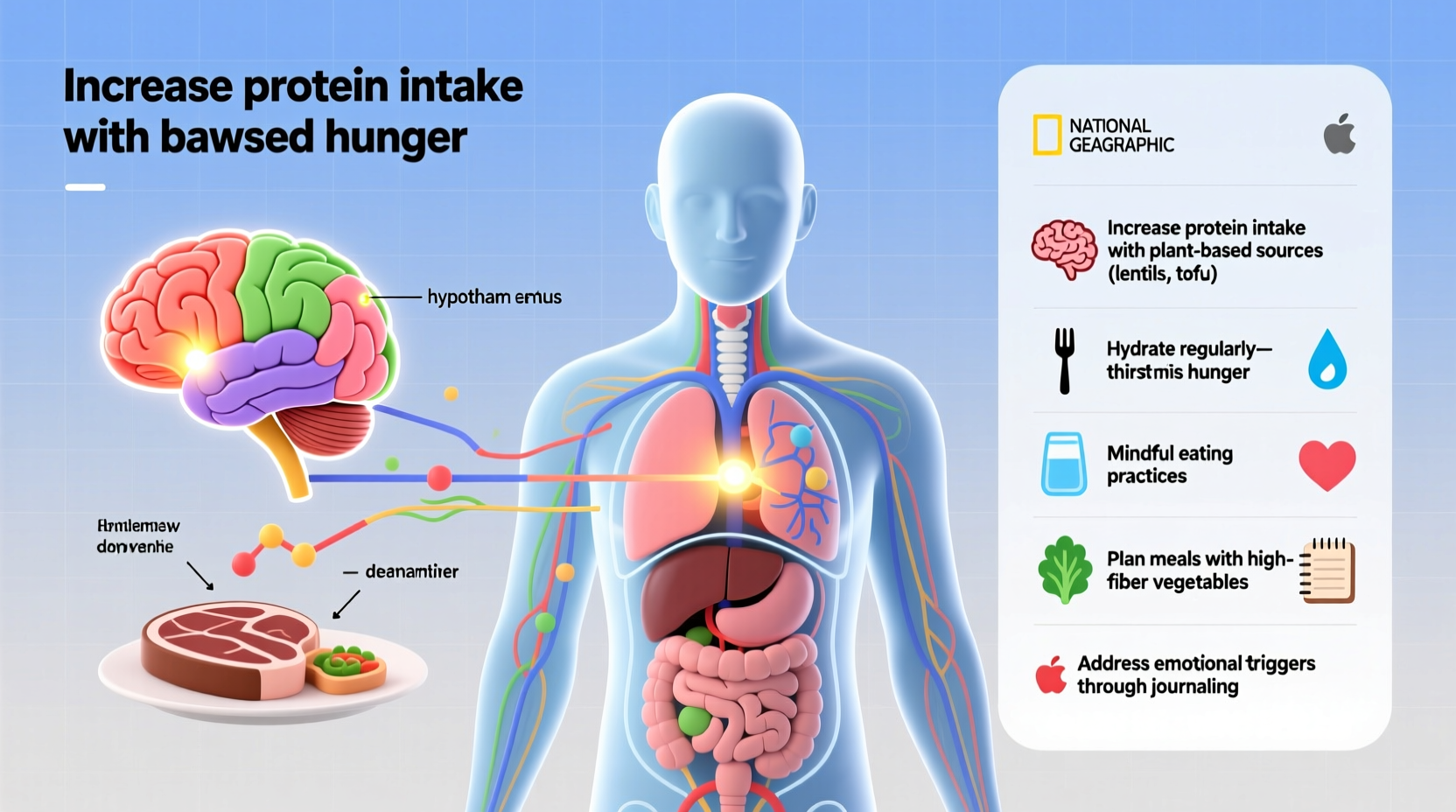
The human body evolved to seek out high-calorie, nutrient-dense foods—meat being one of the most efficient sources of protein, iron, zinc, and B vitamins. When your body detects a deficiency in these nutrients, it may trigger intense cravings as a survival mechanism.
- Protein deficiency: Meat is rich in complete proteins containing all nine essential amino acids. If your diet lacks sufficient protein, especially from plant sources, your brain may signal a craving for meat to compensate.
- Iron deficiency (especially heme iron): Heme iron, found only in animal products, is absorbed more efficiently than non-heme iron from plants. Low iron levels can lead to fatigue and strong cravings for red meat—a condition sometimes referred to as \"pica\" when linked to anemia.
- Vitamin B12 shortage: This vitamin is naturally present almost exclusively in animal products. A deficiency can cause neurological symptoms and increased appetite for meat.
- Blood sugar fluctuations: Diets high in refined carbs and low in protein can cause energy crashes, prompting the body to crave dense, satisfying foods like meat to stabilize glucose levels.
Psychological and Habitual Triggers
Beyond biology, psychology plays a major role in food cravings. Many people associate meat with comfort, celebration, or cultural identity. Meals without meat might feel incomplete due to years of conditioning.
Common psychological drivers include:
- Habit formation: Eating meat at every meal creates neural pathways that make skipping it feel unnatural.
- Emotional eating: Stress, boredom, or sadness can amplify cravings for rich, savory foods—often fulfilled by meat-heavy dishes.
- Sensory satisfaction: The umami flavor and chewy texture of meat activate pleasure centers in the brain, making it psychologically rewarding.
“Cravings are rarely just about hunger—they’re signals from both body and mind. Decoding them requires looking beyond nutrition into lifestyle and emotional patterns.” — Dr. Lena Torres, Clinical Nutritionist
How to Stop Meat Cravings: A Step-by-Step Guide
Reducing or eliminating meat cravings doesn’t require willpower alone—it demands strategy. Follow this timeline to retrain your body and mind over 4–6 weeks.
- Week 1: Audit Your Diet
Track everything you eat for seven days. Note when cravings hit and what you ate beforehand. Look for patterns: Are cravings worse after carb-heavy meals? During stress? - Week 2: Optimize Protein Intake
Replace 1–2 meat-based meals daily with plant proteins like lentils, tofu, tempeh, chickpeas, or seitan. Ensure each meal contains at least 15–20g of protein. - Week 3: Address Nutrient Gaps
Add fortified foods or supplements if needed—especially B12, iron, and zinc. Pair plant-based iron sources (like spinach) with vitamin C (e.g., lemon juice) to enhance absorption. - Week 4: Recreate Familiar Flavors
Use mushrooms, smoked paprika, tamari, miso, or liquid smoke to mimic the savory depth of meat. Try mushroom-based “steaks” or lentil-walnut “tacos.” - Weeks 5–6: Build New Rituals
Establish go-to meat-free recipes for breakfast, lunch, and dinner. Consistency reduces decision fatigue and strengthens new habits.
Nutritional Comparison: Meat vs. Plant-Based Alternatives
| Nutrient | Beef (100g) | Lentils (100g cooked) | Tofu (100g) | Seitan (100g) |
|---|---|---|---|---|
| Protein | 26g | 9g | 8g | 25g |
| Iron | 2.6mg (heme) | 3.3mg (non-heme) | 2.7mg | 3.5mg |
| Zinc | 4.8mg | 1.3mg | 1.1mg | 2.4mg |
| Vitamin B12 | 2.6μg | 0μg | 0μg | 0μg (unless fortified) |
| Fiber | 0g | 8g | 2g | 0g |
Note: While some plant options lag in certain nutrients, combining foods (e.g., lentils + tomatoes) and supplementing wisely closes most gaps.
Real Example: Sarah’s Transition Off Meat
Sarah, a 34-year-old teacher, had eaten meat daily since childhood. After learning about the environmental impact of animal agriculture, she decided to go vegetarian—but struggled with intense cravings for chicken and bacon.
She started tracking her meals and noticed cravings spiked after lunch, which usually consisted of a bagel and fruit. Her protein intake was only around 40g per day. She began replacing breakfast with a tofu scramble and added lentil soup to her lunches. Within two weeks, her afternoon cravings diminished significantly. By incorporating B12-fortified nutritional yeast and taking a weekly iron supplement (under medical advice), her energy improved. After six weeks, she no longer missed meat and found plant-based cooking enjoyable.
Actionable Tips to Reduce Meat Cravings
- Stay hydrated—thirst is often mistaken for hunger or specific food cravings.
- Eat balanced meals with protein, healthy fats, and fiber to maintain satiety.
- Practice mindful eating: Pause before giving in to a craving. Ask, “Am I truly hungry, or stressed/bored?”
- Gradually reduce meat instead of quitting cold turkey—this eases withdrawal symptoms and habit adjustment.
- Join a community or find a buddy also reducing meat intake for accountability and recipe sharing.
Checklist: How to Manage Meat Cravings Effectively
- ☑ Assess current diet for protein, iron, B12, and zinc levels
- ☑ Replace one meat meal per day with a high-protein plant alternative
- ☑ Get blood work if fatigue or cravings persist
- ☑ Use umami-rich seasonings to satisfy savory desires
- ☑ Stay consistent for at least 4 weeks to reset taste preferences
- ☑ Consider a B12 supplement if avoiding all animal products
Frequently Asked Questions
Is craving meat a sign of anemia?
It can be. Iron-deficiency anemia, particularly in women, is commonly associated with pica—a condition where people crave non-food items or specific foods like ice or red meat. If you're constantly craving red meat and feel fatigued, consult a healthcare provider for a ferritin test.
Can plant-based diets fully replace the nutrition in meat?
Yes, with planning. While meat provides highly bioavailable nutrients, well-balanced plant-based diets that include legumes, nuts, seeds, fortified foods, and supplements (like B12) can meet all nutritional needs. Athletes and pregnant individuals should pay extra attention to protein and micronutrient intake.
Why do I crave meat when I’m stressed?
Stress increases cortisol, which can alter appetite and drive cravings for dense, comforting foods. Meat’s high fat and protein content provide prolonged fullness and stimulate dopamine release, creating a temporary sense of relief. Managing stress through sleep, exercise, or mindfulness can reduce these emotional cravings.
Take Control of Your Cravings
Craving meat isn’t a personal failure—it’s a signal. Your body may be asking for more protein, iron, or emotional comfort. By addressing the underlying causes with informed choices, you can reduce or eliminate these cravings without feeling deprived. The goal isn’t perfection but progress: building sustainable habits that support your health, values, and long-term well-being.




 浙公网安备
33010002000092号
浙公网安备
33010002000092号 浙B2-20120091-4
Comments
No comments yet. Why don't you start the discussion?