
Bloating after eating is a common yet frustrating experience. It can make your stomach feel swollen, tight, or full—sometimes painfully so—even after small meals. While occasional bloating is normal, consistent post-meal discomfort may signal underlying dietary or digestive issues. Understanding the root causes and implementing practical strategies can significantly reduce symptoms and restore confidence in daily life.
Common Causes of Post-Meal Bloating
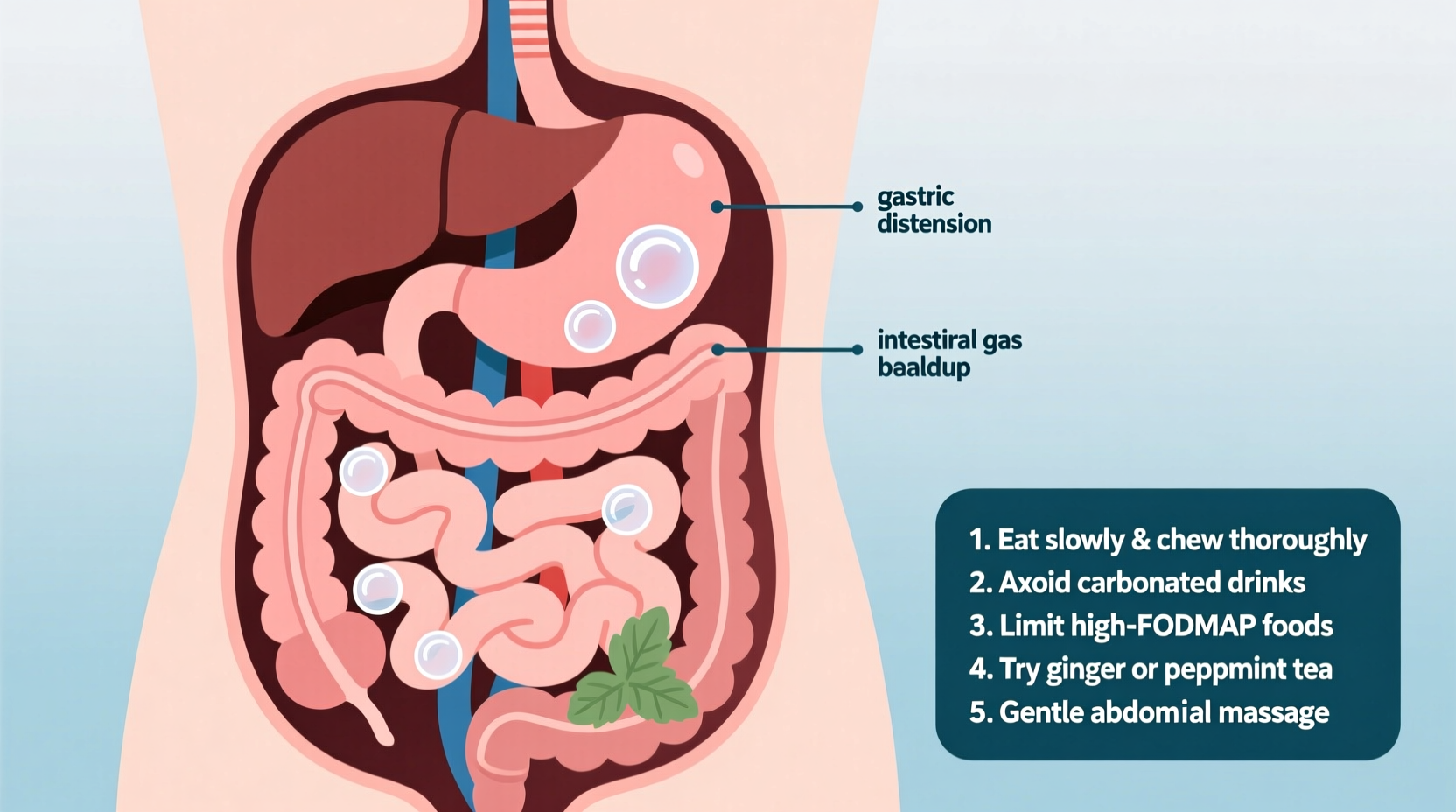
Bloating occurs when gas builds up in the digestive tract or when fluid retention distends the abdomen. Several factors contribute to this sensation, often working in combination:
- Dietary triggers: Certain foods like beans, cruciferous vegetables (broccoli, cauliflower), carbonated drinks, and artificial sweeteners ferment in the gut, producing gas.
- Swallowing air: Eating too quickly, chewing gum, or drinking through straws introduces excess air into the stomach.
- Food intolerances: Lactose, fructose, and gluten sensitivities impair digestion, leading to fermentation and bloating.
- Slow digestion: Conditions like irritable bowel syndrome (IBS) or gastroparesis delay gastric emptying, prolonging feelings of fullness.
- Gut microbiome imbalance: An overgrowth of certain bacteria in the small intestine (SIBO) can cause excessive gas production.
- Hormonal fluctuations: Many women report increased bloating during menstruation due to water retention and changes in gut motility.
“Chronic bloating isn’t something to ignore. It’s often a sign that your digestive system is struggling with specific foods or an imbalance in gut flora.” — Dr. Lena Patel, Gastroenterology Specialist
Foods That Commonly Cause Bloating: Do’s and Don’ts
Not all foods affect everyone the same way, but some are more likely to trigger bloating than others. Use this guide to identify potential culprits in your diet.
| Food Type | May Cause Bloating? | Better Alternatives |
|---|---|---|
| Beans & Lentils | Yes (high in raffinose) | Soak and rinse before cooking; try smaller portions |
| Dairy Products | Yes (if lactose intolerant) | Lactose-free milk, almond milk, hard cheeses |
| Carbonated Beverages | Yes (trapped CO₂) | Still water, herbal teas, infused water |
| Wheat & Refined Grains | Yes (gluten sensitivity or FODMAPs) | Gluten-free oats, quinoa, rice |
| Apples & Pears | Yes (high fructose/FODMAPs) | Berries, oranges, grapes |
Step-by-Step Guide to Reduce Bloating After Eating
Managing bloating involves both immediate relief tactics and long-term lifestyle adjustments. Follow this timeline-based approach to see measurable improvement within days.
- Before Eating: Take 5 deep breaths to activate the parasympathetic nervous system, which primes digestion.
- During Meals: Chew each bite at least 20 times and pause between bites. Aim to eat slowly for at least 20 minutes per meal.
- Immediately After: Avoid lying down or tight clothing. Try a gentle 10-minute walk to stimulate gastric motility.
- Within 30 Minutes: Sip on peppermint or ginger tea, both shown to relax intestinal muscles and reduce gas.
- Next Few Days: Eliminate one suspected trigger food (e.g., dairy or wheat) and monitor symptoms before reintroducing it.
- After One Week: Assess your journal. If bloating persists, consider consulting a registered dietitian or gastroenterologist.
Real-Life Example: How Sarah Reduced Her Daily Bloating
Sarah, a 34-year-old teacher, experienced severe bloating almost every afternoon after lunch. She felt embarrassed wearing fitted clothes and often skipped social events. After tracking her meals, she noticed yogurt, apples, and sparkling water were regulars in her diet—all high-FODMAP foods. Under guidance from a nutritionist, she switched to lactose-free kefir, swapped apples for blueberries, and drank still water. Within 10 days, her bloating decreased by 80%. A hydrogen breath test later confirmed mild fructose malabsorption, validating her dietary changes.
Actionable Relief Tips You Can Start Today
You don’t need a diagnosis to begin reducing bloating. These evidence-based tips offer fast, effective results:
When to See a Doctor
While most bloating resolves with dietary changes, persistent or worsening symptoms require medical evaluation. Seek help if you experience:
- Unintentional weight loss
- Severe abdominal pain
- Blood in stool
- Consistent diarrhea or constipation
- Bloating that disrupts sleep or daily activities
These could indicate conditions such as celiac disease, inflammatory bowel disease (IBD), ovarian cysts, or gastrointestinal cancers—rare but serious possibilities that should not be overlooked.
FAQ: Frequently Asked Questions About Bloating
Is bloating the same as weight gain?
No. Bloating is temporary swelling caused by gas or fluid retention, while weight gain involves increased body fat. Bloating typically fluctuates daily and resolves overnight, whereas true weight gain accumulates over time.
Can stress really cause bloating?
Yes. The gut-brain axis links emotional stress to digestive function. Anxiety can slow digestion or increase gut sensitivity, making normal amounts of gas feel more uncomfortable. Mindfulness practices and breathing exercises can help regulate this response.
Are probiotics good for bloating?
They can be—but results vary. Some people find relief with strains like *Bifidobacterium infantis* or *Lactobacillus acidophilus*, while others worsen with certain probiotics. Start low, choose targeted formulations, and discontinue use if symptoms increase.
Final Checklist: Your Bloating Reduction Plan
Use this checklist to build sustainable habits that support long-term digestive comfort:
- ✅ Eat slowly and chew thoroughly
- ✅ Identify and eliminate personal food triggers
- ✅ Limit carbonated drinks and artificial sweeteners
- ✅ Stay hydrated with non-carbonated fluids
- ✅ Incorporate gentle movement after meals
- ✅ Track symptoms in a journal for at least two weeks
- ✅ Consult a healthcare provider if bloating persists beyond dietary changes
Take Control of Your Digestive Comfort
Bloating after eating doesn’t have to be your normal. With careful observation, strategic dietary tweaks, and mindful eating habits, most people can achieve significant relief. Your digestive system responds remarkably well to small, consistent changes. Start today—not just to reduce bloating, but to reclaim energy, confidence, and ease in everyday life.




 浙公网安备
33010002000092号
浙公网安备
33010002000092号 浙B2-20120091-4
Comments
No comments yet. Why don't you start the discussion?