
Anger is a natural human emotion, but when it erupts into physical destruction—shattering objects, slamming doors, or hurling items—it crosses a line from emotional expression to behavioral concern. If you've ever looked at a broken lamp, a cracked phone screen, or a dent in the wall and wondered, “Why did I do that?” you're not alone. The urge to break things when angry is more common than many admit, but it's also a signal that deeper emotional regulation patterns may need attention.
This behavior isn’t just about momentary loss of control; it’s often rooted in psychological, neurological, and even social factors. Understanding why this impulse arises—and how to respond constructively—is essential for emotional health, personal relationships, and long-term well-being.
The Psychology Behind Destructive Anger
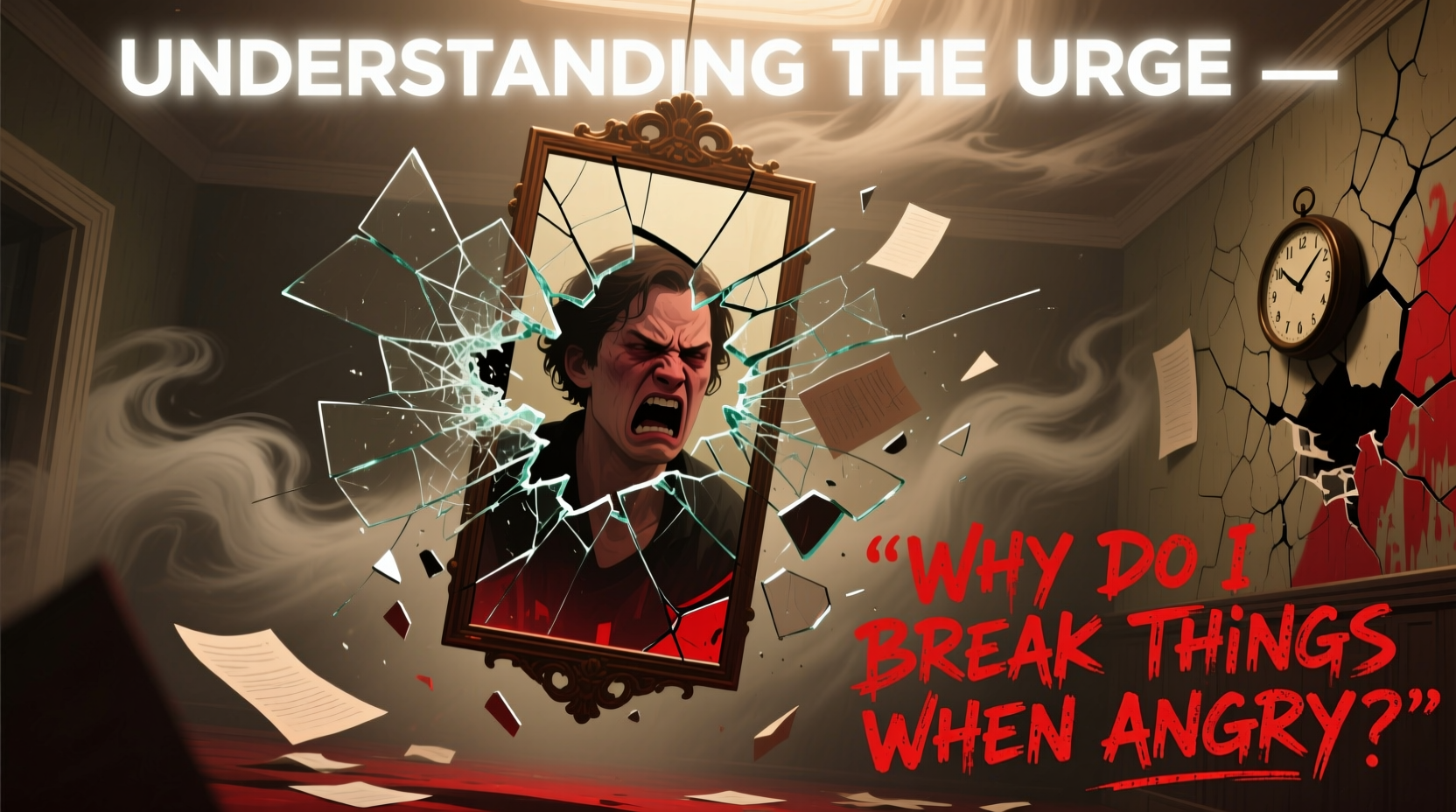
When anger escalates rapidly, the brain shifts from rational thinking to survival mode. The amygdala, responsible for processing threats, overrides the prefrontal cortex—the area involved in decision-making and self-control. This neurological hijacking can result in impulsive actions like breaking objects.
Destruction during anger often serves as a misguided attempt at catharsis. Many believe that releasing anger physically will purge the emotion. However, research shows that aggressive actions typically intensify anger rather than reduce it. A 2002 study by Bushman, Baumeister, and Stack found that participants who engaged in aggressive activities after being provoked reported higher levels of anger afterward compared to those who sat quietly or distracted themselves.
For some, breaking things may be a learned behavior. If childhood environments normalized or even rewarded explosive reactions, individuals may unconsciously replicate those patterns. Others use destruction as a way to feel powerful when they otherwise feel helpless or unheard.
“Destructive outbursts are rarely about the object being broken—they’re symbolic expressions of inner turmoil.” — Dr. Lena Reyes, Clinical Psychologist specializing in emotional regulation
Common Triggers and Emotional Undercurrents
While anger appears to be the driving force, it's often a secondary emotion masking something deeper. Common underlying feelings include:
- Frustration: When goals are blocked or expectations unmet.
- Helplessness: Feeling trapped or unable to influence outcomes.
- Shame: Internalized self-criticism manifesting as outward aggression.
- Abandonment fears: Triggered by perceived rejection or conflict.
- Injustice: Perceived unfair treatment, especially if past experiences involved powerlessness.
These emotions accumulate over time. A minor incident—like a delayed response to a text or a misplaced item—can become the tipping point for an outburst that seems disproportionate. The broken object becomes a stand-in for unresolved stress.
Breaking the Cycle: A Step-by-Step Guide to Managing Destructive Urges
Managing the impulse to break things requires both immediate coping techniques and long-term emotional reconditioning. Here’s a practical timeline to follow when the urge arises:
- Pause (0–10 seconds): The moment you feel the surge of anger, stop. Freeze your body. This interrupts automatic behavior.
- Breathe (10–30 seconds): Inhale deeply through your nose for four counts, hold for four, exhale slowly for six. Repeat three times.
- Label the Emotion (30 seconds–1 minute): Ask yourself: “What am I really feeling? Is it anger, or something beneath it?” Naming the emotion reduces its intensity.
- Remove Yourself (1–5 minutes): Step away from the environment if possible. Go to another room, step outside, or retreat to a neutral space.
- Redirect Energy (5–15 minutes): Engage in a physical but non-destructive activity—squeezing a stress ball, tearing up scrap paper, going for a brisk walk.
- Reflect Later (Next 24 hours): Once calm, analyze the trigger. What could you do differently next time?
Do’s and Don’ts When Coping with Angry Impulses
| Do’s | Don’ts |
|---|---|
| Practice grounding techniques (e.g., 5-4-3-2-1 method) | Act on the impulse immediately |
| Use verbal affirmations (“I am safe. I can handle this.”) | Isolate yourself without a safety plan |
| Seek therapy if outbursts are frequent | Justify destruction as “stress relief” |
| Establish a “safe zone” at home with calming items | Keep fragile or valuable objects within reach during high-stress times |
| Communicate needs calmly once regulated | Blame others entirely for your reaction |
A Real-Life Example: Learning to Respond Differently
James, a 34-year-old project manager, noticed a pattern: every time a deadline was moved last-minute, he’d slam his laptop shut and sometimes throw a pen or knock over a cup. After accidentally breaking a family heirloom mug during an argument, he realized the behavior had to change.
He began tracking his triggers and discovered that the real issue wasn’t the work stress itself, but the feeling of being disrespected when plans changed without consultation. With the help of a therapist, James developed a two-minute “reset ritual”: stepping into the hallway, using box breathing, and repeating, “I can speak up without losing control.”
Within three months, his outbursts stopped. More importantly, he started addressing workload concerns proactively, reducing the frequency of stressful situations altogether.
When to Seek Professional Help
Occasional lapses in control don’t necessarily indicate a disorder, but certain red flags suggest professional support is needed:
- Regularly breaking objects during anger
- Fear of your own reactions
- Relationship strain due to outbursts
- Feelings of shame or guilt after episodes
- History of trauma or abuse
Conditions such as Intermittent Explosive Disorder (IED), PTSD, or untreated anxiety can amplify aggressive impulses. Cognitive Behavioral Therapy (CBT) has proven effective in helping individuals reframe thought patterns and develop healthier responses to frustration.
FAQ
Is breaking things when angry a sign of mental illness?
Not always. Occasional loss of control under extreme stress doesn't automatically indicate a disorder. However, frequent, intense outbursts that cause harm or distress may be symptoms of conditions like Intermittent Explosive Disorder or underlying mood disorders. A mental health evaluation can clarify whether clinical intervention is needed.
Can I still have a healthy relationship if I struggle with this?
Yes—but only with awareness and active effort. Open communication with partners about your triggers, willingness to seek help, and consistent use of coping strategies are crucial. Accountability and change build trust over time.
Are there healthy ways to release anger physically?
Yes. Physical outlets like boxing (on a bag, not a person), running, weightlifting, or even vigorous cleaning can channel energy safely. The key is intentional action, not impulsive reaction. These activities should be done with awareness, not as substitutes for emotional processing.
Action Plan Checklist
To begin transforming your relationship with anger, follow this actionable checklist:
- ✅ Identify your top three anger triggers
- ✅ Create a personal “cool-down” plan (include breathing, mantras, exit strategy)
- ✅ Remove or secure breakable items in high-risk areas (e.g., desk, kitchen)
- ✅ Practice mindfulness or grounding exercises daily for 5 minutes
- ✅ Schedule a session with a therapist or counselor
- ✅ Share your goals with a trusted friend for accountability
Conclusion
The urge to break things when angry is not a character flaw—it’s a signal. It points to unmet emotional needs, accumulated stress, or outdated coping mechanisms. But signals can be interpreted, and behaviors can be reshaped. With self-awareness, deliberate practice, and the right tools, you can replace destruction with dialogue, control with clarity, and reactivity with resilience.




 浙公网安备
33010002000092号
浙公网安备
33010002000092号 浙B2-20120091-4
Comments
No comments yet. Why don't you start the discussion?