
If you find yourself chewing ice cubes throughout the day—during meals, at work, or even late at night—you’re not alone. Many people enjoy the crisp texture and cooling sensation of ice. But when that occasional habit turns into a constant need, it may raise a red flag. Persistent ice cravings, medically known as pagophagia, are more than just a quirky preference. They can be a sign of an underlying health issue, most commonly iron deficiency anemia. Understanding the reasons behind this craving is essential for addressing potential deficiencies and improving overall well-being.
What Is Pagophagia?
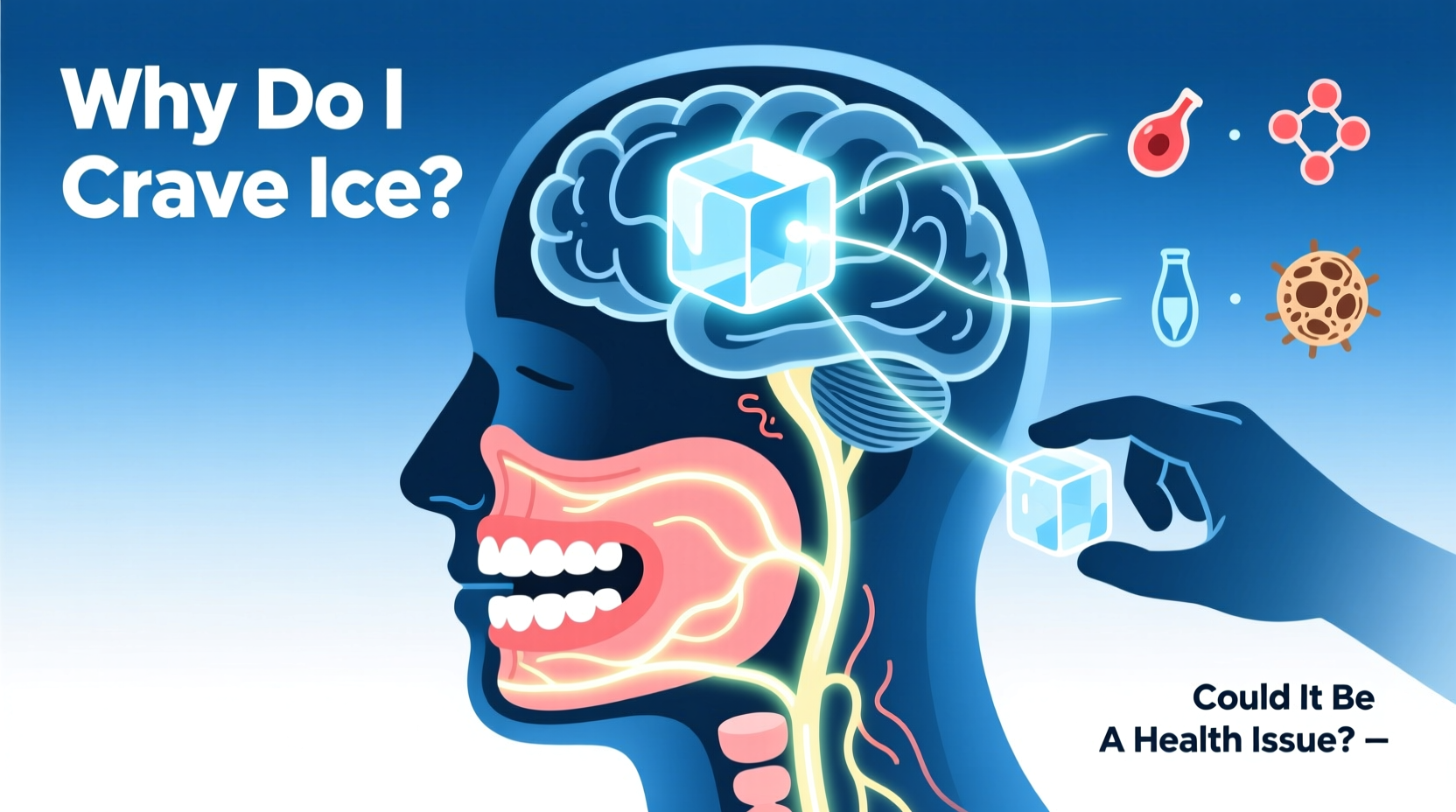
Pagophagia is a specific form of pica—a disorder characterized by the persistent consumption of non-nutritive substances such as dirt, chalk, paper, or ice. While pica often appears in children, pregnant individuals, or those with developmental conditions, pagophagia specifically refers to the compulsive eating of ice. Unlike other forms of pica, ice consumption doesn’t introduce harmful toxins, but the behavior itself can indicate a deeper physiological imbalance.
People with pagophagia often report a strong psychological relief from chewing ice. Some describe improved mental clarity or reduced fatigue while doing so. This temporary boost may explain why the habit persists despite awareness of its possible implications.
The Link Between Ice Cravings and Iron Deficiency
The most well-documented connection between ice cravings and health is iron deficiency anemia. Multiple studies have shown that individuals with low iron levels frequently report intense desires to chew ice. When iron stores drop, the body produces fewer red blood cells, reducing oxygen delivery to tissues. This leads to symptoms like fatigue, weakness, pale skin, and shortness of breath.
Interestingly, chewing ice appears to provide temporary relief from one of the most debilitating symptoms: mental fog. Research suggests that the act of chewing increases blood flow to the brain, which may help compensate for reduced oxygenation in anemic individuals. A 2014 study published in the Medical Hypotheses journal found that patients with iron deficiency who chewed ice reported improved alertness and energy—effects that disappeared once their iron levels were corrected.
“Pagophagia is one of the most consistent behavioral signs of iron deficiency. When patients present with chronic ice cravings, we immediately check ferritin and hemoglobin levels.” — Dr. Lena Patel, Hematologist
How Iron Deficiency Triggers Ice Cravings
The exact mechanism isn’t fully understood, but several theories exist:
- Cerebral Oxygenation Theory: Chewing stimulates jaw muscles and increases cerebral blood flow, temporarily counteracting poor oxygen delivery due to anemia.
- Inflammation Response: Low iron may lead to inflammation in the mouth or tongue (like glossitis), and the cooling effect of ice provides comfort.
- Dopamine Modulation: Iron plays a role in dopamine production. Deficiency may alter reward pathways, making repetitive behaviors like ice chewing feel satisfying.
Other Possible Causes of Chronic Ice Craving
While iron deficiency is the leading medical explanation, it’s not the only one. Other conditions and factors may contribute to or mimic pagophagia.
1. Pregnancy
Many pregnant women experience unusual food cravings, including ice. Hormonal shifts, increased blood volume, and nutritional demands can trigger iron deficiency, especially in the second and third trimesters. Prenatal vitamins help, but some women still develop cravings despite supplementation.
2. Mental Health Conditions
Compulsive behaviors like ice chewing may overlap with anxiety, OCD, or stress-related disorders. In these cases, the rhythmic action of chewing serves as a self-soothing mechanism. However, if no nutrient deficiency is found, psychological evaluation may be warranted.
3. Dehydration or Dry Mouth
Chronic dry mouth (xerostomia) caused by medications, autoimmune diseases (like Sjögren’s syndrome), or dehydration can make someone seek moisture through ice. The slow melt of ice provides longer-lasting relief than drinking water.
4. Nutritional Deficiencies Beyond Iron
Though less common, deficiencies in zinc, magnesium, or B vitamins may also influence unusual cravings. These nutrients support nerve function and appetite regulation, and imbalances could manifest as pica-like behaviors.
When to Be Concerned: Warning Signs
Occasional ice chewing isn’t dangerous. But if it becomes compulsive—consuming multiple trays per day, interfering with eating, or continuing despite dental warnings—it’s time to investigate further. Key warning signs include:
- Craving ice daily for weeks or months
- Fatigue, dizziness, or difficulty concentrating
- Pale skin or brittle nails
- Shortness of breath during mild activity
- Tooth sensitivity or cracked enamel from excessive chewing
Diagnosis and Testing
If you suspect your ice cravings are more than a habit, consult a healthcare provider. Diagnosis typically involves a simple blood test to evaluate:
| Test | What It Measures | Normal Range (Adults) | Low Levels May Indicate |
|---|---|---|---|
| Hemoglobin | Oxygen-carrying protein in red blood cells | 12–16 g/dL (women), 13.5–17.5 g/dL (men) | Anemia |
| Ferritin | Stored iron in the body | 12–300 ng/mL (women), 24–336 ng/mL (men) | Iron deficiency (even before anemia develops) |
| MCV (Mean Corpuscular Volume) | Average size of red blood cells | 80–100 fL | Small cells suggest iron deficiency |
| Transferrin Saturation | How much iron is bound to transport protein | 20–50% | Poor iron availability |
A low ferritin level—even with normal hemoglobin—is enough to justify iron supplementation and monitor changes in ice cravings.
Treatment and Management Strategies
Treating the root cause is the most effective way to reduce or eliminate ice cravings. Depending on the diagnosis, treatment may include:
1. Iron Supplementation
If tests confirm iron deficiency, oral iron supplements (like ferrous sulfate or ferrous bisglycinate) are usually prescribed. It may take several weeks for iron stores to replenish, but many patients notice a reduction in ice cravings within 1–2 weeks of starting treatment.
Pro tip: Take iron with vitamin C (e.g., orange juice) to enhance absorption, and avoid calcium-rich foods or antacids within two hours, as they inhibit absorption.
2. Dietary Changes
Increasing intake of iron-rich foods supports recovery and prevents recurrence. Focus on both heme iron (from animal sources) and non-heme iron (plant-based):
- Heme iron: Red meat, poultry, fish, oysters
- Non-heme iron: Lentils, spinach, tofu, fortified cereals, pumpkin seeds
- Vitamin C-rich pairings: Bell peppers with lentils, strawberries on fortified oatmeal
3. Addressing Underlying Conditions
Sometimes, iron deficiency stems from chronic blood loss (e.g., heavy menstrual periods, gastrointestinal bleeding), malabsorption (celiac disease, gastric bypass), or chronic kidney disease. Treating the primary condition is essential for long-term resolution.
4. Dental Protection
Constant ice chewing can damage tooth enamel, lead to cracks, or aggravate temporomandibular joint (TMJ) disorders. Dentists often recommend switching to slush or cold water if quitting ice is difficult. Using a mouthguard at night may help if grinding or chewing occurs unconsciously.
Mini Case Study: Sarah’s Journey
Sarah, a 32-year-old teacher, had been chewing ice for over a year. She went through three ice trays daily, especially during afternoon classes. She dismissed it as a “bad habit” until she started feeling unusually tired and lightheaded. Her annual physical revealed a hemoglobin of 10.8 g/dL and ferritin of 8 ng/mL—both critically low.
After being diagnosed with iron deficiency anemia, Sarah began taking iron supplements and added lean beef and spinach to her diet. Within ten days, her urge to chew ice diminished significantly. By week six, it was gone. “I didn’t realize how much brain fog I was living with,” she said. “Now I feel awake again.”
Step-by-Step Guide: What to Do If You Crave Ice Constantly
- Track Your Habits: Note how much ice you consume daily and any related symptoms (fatigue, dizziness, etc.).
- Review Your Diet: Assess your intake of iron-rich foods and risk factors (vegetarian diet, heavy periods).
- Schedule a Blood Test: Request a complete blood count (CBC) and ferritin test from your doctor.
- Follow Up on Results: If iron is low, follow your provider’s plan for supplementation and retesting.
- Monitor Progress: Pay attention to changes in energy levels and ice cravings over the next few weeks.
- Adjust Lifestyle: Incorporate iron-rich meals and consider vitamin C to boost absorption.
- Seek Specialized Care if Needed: If cravings persist despite normal labs, consult a hematologist or mental health professional.
FAQ
Is chewing ice bad for my teeth?
Yes. Regular ice chewing can lead to enamel erosion, cracked teeth, or fillings breaking. Over time, it may contribute to TMJ pain or jaw discomfort. Switching to crushed ice or cold water reduces risk.
Can I have iron deficiency without being anemic?
Absolutely. Low ferritin indicates depleted iron stores even if hemoglobin is still in the normal range. This stage is called “iron deficiency without anemia” and can still cause symptoms like fatigue and ice cravings.
Are there any risks to taking iron supplements?
Yes. Too much iron can cause constipation, nausea, or iron overload (hemochromatosis), especially in people with genetic predispositions. Always take supplements under medical supervision and avoid self-diagnosing.
Conclusion
Craving ice all the time isn’t just a harmless quirk—it can be your body’s way of signaling a deficiency, particularly in iron. Recognizing this subtle clue could lead to diagnosing and treating a condition that’s affecting your energy, focus, and long-term health. Whether it’s adjusting your diet, getting tested, or seeking medical guidance, taking action today can bring noticeable improvements in how you feel tomorrow.




 浙公网安备
33010002000092号
浙公网安备
33010002000092号 浙B2-20120091-4
Comments
No comments yet. Why don't you start the discussion?