
Craving ice isn't just a quirky habit—it might be a signal from your body that something deeper is going on. If you find yourself chewing ice cubes compulsively, even when you're not thirsty or hot, you're not alone. This behavior, known medically as pagophagia, is a form of pica—a condition characterized by the persistent craving and consumption of non-nutritive substances. While ice technically contains no calories or nutrients, its frequent consumption can point to underlying health issues, particularly iron deficiency anemia. Understanding why you might be drawn to ice can help you identify potential deficiencies and take meaningful steps toward better health.
What Is Pagophagia?
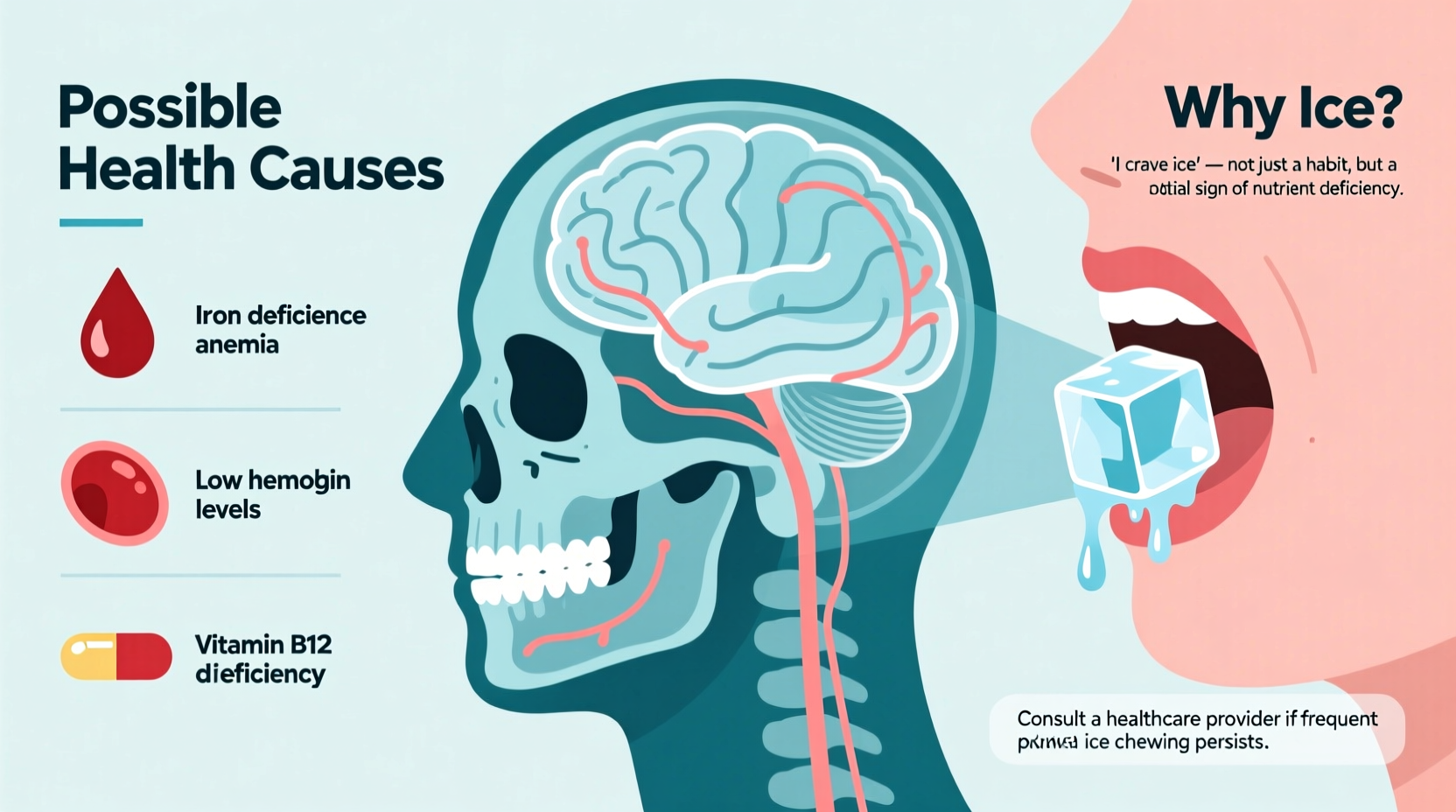
Pagophagia specifically refers to the compulsive eating of ice, including freezer frost, crushed ice, or ice chips. Unlike occasional ice-chewing during a beverage, pagophagia involves a strong, recurring urge that can interfere with daily life. It’s more than a preference; it becomes a ritualistic behavior, often done unconsciously throughout the day.
While it may seem harmless compared to other forms of pica—like eating dirt, clay, or paper—the repetitive nature of ice chewing can lead to dental damage, such as cracked enamel or jaw pain. More importantly, it may serve as a red flag for nutritional imbalances or psychological conditions.
“Pagophagia is one of the most specific symptoms we see in patients with iron deficiency anemia. When a patient reports chronic ice cravings, it prompts us to check their ferritin and hemoglobin levels immediately.” — Dr. Lena Patel, Internal Medicine Specialist
Iron Deficiency Anemia: The Most Common Culprit
The strongest and most well-documented link between ice cravings and health is iron deficiency anemia. Multiple studies have shown that individuals with low iron stores, especially low ferritin (a protein that stores iron), are significantly more likely to exhibit pagophagia.
Why would low iron make someone crave ice? Researchers aren’t entirely certain, but several theories exist:
- Improved alertness: Chewing ice may increase blood flow to the brain, temporarily counteracting the fatigue associated with anemia.
- Oral inflammation relief: Iron deficiency can cause glossitis (inflammation of the tongue) or dry mouth. The cooling effect of ice may soothe discomfort.
- Neurochemical changes: Low iron affects dopamine production, which plays a role in reward-seeking behaviors. Ice chewing may trigger a dopamine response that feels satisfying.
A 2014 study published in The American Journal of Medicine found that patients with iron deficiency who were given iron supplements reported a complete resolution of ice cravings within days to weeks—even before their hemoglobin levels normalized. This suggests the craving is directly tied to iron metabolism, not just general fatigue.
Other Possible Health Causes Behind Ice Cravings
While iron deficiency is the leading medical explanation, it's not the only one. Several other physiological and psychological factors may contribute to pagophagia:
Pregnancy
Many pregnant women report unusual food cravings, including ice. Hormonal shifts, increased blood volume, and higher iron demands can all contribute to anemia during pregnancy. In fact, up to 50% of pregnant women develop some degree of iron deficiency, making pagophagia relatively common in this group.
Psychological Conditions
Pagophagia can also be linked to obsessive-compulsive disorder (OCD), autism spectrum disorder (ASD), or developmental disabilities. In these cases, ice chewing may serve as a self-soothing or stimming behavior. It provides sensory feedback—crunchy texture, cold temperature—that helps regulate emotions or reduce anxiety.
Malnutrition and Eating Disorders
Individuals with anorexia nervosa or bulimia may chew ice to suppress hunger or fill the stomach without consuming calories. Because ice has zero calories, it becomes a “safe” way to satisfy oral fixation. However, this behavior can mask serious nutritional deficits that require comprehensive treatment.
Chronic Kidney Disease
Patients undergoing dialysis or living with chronic kidney disease (CKD) often experience anemia due to reduced erythropoietin production. This increases their risk for iron deficiency and, consequently, ice cravings. Additionally, CKD can alter taste perception, leading to unusual food preferences.
Gastrointestinal Disorders
Conditions like celiac disease, Crohn’s disease, or gastric bypass surgery can impair nutrient absorption, especially iron. Even with a balanced diet, people with malabsorption issues may develop deficiencies that manifest as pica behaviors, including pagophagia.
When to See a Doctor
Occasional ice chewing is unlikely to be concerning. But if you find yourself needing to chew ice daily, carrying ice with you, or feeling anxious when unable to access it, it’s time to consult a healthcare provider. These signs suggest the behavior has become compulsive and may indicate an underlying issue.
Your doctor should evaluate you with:
- A complete blood count (CBC)
- Serum ferritin, iron, and TIBC tests
- Assessment of dietary habits and gastrointestinal symptoms
- Mental health screening, if appropriate
Do not attempt to self-diagnose or self-treat with over-the-counter iron supplements. Excess iron can be toxic and may worsen conditions like hemochromatosis, a genetic disorder of iron overload.
Real-Life Example: A Missed Diagnosis Turned Around
Sarah, a 32-year-old teacher, had been chewing ice for years. She thought it was just a bad habit until she began feeling increasingly fatigued, dizzy, and short of breath during routine activities. Her dentist noticed significant enamel wear and asked about her ice consumption. That prompted her to mention it to her primary care physician.
Blood tests revealed a ferritin level of 8 ng/mL (normal is typically above 30) and hemoglobin at 10.2 g/dL—clear indicators of iron deficiency anemia. Further investigation uncovered heavy menstrual bleeding as the root cause. After starting iron supplementation and addressing her gynecological health, Sarah’s energy returned—and her ice cravings vanished within two weeks.
This case illustrates how a seemingly minor habit can be the first clue to a significant health problem. Without attention to the symptom, Sarah might have continued to suffer from chronic fatigue and risked long-term complications like heart strain.
Step-by-Step Guide to Addressing Chronic Ice Cravings
If you're struggling with persistent ice cravings, follow this structured approach to determine the cause and take corrective action:
- Track your habits: Keep a journal for one week noting when, how much, and why you crave ice. Include notes on energy levels, mood, and meals.
- Schedule a medical checkup: Request a full iron panel and CBC from your doctor. Mention your ice-chewing behavior explicitly.
- Review your diet: Assess your intake of iron-rich foods (red meat, spinach, lentils, fortified cereals) and vitamin C (which enhances iron absorption).
- Follow treatment plans: If diagnosed with deficiency, take prescribed supplements as directed and attend follow-up appointments.
- Monitor progress: Note whether ice cravings decrease after treatment begins. Most people report improvement within 7–14 days of effective iron therapy.
- Address emotional triggers: If no medical cause is found, consider speaking with a therapist to explore anxiety, OCD, or stress-related patterns.
Do’s and Don’ts of Managing Pagophagia
| Do’s | Don’ts |
|---|---|
| ✔ Do get tested for iron deficiency if cravings persist | ✖ Don’t ignore dental wear or jaw pain from constant chewing |
| ✔ Do eat vitamin C-rich foods with iron sources to boost absorption | ✖ Don’t take iron supplements without medical guidance |
| ✔ Do consider behavioral therapy if cravings are stress-related | ✖ Don’t assume it’s “just a habit” without evaluation |
| ✔ Do replace ice with safer oral substitutes like frozen fruit chunks (if hydration isn’t an issue) | ✖ Don’t use ice chewing as a long-term appetite suppressant |
Frequently Asked Questions
Can chewing ice damage my teeth?
Yes. Chronic ice chewing can lead to cracked or chipped teeth, worn enamel, increased sensitivity, and even damaged fillings or crowns. Dentists often advise against it due to the high risk of structural damage.
Is pagophagia dangerous on its own?
Ice itself isn’t toxic, but the behavior is often a symptom of a more serious condition. Left untreated, iron deficiency can lead to heart problems, weakened immunity, and cognitive impairment. The danger lies in ignoring the underlying cause.
Can children have pagophagia?
Yes. Children with iron deficiency, developmental disorders, or poor diets may develop ice cravings. Parents should consult a pediatrician if the behavior persists, especially alongside symptoms like fatigue, irritability, or poor growth.
Conclusion: Listen to Your Body’s Signals
Craving ice all the time isn’t just odd—it could be your body’s way of asking for help. Whether it’s a cry for iron, a response to stress, or a side effect of a chronic condition, pagophagia deserves attention, not dismissal. By treating the symptom seriously and seeking proper diagnosis, you open the door to improved energy, better nutrition, and long-term wellness.
Don’t brush off this habit as trivial. Take the first step today: talk to your doctor, request the right tests, and pay attention to what your cravings might be telling you. Your health is worth more than a handful of ice cubes.




 浙公网安备
33010002000092号
浙公网安备
33010002000092号 浙B2-20120091-4
Comments
No comments yet. Why don't you start the discussion?