
If you find yourself reaching for ice cubes throughout the day—chewing them compulsively, filling your cup just to suck on frozen water—you're not alone. Many people experience an intense, persistent craving for ice, often without understanding why. While occasional enjoyment of cold drinks is normal, a constant urge to chew or consume ice may point to something deeper: an underlying iron deficiency. This condition, known as pagophagia, is a form of pica—a disorder characterized by cravings for non-nutritive substances—and is strongly linked to low iron stores in the body.
Understanding the connection between ice cravings and iron levels isn't just about satisfying curiosity—it can be a vital clue to diagnosing and treating a silent health issue. Iron deficiency anemia affects over 1.2 billion people worldwide, according to the World Health Organization, and often goes undetected until symptoms become severe. Ice cravings may be one of the earliest warning signs.
The Science Behind Ice Cravings and Iron Deficiency
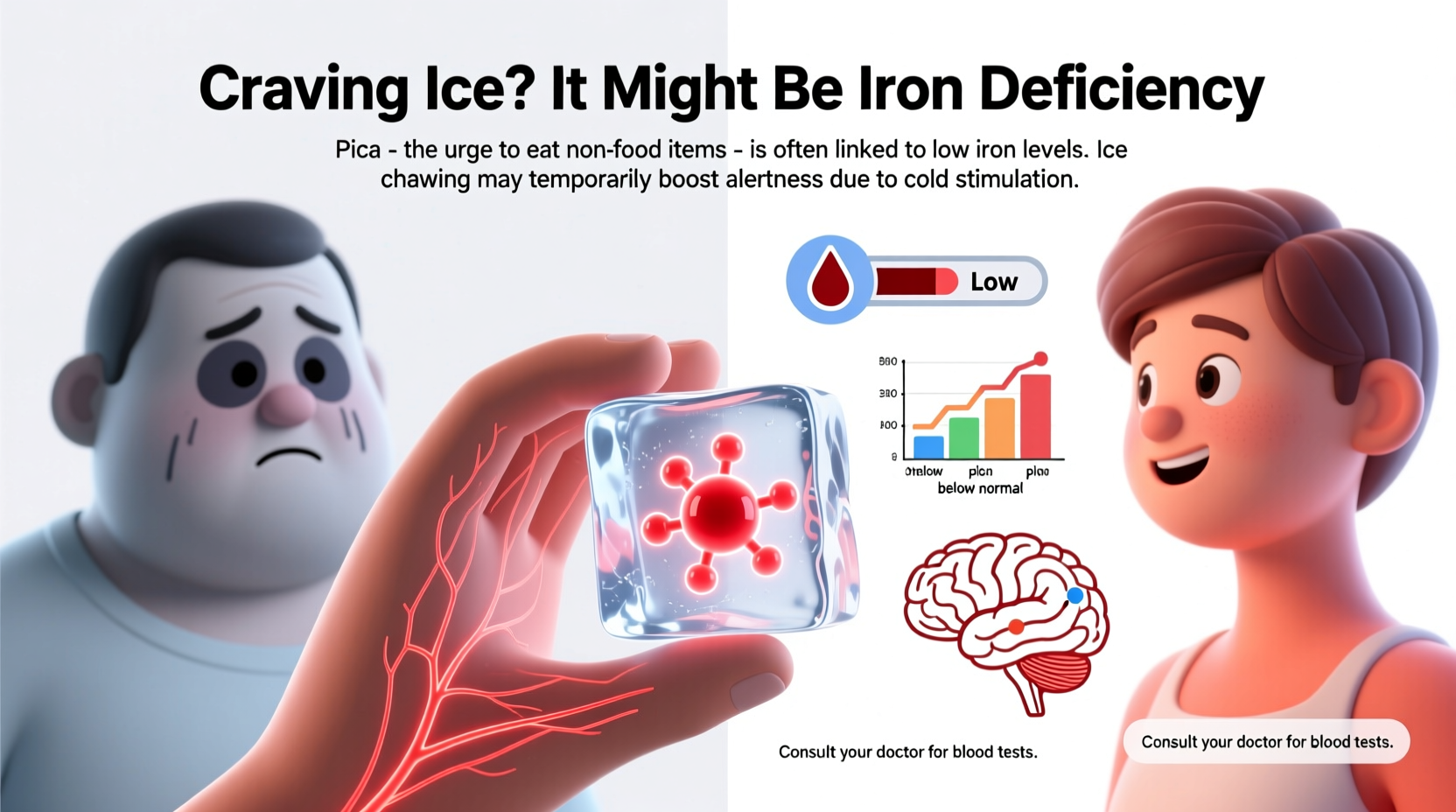
At first glance, chewing ice seems harmless—even refreshing. But when this behavior becomes habitual and difficult to resist, it may reflect a physiological need. Research has shown a strong correlation between pagophagia (compulsive ice eating) and iron deficiency, even in the absence of full-blown anemia.
A study published in the Journal of the American Board of Family Medicine found that individuals with iron deficiency who experienced pagophagia reported a significant reduction in their ice cravings within days of starting iron supplementation—even before their hemoglobin levels improved. This suggests that the craving itself may be directly tied to iron metabolism, not just oxygen delivery issues caused by anemia.
Why would low iron make someone crave ice? One theory centers on brain function. Iron is essential for dopamine production, a neurotransmitter involved in reward and motivation. When iron levels drop, dopamine signaling may be disrupted, potentially triggering unusual cravings. Another hypothesis involves oral inflammation. Iron-deficient individuals often experience glossitis (inflammation of the tongue) and mouth sores. Chewing ice may provide temporary numbing relief, reinforcing the behavior.
“Pagophagia is more than a quirky habit—it’s a potential red flag for iron deficiency. I’ve diagnosed patients with severe anemia simply because they couldn’t stop chewing ice.” — Dr. Lena Patel, Hematologist at Boston General Hospital
Recognizing the Signs: Is Your Ice Craving a Symptom?
Not every person who likes ice has an iron problem. The key distinction lies in the intensity and necessity of the craving. Occasional ice chewing on a hot day is normal. But if you:
- Feel anxious or restless when you can’t access ice
- Carry ice packs or go out of your way to get crushed ice
- Chew ice continuously throughout the day
- Notice your teeth becoming sensitive or chipped from excessive chewing
- Feel mentally sharper or more alert after chewing ice
…then it may be more than preference—it could be your body’s attempt to compensate for low iron.
Other Symptoms That May Accompany Ice Cravings
Iron deficiency doesn’t operate in isolation. If you’re craving ice, watch for these related symptoms:
- Fatigue or weakness, even after adequate sleep
- Pale skin, especially inside the lower eyelids or on the palms
- Shortness of breath during mild activity
- Dizziness or lightheadedness
- Cold hands and feet
- Hair loss or brittle nails
- Restless legs syndrome
- Difficulty concentrating (“brain fog”)
When ice cravings appear alongside two or more of these signs, the likelihood of iron deficiency increases significantly.
Who Is at Risk for Iron Deficiency and Pagophagia?
Certain populations are more vulnerable to low iron levels, making them more likely to develop ice cravings:
| Group | Risk Factors | Prevention Tips |
|---|---|---|
| Women of childbearing age | Monthly blood loss during menstruation, especially with heavy periods | Monitor cycle patterns; consider dietary iron or supplements if flow is heavy |
| Pregnant individuals | Increased iron demands for fetal development | Routine prenatal screening; iron-rich diet or prescribed supplements |
| Vegans and vegetarians | Plant-based iron (non-heme) is less easily absorbed than animal-based (heme) iron | Pair iron-rich plants with vitamin C sources (e.g., bell peppers with lentils) |
| People with gastrointestinal disorders | Celiac disease, Crohn’s, or gastric bypass can impair iron absorption | Regular monitoring; possible need for intravenous iron |
| Chronic blood donors | Frequent donation depletes iron stores faster than they can be replenished | Take iron supplements between donations; space donations appropriately |
What to Do If You Suspect Low Iron
If ice cravings are interfering with your daily life or accompanied by other symptoms, don’t self-diagnose. Instead, follow this step-by-step guide to address the issue safely and effectively.
Step-by-Step Guide: Responding to Persistent Ice Cravings
- Track your habits. For 3–5 days, record when and how often you eat ice, along with energy levels, mood, and any physical symptoms.
- Schedule a blood test. Ask your doctor for a complete iron panel, including serum ferritin (iron stores), hemoglobin, transferrin saturation, and total iron-binding capacity (TIBC).
- Review medications and diet. Certain drugs (like antacids or proton pump inhibitors) reduce iron absorption. So does excessive tea or coffee with meals.
- Adjust your diet. Increase intake of heme iron sources (red meat, poultry, fish) or non-heme sources (spinach, lentils, fortified cereals) paired with vitamin C.
- Consider supplementation—if advised. Only start iron supplements under medical supervision, as too much iron can be harmful.
- Re-test in 6–8 weeks. Monitor progress and adjust treatment as needed.
“Never begin iron supplements without confirmation from lab tests. Iron overload is dangerous and can damage the liver and heart.” — Dr. Marcus Tran, Internal Medicine Specialist
Real-Life Example: How One Woman Discovered Her Iron Deficiency
Sarah, a 32-year-old graphic designer, had been chewing ice almost constantly for over a year. She kept a thermos filled with ice at her desk and would refill it four times a day. “I thought I just liked the crunch,” she said. “But then I started feeling exhausted by noon, no matter how much I slept.”
After a routine check-up, her doctor noticed slight pallor and asked about unusual habits. When Sarah mentioned her ice obsession, the physician ordered an iron panel. Results showed her ferritin level was just 8 ng/mL—well below the normal range of 30–300 ng/mL. She was diagnosed with iron deficiency anemia.
Within two days of starting a prescribed iron supplement, Sarah’s ice cravings diminished dramatically. By week three, they were gone. Her energy returned gradually over the next month. “I had no idea that chewing ice was my body screaming for help,” she said. “Now I tell everyone: if you can’t stop eating ice, get your iron checked.”
Common Misconceptions About Ice Cravings
Despite growing awareness, several myths persist:
- Myth: Chewing ice is good for your teeth.
Truth: It can lead to enamel erosion, cracked teeth, and jaw pain. - Myth: Only women with heavy periods get iron deficiency.
Truth: Men and postmenopausal women can also be deficient, especially with poor diet or internal bleeding. - Myth: If you eat meat, you can’t be iron deficient.
Truth: Absorption issues, chronic inflammation, or blood loss can still cause deficiency. - Myth: Ice cravings always mean anemia.
Truth: You can have low iron stores (low ferritin) without being anemic yet—this is called iron deficiency without anemia.
FAQ: Common Questions About Ice Cravings and Iron
Can chewing ice cause dental problems?
Yes. Chronic ice chewing can lead to cracked or chipped teeth, damaged enamel, and increased sensitivity. Dentists often warn patients with pagophagia about long-term oral health risks.
How soon will ice cravings go away after starting iron treatment?
Many people report a noticeable reduction within 24 to 72 hours of beginning iron supplementation, even before blood counts improve. This rapid response supports the neurological theory behind the craving.
Is pagophagia dangerous on its own?
While chewing ice isn’t inherently toxic, it’s a behavioral marker of an underlying issue. Left untreated, iron deficiency can lead to heart strain, weakened immunity, cognitive decline, and complications during pregnancy.
Action Plan: What You Can Do Today
If you’re constantly craving ice, take it seriously—but don’t panic. Here’s a checklist to help you move forward:
- ✅ Acknowledge the craving as a possible symptom, not just a habit
- ✅ Track frequency and associated symptoms for 3–5 days
- ✅ Schedule a visit with your primary care provider or gynecologist
- ✅ Request a full iron panel (don’t settle for just hemoglobin)
- ✅ Review your diet and lifestyle factors affecting iron absorption
- ✅ Follow up with repeat testing after treatment begins
Conclusion: Listen to Your Body’s Signals
Your body communicates in subtle ways. A constant craving for ice may seem trivial, but it can be one of the earliest and most specific signals of iron deficiency. Unlike fatigue or pale skin—which can stem from many causes—pagophagia has a remarkably strong association with low iron. Ignoring it could mean missing a treatable condition that impacts your energy, focus, and long-term health.
Getting tested is simple, treatment is effective, and relief can come quickly. Whether you're a busy professional, a new parent, or someone managing a chronic condition, paying attention to unusual cravings empowers you to take control of your well-being. Don’t dismiss the ice habit. Investigate it. Your body might be telling you exactly what it needs.




 浙公网安备
33010002000092号
浙公网安备
33010002000092号 浙B2-20120091-4
Comments
No comments yet. Why don't you start the discussion?