
Craving ice—specifically chewing on it—is more common than many people realize. While occasional ice crunching may seem harmless, a persistent, intense desire to chew ice could signal an underlying health issue. This behavior, known medically as pagophagia, is often linked to nutritional deficiencies, particularly iron deficiency anemia. Understanding the root causes, associated risks, and appropriate next steps can help individuals recognize when this habit is more than just a quirky preference.
Unlike other food cravings, ice cravings are unique because they involve a non-nutritive substance. Yet, the compulsion can be powerful and difficult to resist. For some, the texture or cooling sensation provides relief from oral discomfort or mental fatigue. However, when ice chewing becomes compulsive, it’s worth investigating what your body might be trying to tell you.
The Link Between Ice Cravings and Iron Deficiency
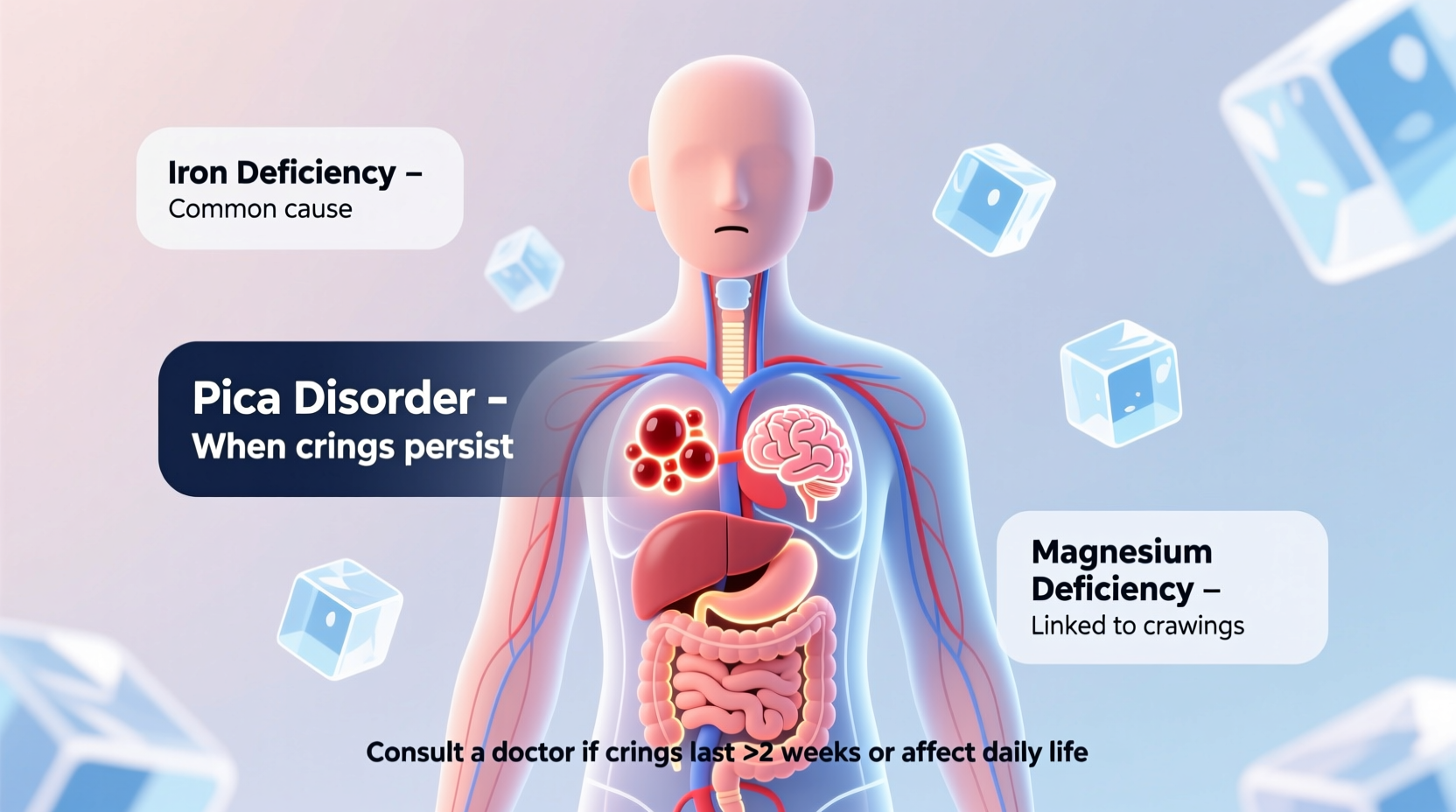
The most well-documented connection between ice cravings and health involves iron deficiency anemia. Numerous studies have found that individuals with low iron levels, especially those diagnosed with anemia, frequently report a strong urge to chew ice. The exact mechanism isn’t fully understood, but researchers have proposed several plausible explanations.
One theory suggests that iron deficiency leads to inflammation or swelling of the tongue and mouth tissues, making chewing ice soothing. Another hypothesis ties the craving to brain function: low iron reduces oxygen delivery to the brain, and chewing ice may increase blood flow and alertness in response. A 2014 study published in the journal Nutrition observed that patients with iron deficiency anemia who began iron supplementation saw their ice cravings diminish within a week—even before their hemoglobin levels normalized.
“Pagophagia is one of the most specific symptoms of iron deficiency. When a patient reports compulsive ice chewing, we immediately consider checking ferritin and complete blood count.” — Dr. Lena Patel, Internal Medicine Specialist
Ferritin, a protein that stores iron, is a key marker doctors use to assess iron reserves. Low ferritin levels often precede anemia and can exist even when hemoglobin appears normal. This means someone might experience ice cravings long before they’re officially diagnosed with anemia.
Other Possible Nutritional Deficiencies
While iron deficiency is the primary suspect, other nutrient imbalances may contribute to or coexist with ice cravings.
- Zinc deficiency: Zinc plays a role in taste perception and immune function. Some case reports suggest that zinc insufficiency may alter oral sensations, leading to unusual cravings.
- Magnesium deficiency: Though less directly linked, magnesium helps regulate muscle and nerve function. Deficiency can cause muscle cramps, fatigue, and even pica-like behaviors in rare cases.
- B-complex vitamins: Particularly B12 and folate, which are essential for red blood cell production. Deficiencies in these nutrients also lead to anemia and may present with similar symptoms.
In certain populations—such as pregnant women, vegetarians, or individuals with gastrointestinal disorders like celiac disease or Crohn’s—the risk of multiple deficiencies increases. In these cases, ice chewing might be a sign of broader malabsorption issues rather than isolated iron deficiency.
Understanding Pica: When Cravings Go Beyond Ice
Pagophagia falls under the umbrella of pica—a condition characterized by the persistent consumption of non-nutritive substances such as dirt, clay, paper, or starch. Pica is recognized in the DSM-5 (Diagnostic and Statistical Manual of Mental Disorders) and is most commonly seen in children, pregnant women, and individuals with developmental disabilities.
The presence of pica doesn’t automatically indicate a mental health disorder. In many cases, it’s a physiological response to nutrient shortages. For example, some cultures traditionally consume clay during pregnancy, possibly due to its binding properties or trace mineral content. However, uncontrolled pica can lead to serious complications, including intestinal blockages, poisoning (from lead-contaminated soil), or dental damage.
If ice craving is part of a broader pattern of eating non-food items, a comprehensive medical and psychological evaluation is warranted. Treating any underlying deficiency often resolves the behavior, underscoring the importance of biological factors over purely behavioral ones.
Dental and Physical Risks of Chronic Ice Chewing
Even if the cause of ice cravings is benign, the physical consequences of chewing ice should not be ignored. Hard, frozen ice can exert significant pressure on teeth and dental work.
| Risk Factor | Description |
|---|---|
| Tooth enamel erosion | Chewing ice wears down protective enamel, increasing sensitivity and cavity risk. |
| Cracked or chipped teeth | Sharp edges of crushed ice or forceful biting can fracture teeth or fillings. |
| Jaw pain or TMJ strain | Repetitive chewing may aggravate temporomandibular joint dysfunction. |
| Gum injury | Ice shards can cut or irritate gum tissue, leading to inflammation or infection. |
Dentists often advise patients to switch from chewing ice to letting it melt in the mouth. Using insulated straws or opting for slushy alternatives may satisfy the sensory desire without damaging oral health.
When to Consult a Healthcare Provider
Occasional ice chewing isn’t necessarily alarming. But certain signs suggest it’s time to seek medical advice:
- You feel unable to stop, even when aware of potential harm.
- The craving interferes with daily life or replaces regular hydration habits.
- You experience symptoms like fatigue, dizziness, shortness of breath, or heart palpitations.
- You have a history of anemia, heavy menstrual bleeding, gastrointestinal surgery, or vegetarian/vegan diet without supplementation.
- You notice other pica behaviors (eating starch, dirt, etc.).
A healthcare provider will typically order a complete blood count (CBC), serum ferritin, iron-binding capacity, and possibly tests for vitamin B12, folate, and zinc. These results help determine whether a deficiency exists and guide treatment.
Step-by-Step Guide to Addressing Ice Cravings
- Track your habits: Note how often you crave ice, the amount consumed, and any triggers (e.g., stress, fatigue).
- Assess symptoms: Look for signs of anemia—pale skin, brittle nails, cold hands, difficulty concentrating.
- Schedule a blood test: Request a full iron panel and CBC from your doctor.
- Review diet and lifestyle: Consider iron-rich foods (red meat, lentils, spinach) or supplements if deficient.
- Follow up: Recheck levels after 3–6 months of treatment to ensure improvement.
“I had no idea my constant ice chewing was related to low iron. After starting supplements, the craving disappeared in less than two weeks—and I had more energy than I’d had in years.” — Maria T., 34, teacher
Do’s and Don’ts: Managing Ice Cravings
| Do | Don’t |
|---|---|
| Ask for a ferritin test if you have ongoing ice cravings | Self-diagnose and start iron supplements without testing |
| Eat iron-rich foods with vitamin C to enhance absorption | Drink coffee or tea with meals—they inhibit iron absorption |
| Let ice melt in your mouth instead of chewing | Use ice as a coping mechanism for stress without addressing the root cause |
| Monitor dental health with regular checkups | Ignore tooth pain or sensitivity caused by ice chewing |
FAQ
Can dehydration cause ice cravings?
Dehydration may increase general thirst, leading some people to consume more ice-cold water or ice. However, true ice cravings (pagophagia) are more closely tied to mineral deficiencies than fluid balance. If you're well-hydrated but still crave ice, consider other causes.
Is chewing ice harmful if I’m not anemic?
Yes. Even without an underlying deficiency, chronic ice chewing poses dental risks. Enamel damage is irreversible, and restorative dental work can be costly. It’s best to address the habit early, regardless of cause.
Can children have iron-related ice cravings?
Yes. Children with poor diets, rapid growth, or conditions like ADHD (which sometimes overlaps with pica) may develop ice cravings. Parents should consult a pediatrician if the behavior persists, especially with signs of fatigue or poor concentration.
Conclusion
Constantly craving ice is not something to dismiss as a harmless quirk. It can be a clear signal from your body indicating a deficiency—most commonly iron—that requires attention. Left untreated, iron deficiency can lead to anemia, reduced cognitive function, weakened immunity, and cardiovascular strain. On the other hand, identifying and correcting the imbalance can bring dramatic improvements in energy, mood, and overall health.
If you’ve been chewing ice regularly, take it seriously. Track your symptoms, talk to your doctor, and get tested. Small changes in nutrition or supplementation could resolve the craving and significantly enhance your well-being. Your body communicates in subtle ways—learning to listen can make all the difference.




 浙公网安备
33010002000092号
浙公网安备
33010002000092号 浙B2-20120091-4
Comments
No comments yet. Why don't you start the discussion?