
Craving ice is more common than many realize, but when it becomes a persistent habit—chewing ice throughout the day, every day—it may be more than just a preference. Known medically as pagophagia, compulsive ice chewing is often linked to underlying nutritional imbalances, particularly iron deficiency anemia. While it might seem harmless at first, chronic ice craving can point to deeper health concerns that deserve attention.
This article explores the science behind ice cravings, their connection to nutrient deficiencies, and how to identify whether your body is sending you a subtle yet urgent message about its internal balance.
The Science Behind Ice Cravings
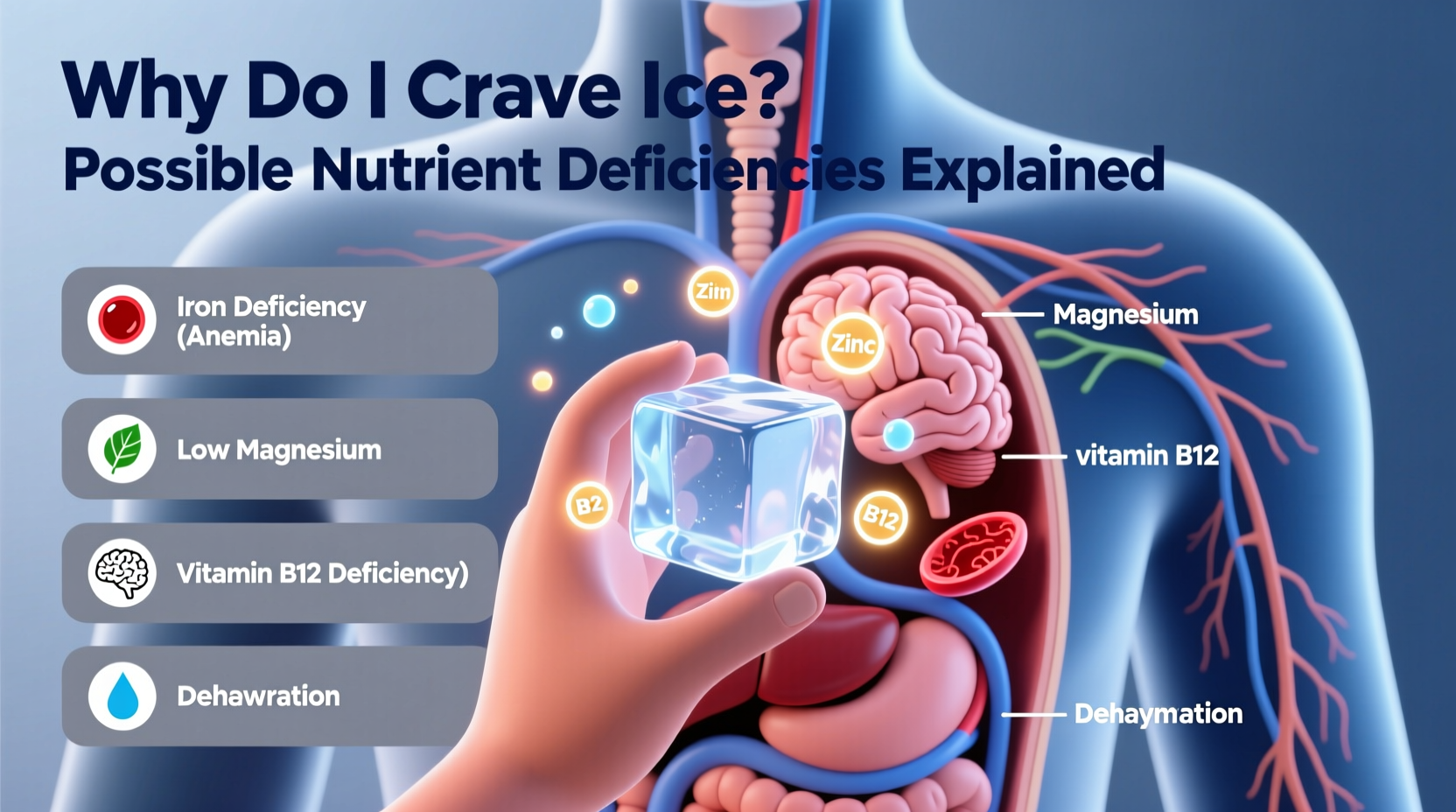
At first glance, eating ice doesn’t provide any nutritional value—it’s water in solid form. So why would someone develop an intense desire to chew it? The answer lies in both physiological and neurological responses.
Research suggests that people with iron deficiency anemia often experience improved mental clarity and alertness after chewing ice. A study published in the journal *Medical Hypotheses* proposed that the act of chewing cold ice increases blood flow to the brain, offering temporary relief from the fatigue and brain fog associated with low iron levels.
This cooling effect may stimulate the nervous system, acting as a natural stimulant for individuals whose bodies are struggling due to oxygen deprivation caused by insufficient hemoglobin. Hemoglobin, which relies on iron, is responsible for carrying oxygen in red blood cells. When iron levels drop, so does oxygen delivery, leading to symptoms like tiredness, dizziness, and poor concentration—all of which may be momentarily alleviated by ice chewing.
“Pagophagia is one of the most specific signs of iron deficiency. If a patient reports compulsive ice chewing, we immediately consider checking ferritin and hemoglobin.” — Dr. Lena Patel, Internal Medicine Specialist
Iron Deficiency: The Primary Suspect
Among all potential causes, iron deficiency stands out as the most strongly correlated with ice cravings. In fact, pagophagia is classified under pica—a condition characterized by cravings for non-nutritive substances such as dirt, starch, or ice—often triggered by mineral deficiencies.
Iron plays a vital role in energy production, immune function, and cognitive performance. When stores run low, especially in the form of depleted ferritin (the protein that stores iron), the body sends distress signals. These can manifest not only as fatigue and pale skin but also as unusual food or substance cravings.
Women of reproductive age, pregnant individuals, vegetarians, and those with gastrointestinal disorders like celiac disease or inflammatory bowel disease are at higher risk for iron deficiency. However, men and postmenopausal women are not immune, particularly if they have undiagnosed bleeding (e.g., from ulcers or colon polyps).
How Iron Deficiency Leads to Ice Cravings
The exact mechanism isn’t fully understood, but several theories exist:
- Cerebral Oxygenation Theory: Cold-induced vasoconstriction followed by reactive hyperemia may increase cerebral blood flow, temporarily improving focus in iron-deficient individuals.
- Dopamine Dysregulation: Iron is essential for dopamine synthesis. Low levels may disrupt reward pathways, making repetitive behaviors like ice chewing feel satisfying.
- Oral Sensory Relief: Some patients report that chewing ice soothes inflammation or discomfort in the mouth linked to glossitis (tongue swelling), a symptom of iron deficiency.
Other Nutrient Deficiencies Linked to Ice Cravings
While iron is the most common culprit, other micronutrient deficiencies may contribute to or exacerbate ice cravings.
Zinc Deficiency
Zinc supports immune health, wound healing, and taste perception. A lack of zinc can lead to altered taste sensations (dysgeusia), prompting cravings for unusual textures or temperatures. Some studies suggest that correcting zinc deficiency reduces pica behaviors, including pagophagia.
Magnesium Imbalance
Magnesium helps regulate muscle and nerve function, blood sugar, and blood pressure. Though less directly linked than iron, anecdotal reports and clinical observations note that magnesium supplementation sometimes reduces compulsive ice chewing, particularly in individuals with muscle cramps, insomnia, or anxiety.
B Vitamin Complex Deficiencies
Vitamins like B12, B6, and folate are crucial for red blood cell formation and neurological function. Deficiencies in these vitamins can mimic iron deficiency symptoms and may coexist with it. Pernicious anemia (B12 deficiency) and megaloblastic anemia (folate deficiency) can both present with fatigue and unusual cravings.
| Nutrient | Role in Body | Associated Symptoms Beyond Ice Cravings |
|---|---|---|
| Iron | Oxygen transport, energy metabolism | Fatigue, pale skin, brittle nails, shortness of breath |
| Zinc | Immune support, taste regulation | Loss of appetite, slow healing, hair loss |
| Magnesium | Nerve function, muscle relaxation | Muscle twitches, cramps, insomnia |
| Vitamin B12 | Neurological health, DNA synthesis | Numbness, memory issues, mood changes |
When to See a Doctor: Signs Your Cravings Aren’t Harmless
Occasional ice chewing isn’t necessarily concerning. But if you notice any of the following patterns, it’s time to consult a healthcare provider:
- Chewing ice multiple times a day, every day
- Feeling anxious or restless without access to ice
- Experiencing fatigue, weakness, or difficulty concentrating
- Having brittle nails, pale skin, or frequent headaches
- A history of heavy menstrual periods, gastric surgery, or vegetarian/vegan diet without supplementation
Your doctor should order a comprehensive blood panel, including:
- Serum ferritin (best indicator of iron stores)
- Hemoglobin and hematocrit
- Mean corpuscular volume (MCV)
- Transferrin saturation
- Vitamin B12 and folate levels
- Zinc and magnesium (if clinically indicated)
“Don’t dismiss ice cravings as quirky habits. They’re often the body’s way of signaling something’s off—especially when paired with unexplained fatigue.” — Dr. Marcus Reed, Hematology Consultant
Real-Life Example: Sarah’s Story
Sarah, a 32-year-old teacher and mother of two, found herself refilling her water glass six times a day—not because she was thirsty, but because she needed ice to chew. She kept a thermos in her car, asked for extra ice at restaurants, and even woke up at night to crunch on frozen cubes.
She assumed it was stress-related until she started feeling lightheaded during morning classes. Her primary care physician ran tests and discovered her ferritin level was just 8 ng/mL (normal: 15–200), and her hemoglobin was borderline anemic. After starting iron supplements and adjusting her diet, Sarah noticed her ice cravings disappeared within three weeks. More importantly, her energy returned, and she no longer struggled to stay awake during the school day.
Sarah’s case highlights how easily ice cravings can be overlooked—even by the person experiencing them—until other symptoms become impossible to ignore.
Step-by-Step Guide to Addressing Ice Cravings
If you suspect a nutrient deficiency is driving your ice cravings, follow this practical roadmap:
- Track Your Habits: Keep a journal for one week noting when you crave ice, how much you consume, and any related symptoms (fatigue, dizziness, etc.).
- Schedule a Blood Test: Request a full iron panel and complete blood count from your doctor. Don’t assume routine checkups include ferritin testing—it often doesn’t.
- Evaluate Your Diet: Assess your intake of heme iron (from meat, poultry, fish) and non-heme iron (from plants). Consider factors that inhibit absorption, like excessive tea, coffee, or calcium-rich foods consumed with meals.
- Begin Supplementation (if prescribed): If deficient, your doctor may recommend oral iron (ferrous sulfate, gluconate, or bisglycinate). Take it on an empty stomach with vitamin C to enhance absorption, unless gastrointestinal side effects occur.
- Recheck Levels: Follow up with repeat labs after 8–12 weeks to ensure improvement. Iron repletion takes time—don’t stop treatment prematurely.
- Adjust Long-Term Habits: Incorporate iron-rich foods into daily meals and space out inhibitors. For vegetarians, pair lentils or spinach with citrus or bell peppers to boost iron uptake.
Do’s and Don’ts: Managing Ice Cravings Effectively
| Do | Don’t |
|---|---|
| Get tested for iron deficiency even if you eat meat | Self-diagnose and start high-dose iron without medical advice |
| Pair plant-based iron sources with vitamin C | Drink coffee or tea with iron-rich meals |
| Use a straw if chewing ice damages tooth enamel | Ignore dental pain or cracked teeth from excessive chewing |
| Monitor symptoms after starting treatment | Assume fatigue is “just part of life” without investigation |
Frequently Asked Questions
Can you crave ice without being anemic?
Yes, though it’s uncommon. Some people develop habitual ice chewing due to stress, sensory preferences, or oral fixation. However, given the strong association with iron deficiency, it’s wise to rule out medical causes first.
Is chewing ice bad for your teeth?
Yes. Chronic ice chewing can lead to enamel erosion, cracked teeth, gum injury, and increased sensitivity. Dentists often advise against it, especially with large or hard cubes. Switching to crushed ice or using a straw may reduce damage.
How long does it take for ice cravings to go away after starting iron supplements?
Many people report reduced cravings within 1–3 weeks of effective iron therapy, often before hemoglobin levels normalize. This rapid response further supports the neurological link between iron status and brain function.
Taking Action Starts Today
Constant ice cravings shouldn’t be brushed off as odd quirks or simple habits. They can be early warning signs of nutrient deficiencies that, left untreated, may lead to chronic fatigue, weakened immunity, and cardiovascular strain. Iron deficiency, in particular, affects over 1.2 billion people worldwide, yet many remain undiagnosed because symptoms are vague or attributed to lifestyle factors.
By paying attention to what your body is telling you—even through something as subtle as a desire to chew ice—you open the door to better health. Whether it’s scheduling a blood test, adjusting your diet, or simply becoming more aware of your patterns, small steps today can prevent bigger problems tomorrow.




 浙公网安备
33010002000092号
浙公网安备
33010002000092号 浙B2-20120091-4
Comments
No comments yet. Why don't you start the discussion?