
Craving ice may seem harmless—after all, it’s just water in frozen form. But when you find yourself chewing on ice cubes throughout the day, refilling your glass just to crunch more, or even carrying a cup of ice like a snack, it might be more than a quirky habit. Constant ice cravings, known medically as pagophagia, are often a sign that something deeper is happening in your body. While occasional ice chewing isn’t alarming, persistent cravings can point to underlying health conditions, particularly nutritional deficiencies. Understanding why this happens—and what to do about it—can help you take control of your health before complications arise.
The Science Behind Ice Cravings
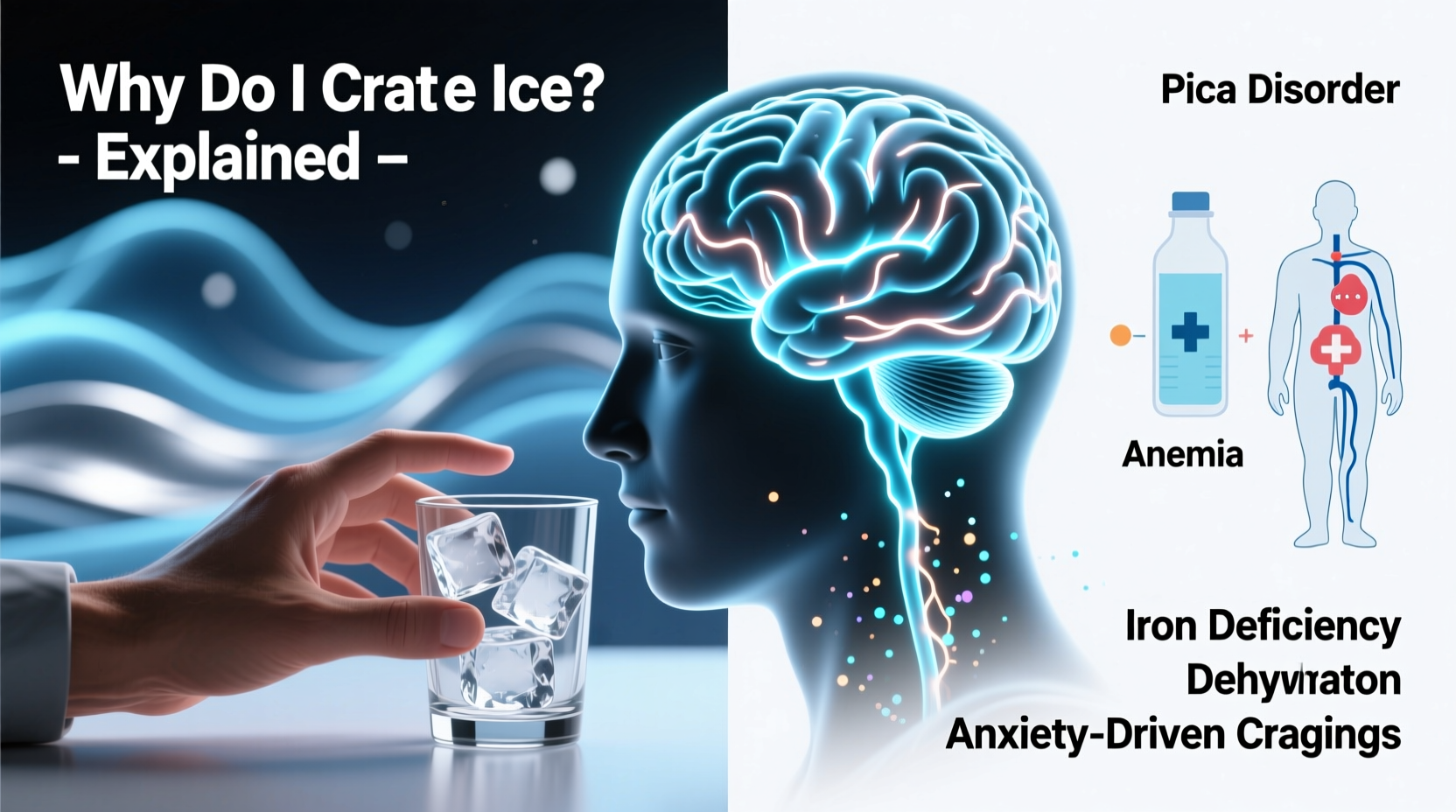
At first glance, craving ice doesn’t make much sense. Unlike sugar, salt, or fat, ice offers no caloric value or essential nutrients. So why would the brain signal a desire for it? The answer lies in how the body responds to certain internal imbalances, especially iron deficiency anemia.
Research has shown a strong link between pagophagia and iron deficiency. One theory suggests that chewing ice provides a mental boost for people with anemia. When iron levels are low, the blood carries less oxygen to the brain, leading to fatigue and poor concentration. Chewing ice may increase blood flow to the brain by triggering a response in the facial nerves, temporarily improving alertness and cognitive function. A 2014 study published in the journal Medical Hypotheses found that patients with iron deficiency anemia who chewed ice reported improved energy and focus—symptoms that resolved after iron supplementation.
This neurological “high” from ice chewing acts like a stimulant for the under-oxygenated brain, making the behavior reinforcing. Over time, it becomes a compulsive habit, even if the person isn’t consciously aware of feeling tired.
“Pagophagia is one of the most specific cravings linked to a medical condition. When a patient reports constant ice chewing, we immediately consider iron deficiency—even if they don’t have obvious symptoms like fatigue or pale skin.” — Dr. Lena Torres, Hematology Specialist
Iron Deficiency and Pica: The Hidden Connection
Pica is an eating disorder characterized by the persistent consumption of non-nutritive substances such as dirt, clay, paper, or ice. Pagophagia—the craving for ice—is a subtype of pica and one of the few forms that may not involve ingesting harmful materials. However, its presence should never be ignored.
Iron deficiency is the most common nutritional cause of pica. It’s especially prevalent in women of childbearing age, pregnant individuals, and those with gastrointestinal disorders that impair iron absorption (like celiac disease or Crohn’s). Children with limited diets or developmental delays are also at higher risk.
Other signs that your ice craving might be tied to iron deficiency include:
- Chronic fatigue or weakness
- Pale skin, especially around the lips and inner eyelids
- Dizziness or lightheadedness
- Shortness of breath during mild activity
- Cold hands and feet
- Hair loss or brittle nails
Other Possible Causes of Ice Craving
While iron deficiency is the leading explanation, other factors can contribute to persistent ice cravings:
Pregnancy
Pregnant women frequently report unusual food cravings, including ice. Hormonal changes, increased blood volume, and higher iron demands can trigger both pica and true deficiencies. Some studies suggest up to 50% of pregnant women experience pica behaviors, with ice being a common choice due to its safety compared to other non-food items.
Mental Health Conditions
Obsessive-compulsive disorder (OCD), anxiety, and stress-related disorders can manifest in repetitive behaviors like ice chewing. In these cases, the act of crunching may provide sensory relief or serve as a coping mechanism. The behavior may persist even after correcting any physical deficiency.
Dental or Oral Sensations
Some people chew ice because it soothes gum irritation, reduces oral inflammation, or alleviates teething pain in children. Others may simply enjoy the texture or cold sensation, especially if they have dry mouth (xerostomia) due to medication or dehydration.
Diabetes or Blood Sugar Imbalances
Though less common, some individuals with uncontrolled diabetes report cravings for ice, possibly due to dehydration caused by frequent urination. Persistent thirst (polydipsia) can lead to increased ice consumption as a cooling alternative to liquid water.
When Ice Chewing Becomes Harmful
Even though ice is non-toxic, excessive chewing can lead to dental complications. The hardness of ice puts significant pressure on tooth enamel, increasing the risk of:
- Enamel erosion
- Cracked or chipped teeth
- Dental fillings or crowns breaking
- Increased sensitivity to temperature
- Jaw pain or temporomandibular joint (TMJ) strain
Dentists often notice signs of chronic ice chewing during routine exams—flattened molars, microfractures, or worn-down surfaces. Once damage occurs, restorative treatments like crowns or bonding may be necessary.
| Factor | Associated Risk | Action Step |
|---|---|---|
| Iron Deficiency | Anemia, fatigue, heart palpitations | Blood test + iron supplementation |
| Pregnancy | Nutrient depletion, fetal development concerns | Monitor diet and prenatal vitamins |
| Dental Damage | Tooth fractures, sensitivity | Avoid chewing; use crushed ice instead |
| Mental Health | OCD, anxiety, compulsive behavior | Therapy or counseling |
| Dehydration | Kidney strain, dizziness | Increase fluid intake |
Step-by-Step Guide to Addressing Ice Cravings
If you're struggling with constant ice cravings, follow this practical sequence to identify and resolve the root cause:
- Track Your Habits: For one week, record how often you chew ice, the amount consumed, and any associated symptoms (fatigue, dizziness, mood changes).
- Assess Your Diet: Evaluate your intake of iron-rich foods like red meat, spinach, lentils, and fortified cereals. Are you vegetarian or vegan? Do you avoid certain food groups?
- Schedule a Blood Test: Request a CBC, serum ferritin, and hemoglobin test from your doctor. These will reveal whether anemia or low iron stores are present.
- Treat Any Deficiency: If iron deficiency is confirmed, your doctor may recommend oral supplements. Vitamin C enhances iron absorption, so pair supplements with citrus fruits or juice.
- Switch to Crushed Ice: To protect your teeth, switch from hard cubes to crushed or shaved ice while addressing the craving.
- Seek Behavioral Support: If the craving persists despite normal lab results, consider speaking with a therapist about potential compulsive behaviors.
- Reevaluate After 4–6 Weeks: Monitor changes in your cravings and energy levels. Follow up with your doctor if symptoms continue.
Real-Life Example: Sarah’s Story
Sarah, a 32-year-old teacher, noticed she was going through nearly six cups of ice per day. She kept a cooler at her desk and refilled her cup during every break. Though she thought nothing of it, her dentist flagged multiple cracked molars during a checkup and asked, “Do you chew ice?”
After confirming the habit, the dentist suggested she see her primary care physician. Blood work revealed she had iron deficiency anemia—her ferritin level was just 8 ng/mL (normal is above 15). Further investigation showed she had undiagnosed heavy menstrual bleeding, which had been slowly depleting her iron stores for years.
With iron supplements and dietary adjustments—including adding lean beef twice a week and taking vitamin C with meals—Sarah’s energy improved within three weeks. Her ice cravings disappeared completely by week six. She now uses a straw with cold drinks and opts for chilled herbal tea instead.
FAQ: Common Questions About Ice Cravings
Is it bad to chew ice every day?
Occasional ice chewing is generally safe, but doing it daily increases the risk of dental damage and may indicate an underlying health issue like iron deficiency. If it’s a constant habit, it’s worth investigating further.
Can low iron really make me crave ice?
Yes. Numerous studies support the connection between iron deficiency anemia and pagophagia. Iron is essential for hemoglobin production, and when levels drop, the brain may seek stimulation through behaviors like ice chewing. Treating the deficiency often resolves the craving.
What should I do if I can’t stop craving ice?
Start with a medical evaluation to rule out anemia or other deficiencies. If blood tests are normal, consider psychological factors. Cognitive behavioral therapy (CBT) can help break compulsive habits. In the meantime, switch to crushed ice to reduce dental risk.
Prevention and Long-Term Management Checklist
- ✅ Get annual blood work, especially if you’re menstruating, pregnant, or follow a plant-based diet.
- ✅ Include iron-rich foods in your meals: red meat, beans, tofu, pumpkin seeds, and dark leafy greens.
- ✅ Pair iron sources with vitamin C (e.g., bell peppers, oranges, strawberries) to boost absorption.
- ✅ Avoid drinking tea or coffee with meals—they contain tannins that inhibit iron uptake.
- ✅ Use a reusable cup with crushed ice instead of hard cubes to protect your enamel.
- ✅ Monitor for signs of fatigue, paleness, or shortness of breath and act early.
- ✅ Talk to your doctor before starting iron supplements—too much iron can be harmful.
Conclusion: Listen to What Your Body Is Telling You
Craving ice constantly isn’t just a strange habit—it’s a potential warning signal from your body. Whether it’s whispering about low iron, hormonal shifts, or emotional stress, the message deserves attention. Ignoring it could lead to worsening anemia, dental damage, or missed diagnoses. The good news is that once the underlying cause is identified, relief is often swift and effective.
Take action today: reflect on your habits, talk to your doctor, and don’t dismiss something as “weird” without exploring its roots. Your body communicates in subtle ways—sometimes through hunger, sometimes through cravings. By listening closely, you gain insight into your health and empower yourself to make meaningful changes.




 浙公网安备
33010002000092号
浙公网安备
33010002000092号 浙B2-20120091-4
Comments
No comments yet. Why don't you start the discussion?