
If you find yourself reaching for ice cubes throughout the day—chewing them slowly, refilling your glass repeatedly, or even sucking on frozen chips without realizing it—you're not alone. Ice craving, medically known as pagophagia, is more common than many assume. While occasional ice chewing may seem harmless, persistent and intense cravings can point to underlying health conditions that deserve attention. This article explores the science behind ice cravings, their connection to nutritional deficiencies, mental health, and physiological states like pregnancy, and offers practical guidance on when to consult a healthcare provider.
The Science Behind Ice Cravings
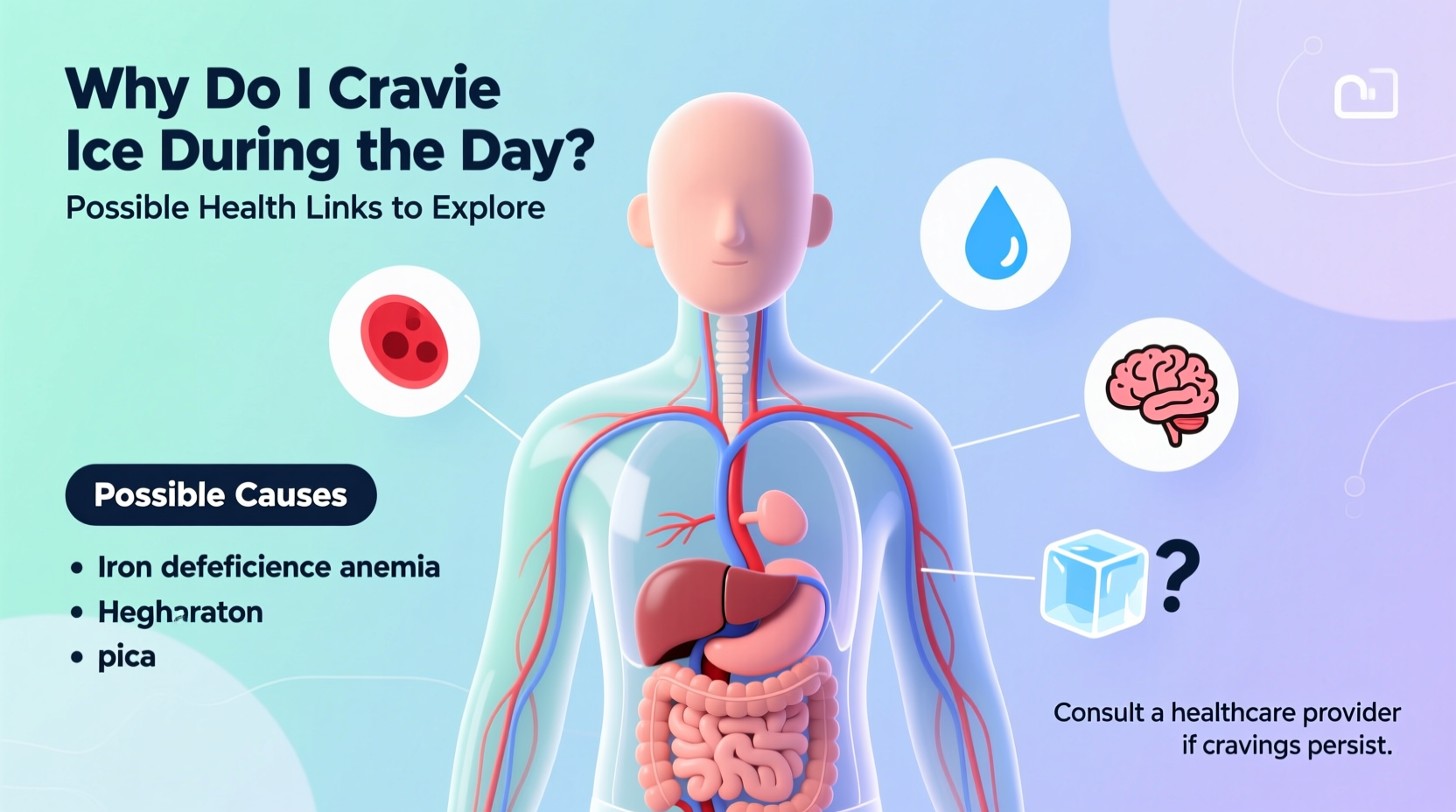
Craving non-nutritive substances like ice falls under a broader condition called pica—a behavioral disorder characterized by the persistent ingestion of non-food items such as dirt, chalk, or paper. Pagophagia, specifically, refers to the compulsive consumption of ice. Unlike other forms of pica, ice has no toxic components, which may explain why it's often overlooked. However, its presence can be a red flag for deeper issues.
One leading theory suggests that ice provides a form of oral stimulation that temporarily improves alertness in individuals with iron deficiency anemia. Cold temperatures may increase blood flow to the brain, creating a mild stimulant effect similar to caffeine. A 2014 study published in the Medical Hypotheses journal found that patients with iron deficiency reported improved energy and mental clarity after chewing ice—symptoms that diminished once their iron levels were corrected.
This neurological feedback loop may explain why people with low iron feel compelled to chew ice: it helps counteract fatigue and brain fog associated with anemia. The act itself becomes reinforcing, turning a temporary coping mechanism into a habitual behavior.
Iron Deficiency and Anemia: The Primary Suspect
Iron deficiency anemia remains the most well-documented medical cause of ice cravings. Iron is essential for producing hemoglobin, the protein in red blood cells that carries oxygen throughout the body. When iron stores run low, tissues receive less oxygen, leading to symptoms like fatigue, weakness, pale skin, and shortness of breath.
Interestingly, the craving for ice often appears before other classic signs of anemia become severe. Some patients report chewing several cups of ice per day, sometimes exclusively, for weeks or months before being diagnosed. Once iron supplementation begins, the ice craving typically subsides within days to weeks—even before full correction of hemoglobin levels.
Why ice? Researchers believe the cold temperature may trigger a vascular response in the brain. In iron-deficient individuals, cerebral blood flow is often reduced. Chewing ice may stimulate the trigeminal nerve, increasing alertness through a cooling-induced vasoconstriction and rebound vasodilation effect. It’s essentially nature’s way of “waking up” a sluggish brain.
“Pagophagia is one of the most specific cravings linked to iron deficiency. When a patient reports compulsive ice chewing, we immediately investigate iron status.” — Dr. Lena Patel, Hematologist at Boston General Hospital
Who Is at Risk for Iron Deficiency?
Certain populations are more vulnerable to low iron levels:
- Women with heavy menstrual cycles: Monthly blood loss increases iron demands.
- Pregnant individuals: Blood volume expands significantly, requiring more iron for fetal development.
- Vegans and vegetarians: Plant-based iron (non-heme) is less readily absorbed than animal-based (heme) iron.
- People with gastrointestinal disorders: Conditions like celiac disease, Crohn’s, or gastric bypass surgery impair iron absorption.
- Frequent blood donors: Regular donation depletes iron stores over time.
Pregnancy and Hormonal Shifts
Pregnancy is another key period when ice cravings emerge. Up to 50% of pregnant women experience some form of pica, with ice being the most commonly reported substance. Hormonal fluctuations, increased blood volume, and heightened nutritional needs all contribute to altered taste perception and appetite changes.
A 2020 review in the Journal of Perinatal Medicine highlighted that ice cravings during pregnancy were strongly correlated with lower serum ferritin levels, even in women who didn’t yet meet clinical criteria for anemia. The study recommended routine screening for iron stores in expectant mothers reporting unusual food or non-food cravings.
Additionally, nausea and dry mouth—common in early pregnancy—can make cold, crunchy textures like ice especially appealing. While moderate ice consumption is generally safe during pregnancy, excessive chewing may lead to dental damage, including enamel erosion or cracked teeth.
Other Possible Health Links
While iron deficiency tops the list, other conditions may also play a role in ice cravings:
- Stress and Anxiety Disorders: Oral fixation behaviors, including nail-biting, gum-chewing, or ice-crunching, can serve as coping mechanisms for anxiety. The repetitive motion provides sensory feedback that calms the nervous system.
- Obsessive-Compulsive Disorder (OCD): In rare cases, pagophagia may be part of a compulsive ritual. Individuals feel distress if they don’t chew ice at certain times or in specific ways.
- Diabetes: Although less directly linked, uncontrolled blood sugar can alter taste perception and increase thirst, potentially leading to higher fluid and ice intake. However, this is usually accompanied by other symptoms like frequent urination and fatigue.
- Malnutrition or Eating Disorders: People with bulimia or anorexia may use ice to suppress hunger or manage urges to binge. Ice provides zero calories but gives the sensation of eating.
When to Be Concerned: Red Flags and Warning Signs
Occasional ice chewing isn’t inherently dangerous. But if your craving feels uncontrollable, interferes with daily life, or persists despite adequate nutrition, it’s time to take notice. Consider seeking medical evaluation if you experience any of the following:
| Symptom | Possible Implication | Action Step |
|---|---|---|
| Chewing ice multiple times a day for weeks | Chronic pagophagia; possible iron deficiency | Request iron studies from your doctor |
| Feeling tired, dizzy, or short of breath | Anemia or cardiovascular strain | Complete blood count (CBC) test |
| Tooth sensitivity or jaw pain | Dental damage from chronic chewing | Visit a dentist; consider softer alternatives |
| Cold hands, brittle nails, pale skin | Signs of low iron or poor circulation | Evaluate diet and supplement needs |
Real-Life Example: Sarah’s Story
Sarah, a 32-year-old teacher from Portland, noticed she was going through nearly six cups of ice each workday. She kept a thermos filled with cubes at her desk and would chew continuously during grading sessions. At first, she dismissed it as a habit. But when she began feeling lightheaded during afternoon classes and noticed her heart racing after climbing stairs, she scheduled a check-up.
Her primary care physician ordered blood work and discovered her ferritin (stored iron) level was just 8 ng/mL—well below the normal range of 20–200 ng/mL. Sarah was diagnosed with iron deficiency anemia, likely exacerbated by heavy periods and a plant-heavy diet low in heme iron. She started taking iron supplements and, within two weeks, her ice cravings vanished completely. “I didn’t realize how much mental fog I’d been living with,” she said. “Now I have energy again—and I don’t miss the ice at all.”
Step-by-Step Guide: What to Do If You Crave Ice Daily
If ice chewing has become a daily ritual, follow this practical timeline to address potential causes:
- Week 1: Track Your Habits
Keep a journal noting how often you chew ice, the amount consumed, and any triggers (e.g., stress, fatigue). Also log symptoms like tiredness, headaches, or dizziness. - Week 2: Evaluate Your Diet
Assess your intake of iron-rich foods: red meat, poultry, lentils, spinach, fortified cereals. Are you vegetarian? Consider vitamin C pairing (like orange juice with meals) to boost iron absorption. - Week 3: Schedule a Medical Check-Up
Ask your doctor for a CBC and serum ferritin test. Mention your ice cravings explicitly—don’t assume they’ll connect the dots. - Week 4: Begin Treatment (If Needed)
If iron deficiency is confirmed, follow your provider’s recommendations. This may include oral supplements, dietary changes, or further testing for underlying causes like gastrointestinal bleeding. - Ongoing: Monitor Progress
Recheck iron levels after 8–12 weeks of treatment. Track whether your ice craving decreases. If it persists, explore psychological or behavioral factors with a counselor.
Checklist: Assessing Your Ice Craving Risk
Use this checklist to determine whether your ice consumption warrants medical attention:
- ☑ I chew ice more than three times a day
- ☑ I feel anxious or restless if I can’t access ice
- ☑ I’ve noticed new fatigue, weakness, or shortness of breath
- ☑ I have a history of anemia or heavy periods
- ☑ I follow a vegan or vegetarian diet without iron supplementation
- ☑ I’m currently pregnant or recently gave birth
- ☑ I’ve experienced tooth pain or chipped enamel
If three or more apply, schedule a consultation with your healthcare provider.
Frequently Asked Questions
Is chewing ice bad for my teeth?
Yes, habitual ice chewing can lead to cracked enamel, tooth fractures, and increased sensitivity. The extreme hardness and cold temperature stress dental structures. Dentists recommend avoiding hard ice cubes and opting for crushed ice or chilled water instead.
Can dehydration cause ice cravings?
Not directly. Dehydration increases thirst, which may lead to drinking more cold water or ice-filled beverages. However, true ice cravings (pagophagia) are typically linked to mineral deficiencies or behavioral patterns, not fluid balance alone.
Will stopping ice chewing improve my energy?
If your craving is due to iron deficiency, addressing the root cause—through supplements or diet—will likely boost your energy far more than continuing to chew ice. The temporary alertness from ice is not a substitute for proper oxygen delivery via healthy red blood cells.
Taking Action: Listen to Your Body’s Signals
Your body often communicates imbalance through subtle cues. A persistent craving for ice may seem trivial, but it can be a powerful indicator of nutritional gaps or physiological stress. Rather than dismissing it as a quirky habit, treat it as valuable information—one that could lead to diagnosing and correcting a condition like iron deficiency before it worsens.
Whether you're a busy professional, a new parent, or someone managing chronic health concerns, paying attention to these signals empowers you to take proactive steps toward better well-being. Don’t wait for symptoms to escalate. Talk to your doctor, get tested, and reclaim your energy.




 浙公网安备
33010002000092号
浙公网安备
33010002000092号 浙B2-20120091-4
Comments
No comments yet. Why don't you start the discussion?